Some people work hard on weight loss and still wake up exhausted, foggy, hungry, and discouraged. They may blame stress, age, hormones, or lack of willpower, while a sleep disorder is quietly making everything harder. Sleep apnea can fragment sleep dozens of times a night, lower oxygen levels, increase daytime sleepiness, and undermine the consistency that weight loss depends on. It can also go undiagnosed for years because many people think snoring is just annoying rather than medically important. The good news is that sleep apnea is treatable, and treatment often helps people feel more alert, more active, and better able to follow through on nutrition and exercise habits. This article explains the common signs of sleep apnea, how testing usually works, what weight loss can realistically improve, and what to do next if you suspect the problem is affecting both your sleep and your progress.
Table of Contents
- Why Sleep Apnea Affects Weight Loss
- Signs That Deserve Testing
- How Sleep Apnea Testing Usually Works
- What Weight Loss Can and Cannot Do
- Next Steps After a Diagnosis
- When to Seek Faster Medical Help
Why Sleep Apnea Affects Weight Loss
Sleep apnea is not just a snoring problem. It is a breathing problem that disrupts sleep quality over and over through the night. In obstructive sleep apnea, the upper airway narrows or collapses during sleep, which can cause breathing pauses, drops in oxygen, gasping, and frequent micro-awakenings that many people never fully remember by morning. The result is often “time in bed” without truly restorative sleep.
That matters for weight loss because poor sleep changes behavior in predictable ways. When people wake up tired, they are more likely to skip workouts, move less, rely on caffeine too late in the day, crave quick carbohydrates, and make impulsive food decisions at night. The issue is not just motivation. It is physiology and follow-through working against each other.
Sleep apnea can make weight loss harder in several ways:
- Daytime sleepiness reduces activity, including everyday movement outside formal exercise.
- Poor sleep makes appetite regulation less stable and can increase cravings for high-calorie foods.
- Morning headaches, dry mouth, and mental fog can make healthy routines feel harder to maintain.
- Repeated poor nights can create a cycle of stress, overeating, and low recovery.
This is one reason better sleep is not a side project in weight management. It is part of the foundation. If you are already learning how sleep affects weight loss, untreated sleep apnea can be one of the biggest reasons the basics still do not feel like enough.
Weight also interacts with sleep apnea in the other direction. Extra tissue around the neck and upper airway can worsen obstruction during sleep, so weight gain can increase risk and severity. But the relationship is not as simple as “only people with obesity get sleep apnea.” Airway anatomy, age, sex, nasal obstruction, alcohol use, medications, and family history can all matter. That is why some people with a larger body do not have it, while others with a more average body size do.
A useful way to think about the problem is this: sleep apnea can turn every good habit into harder work. You may still be able to lose weight, but it often feels more difficult than it should. Hunger can be louder, exercise can feel harder to recover from, and consistency may collapse late in the evening when fatigue catches up. That is also why untreated sleep problems often overlap with issues such as appetite changes linked to poor sleep.
If you suspect sleep apnea, it helps to stop treating the problem as a character flaw. Constant fatigue, falling asleep on the couch every evening, brain fog, and waking unrefreshed after a full night are not signs that you are lazy. They may be signs that your breathing is being disrupted all night long. When that is the case, solving the sleep problem often makes the weight-loss problem more manageable.
Signs That Deserve Testing
The classic picture of sleep apnea is loud snoring, witnessed breathing pauses, and choking or gasping during sleep. Those signs are important, but they are not the only ones. Many people seek testing because of what they feel during the day rather than what happens overnight.
Signs that should put sleep apnea on your radar include:
- Loud, habitual snoring
- Witnessed pauses in breathing
- Waking up choking, gasping, or feeling short of breath
- Excessive daytime sleepiness
- Morning headaches
- Dry mouth on waking
- Trouble concentrating or memory lapses
- Irritability or low mood
- Waking several times to urinate
- Feeling unrefreshed despite spending enough time in bed
Some people notice the pattern only after a partner mentions it. Others live alone and mainly notice the downstream effects: fatigue, poor focus, or dozing off during passive activities. Falling asleep while reading, during meetings, or while watching television is not always a sign of sleep apnea, but it should not be dismissed if it is happening often.
It is also worth knowing that symptoms do not always look the same in everyone. Women may be more likely to report fatigue, insomnia, headaches, or mood changes rather than the most stereotypical “loud snoring man” presentation. That mismatch is one reason sleep apnea is often missed or diagnosed late.
A few risk patterns deserve extra attention:
- A larger neck circumference
- High blood pressure, especially if it is hard to control
- A family history of sleep apnea
- Regular alcohol use close to bedtime
- Sedating medications
- Nasal blockage
- Older age
- Weight gain over time
Not all snoring is sleep apnea, and not all sleep apnea involves dramatic snoring every night. That is why context matters. Snoring plus daytime sleepiness is more concerning than snoring alone. Snoring plus witnessed pauses is more concerning than simple snoring after alcohol. And fatigue plus morning headaches plus waking unrefreshed should make you think beyond stress.
This can be especially relevant if weight loss has felt unusually difficult despite consistent effort. Sometimes the issue is not only calories or program design. Sometimes it is a medical barrier affecting recovery, energy, and appetite. If that possibility sounds familiar, it may help to think about medical barriers to weight loss rather than assuming you just need more discipline.
Testing is especially worth discussing if you have any of these combinations:
- Loud snoring and daytime sleepiness
- Witnessed apneas and morning headaches
- Waking unrefreshed plus high blood pressure
- Persistent fatigue that does not improve with more time in bed
The key point is simple: symptoms deserve attention even if they feel ordinary. Many people normalize years of poor sleep because they have adapted to feeling below baseline. If you consistently wake up tired, struggle to stay alert, or are told your breathing stops during sleep, that is enough reason to take the next step.
How Sleep Apnea Testing Usually Works
Sleep apnea testing usually begins with a clinical conversation, not a machine. A clinician will ask about your symptoms, sleep schedule, snoring, daytime sleepiness, medications, alcohol use, medical history, and whether someone has noticed breathing pauses while you sleep. They may also ask about blood pressure, weight change, nasal symptoms, and family history.
From there, the next step is often a sleep study. The two main paths are:
- An in-lab sleep study, called polysomnography
- A home sleep apnea test, used in selected adults
A home sleep apnea test can be a practical option when an adult has symptoms that strongly suggest obstructive sleep apnea and does not have a more medically complicated picture. It is more convenient, usually less disruptive, and can help move testing forward faster.
But home testing is not the best choice for everyone. In-lab polysomnography is usually preferred when the case is more complex, such as significant heart or lung disease, suspected low nighttime breathing drive, neuromuscular problems, chronic opioid use, prior stroke, or severe insomnia. An in-lab study also becomes more important when a home test is negative or unclear but the suspicion for sleep apnea remains high.
That is one of the most useful details many people do not hear upfront: a normal home test does not automatically close the case. If symptoms are strong, further testing may still be needed.
Testing usually helps answer several questions:
- Do you have sleep apnea?
- What type is it?
- How severe is it?
- Are oxygen levels dropping significantly?
- What treatment path makes the most sense?
Severity is often described using the number of breathing interruptions per hour of sleep. That number matters, but it is not the whole picture. Symptoms, oxygen drops, cardiovascular risk, and how much the problem affects your daily function also shape treatment decisions.
Before an appointment, it can help to bring a few concrete details:
- Whether anyone has heard you snore, gasp, or stop breathing
- How sleepy you feel during the day
- Whether you wake with headaches or dry mouth
- What time you usually sleep and wake
- Whether alcohol, sedatives, or late meals make symptoms worse
This is one place where a short sleep log can help, even if you are not otherwise tracking much. If you are already thinking about when to talk to a doctor before trying to lose weight, symptoms of possible sleep apnea make that conversation more valuable, not less.
The overall testing process is often simpler than people fear. The main mistake is waiting too long because you assume you just need better sleep hygiene. Healthy routines matter, but they do not diagnose or correct repeated airway collapse during sleep. If the signs are there, testing gives you something far more useful than guesswork: a clear explanation for what has been happening and a path forward that can be tailored to your situation.
What Weight Loss Can and Cannot Do
Weight loss can meaningfully improve obstructive sleep apnea, but it is important to be realistic about what that means. It can reduce severity. It can improve symptoms. In some cases, it can move a person from more severe disease to milder disease. But it does not guarantee a cure, and it should not delay diagnosis or treatment when symptoms are significant.
That distinction matters because people often hear “lose weight and it will go away” as if weight loss is a quick, reliable fix. In real life, the relationship is more nuanced. Sleep apnea improves for many people when body weight goes down, especially if excess body fat is contributing to upper-airway narrowing. But airway anatomy, tongue position, jaw structure, sleep stage, body position, and other factors can keep the disorder going even after meaningful fat loss.
A practical way to think about it is this:
- Weight loss is often part of treatment
- It is not always enough as the only treatment
- Improvement can happen before goal weight is reached
- Residual sleep apnea can persist even after substantial success
This is actually encouraging. It means you do not need to reach an idealized body size before anything gets better. Even moderate, sustained weight loss can help breathing during sleep. At the same time, it also means you should be careful with the “I will just handle this on my own first” approach if you are very sleepy, waking gasping, or have cardiovascular risk.
The other trap is overcorrecting. Some people respond to a possible apnea diagnosis by trying an aggressive diet because they feel urgent. That can backfire if it leads to rebound eating, poor training recovery, and another cycle of fatigue. A steadier approach usually works better. If you are unsure what is realistic, understanding a safe rate of weight loss is more helpful than chasing a crash plan.
In practice, the most effective weight-loss approach for sleep apnea usually includes:
- A sustainable calorie deficit rather than an extreme one
- Enough protein to protect muscle and improve satiety
- Regular movement, especially walking and resistance training
- Better sleep timing and treatment adherence
- Less alcohol close to bedtime
- Follow-up rather than “set it and forget it”
This is where straightforward nutrition habits help. A modest plan built around simple calorie-deficit habits is more likely to lower body weight and stay in place long enough to matter than a strict plan that collapses in two weeks.
The main point is not that weight loss does not matter. It matters a great deal. The point is that weight loss should be treated as one strong lever, not the only one. If you have sleep apnea, you may need both immediate symptom control and gradual body-composition change. Good treatment plans respect both timelines: help breathing and sleep quality now, while also working on the longer-term factors that may reduce severity over time.
Next Steps After a Diagnosis
A sleep apnea diagnosis is not just a label. It is the start of a treatment plan, and the right next step depends on severity, symptoms, medical history, and what you can realistically stick with. Many people benefit from more than one approach at the same time.
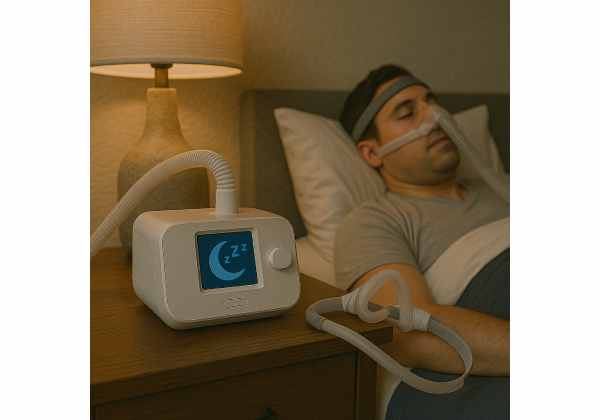
The most common first-line treatment is positive airway pressure, often CPAP. This keeps the airway open during sleep by delivering pressurized air through a mask. For many patients, it is the fastest way to reduce breathing interruptions, improve oxygen levels, and ease daytime sleepiness. It is not glamorous, but it is effective.
Other treatment paths may include:
- An oral appliance fitted by a dental professional
- Positional strategies, especially if apnea is worse when lying on the back
- Weight loss and exercise
- Reducing alcohol near bedtime
- Treating nasal obstruction
- Selected surgical options in the right patient
The smartest next step is rarely “pick one forever.” It is usually “start what improves risk and symptoms now, then build the rest around it.”
That matters because CPAP and weight loss are not competing ideas. They often work best together. CPAP may help you feel alert enough to move more, plan meals better, and stay consistent. Weight loss may reduce pressure needs over time, improve symptoms, and lower overall disease burden. One supports the other.
If you are newly diagnosed, focus on these early priorities:
- Understand your results
Ask what type of sleep apnea you have, how severe it is, and whether oxygen levels dropped significantly. - Clarify the treatment goal
Are you treating sleepiness, blood pressure risk, snoring, oxygen drops, or all of the above? - Troubleshoot early
If CPAP or another device is recommended, address mask fit, dryness, congestion, or discomfort quickly rather than silently giving up. - Work on the bedtime setup
Small habits still matter. A consistent bedtime routine can make therapy easier to tolerate and improve sleep quality around the treatment itself. - Reduce common aggravators
Alcohol close to bedtime can worsen airway collapse and fragment sleep, so this is a good time to review your alcohol habits honestly.
It is also worth planning follow-up rather than assuming the first prescription solves everything. Many people need mask adjustments, pressure changes, better humidification, or coaching to improve adherence. Oral appliances may need fine-tuning. Weight loss efforts may need more structure after the initial burst of motivation fades.
A good treatment plan makes you ask better questions over time. Are you less sleepy? Are you waking with fewer headaches? Is your blood pressure improving? Are you finding it easier to walk, train, or resist late-night eating? These are the kinds of real-life changes that show treatment is helping.
The goal is not just a better sleep-study report. It is better daily function. If treatment is working, mornings should feel less punishing, afternoons less foggy, and weight-loss habits less fragile.
When to Seek Faster Medical Help
Sleep apnea usually develops gradually, but some signs should push you to act sooner rather than later. The biggest reason is safety. Severe daytime sleepiness is not merely inconvenient. It can affect driving, work performance, reaction time, and cardiovascular strain.
Seek prompt medical evaluation if you have:
- Repeated witnessed breathing pauses during sleep
- Waking up choking or gasping often
- Daytime sleepiness that affects driving or work safety
- High blood pressure that remains difficult to control
- Severe morning headaches with heavy snoring
- Significant drops in alertness despite spending enough time in bed
- New symptoms after weight gain, sedating medication use, or worsening alcohol intake
If you are dozing off at red lights, falling asleep unintentionally during passive tasks, or feeling unable to stay alert in situations that require attention, do not wait for a convenient month to bring it up. That deserves timely evaluation.
You should also move faster if sleep apnea may be mixing with other problems. Examples include major weight gain without a clear reason, worsening blood pressure, heart rhythm issues, very poor sleep quality despite good habits, or suspected medication effects. In those cases, it can help to think beyond one isolated symptom and consider when to see a doctor about weight gain or trouble losing weight more broadly.
While waiting for testing or treatment, there are a few practical steps that may reduce risk:
- Avoid alcohol close to bedtime
- Be cautious with sedating medicines unless prescribed and discussed
- Try side-sleeping if back-sleeping clearly worsens snoring
- Keep a regular sleep schedule
- Do not rely on extra caffeine as a full solution
- Do not drive if you feel too sleepy to be safe
This is also a good time to make support visible. Sleep apnea treatment can take adjustment, and weight loss is easier to sustain when someone else knows what you are working on. A partner can help report symptoms, encourage follow-up, or notice whether treatment is helping. If you tend to do better with structure, building a support system for weight loss can also make sleep-related changes easier to maintain.
The most important takeaway is that sleep apnea is both common and treatable. You do not need to diagnose it yourself, and you do not need to wait until your fatigue becomes extreme to take it seriously. If the signs fit, testing gives you clarity. If the diagnosis is confirmed, treatment can improve not only sleep and safety but also the daily energy and consistency that make healthy weight loss more realistic.
References
- Sleep Apnea – Symptoms | NHLBI, NIH 2025 (Guidance)
- Sleep Apnea – Diagnosis | NHLBI, NIH 2025 (Guidance)
- Sleep Apnea – Treatment | NHLBI, NIH 2025 (Guidance)
- Clinical Practice Guideline for Diagnostic Testing for Adult Obstructive Sleep Apnea: An American Academy of Sleep Medicine Clinical Practice Guideline 2017 (Guideline)
- Weight reduction and the impact on apnea-hypopnea index: A systematic meta-analysis 2024 (Systematic Review)
Disclaimer
This article is for general educational purposes only and is not a substitute for medical advice, diagnosis, or treatment. If you think you may have sleep apnea, especially if you have severe daytime sleepiness, witnessed breathing pauses, or cardiovascular symptoms, seek personalized guidance from a qualified clinician.
If you found this article helpful, please share it on Facebook, X, or your preferred platform.