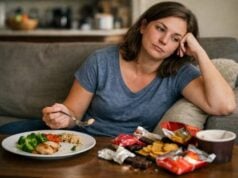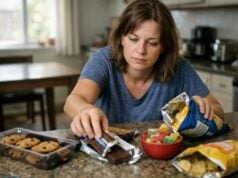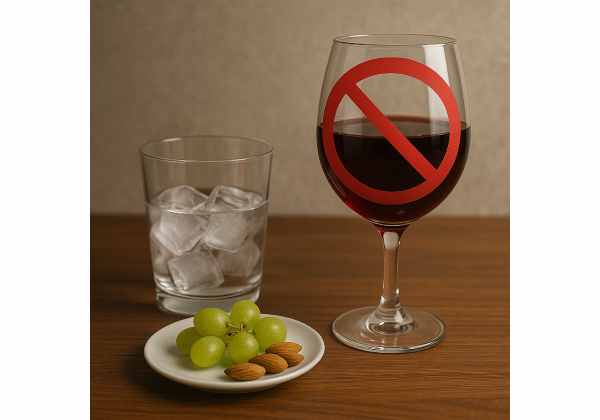
Trying to lose weight while still having a drink now and then can feel confusing. One article says alcohol ruins fat loss. Another makes it sound harmless if you “budget” the calories. The truth is more practical than dramatic. Alcohol can fit into some weight-loss plans, but it gets harder to manage when pours are large, mixers are sweet, weekends turn into calorie spillovers, or drinking disrupts sleep and appetite control. It is not just the drink itself that matters. Alcohol can lower restraint, make restaurant food more tempting, and turn one planned drink into several hundred extra calories plus late-night snacks. The good news is that a few habits make the tradeoffs much easier to manage. This guide explains how alcohol affects weight loss, which drinks tend to be lower in calories, what limits are realistic, and when cutting back further is the smarter move.
Table of Contents
- Why Alcohol Slows Fat Loss
- Lower-Calorie Drinks That Do Less Damage
- The Hidden Calories in Pours and Mixers
- Realistic Drinking Limits During Weight Loss
- Habits That Prevent Overeating After Drinking
- When Cutting Back More Is the Better Choice
Why Alcohol Slows Fat Loss
Alcohol affects weight loss in a few different ways at once, which is why people often underestimate its impact. The first issue is simple math: alcohol provides 7 calories per gram, which makes it more calorie-dense than protein or carbohydrate and only slightly less calorie-dense than fat. Those calories add up quickly, especially when drinks are large or strong.
The second issue is fullness. Liquid calories usually do not create the same sense of satisfaction as solid food. A person can drink 150 to 300 calories faster than they would eat the same amount, and many people do not naturally compensate by eating less later. In practice, that means alcohol can quietly narrow or erase a calorie deficit even when weekday meals look “clean.”
There is also a behavioral effect. Drinking often changes food choices more than people expect. One or two drinks can make salty, fried, sweet, and high-fat foods feel more rewarding. That is why the true calorie cost of a night out is often not the wine, beer, or cocktail alone. It is the drink plus the appetizer, plus the larger dinner, plus the late-night stop on the way home.
A common pattern looks like this:
- Two 150-calorie drinks on Friday
- Two 150-calorie drinks on Saturday
- One 400- to 600-calorie food spillover each night
That can add 1,000 calories or more to a week without feeling excessive in the moment.
Alcohol can also work against recovery. Many people fall asleep faster after drinking, but sleep quality tends to be worse later in the night. That matters because poor sleep makes appetite harder to manage the next day and can raise cravings for quick, energy-dense foods. If sleep is already a weak point, the connection between alcohol and sleep and weight loss is worth taking seriously.
Finally, alcohol can reduce follow-through. The morning after drinking, people often move less, skip workouts, eat reactively, or tell themselves the day is already off-track. That is how a few drinks become a habit problem rather than just a calorie problem. For weight loss, the biggest question is not “Can I ever drink?” It is “Does drinking stay contained, or does it ripple into appetite, sleep, and routine?”
Lower-Calorie Drinks That Do Less Damage
If you want to drink without making weight loss much harder, the best strategy is not to hunt for a magical “diet alcohol.” It is to choose drinks that keep calories, sugar, and alcohol dose relatively modest. Lower-calorie choices are usually simpler drinks with smaller pours, lower alcohol by volume, and little or no sugary mixer.
As a practical rule, drinks often fall into these rough ranges:
- Light beer: about 90 to 110 calories per 12 ounces
- Hard seltzer: about 90 to 110 calories per can
- Dry wine: about 120 to 130 calories per 5-ounce pour
- Straight spirits or a single shot with a no-calorie mixer: about 95 to 105 calories
- Regular beer: often around 140 to 170 calories per 12 ounces
- Sweet cocktails: often 180 to 350 calories, sometimes much more
- Frozen, creamy, or oversized cocktails: often 300 to 500 or more
These are only estimates, because brands, pour sizes, and alcohol strength vary. Still, the pattern is clear: simpler drinks usually cost fewer calories than mixed drinks built with juice, syrup, cream, sweet liqueurs, or large pours.
For many people, the most weight-loss-friendly choices are:
- A light beer
- A hard seltzer
- A 5-ounce pour of dry wine
- A spirit mixed with soda water or a diet mixer
That does not mean these drinks are automatically “safe.” A low-calorie drink can still become a high-calorie night if the number of drinks climbs. Four hard seltzers are still roughly 400 calories before any food is added. The goal is to combine lower-calorie choices with a sensible limit.
A few smart swaps help:
- Choose soda water, diet tonic, or diet cola instead of regular soda or juice
- Pick dry wine over sweet dessert wine
- Order a single spirit-and-soda instead of a sugary cocktail
- Choose a standard can or glass instead of a tall pour or oversized serving
- Alternate each drink with water, sparkling water, or another option from your usual hydration strategies
When ordering socially, try using a simple rule you can follow without thinking too hard. For example: “I only order drinks with one alcohol source and one noncaloric mixer,” or “I only drink canned options where the portion is obvious.” Rules like that reduce decision fatigue and make the calorie cost easier to see before the drink reaches the table.
The Hidden Calories in Pours and Mixers
The biggest mistake people make with alcohol and weight loss is counting the drink category but not the actual drink in front of them. “Wine,” “beer,” and “vodka soda” sound simple, but the calorie total can change a lot based on pour size, alcohol strength, and what is mixed in.
Start with alcohol strength. A standard drink is smaller than many people think. A regular beer at 5 percent alcohol, a 5-ounce glass of wine at 12 percent, and a 1.5-ounce shot of 80-proof spirits are all considered roughly equivalent in alcohol content. But real-world servings often run larger or stronger than that.
Common examples:
- A generous restaurant wine pour may be closer to 6 to 9 ounces than 5
- A strong IPA may contain much more alcohol than a standard beer
- A “double” spirit pour can quietly turn one drink into two
- A tall can or large bottle may contain more than one standard drink
- A premixed canned cocktail can look light but still contain more alcohol and more sugar than expected
Mixers matter just as much. Juice, full-sugar tonic, regular soda, energy drinks, sweetened tea, cream, flavored syrups, and liqueurs can add 50 to 250 extra calories without much volume. Two drinks that look similar in the glass can differ by a few hundred calories.
A good mental checklist is:
- How big is the pour?
- What is the alcohol percentage?
- Is it a single or a double?
- Does the mixer contain sugar?
- Am I likely to eat more once I start drinking?
This is similar to the reason portion sizes matter with food. People rarely mean to overconsume; they just misread what they are actually getting.
Some drinks are especially deceptive:
- Sangria, because it can combine wine, juice, sugar, and fruit
- Margaritas and daiquiris, because they are often large and sweet
- Espresso martinis, because they combine alcohol with sweet ingredients
- Craft beers, because high alcohol content often means more calories
- “Healthy” canned cocktails, because branding can make them seem lighter than they are
One helpful habit is to treat the menu description as a warning label. The more words it has about syrups, purees, creams, liqueurs, or special infusions, the more likely it is to be a calorie-heavy choice. Simple drinks are easier to estimate. Fancy drinks are easier to underestimate. For weight loss, reducing uncertainty is often as valuable as reducing calories.
Realistic Drinking Limits During Weight Loss
The best drinking limit during weight loss is not always the lowest number possible. It is the highest number you can stick to without regularly breaking your calorie budget, sleep, appetite control, or routine. For some people that means no alcohol during an active fat-loss phase. For others, it means one or two planned drinks in a week, not a vague promise to “be good.”
A realistic structure usually works better than pure willpower. Try thinking in layers:
Layer 1: Frequency
- Avoid making alcohol an automatic daily habit
- Keep drinking to one or two social occasions per week at most during a fat-loss phase
Layer 2: Quantity
- On ordinary nights, one drink is easier to manage than two
- On social occasions, set a hard cap before you go out
Layer 3: Context
- Do not pair drinks with a high-calorie appetizer, dessert, and late-night meal unless you are intentionally treating it as a maintenance day
Public-health guidance often defines moderate drinking as up to one drink per day for women and up to two per day for men, but that is not the same thing as an ideal target for weight loss. Weight loss requires a calorie gap, and alcohol takes room from that budget. If your deficit is already modest, even “moderate” drinking can slow progress.
A more useful weight-loss lens is weekly rather than moral. Ask:
- How many calories do my drinks add in a typical week?
- Do those drinks trigger extra food?
- Is my weekly average still moving in the right direction?
That is where simple tracking can help, even if you do not want to count every calorie. A short check-in system like tracking without counting calories can reveal whether drinking stays contained or causes a weekend pattern that keeps wiping out weekday effort.
It also helps to match alcohol intake to your phase. In a maintenance phase, there is usually more room for flexibility. In a tighter fat-loss phase, alcohol competes with food more directly. If you are unsure how much room you really have, understanding maintenance calories makes the tradeoff clearer.
A practical limit for many adults trying to lose weight looks like this:
- Zero to two drinking occasions per week
- One drink on lower-key nights
- No more than two drinks on social nights
- No stacking drinks with dessert and late-night takeout
- No “saving calories” all day to drink at night
That last point matters. Skipping meals to “earn” drinks often backfires by making you hungrier, less regulated, and more likely to overeat once alcohol lowers restraint. Planned limits work best when the rest of the day is stable.
Habits That Prevent Overeating After Drinking
For many people, the drink itself is manageable. The real damage happens after the first drink. That is why habit design matters more than perfection. If your routine prevents the usual chain reaction, alcohol becomes much easier to fit into a weight-loss plan.
The most effective habits are simple:
Eat before you drink.
Going into drinks hungry is one of the fastest ways to lose control of portions. A meal built around protein, fiber, and some slow-digesting carbohydrate gives you a much better shot at stopping where you planned.
Decide the number in advance.
Choose your limit before the first sip. People rarely make stricter decisions after drinking has started.
Alternate with water.
One glass of water or sparkling water between drinks slows the pace and helps you notice whether you actually want another drink or are just following the group.
Choose one indulgence.
Have the drinks or the dessert or the fried appetizer, not all three. This single rule prevents a lot of accidental overeating.
Stop earlier in the evening.
Leaving a few hours between your last drink and bedtime can reduce the “fall asleep fast, wake up poorly” pattern that pushes cravings the next day.
Keep the home environment easy.
If you know a Friday bottle tends to become a Saturday habit, buy less, buy smaller, or buy nothing for a few weeks. A better food environment reset often works as well for drinks as it does for snacks.
Stress matters too. Many people do not drink because they love the taste alone; they drink because it marks the end of a hard day. If that is true for you, the issue is not only alcohol. It is the stress relief role alcohol is playing. Building other tools for stress and cravings can reduce the pull without making you feel deprived.
The morning after also matters. Avoid the “I blew it” response. A better reset looks like this:
- Hydrate early.
- Eat a normal protein-rich breakfast.
- Get outside for a walk.
- Return to routine at the next meal.
- Do not punish yourself by starving or doing extra exercise.
That same steady approach helps with late-night snacking too. One rough evening does much less damage than the belief that one rough evening means the whole weekend is lost. Good alcohol habits are really consistency habits in disguise.
When Cutting Back More Is the Better Choice
Sometimes the best alcohol strategy for weight loss is not better swaps or tighter limits. It is a more decisive reduction. This is especially true when alcohol is clearly driving stalls, overeating, poor sleep, or inconsistent weekends.
You may benefit from cutting back sharply, or taking a full alcohol-free block, if any of these sound familiar:
- Your weight is stable Monday through Friday, then rebounds every weekend
- One drink often turns into three or four
- Drinking reliably leads to late-night food or next-day overeating
- Your sleep is noticeably worse after drinking
- You use alcohol mainly to cope with stress, loneliness, or boredom
- You feel stuck even though weekday food and exercise look solid
- You are taking medications or have health issues that make alcohol a bad fit
In those cases, a two- to four-week alcohol-free experiment is often more informative than endless guessing. It can reveal whether alcohol is affecting your calories directly, worsening sleep, increasing cravings, or simply making your habits less consistent. Many people notice improvements in appetite control, morning energy, and weekly scale trend faster than they expected.
There are also times when alcohol deserves a medical conversation, not just a weight-loss one. That includes repeated blackouts, difficulty stopping once you start, strong withdrawal-like symptoms, regular binge drinking, or drinking that interferes with work, relationships, or safety. If weight gain or trouble losing weight is already confusing, it is also worth reviewing medication effects on weight loss and knowing when to see a doctor about weight gain.
Some people simply do better with clear boundaries than moderation. Examples include:
- Only drinking on planned social events
- Not keeping alcohol at home
- Avoiding alcohol during an active deficit
- Taking months-long breaks between drinking periods
That is not extreme if it makes your routine calmer and more predictable. Weight loss usually improves when the number of “decision-heavy” moments goes down.
The goal is not to moralize alcohol. It is to see it honestly. If a drink stays a drink, lower-calorie choices and firm limits may be enough. If alcohol repeatedly changes your appetite, sleep, spending, mood, or follow-through, then reducing it more aggressively may be the simplest lever you can pull. In weight loss, the best plan is often the one that protects your average week, not the one that sounds most flexible on paper.
References
- Alcohol, calories, and obesity: A rapid systematic review and meta-analysis of consumer knowledge, support, and behavioral effects of energy labeling on alcoholic drinks – PubMed 2021 (Systematic Review)
- About Moderate Alcohol Use | Alcohol Use | CDC 2025 (Guidance)
- The Basics: Defining How Much Alcohol is Too Much | National Institute on Alcohol Abuse and Alcoholism (NIAAA) 2025 (Guidance)
- What Is A Standard Drink? | National Institute on Alcohol Abuse and Alcoholism (NIAAA) 2025 (Guidance)
- Understanding Alcohol Drinking Patterns | National Institute on Alcohol Abuse and Alcoholism (NIAAA) 2026 (Guidance)
Disclaimer
This article is for general educational purposes only. Alcohol can interact with medical conditions, medications, sleep problems, blood sugar regulation, and mental health, so personal advice from a clinician or registered dietitian may be more appropriate if you have health concerns or difficulty controlling your drinking.
If you found this article useful, consider sharing it on Facebook, X, or your preferred platform.