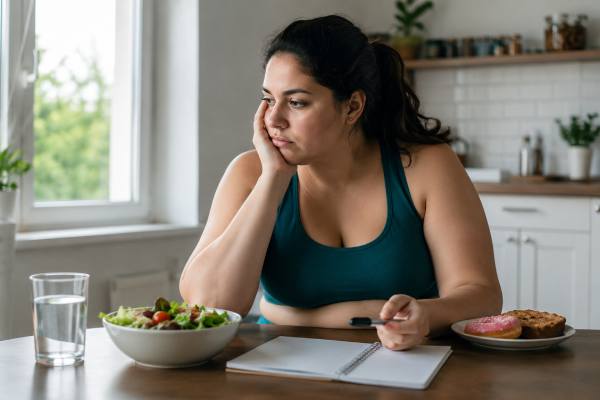
Eating healthy can still feel frustrating when your weight keeps climbing, your waist changes first, or the scale does not respond the way you expect. With PCOS, that frustration is common because the condition affects more than food choices. It can influence insulin levels, appetite signals, androgen hormones, menstrual-cycle patterns, sleep, energy, and how easily small changes in intake or activity add up over time.
That does not mean weight gain is inevitable, and it does not mean your efforts are pointless. It means that “healthy eating” may need to be more specific, consistent, and medically supported than it would be for someone without PCOS. Understanding why PCOS can make weight management harder is the first step toward making a plan that is fair to your body and realistic for daily life.
Table of Contents
- Can PCOS Cause Weight Gain?
- Why Healthy Eating May Not Be Enough
- How PCOS Changes Hunger and Fat Storage
- Signs PCOS May Be Affecting Your Weight
- What to Check With Your Doctor
- How to Eat Healthy for PCOS Weight Loss
- Exercise, Sleep and Stress Matter Too
- When Medical Treatment May Help
Can PCOS Cause Weight Gain?
Yes, PCOS can contribute to weight gain even when your diet looks healthy. The key point is that PCOS does not cancel out energy balance, but it can change the conditions that shape hunger, cravings, insulin levels, fat distribution, fatigue, and how hard it feels to maintain a consistent calorie deficit.
PCOS is a hormonal and metabolic condition. It is often linked with higher androgen levels, irregular ovulation, insulin resistance, and a higher risk of type 2 diabetes and cardiovascular risk factors. For many people, the most noticeable weight change is not just “more weight,” but more weight around the abdomen. That pattern can be especially discouraging because it may happen despite eating more vegetables, cutting back on sweets, or choosing foods that are generally considered healthy.
It helps to separate two ideas that are often confused:
- PCOS can make weight gain easier. Insulin resistance, appetite changes, disrupted sleep, fatigue, and menstrual irregularity can all make daily weight control harder.
- PCOS does not make fat loss impossible. Many people with PCOS lose weight and improve symptoms with the right combination of nutrition, movement, sleep, stress management, and medical care when needed.
The problem is that “I eat healthy” can mean many different things. A diet can be nutritious and still be too high in calories for fat loss. It can also be too low in protein, too low in fiber, too irregular, or too restrictive to manage hunger well. Someone may eat mostly whole foods but still struggle if meals are spaced too far apart, snacks are unplanned, portions have gradually increased, or fatigue has lowered daily movement.
PCOS can also make normal water-weight changes feel like fat gain. Irregular cycles, higher insulin levels, constipation, sodium changes, carbohydrate changes, hard workouts, and poor sleep can all affect scale weight. A sudden increase over a few days is often water, glycogen, or digestion rather than new body fat.
The most useful framing is not “PCOS made me gain weight no matter what I do.” It is “PCOS may raise the difficulty level, so my plan needs to account for insulin resistance, hunger, movement, recovery, and medical factors.” That shift matters because it keeps the focus on practical adjustments instead of blame.
Why Healthy Eating May Not Be Enough
Healthy eating is important for PCOS, but it is not always specific enough to create weight loss. A PCOS-friendly plan usually needs to support blood sugar, fullness, muscle retention, appetite control, and a sustainable calorie deficit.
One reason is insulin resistance. Insulin helps move glucose from the bloodstream into cells. When cells do not respond well to insulin, the body often produces more of it. Higher insulin levels are associated with easier fat storage, stronger hunger in some people, and more difficulty using stored energy between meals. This is why PCOS-related insulin resistance is often central to the weight conversation.
Another reason is that healthy foods still vary widely in calorie density. Olive oil, nuts, avocado, granola, smoothies, dried fruit, cheese, whole-grain bread, and “clean” snack bars can all fit into a healthy pattern. They can also make it easy to overshoot energy needs if portions are not aligned with your goals. This is not a reason to fear these foods. It is a reason to build meals with enough protein, fiber, and volume so portions feel satisfying.
A third issue is consistency. PCOS symptoms can make consistency harder. Fatigue may reduce steps and workouts. Cravings may rise after poor sleep. Long gaps between meals may trigger intense evening hunger. Stress can increase snacking or make meal planning feel impossible. If healthy eating happens most weekdays but weekends, late nights, or busy workdays regularly erase the deficit, weight loss may stall.
There is also a gap between food quality and metabolic response. Two people may eat the same meal and have different hunger, blood sugar, and energy responses. With PCOS, meals that are mostly refined carbohydrates and low in protein may leave some people hungry sooner, even if the foods are not “bad.” A more useful approach is to ask: does this meal keep me full, stable, energized, and able to make the next choice calmly?
| Pattern | Why it can happen | Practical adjustment |
|---|---|---|
| Healthy meals but frequent hunger | Meals may be low in protein, fiber, or volume | Add lean protein, beans, vegetables, fruit, or high-fiber starches |
| Nutritious foods but no deficit | Energy-dense portions can add up | Measure oils, nuts, dressings, smoothies, and snack portions for a short reset |
| Good weekdays, difficult evenings | Under-eating earlier can increase night hunger | Plan a filling breakfast or lunch and a structured afternoon snack |
| Scale jumps after “doing well” | Water retention, constipation, sodium, or cycle changes | Track trends over several weeks, not single weigh-ins |
| Low energy and fewer steps | Fatigue, poor sleep, or stress may lower daily movement | Use short walks, strength training, and realistic step targets |
This is why PCOS weight management often works better when it moves from vague “healthy eating” to a structured but flexible plan. For example, a meal can include protein, high-fiber carbohydrates, colorful produce, and a measured amount of fat. That pattern is still healthy, but it is also more targeted for fullness and insulin resistance.
How PCOS Changes Hunger and Fat Storage
PCOS can affect weight through several overlapping pathways, especially insulin resistance, androgen levels, appetite regulation, inflammation, and sleep quality. These pathways do not affect everyone the same way, which is why PCOS weight gain can look different from person to person.
Insulin resistance is one of the most important mechanisms. When the body needs more insulin to manage blood sugar, it can become harder to go long periods without hunger or cravings. Some people notice they feel shaky, irritable, tired, or intensely hungry after high-carbohydrate meals that do not include enough protein or fiber. Others mainly notice abdominal weight gain or difficulty losing weight despite consistent effort.
Higher androgen levels can also influence body composition and fat distribution. Androgens are sometimes described as “male-type” hormones, but everyone has them. In PCOS, higher androgen activity can contribute to acne, excess facial or body hair, scalp hair thinning, irregular periods, and central fat gain. Central fat can then worsen insulin resistance, creating a cycle that feels difficult to interrupt.
Appetite regulation may also be affected. Some people with PCOS experience stronger cravings, less stable fullness, or more “food noise,” especially when sleep is poor or meals are inconsistent. This does not mean cravings are a character flaw. It means the plan may need more structure: enough food earlier in the day, protein at meals, high-fiber carbohydrates, and planned snacks instead of relying on willpower at the hardest time of day.
Inflammation and stress physiology can add another layer. PCOS is associated with higher metabolic risk, and many people also live with stress from symptoms, fertility concerns, body image pressure, or feeling dismissed by clinicians. Stress does not magically create fat from nothing, but it can affect sleep, appetite, cravings, glucose regulation, and daily choices.
Sleep matters more than many people expect. Poor sleep can make hunger feel louder, reduce impulse control, lower workout performance, and increase cravings for quick energy. If PCOS is also linked with snoring or sleep apnea, daytime fatigue can reduce daily movement and make weight loss harder. That is one reason broader lifestyle care matters, not just meal plans.
For a deeper look at a related metabolic pattern, weight loss with insulin resistance often requires the same core principles: protein, fiber, strength training, daily movement, sleep support, and medical monitoring when needed.
None of these mechanisms mean your body is broken. They mean the body is responding to a more complicated hormonal environment. The goal is to reduce the friction: fewer big glucose swings, better fullness, more muscle-supporting habits, and medical help when symptoms or lab results suggest you need it.
Signs PCOS May Be Affecting Your Weight
PCOS may be playing a role when weight gain appears alongside irregular periods, acne, unwanted hair growth, belly-focused weight changes, strong cravings, or signs of insulin resistance. These clues are not a diagnosis by themselves, but they can help you decide when to seek evaluation.
Common signs that weight changes may be connected to PCOS include:
- Periods that are irregular, very far apart, unpredictable, or absent
- New or worsening acne, especially around the jawline
- Excess facial or body hair growth
- Thinning hair on the scalp
- Weight gain that is concentrated around the waist
- Strong cravings, especially for sweet or starchy foods
- Fatigue after meals or energy crashes
- Darker, velvety skin patches around the neck, underarms, or skin folds
- Difficulty losing weight despite consistent nutrition and movement
- A family history of PCOS, type 2 diabetes, insulin resistance, or metabolic syndrome
It is also important to consider what else may be going on. Not every case of weight gain in someone with PCOS is caused by PCOS. Thyroid disease, Cushing syndrome, depression, binge eating disorder, sleep apnea, pregnancy, perimenopause, fluid retention, and medications can all affect weight. Steroids, some antidepressants, antipsychotics, certain diabetes medicines, beta blockers, and some seizure or nerve-pain medicines may contribute in some people.
That is why it can be helpful to learn the broader signs of hormonal weight gain without assuming hormones explain everything. The goal is not to prove that calories do not matter. The goal is to identify whether a medical barrier is making ordinary weight-loss advice incomplete.
Seek medical advice promptly if weight gain is rapid, unexplained, or paired with symptoms such as severe fatigue, new purple stretch marks, easy bruising, muscle weakness, swelling, shortness of breath, excessive thirst, frequent urination, severe pelvic pain, very heavy bleeding, or a positive pregnancy test. These symptoms may point to issues that need more urgent assessment than routine weight-loss troubleshooting.
It is also worth getting help if weight concerns are leading to binge-restrict cycles, obsessive tracking, purging, laxative use, or fear of normal eating. PCOS can already be emotionally heavy. A weight-loss plan should not make your relationship with food or your body more unstable.
What to Check With Your Doctor
If you suspect PCOS is affecting your weight, a clinician can help confirm the diagnosis, assess metabolic risk, and rule out other causes. This is especially important if you have irregular periods, fertility concerns, rapid weight changes, or symptoms of high androgens.
PCOS is usually diagnosed based on a pattern of symptoms and testing, not one single lab result. A clinician may assess menstrual history, signs of high androgens, blood androgen levels, and sometimes ovarian appearance on ultrasound. Other conditions may need to be excluded because thyroid disease, high prolactin, adrenal conditions, and other hormone disorders can mimic parts of PCOS.
Useful topics to discuss include:
- How often you get periods and whether they are heavy, painful, or absent
- Acne, hair growth, scalp hair thinning, and skin changes
- Weight history, waist changes, and family history of diabetes
- Pregnancy plans or contraception needs
- Current medications and supplements
- Sleep quality, snoring, daytime sleepiness, and fatigue
- Eating patterns, binge episodes, or restrictive dieting history
- Blood pressure, cholesterol, glucose, and diabetes risk
Common testing may include A1C, fasting glucose, lipid panel, blood pressure, thyroid-stimulating hormone, prolactin, and androgen-related labs when appropriate. Some clinicians may recommend an oral glucose tolerance test, especially when diabetes risk is higher. The right testing depends on your symptoms, age, medical history, and whether you are trying to conceive.
If you feel unsure what to ask for, a guide to blood tests when you can’t lose weight can help you prepare for a focused appointment. Bring a short record of your cycle dates, weight trend, symptoms, current medications, typical meals, and exercise pattern. This makes the conversation more concrete and reduces the chance that the appointment becomes only “eat less and move more.”
You should also discuss endometrial protection if your periods are very infrequent. Going long stretches without bleeding can matter for uterine lining health. Treatment may involve hormonal contraception or other approaches depending on your goals and medical history.
If your concerns are dismissed, it is reasonable to seek a second opinion from a clinician familiar with PCOS, such as a gynecologist, endocrinologist, reproductive endocrinologist, or obesity-medicine specialist. A good care plan should address symptoms, metabolic health, fertility goals if relevant, and quality of life—not weight alone.
How to Eat Healthy for PCOS Weight Loss
For PCOS, healthy eating works best when it is filling, blood-sugar-friendly, and realistic enough to repeat. The goal is not the strictest diet; it is a pattern that helps you maintain a modest calorie deficit without constant hunger or rebound overeating.
A strong starting point is to build most meals around protein, fiber-rich carbohydrates, non-starchy vegetables or fruit, and a measured amount of fat. This keeps the plan balanced while reducing the blood sugar swings and hunger that can make PCOS weight loss harder.
A simple PCOS-friendly plate might include:
- Protein: eggs, Greek yogurt, cottage cheese, tofu, tempeh, fish, chicken, turkey, lean meat, lentils, beans, or protein powder if useful
- High-fiber carbohydrate: oats, beans, lentils, quinoa, barley, potatoes with skin, fruit, whole-grain bread, brown rice, or starchy vegetables
- Produce: leafy greens, broccoli, peppers, tomatoes, berries, apples, citrus, mushrooms, zucchini, carrots, or mixed salad
- Fat: olive oil, avocado, nuts, seeds, nut butter, cheese, or fatty fish, with portions kept intentional
This does not require a very low-carb diet. Some people with PCOS feel better with fewer refined carbohydrates and more protein, but many do well with moderate amounts of high-fiber carbs. The most important question is whether your meals help you feel full and steady while fitting your calorie needs.
Protein is especially useful because it supports fullness and helps preserve lean mass during weight loss. Fiber matters because it slows digestion, supports gut health, and makes meals more satisfying. If you need a structured starting point, a high-protein, high-fiber meal plan can be easier to follow than trying to improvise every meal from scratch.
PCOS nutrition often improves when you reduce the “invisible extras” without becoming obsessive. Examples include large pours of oil, frequent handfuls of nuts, high-calorie coffee drinks, oversized smoothies, grazing while cooking, and bites of leftovers. These can fit into a healthy diet, but they can also quietly erase a deficit.
A practical reset can be helpful for two to four weeks:
- Choose a consistent breakfast with at least 25–35 grams of protein.
- Build lunch and dinner with protein, vegetables or fruit, and a high-fiber carbohydrate.
- Plan one or two snacks instead of grazing.
- Measure calorie-dense extras such as oils, dressings, nuts, nut butter, and cheese.
- Track weight trends, hunger, energy, and cycle timing rather than judging single scale changes.
The best diet for PCOS is not identical for everyone. Some people prefer Mediterranean-style meals, some do well with lower-glycemic eating, some like higher-protein meal prep, and some need culturally familiar meals adjusted for portions and protein. For more specific meal-pattern ideas, diet strategies for PCOS weight loss can help you compare options without defaulting to extremes.
Be cautious with any plan that promises to “balance hormones” by cutting out entire food groups without a medical reason. Gluten-free, dairy-free, keto, fasting, or no-sugar plans are not automatically necessary for PCOS. They may help some people if they improve appetite control and calorie consistency, but they can backfire if they increase cravings, social stress, or binge-restrict cycles.
Exercise, Sleep and Stress Matter Too
With PCOS, exercise is not just for burning calories. It can improve insulin sensitivity, support muscle, help regulate appetite, reduce stress, and make weight maintenance easier.
The most useful exercise plan combines strength training, regular walking or other cardio, and less sitting. Strength training is especially valuable because muscle is metabolically active tissue and helps the body handle glucose better. You do not need an advanced gym plan. Two to four sessions per week using machines, dumbbells, resistance bands, or bodyweight movements can be enough to start.
Cardio also helps. Brisk walking, cycling, swimming, incline treadmill walking, dancing, rowing, and low-impact intervals can all work. The best option is the one you can repeat without pain or dread. If PCOS-related fatigue is high, start with short sessions. Ten minutes after meals can still support glucose control and build momentum.
A practical weekly plan might look like this:
- Two or three full-body strength sessions
- Two or three moderate cardio sessions
- Short walks after meals when possible
- A daily step target that feels challenging but realistic
- At least one easier recovery day
For more targeted training ideas, exercise for PCOS weight loss can help you build a plan around strength, cardio, and consistency.
Sleep is another major lever. Poor sleep can increase hunger, cravings, fatigue, and emotional eating. It can also make workouts feel harder and reduce daily movement. Aim for a consistent sleep schedule when possible, a wind-down routine, and a sleep environment that is dark, cool, and quiet. If you snore, wake up gasping, have morning headaches, or feel sleepy despite enough time in bed, ask about sleep apnea screening.
Stress management matters because it supports consistency. Stress does not mean you are failing; it means your plan needs fewer fragile steps. Meal prep, simple repeat meals, grocery shortcuts, planned snacks, and short walks can all reduce decision fatigue. Building weight-loss habits that stick is often more effective than repeatedly starting intense plans that collapse when life gets busy.
It is also worth tracking progress beyond the scale. PCOS can involve water retention and cycle irregularity, so the scale may be noisy. Use several markers:
- Waist measurement
- Progress photos if they feel emotionally safe
- Clothing fit
- Energy and cravings
- Strength improvements
- Step consistency
- Period regularity
- Lab markers such as A1C, glucose, lipids, or blood pressure
These markers do not replace weight trends, but they give a more complete picture. If your waist is shrinking, strength is improving, and labs are moving in the right direction, progress may be happening even during scale plateaus.
When Medical Treatment May Help
Medical treatment may help when PCOS symptoms, insulin resistance, weight gain, or metabolic risk remain difficult despite consistent lifestyle changes. Medication is not a shortcut or a personal failure; for some people, it is part of treating the condition.
Treatment depends on your symptoms and goals. If irregular periods, acne, or excess hair growth are major concerns, hormonal contraception or anti-androgen medication may be discussed. If insulin resistance, prediabetes, or metabolic risk is present, metformin may be considered. If weight-related health risks are significant, anti-obesity medications may be an option for people who meet prescribing criteria. If fertility is the main goal, treatment may focus on ovulation and reproductive planning.
Metformin is commonly used in PCOS, especially when insulin resistance or glucose concerns are present. It may help with metabolic markers and sometimes modest weight changes, though responses vary. It can cause digestive side effects, so dosing and timing matter. It is not the right choice for everyone, and it should be discussed with a clinician who knows your kidney function, pregnancy plans, and medication history.
GLP-1 and related weight-loss medications may be considered for some people with PCOS who meet criteria for obesity treatment. These medications can reduce appetite and improve weight-related metabolic risk, but they also have side effects, cost and access issues, and pregnancy-related considerations. They should be prescribed and monitored by a qualified clinician. They are not a substitute for protein intake, strength training, and long-term maintenance planning.
Supplements are more complicated. Inositol, vitamin D when deficient, omega-3s, and fiber supplements are commonly discussed, but supplement quality and evidence vary. Avoid products that promise rapid hormone correction, “PCOS detox,” or effortless fat loss. Be especially careful with stimulant fat burners, high-dose herbal blends, or supplements that may interact with medications.
It is reasonable to ask about medical treatment if:
- Your periods are very irregular or absent
- You have signs of insulin resistance or prediabetes
- Weight is increasing despite consistent, well-structured habits
- Cravings or appetite feel unmanageable
- You have high blood pressure, abnormal cholesterol, fatty liver, or sleep apnea risk
- PCOS symptoms are affecting your quality of life
- You are trying to conceive or planning pregnancy
- You suspect a medication is contributing to weight gain
If you are unsure whether your weight change needs evaluation, when to see a doctor about weight gain can help you decide what is routine and what deserves faster attention.
The most effective care usually combines lifestyle support with medical assessment, not one or the other. PCOS is long-term, so the plan should be long-term too: enough structure to work, enough flexibility to live with, and enough medical support to address the parts that food and exercise alone cannot fix.
References
- International Evidence-based Guideline for the assessment and management of polycystic ovary syndrome 2023 (Guideline)
- Polycystic ovary syndrome 2026 (Fact Sheet)
- Diabetes and Polycystic Ovary Syndrome (PCOS) 2024 (Government Health Resource)
- Lifestyle management in polycystic ovary syndrome – beyond diet and physical activity 2023 (Review)
- Ranking the dietary interventions by their effectiveness in the management of polycystic ovary syndrome: a systematic review and network meta-analysis 2024 (Systematic Review and Network Meta-analysis)
- Impact of metformin on the clinical and metabolic parameters of women with polycystic ovary syndrome: a systematic review and meta-analysis of randomised controlled trials 2022 (Systematic Review and Meta-analysis)
Disclaimer
This article is for general educational purposes only and is not a substitute for professional medical advice, diagnosis, or treatment. If you have PCOS, irregular periods, rapid weight gain, fertility concerns, symptoms of insulin resistance, or questions about medications or supplements, speak with a qualified healthcare professional for personalized guidance.
If you found this helpful, consider sharing it on Facebook, X, or your preferred platform so others managing PCOS can better understand why weight changes are not always as simple as “just eat healthy.”