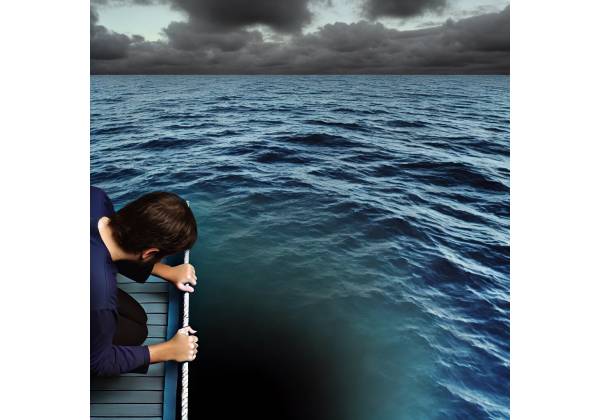
Anthropophobia is commonly described as an intense fear of people. For some, that fear appears in crowded places. For others, it begins the moment another person looks at them, speaks to them, or comes too close. The experience can feel deeply personal and hard to explain, because the threat is not always a specific event. It is the presence of people themselves, and the fear of what contact with them might bring.
Although the term is not always used as a formal stand-alone diagnosis in modern clinical practice, the distress behind it can be very real. Anthropophobia may overlap with social anxiety, specific phobia, trauma-related avoidance, or a culturally shaped fear pattern such as taijin kyofusho. Understanding those overlaps helps people seek the right kind of care, rather than dismissing the problem as simple shyness or introversion.
Table of Contents
- What Anthropophobia Means
- Symptoms and Warning Signs
- Causes and Risk Factors
- How Clinicians Evaluate It
- Daily Life and Complications
- Treatment and Recovery
- Management and When to Seek Help
What Anthropophobia Means
Anthropophobia is usually understood as a marked fear of people or human contact. The fear can involve strangers, groups, authority figures, or sometimes even familiar people. What makes it clinically important is not simple discomfort, reserve, or a preference for solitude. It is the intensity of the fear, the body’s alarm response, and the way the person starts to reorganize life around avoidance.
The word itself is often used broadly, which is why it can be confusing. One person may use it to mean fear of being judged. Another may mean fear of being seen, watched, touched, criticized, or emotionally overwhelmed by other people. In some cases, the person is not mainly afraid of conversation or performance. They are afraid of the human presence itself, especially when that presence feels unpredictable, intrusive, or dangerous.
In practice, anthropophobia often overlaps with other recognized conditions, including:
- social anxiety disorder
- specific phobia
- trauma-related avoidance
- panic symptoms triggered by proximity to others
- severe rejection sensitivity
There is also an important cultural angle. In some discussions, anthropophobia is linked with taijin kyofusho, a form of interpersonal fear in which a person may worry that they will offend, embarrass, or disturb others through some aspect of themselves. That pattern is not identical to every modern use of the word anthropophobia, but it shows that fear of people is not always just fear of public speaking or social embarrassment. It can be tied to shame, bodily awareness, eye contact, perceived flaws, and intense self-consciousness.
This is why anthropophobia should not be reduced to “being bad with people.” Many people with this fear want connection. They may want friends, work opportunities, relationships, or ordinary freedom in public spaces. The problem is that their nervous system reacts to human contact as though it carries immediate risk.
Common feared situations may include:
- walking past strangers
- making eye contact
- standing in line near other people
- entering classrooms, offices, or waiting rooms
- speaking to shop staff
- using public transport
- attending meetings or family gatherings
The label matters less than the pattern. If fear of people leads to dread, panic, avoidance, or shrinking independence, it deserves serious attention. The most useful approach is to understand what the fear is protecting against and how that pattern can be changed.
Symptoms and Warning Signs
The symptoms of anthropophobia usually appear in a repeating loop of anticipation, alarm, and avoidance. The person first expects discomfort or danger around other people. The body then reacts with anxiety symptoms. Finally, the person escapes, withdraws, or limits contact. That sequence can happen in seconds, and after enough repetition it starts to feel automatic.
Physical symptoms often resemble a classic fear response. A person may experience:
- rapid heartbeat
- sweating
- trembling
- flushing
- nausea
- chest tightness
- dizziness
- dry mouth
- stomach pain
- shortness of breath
These symptoms can begin before contact happens. Some people feel distressed while getting ready to leave the house, approaching a building, or hearing footsteps nearby. This anticipatory anxiety is a major reason anthropophobia can become disabling. The person is not only reacting to people. They are reacting to the prospect of people.
Mental symptoms tend to revolve around threat predictions. Common thoughts include:
- “They will notice something wrong with me.”
- “I will panic if someone speaks to me.”
- “I cannot handle being watched.”
- “If I make eye contact, something bad will happen.”
- “People are dangerous, critical, or overwhelming.”
For some, the fear is tied to evaluation. For others, it is more visceral and less verbal. They simply feel unsafe in human proximity, even when they know the situation is ordinary. That mismatch between rational awareness and bodily fear is common in phobic conditions.
Behavioral signs are often the clearest warning signs. A person may:
- avoid eye contact
- cross the street to avoid passing people
- choose times and routes with fewer people around
- stay silent to avoid interaction
- refuse invitations
- use delivery services to avoid public contact
- leave places quickly if they become crowded
- depend on one trusted person to manage necessary outings
There may also be subtle safety behaviors. These are actions meant to lower anxiety without directly confronting the fear. Examples include wearing headphones to block engagement, staring at a phone to avoid contact, rehearsing short replies, keeping a physical barrier between oneself and others, or sitting only near exits. These habits may feel protective, but they can teach the brain that contact is still too dangerous to face directly.
A useful warning sign is whether daily life is getting smaller. If the person is avoiding more places, needing more preparation, or feeling trapped in simple human interaction, the pattern is likely becoming clinically significant. Anthropophobia may look quiet from the outside, but internally it can be exhausting and relentless.
Causes and Risk Factors
Anthropophobia rarely has one simple cause. It usually develops through a combination of personal vulnerability, learning history, stressful experiences, and repeated avoidance. The brain starts associating people with danger, and over time that association grows stronger.
One common pathway begins with painful social experience. A child or adult may be mocked, bullied, physically intimidated, publicly embarrassed, rejected, or emotionally controlled. In those situations, the lesson the brain learns is not only “that person was unsafe.” It may become “people are unsafe.” Once that generalization takes hold, the fear spreads beyond the original setting.
Experiences that may contribute include:
- bullying or exclusion
- humiliating school or workplace incidents
- emotionally abusive relationships
- physical assault or threat
- chronic criticism from caregivers
- repeated experiences of ridicule, staring, or unwanted attention
Temperament also matters. People who are naturally more sensitive, vigilant, cautious, or easily overwhelmed may react more strongly to interpersonal stress. That does not mean sensitivity causes anthropophobia by itself. It means the nervous system may register social threat more quickly and recover more slowly after it.
Several psychological risk factors can increase vulnerability:
- social anxiety
- panic attacks
- trauma history
- low self-esteem
- perfectionism
- rejection sensitivity
- high general anxiety
- depression
In some people, anthropophobia is closely tied to body-based fear. They may fear blushing, shaking, freezing, or “looking strange” in front of others. In others, the fear is more relational. They expect attack, criticism, disgust, or invasion of personal boundaries. The meaning of the feared encounter is important because it shapes treatment.
Learning theory helps explain why the problem persists. When avoidance brings relief, the brain reads that relief as evidence that the danger was real. If someone skips a meeting and immediately feels calmer, the nervous system may conclude that the meeting was genuinely unsafe. That makes future avoidance more likely. Over time, even low-risk contact can trigger a strong fear response.
Modern environments can add pressure. Constant exposure to crowded spaces, surveillance, online judgment, and rapid social comparison may increase the emotional weight of human contact, especially for someone already primed to expect threat. Isolation after stressful events can also make re-entry harder. The less a person practices safe contact, the more unfamiliar and intense it may feel.
Family patterns can play a role too. Overprotection, high criticism, or limited support for emotional expression may shape how a person handles fear. Some learn to withdraw. Others learn to become invisible. These responses can reduce short-term pain, but they also reduce chances to build confidence in real human situations.
Understanding these causes is not about tracing every detail to one moment. It is about identifying the combination of factors that taught the brain to fear people, so those patterns can be addressed in treatment.
How Clinicians Evaluate It
Anthropophobia is evaluated through a detailed clinical assessment rather than a single test. A mental health professional will usually ask what kinds of people are feared, what the person expects will happen, how the body reacts, how long the pattern has lasted, and how much it interferes with daily life. The point is not only to decide whether the fear is severe. It is to understand which established diagnostic framework fits best.
This matters because anthropophobia is often used as a descriptive term, not always as a standard stand-alone diagnosis. A clinician may find that the person’s symptoms fit best with:
- social anxiety disorder
- specific phobia
- post-traumatic stress disorder
- panic disorder with situational triggers
- avoidant personality traits
- depression with severe social withdrawal
A careful interview often explores several questions:
- Is the fear about people themselves, or about judgment, humiliation, or scrutiny?
- Does the fear happen with strangers, crowds, familiar people, or almost everyone?
- Are panic symptoms present?
- Is the pattern linked to trauma or a specific past event?
- How much avoidance has developed?
- What is the effect on work, education, relationships, and basic tasks?
The clinician also looks at duration and impairment. A brief increase in fear after a stressful event may not meet criteria for a disorder. A persistent pattern lasting months, causing clear distress and reducing normal functioning, is much more significant.
Medical causes may need review when symptoms are intense or atypical. Thyroid disease, stimulant use, certain heart rhythm problems, vestibular disorders, substance withdrawal, and sleep deprivation can all worsen anxiety symptoms. Good assessment separates a fear disorder from a medical problem that may be adding to the picture.
The evaluation also examines safety behaviors and avoidance, because these often reveal the true severity of the problem. Someone may say, “I can still go out,” but if they only do so at quiet hours, with headphones on, after extensive preparation, and only when escape is easy, the functional burden is clearly higher than it appears.
In some cases, clinicians use symptom scales for social anxiety, panic, depression, trauma symptoms, or general distress. These tools can help measure severity and track improvement, but they are not a substitute for skilled interviewing.
A good assessment is precise rather than rushed. It asks not only, “Are you afraid of people?” but also, “What do people represent to you, what do you think will happen near them, and what has this fear cost you?” Those answers often determine whether treatment should focus on social evaluation, phobic avoidance, trauma-related fear, or a combination of all three.
Daily Life and Complications
Anthropophobia can affect far more than social comfort. Because human contact is woven into ordinary life, fear of people can interfere with basic functioning in ways that are easy to underestimate. Work, study, travel, health care, shopping, and relationships all involve some degree of contact, even when the interaction is brief.
At first, the impact may seem manageable. A person avoids crowded shops, skips optional gatherings, or keeps conversations as short as possible. Over time, however, the avoidance often expands. The person may start choosing routes with fewer pedestrians, declining job opportunities, postponing appointments, or relying heavily on online services. What began as discomfort can slowly become restriction.
Common daily effects include:
- difficulty attending school, work, or interviews
- reduced participation in meetings or class discussions
- avoidance of public transport and busy spaces
- reluctance to seek medical or dental care
- dependence on family members for errands
- strained friendships and romantic relationships
- loss of confidence and increased loneliness
The emotional cost is often heavy. Many people with anthropophobia feel ashamed because they know others may not understand the fear. They may worry they seem rude, weak, distant, or strange. This shame can deepen isolation. The person not only fears people, but also feels embarrassed about fearing them.
There can also be practical complications. Missed appointments may delay treatment for other health problems. Work performance may suffer when the person avoids collaboration, feedback, or visibility. Financial stress can grow if employment choices narrow. When the fear becomes severe, even routine tasks such as buying food or collecting medication may start to feel unmanageable.
Secondary mental health problems are also common. A person living with chronic fear and avoidance may develop:
- depression
- sleep disruption
- panic attacks
- increased substance use
- hopelessness
- irritability
- emotional numbness
In some cases, the person becomes functionally isolated. They are not fully housebound in the classic agoraphobic sense, but their world becomes so narrowed that independence is seriously affected. Digital life may expand while real-world participation shrinks. Although technology can help people cope, it can also make avoidance easier to maintain.
A helpful way to judge severity is to ask whether the fear is making life smaller than it needs to be. If someone is avoiding opportunities, relationships, movement, or essential care because contact feels unbearable, the condition is already having a meaningful impact. This is important because people often delay seeking help until the problem becomes severe. In reality, earlier treatment usually makes recovery smoother and more effective.
Treatment and Recovery
Treatment for anthropophobia depends on what is driving the fear, but the general goals are consistent: reduce avoidance, change threat expectations, and help the nervous system relearn that human contact can be tolerated without catastrophe. For many people, cognitive behavioral therapy is a core part of treatment.
A structured treatment plan often includes:
- education about anxiety and fear conditioning
- identification of triggers and safety behaviors
- work on catastrophic beliefs about people
- gradual exposure to feared situations
- skills for tolerating physical anxiety symptoms
- treatment of related depression, trauma, or panic symptoms
Exposure is often central. This means entering feared situations in a careful, graded way rather than waiting until fear disappears first. The steps are usually small and repeated. A person might begin by standing briefly near one stranger in a quiet place, then asking a simple question in a shop, then using public transport for a short distance, and later attending a low-pressure group setting. The aim is not to flood the person with distress. It is to build new learning through manageable repetition.
Cognitive work helps challenge beliefs such as:
- “All people are dangerous.”
- “I cannot cope if someone notices me.”
- “If I panic in public, I will collapse.”
- “Being near others means I will be judged, trapped, or harmed.”
These beliefs are not argued away in the abstract. They are tested in real situations, where the person gradually discovers that fear and danger are not the same thing.
When the presentation overlaps strongly with social anxiety, treatment may also address fear of negative evaluation, shame, self-focused attention, and post-event rumination. If trauma plays a major role, therapy may need a trauma-informed approach so that exposure is paced safely and does not become overwhelming.
Medication can be useful in some cases, especially when anxiety is severe, persistent, or accompanied by depression or panic disorder. Selective serotonin reuptake inhibitors are commonly used for anxiety conditions. Some people also benefit from serotonin-norepinephrine reuptake inhibitors. Medication is usually not a complete solution by itself, but it can reduce background anxiety enough to make therapy easier to engage with.
Short-acting calming medicines may sometimes be used carefully, but they are not usually the best long-term strategy for phobic fear. If relied on too heavily, they can reinforce the belief that the person cannot cope without external rescue.
Recovery is rarely linear. Some steps will feel easier than others. Setbacks are common, especially during stress, illness, sleep disruption, or major life change. Progress is better measured by function than by perfect calm. Being able to speak briefly with a stranger while still feeling anxious is progress. Going to an appointment alone after months of avoidance is major progress. Recovery means a wider life and a steadier relationship with fear, not the complete absence of discomfort.
Management and When to Seek Help
Self-management is most helpful when it supports treatment instead of replacing it. The goal is not to force yourself into overwhelming situations without preparation. It is to reduce avoidance gradually and build confidence through repeated, realistic steps.
A practical management plan often includes:
- keeping a regular sleep schedule
- limiting caffeine or stimulants if they intensify symptoms
- tracking triggers and avoidance patterns
- setting one small interpersonal goal at a time
- reducing reliance on safety behaviors
- practicing breathing or grounding skills without using them as an escape ritual
- noticing progress in terms of action, not comfort alone
One useful approach is graded exposure. For example:
- stand briefly in a place where one or two people are present
- remain there until the first wave of anxiety settles
- repeat the same step several times
- add one short interaction, such as asking for directions
- increase duration or complexity slowly
- review what happened rather than what was feared
This kind of practice helps the brain update its predictions. It learns that fear can rise without requiring escape, and that human contact is not always as threatening as expected.
It also helps to watch for habits that quietly maintain the problem. These may include constant scanning for other people, leaving too quickly, avoiding eye contact in every setting, relying on one “safe” person for all outings, or mentally replaying every interaction for hours afterward. Reducing these patterns is often part of real recovery.
Professional help should be sought when:
- fear of people is interfering with work, school, or daily tasks
- you avoid routine contact because it feels unbearable
- anxiety around others is getting worse rather than better
- you are becoming isolated or dependent on others to function
- panic attacks, depression, or substance use are becoming part of the pattern
- shame or hopelessness is making you withdraw further
Urgent help is needed if you have thoughts of self-harm or suicide, if you feel unable to care for basic needs, or if sudden physical symptoms could reflect a medical emergency rather than anxiety.
The outlook is often more hopeful than people assume. Many people improve with evidence-based therapy, medication when needed, and steady practice outside sessions. Even long-standing fear can change. The most important step is recognizing that anthropophobia is not a character flaw. It is a fear pattern, and fear patterns can be treated. The aim is not to become endlessly social. It is to regain freedom, safety, and the ability to move through life without human contact feeling like constant danger.
References
- Anthropophobia (Taijin Kyofusho) beyond the Boundaries of a Culture-Bound Syndrome: A Case Series from India 2022 (Case Series)
- Social Anxiety Disorder – StatPearls – NCBI Bookshelf 2022 (Review)
- Specific Phobia – StatPearls – NCBI Bookshelf 2024 (Review)
- Japanese Society of Anxiety and Related Disorders/Japanese Society of Neuropsychopharmacology: Clinical practice guideline for social anxiety disorder (2021) 2023 (Guideline)
- Psychotherapies for social anxiety disorder in adults: A systematic review and Bayesian network meta-analysis 2025 (Systematic Review)
Disclaimer
This article is for educational purposes only and is not a substitute for medical advice, diagnosis, or treatment. Fear of people can overlap with social anxiety disorder, specific phobia, trauma-related conditions, depression, panic symptoms, and medical problems that can mimic anxiety. A qualified clinician can assess the pattern properly and recommend the safest treatment plan. Seek urgent help right away if you have thoughts of self-harm or suicide, or if physical symptoms could signal a medical emergency.
If this article helped you, please share it on Facebook, X, or another platform that is useful for your audience.