Wiccaphobia is an intense fear of witches, witchcraft, or related symbols and ideas. For some people, the distress is stirred by stories, costumes, rituals, occult imagery, or the thought that harmful supernatural forces are real and near. For others, the fear begins with childhood tales, religious warnings, horror media, or frightening personal experiences and then spreads into everyday life.
The term is commonly used for fear of witches or witchcraft, but it can be misunderstood because it sounds similar to Wicca, a modern religious tradition. In clinical settings, the focus is not on judging beliefs or communities. It is on the person’s fear response, the avoidance that follows it, and the effect on daily functioning. When the fear becomes persistent, disruptive, and difficult to control, it is usually understood within the broader category of specific phobia. That matters because specific phobias are treatable, often with practical, structured approaches.
Table of Contents
- What wiccaphobia means
- Symptoms and signs
- Causes and risk factors
- How diagnosis works
- Daily life and complications
- Treatment options
- Coping and self-help
What wiccaphobia means
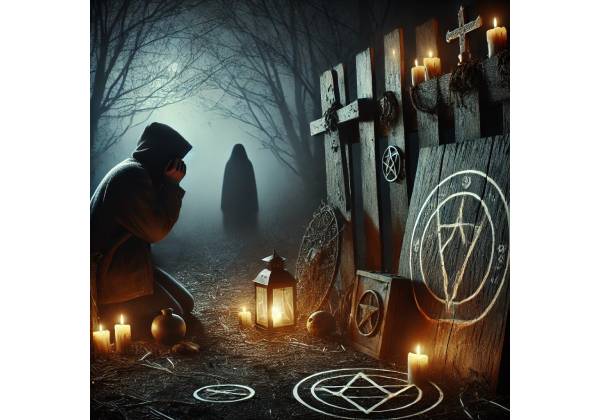
Wiccaphobia refers to a persistent and disproportionate fear of witches, witchcraft, or things associated with them. In practical terms, the trigger may be a person dressed as a witch, a broom or pointed hat, books about spells, ritual objects, pentagrams, candles, occult shops, tarot cards, folklore, or stories about curses and supernatural harm. In some people, the fear is tied to images and symbols. In others, it is tied to beliefs about what witchcraft can do. The common feature is that the fear feels immediate, hard to control, and powerful enough to shape behavior.
It is important to separate this from ordinary dislike, skepticism, or religious disagreement. A person can reject occult ideas, feel uncomfortable with certain spiritual practices, or avoid horror entertainment without having a phobia. Wiccaphobia becomes more likely when the reaction is intense, persistent, and clearly out of proportion to the actual threat in everyday life. Someone may know that a costume, book, or decorative symbol is not dangerous, yet still feel a racing heart, a sense of doom, or a strong urge to leave.
The term also needs careful handling because it can sound like fear of Wicca or of people who identify as Wiccan. A phobia is a mental health pattern, not a justification for hostility or discrimination toward a religion or its followers. In a clinical context, the focus stays on fear, panic, avoidance, and distorted threat perception rather than on endorsing stereotypes about any spiritual group.
Most clinicians would not diagnose wiccaphobia as a separate stand-alone disorder. Instead, they would usually understand it under the broader heading of specific phobia. This means the person fears a specific object, idea, or situation and either avoids it or endures it with intense distress. In some cases, the fear may overlap with broader themes, such as fear of evil, fear of curses, fear of the supernatural, fear of darkness, or fear shaped by trauma and strict belief systems.
Wiccaphobia can begin in childhood or later in life. A child may become frightened by stories, films, or decorations that others find playful. An adult may develop fear after a frightening experience, a period of stress, or repeated exposure to messages that frame witchcraft as dangerous and real in a threatening sense. However it starts, the pattern often becomes self-reinforcing. The person notices a trigger, feels alarm, avoids it, and then interprets the temporary relief as proof that avoidance was necessary. Over time, life can begin to narrow around that cycle.
Symptoms and signs
The symptoms of wiccaphobia usually appear in physical, emotional, and behavioral ways. Physically, the reaction can resemble other anxiety disorders and specific phobias. A person may feel their heart race, chest tighten, stomach drop, hands shake, or breathing become shallow when they see a feared symbol or think about witchcraft. Some people feel dizzy, sweaty, or suddenly cold. In more intense moments, the fear may build into a panic attack, especially if the person feels trapped near the trigger or believes some kind of supernatural danger is present.
Emotionally, wiccaphobia often feels like dread mixed with alarm. A person may feel intense fear, helplessness, disgust, or certainty that something bad is about to happen. The fear may focus on being cursed, controlled, harmed, spiritually contaminated, or drawn into something dangerous. In others, the reaction is less specific but still powerful. They may not be able to explain exactly what they think will happen. They simply know that witches, witchcraft, or related symbols feel threatening.
Behavioral signs often show the problem most clearly. Common patterns include:
- avoiding books, films, games, or media involving witches or spells
- refusing to enter occult shops, costume stores, or seasonal displays
- leaving events early when symbols, rituals, or supernatural themes appear
- avoiding people, places, or communities wrongly associated with witchcraft
- asking family members for repeated reassurance about feared spiritual harm
- scanning rooms for symbols such as candles, pentagrams, altars, or spell items
- refusing Halloween events or themed attractions because witch imagery may appear
- feeling unable to sleep after exposure to a feared story or symbol
Anticipatory anxiety is often a large part of the picture. Many people with wiccaphobia begin feeling distressed before the trigger appears. They may dread a party, film, bookstore, or seasonal event because they suspect witch-related material will be present. The person can become highly vigilant, watching for clues and planning escape routes in advance. This anticipation often makes the fear larger than any one moment of exposure.
Children may show the fear differently. A child might cling to caregivers, refuse bedtime, insist on keeping lights on, avoid certain cartoons or storybooks, or become distressed by school decorations. Adults may be more likely to hide the fear because they worry it sounds childish or irrational. Instead of openly naming the problem, they may say they dislike certain themes or prefer not to discuss them, while privately experiencing significant anxiety.
A useful question is whether the fear is shaping everyday decisions. When a person repeatedly changes routes, cancels plans, avoids normal entertainment, or becomes preoccupied with spiritual danger because of witches or witchcraft imagery, the problem has usually moved beyond discomfort and into a clinically meaningful pattern.
Causes and risk factors
Wiccaphobia usually develops through a mix of learning, temperament, culture, and personal experience rather than one single cause. One common pathway is direct conditioning. A person may have had a frightening experience involving witch imagery, occult themes, or a setting that felt spiritually dangerous. For a child, that might be an age-inappropriate horror film, a severe fright during Halloween, or repeated exposure to stories presented as real threats. For an adult, it could involve a stressful period in which spiritual fears took on new intensity.
Another major factor is social and cultural learning. Fear can be shaped by family, peers, religion, media, and community messages. If a child grows up hearing that witches are dangerous, evil, or capable of real harm, those ideas may become emotionally charged long before the child can evaluate them critically. Repeated stories, sermons, movies, online videos, or community warnings can strengthen the sense that witchcraft is not just symbolic or fictional but personally threatening. This does not mean that religion or culture automatically cause phobia. It means emotionally intense messages can become part of the fear system.
Media portrayals can also play a strong role. Witches are often shown as sinister, predatory, or supernatural in ways designed to frighten. For a person who is already anxious, highly imaginative, or sensitive to symbolic threat, those portrayals may leave a deeper mark. Over time, images and stories can fuse with bodily fear responses.
General risk factors for specific phobia may also apply, including:
- an anxious or highly sensitive temperament
- behavioral inhibition in childhood
- a family history of anxiety disorders or phobias
- a tendency to catastrophize or imagine worst-case outcomes
- previous trauma or chronic stress
- difficulty tolerating uncertainty
- strong startle responses
- overlapping panic symptoms or depression
In some people, wiccaphobia is less about witches themselves and more about what they represent. The trigger may stand for evil, corruption, hidden threats, loss of control, forbidden knowledge, or the possibility that unseen forces can influence life. In that sense, the fear may work as a symbolic container for deeper anxieties. This does not make the fear unreal. It helps explain why the person may react strongly even when the immediate trigger is only a picture, word, or costume.
Avoidance is one of the biggest factors that keeps the problem alive. When a person turns off the film, leaves the room, or avoids the store, anxiety drops quickly. That relief is powerful. It teaches the brain that escape was necessary, which makes the trigger seem even more dangerous next time. Over months or years, fear can spread from one narrow cue to many related ones. What starts as fear of witches in horror films may widen into fear of symbols, rituals, certain people, spiritual topics, and even ordinary seasonal décor. That expanding pattern is one reason early recognition matters.
How diagnosis works
Diagnosis begins with a careful clinical history rather than a test or scan. A doctor, psychologist, psychiatrist, or other qualified mental health professional will ask what the person fears, which triggers are involved, how the symptoms show up, how long the pattern has lasted, and how much daily life is being affected. Wiccaphobia is usually not treated as a separate formal diagnosis, so clinicians generally consider whether the pattern fits specific phobia or overlaps with other anxiety-related conditions.
The main issue is not whether the person disapproves of witchcraft or finds certain themes uncomfortable. The question is whether there is a marked and persistent fear response that is out of proportion to the real danger and leads to significant avoidance or distress. A person may understand, at least intellectually, that a costume, symbol, or story cannot directly harm them, yet still react as if immediate threat is present. That mismatch between reasoning and body response is common in specific phobia.
A thorough assessment often covers:
- the exact triggers, such as costumes, symbols, spells, rituals, media, or certain words
- how quickly symptoms rise and how long they last
- whether panic attacks occur
- what situations are avoided or endured with intense distress
- the effect on work, school, social life, parenting, entertainment, and sleep
- any frightening experiences tied to witchcraft themes
- religious or cultural messages that may shape the meaning of the fear
- other mental health symptoms such as depression, trauma symptoms, obsessive thinking, or panic
This last part is important because wiccaphobia can overlap with other conditions. Trauma-related disorders may be relevant if the fear is strongly tied to a disturbing event and brings intrusive memories or nightmares. Panic disorder may fit better if the person has repeated panic attacks not limited to witch-related triggers. Obsessive-compulsive symptoms may be involved if the person is driven by intrusive fears of contamination, evil influence, or ritualized safety behaviors. Delusional beliefs or psychotic disorders would require a very different kind of assessment if the person firmly believes supernatural harm is actively occurring in a way that is not explained by a phobia alone.
Children need developmentally sensitive evaluation. A child may not say, “I fear witchcraft.” Instead, they may refuse decorations, cry at bedtime, avoid certain stories, or become distressed around themed events. The clinician will consider whether the fear is stronger and more persistent than would be expected for the child’s age.
Good diagnosis also includes an ethical distinction: fear symptoms are treated as a mental health issue, but they should not be used to excuse mistreatment of people associated with minority religions or alternative spiritual practices. The clinician’s task is to understand the fear response, not validate stereotypes. That clarity helps keep the assessment both compassionate and accurate.
Daily life and complications
Wiccaphobia can affect daily life in quiet but far-reaching ways. At first, the changes may seem minor. A person may stop watching certain shows, skip themed events, or avoid book sections, costume stores, and Halloween displays. Over time, though, the pattern can spread. The person may change routines, feel unsafe in public during seasonal events, avoid certain conversations, refuse invitations, or become distressed by symbols that appear in ordinary places.
The impact is often strongest in areas where witch imagery is common or unpredictable. That can include autumn decorations, horror media, fantasy entertainment, school activities, costume parties, spiritual shops, online content, or social settings where people discuss tarot, astrology, or ritual practices casually. Someone who fears witchcraft may feel forced to scan their surroundings constantly, which is mentally draining. The result is not only anxiety in the moment, but ongoing vigilance.
Common areas of disruption include:
- social life, especially around parties, holidays, and shared entertainment
- family routines, if children or partners want to take part in themed events
- sleep, particularly after exposure to triggering stories or imagery
- school or work, if seasonal decorations or conversations are hard to avoid
- concentration, because hypervigilance uses a great deal of attention
- relationships, when repeated reassurance or accommodation creates tension
One major complication is overgeneralization. A fear that begins with one type of trigger, such as witches in films, may broaden to other related cues such as candles, black clothing, herbs, moon imagery, or symbolic jewelry. The person’s world becomes more crowded with perceived threat. Another complication is shame. Adults often know that others see these triggers as fictional, playful, or harmless. That can make the person feel embarrassed and less likely to seek help. Children may be misunderstood as dramatic or overreactive when they are actually frightened.
Avoidance can also deepen dependence on others. Someone may need a partner to screen movies, answer the door on Halloween, remove decorations, or reassure them after disturbing content appears. This can strain relationships over time. The person may feel both grateful and humiliated, which can increase isolation.
In some cases, wiccaphobia overlaps with depression, panic symptoms, or broader anxiety. A person may begin to feel worn down by living on guard. They may avoid settings they once enjoyed, withdraw from social life, or feel misunderstood by family and friends. If the fear is strongly tied to moral or spiritual beliefs, it can also create internal conflict, guilt, or persistent rumination.
The key harm is not disagreement with certain ideas. It is the degree to which fear takes over normal functioning. When a person’s choices, routines, relationships, or sense of safety are repeatedly shaped by anxiety about witches or witchcraft, the issue is no longer just a strong preference or belief. It has become a meaningful mental health pattern with real consequences.
Treatment options
The main treatment for severe wiccaphobia is cognitive behavioral therapy, especially exposure-based CBT. This approach helps the person face feared triggers gradually and safely while learning that anxiety can rise and fall without catastrophe. Exposure does not mean forcing someone into the most frightening situation right away. A good therapist will build a careful plan, starting with milder triggers and moving step by step toward harder ones.
For one person, early exposure might involve reading the word “witch” or looking at a simple cartoon image. For another, it may mean sitting with a book cover, hearing a discussion about ritual practices, or walking past a seasonal display without leaving. The pace matters. The goal is not to overwhelm the person. It is to create repeated experiences in which the feared cue is present, anxiety increases, and then settles without escape. That new learning weakens the old fear pattern over time.
Treatment often includes cognitive work as well. This helps identify the beliefs that keep the fear strong. Examples include:
- “Anything linked to witchcraft is dangerous.”
- “If I am near these symbols, something bad will happen.”
- “I will lose control if I let myself stay around these cues.”
- “Avoiding these things is the only way to stay safe.”
These beliefs are not mocked or argued away in a simplistic way. They are examined carefully and tested against experience. Therapy can help the person distinguish symbolic fear from actual risk and reduce the habit of treating discomfort as proof of danger.
Helpful treatment elements may include:
- learning how phobias and panic responses work
- practicing grounding skills to stay present during exposure
- reducing reassurance-seeking and safety rituals
- addressing shame, guilt, or fear of judgment
- treating related issues such as panic disorder, trauma symptoms, or depression when they are present
Medication is not usually the first-line treatment for a specific phobia, but it can have a role in selected cases, especially when severe anxiety or panic is making therapy difficult to engage in. Even then, medication often works best as support rather than as a complete solution, because phobias are strongly maintained by learned avoidance patterns.
Treatment should also be respectful and culturally aware. A helpful therapist will not confuse fear treatment with pushing a person toward beliefs they do not hold. At the same time, therapy should not reinforce stereotypes or hostility toward religious or spiritual groups. The focus stays where it belongs: reducing fear, widening the person’s life, and restoring a more proportionate sense of safety.
For many people, progress does not mean suddenly loving every trigger. It means being able to encounter a book, costume, symbol, or conversation without panic and without reorganizing life around avoidance. That kind of change can be substantial and freeing.
Coping and self-help
Daily coping with wiccaphobia works best when it reduces fear without feeding avoidance. That balance can be difficult because leaving the situation or asking for reassurance often brings quick relief. The problem is that relief can become part of the cycle that keeps the phobia active. A more useful approach is to combine practical planning with gradual tolerance-building.
Helpful self-management strategies include:
- Identify your exact triggers. Fear may be strongest around costumes, occult symbols, stories, rituals, candles, horror media, or certain seasonal settings.
- Rank triggers from least to most distressing. This creates a useful ladder for gradual exposure.
- Limit reassurance loops. Repeatedly asking others whether something is dangerous may calm you briefly but can keep the fear convincing.
- Practice short, planned exposure. Looking at a mild trigger for a set period can be more helpful than avoiding all contact.
- Use grounding rather than escape. Slow breathing, steady posture, and naming what is actually in the room can help the body settle.
- Reduce doom-scrolling and fear-based media. Repeated alarming content can keep the threat system switched on.
- Protect sleep and stress levels. Fatigue and chronic stress often make phobic reactions stronger.
It can also help to separate belief from symptom. A person can hold strong personal, cultural, or religious beliefs and still recognize when fear has become disproportionate and impairing. That distinction often reduces shame. It shifts the question from “What do I believe?” to “How is this fear affecting my life, and what helps me function better?”
For families, support works best when it is calm and encouraging rather than mocking or over-accommodating. Dismissing the fear as silly usually makes children and adults feel more alone. On the other hand, removing every trigger from the world can reinforce the message that the feared thing is too dangerous to face. The middle path is validation plus steady, manageable practice.
When to seek help
Seek professional help if the fear has lasted for months, causes panic, disrupts sleep, affects work or school, strains family life, or leads to repeated avoidance of normal activities. It is also worth getting help if the fear is spreading from one narrow trigger to many related ones. Seek urgent mental health help right away if anxiety is accompanied by hopelessness, thoughts of self-harm, severe substance use, or loss of touch with reality.
Specific phobias often respond well to structured treatment. Earlier care usually makes it easier to stop the cycle before avoidance becomes a larger part of life.
References
- Wiccaphobia 2023
- Specific Phobia – StatPearls – NCBI Bookshelf 2024
- Virtual Reality Exposure Treatment in Phobias: a Systematic Review – PubMed 2021 (Systematic Review)
- Taxonomy of anxiety disorders—a comparison of ICD-10 and ICD-11 – PMC 2025
Disclaimer
This article is for educational purposes only and is not a diagnosis or a substitute for medical or mental health care. Fear of witches or witchcraft can overlap with specific phobia, panic symptoms, trauma-related conditions, obsessive-compulsive symptoms, and broader anxiety disorders. A licensed clinician can assess the pattern properly and recommend care based on your symptoms, history, and level of impairment.
If this article was useful, please share it on Facebook, X, or any platform you prefer so it can help someone else who may need it.