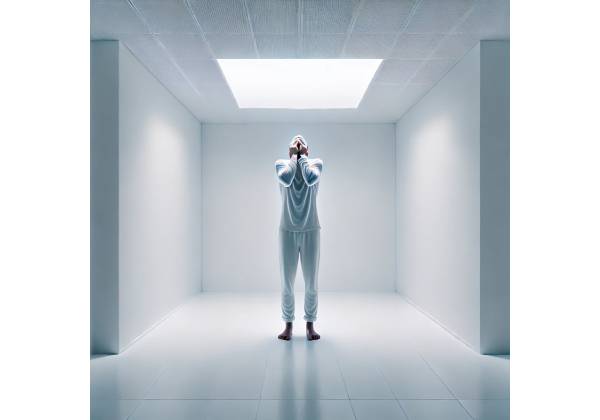
Leukophobia is an intense fear of the color white. At first glance, that may sound unusual or even easy to dismiss, but for the person living with it, the fear can shape daily choices in ways that feel exhausting and hard to explain. White clothing, blank walls, hospital rooms, snow, wedding settings, packaging, food, or bright light reflecting off pale surfaces can all become sources of distress. The result is often more than discomfort. It can be a cycle of dread, avoidance, and physical anxiety that interferes with work, relationships, travel, health care, and ordinary routines.
This article explains what leukophobia is, how it tends to show up, why it can develop, how clinicians evaluate it, and which treatments are most likely to help. It also covers practical coping strategies, warning signs that extra support is needed, and what recovery usually looks like over time.
Table of Contents
- What Leukophobia Really Means
- Recognizing Signs and Symptoms
- Common Causes and Risk Factors
- How Diagnosis Usually Works
- Daily Life and Complications
- Treatment and Therapy Options
- Coping and Self-Management Strategies
- When to Seek Help
What Leukophobia Really Means
Leukophobia is best understood as a specific phobia in which the trigger is the color white or things strongly associated with it. The key point is intensity. This is not the same as disliking white clothing, preferring darker rooms, or finding certain bright spaces unpleasant. A phobia involves fear that feels immediate, hard to control, and out of proportion to the actual danger.
For some people, the problem is the color itself. For others, white carries a personal meaning that makes the fear stronger. It may be linked with hospitals, funerals, grief, contamination, purity, perfection, weddings, or a traumatic memory. In those cases, the fear is still real even when the person knows, logically, that a white object is not dangerous.
Leukophobia can appear in a narrow way or a broad way. A narrow pattern might involve panic only around white rooms or white uniforms. A broader pattern might include strong distress around many forms of white, such as:
- white paint, walls, and furniture
- white clothes, dresses, coats, and shoes
- snow, ice, and fog
- paper, screens, and blank backgrounds
- milk, rice, frosting, and other pale foods
- medical spaces with bright, sterile surfaces
Many people with leukophobia can explain that the fear feels unreasonable, yet insight does not make the reaction stop. That mismatch between what the mind knows and what the body does is common in phobias. The body may act as if there is danger even when there is none.
Another useful distinction is that leukophobia is usually described as a named fear, not as a separate formal disorder with its own laboratory test or scan. In clinical practice, a mental health professional evaluates whether the symptoms fit the broader diagnosis of specific phobia and whether the trigger pattern centers on white objects, white spaces, or what the color symbolizes for that person.
Because the fear can be highly individual, two people with leukophobia may look very different. One may avoid wedding shops and snowy roads. Another may dread hospitals, dentists, or any bright room with white walls. The common thread is persistent fear, avoidance, and impairment.
Recognizing Signs and Symptoms
The symptoms of leukophobia usually fall into three groups: emotional symptoms, physical symptoms, and behavioral changes. All three matter. A person may not only feel afraid but also change routines in ways that quietly shrink daily life.
Emotional symptoms often include:
- sudden fear when seeing white or expecting to see it
- anticipatory anxiety before entering certain places
- dread, embarrassment, or shame about the reaction
- irritability from feeling constantly on alert
- panic when escape feels difficult
Physical symptoms can resemble a panic response. They may begin within seconds of contact with the trigger or while imagining it. Common examples include:
- racing heart
- sweating
- trembling
- dry mouth
- chest tightness
- dizziness
- nausea
- shortness of breath
- muscle tension
- a sense of doom or loss of control
Behavioral symptoms are often the most disruptive because they affect routines, relationships, and choices over time. A person may:
- refuse invitations to places with bright white interiors
- avoid winter travel because of snow or glare
- stop wearing needed work clothes or uniforms
- choose stores, jobs, or routes based on color exposure
- leave appointments early if the environment feels too white
- ask others to remove, cover, or replace white items at home
Children and adolescents may show the fear differently. Instead of clearly saying what feels wrong, they may cry, freeze, cling, resist entering a room, throw tantrums, or complain of stomachaches before school or appointments. Adults may mask the fear better, but the internal distress can be just as severe.
It is also common for the symptoms to build gradually. Someone may first feel uneasy in a few situations, then begin avoiding those settings, then become more sensitive over time because avoidance prevents the nervous system from learning that the trigger is safe. This is one reason phobias can grow stronger when left untreated.
A practical clue is functional impact. Symptoms move from “unpleasant” to “clinically important” when they interfere with normal living. Missing medical care because exam rooms feel intolerable, turning down work because of uniforms, or avoiding social events because decorations are white are signs that professional support could be useful.
Even when the trigger seems unusual, the symptom pattern is familiar. Leukophobia follows the same anxiety cycle seen in other specific phobias: trigger, alarm, avoidance, temporary relief, and then stronger fear next time.
Common Causes and Risk Factors
Leukophobia does not have one single cause. In most cases, it develops through a mix of personal experience, learned associations, temperament, and broader vulnerability to anxiety. The most helpful way to think about causes is not “What is wrong with this person?” but “What taught this brain to treat white as a threat?”
One common pathway is direct learning through a distressing event. If a traumatic or highly stressful experience happened in a setting dominated by white, the brain may connect that color with danger. Examples can include a frightening hospital stay, a car accident in snowy conditions, a traumatic event in a bright room, or intense distress linked to a wedding, funeral, or religious setting where white played a strong symbolic role.
Another pathway is symbolic meaning. White does not mean the same thing to every person or culture. It may suggest purity, pressure, perfection, sterility, emptiness, grief, or commitment. When those meanings are emotionally loaded, the color can become a shortcut to fear. That does not mean the person is “choosing” the reaction. It means the brain has attached a powerful emotional message to a visual cue.
Risk factors may include:
- a family history of anxiety disorders or phobias
- an anxious or highly sensitive temperament
- previous panic attacks
- perfectionistic thinking
- obsessive or intrusive thoughts
- a history of trauma
- chronic stress or poor sleep, which can lower coping capacity
- learning by observation, such as seeing another person react fearfully
Modeling can matter more than people realize. Children sometimes absorb fear by watching caregivers respond strongly to certain situations. Repeated warnings, avoidance, or visible distress around a stimulus can teach the child that the object or setting is dangerous before they fully understand why.
In some people, leukophobia overlaps with other psychological themes. A fear of white may blend with contamination fears, moral shame, fear of death, fear of mistakes, or a strong need for control. That overlap does not automatically mean the person has another disorder, but it can shape how the phobia feels and what treatment needs to address.
It is also important to note what does not explain leukophobia well. It is not simply stubbornness, attention-seeking, weakness, or a lack of maturity. People with phobias often work very hard to hide symptoms and keep life moving. The problem is not a character flaw. It is a learned fear response that has become overactive.
Because leukophobia is a narrow and highly individualized fear, reliable prevalence figures for this exact phobia are not available. What is clear is that specific phobias are common overall, and unusual triggers can still cause serious impairment when avoidance becomes the main coping tool.
How Diagnosis Usually Works
Diagnosis begins with a careful clinical conversation, not a scan, blood test, or checklist used in isolation. A primary care clinician may notice the pattern first, but formal assessment is usually done by a mental health professional such as a psychologist, psychiatrist, or licensed therapist.
The goal is not just to confirm fear. It is to understand the pattern, severity, meaning, and impact of that fear. A clinician will usually ask:
- What exactly triggers the reaction?
- Does the fear happen every time or only in certain settings?
- How fast do symptoms start?
- What does the person avoid because of the fear?
- How long has the pattern been present?
- Does it interfere with work, school, health care, or relationships?
- Is another condition explaining the symptoms better?
In general, the diagnosis of specific phobia rests on a few core features:
- marked fear or anxiety about a specific trigger
- immediate or near-immediate anxiety when exposed
- active avoidance or endurance with intense distress
- fear that is out of proportion to actual risk
- persistence, typically for six months or longer
- meaningful impairment in daily functioning
That last point is essential. A person can have a strong dislike of something without meeting criteria for a phobia. Diagnosis depends on persistence and disruption, not just intensity.
The clinician will also think through related conditions. For example:
- Panic disorder: panic attacks can happen in phobias, but in a phobia they are usually tied to the trigger.
- Obsessive-compulsive disorder: fear may revolve around contamination, purity, or intrusive thoughts rather than the color itself.
- Post-traumatic stress disorder: avoidance may be more about trauma reminders than a phobia alone.
- Social anxiety disorder: the main fear is scrutiny or embarrassment, not white objects or spaces.
- Psychotic disorders or severe mood disorders: fixed false beliefs or broader symptoms may point elsewhere.
Medical review may matter too. Palpitations, dizziness, shortness of breath, or faintness can also appear in medical conditions, medication effects, or substance use. If symptoms are new, severe, or unclear, a physical evaluation can be part of safe diagnosis.
A thoughtful diagnosis also explores meaning. If white triggers fear because it stands for death, shame, hospitals, or perfection, that context helps shape treatment. Good assessment is not only about applying criteria. It is about mapping the fear accurately so treatment can target the real problem rather than the most obvious surface detail.
Daily Life and Complications
Leukophobia can reach far beyond the trigger itself. Because white is common in clothing, architecture, packaging, health care, transportation, and seasonal weather, even a narrowly focused fear can intrude on many parts of daily life. Some people can function reasonably well with careful planning. Others begin organizing large parts of life around avoidance.
The daily burden may show up in subtle ways at first:
- choosing restaurants, stores, or offices based on décor
- feeling trapped in bright rooms
- scanning surroundings for white surfaces
- carrying sunglasses, extra layers, or objects to block visual triggers
- spending extra time planning routes and routines
- becoming drained after ordinary errands
Over time, the fear can affect major decisions. Someone may delay dental care, avoid hospitals, reject a dress code, refuse travel in winter, skip formal events, or feel unable to attend weddings and funerals. Work can become harder if the setting includes white coats, uniforms, fluorescent lighting, or sterile interiors. Home life can also be affected when family members need to adjust furniture, dishes, paint, or decorations to reduce distress.
Common complications include:
- worsening avoidance and shrinking independence
- strain in relationships when others do not understand
- social isolation
- depressed mood
- reduced job or academic performance
- poor access to medical care
- reliance on alcohol, sedatives, or other unhealthy coping methods
The relationship between avoidance and fear is especially important. Avoidance brings quick relief, which makes it feel useful. But that relief teaches the brain, “Good thing I escaped; that must have been dangerous.” As a result, the fear often becomes more entrenched. The safe zone gets smaller, and the trigger begins to feel more powerful.
Another complication is shame. People with an uncommon phobia may worry they will sound irrational or childish, so they explain symptoms as headaches, fatigue, sensory overload, or “just not liking certain places.” That can delay treatment. It can also make the person feel alone, even though the anxiety pattern itself is well recognized in mental health care.
There can also be a mismatch between outward behavior and inner distress. A person may attend an appointment or event but only by enduring severe internal panic. From the outside, they may look functional. Inside, they may be fighting the urge to flee.
This is why leukophobia deserves serious attention when it disrupts life. The trigger may be unusual, but the consequences can be practical, emotional, and cumulative. Untreated phobias do not always remain small.
Treatment and Therapy Options
The most effective treatment for leukophobia is usually cognitive behavioral therapy with exposure-based work. In plain language, that means learning how fear operates, then gradually and safely facing the trigger in a structured way until the nervous system stops treating it as an emergency.
This process is not about forcing someone into the deepest fear right away. Good exposure therapy is paced, planned, collaborative, and specific. The therapist and patient usually build a fear ladder, starting with easier steps and progressing to harder ones. For leukophobia, a ladder might look like this:
- saying or writing the word “white”
- looking at a small white shape on a screen
- holding a white card for a few seconds
- sitting near a white object at home
- spending brief time in a brighter room
- entering a store or office with white walls
- staying longer without using safety behaviors
- handling more difficult situations such as medical settings or formal events
During treatment, the goal is not to make every trace of anxiety vanish instantly. The goal is to retrain the fear system so the trigger becomes tolerable, predictable, and no longer life-limiting.
Other helpful treatment elements may include:
- Cognitive work: identifying exaggerated danger beliefs and testing them against reality
- Response prevention: reducing escape habits and rituals that keep fear alive
- Relaxation and breathing skills: useful for regulating the body, though not a substitute for exposure
- Trauma-focused work: when the fear is tied to a specific traumatic event
- Family involvement: especially when relatives unknowingly support avoidance
Some people improve with a standard course of outpatient therapy. Others benefit from a more tailored plan, particularly if the fear is linked with OCD features, trauma, perfectionism, or frequent panic attacks. The treatment should match the pattern, not just the label.
Medication is not usually the first-line treatment for a specific phobia, but it can have a role in selected cases. A clinician may consider medicine when anxiety is severe, when there is another treatable condition such as depression, or when short-term symptom reduction is needed to help a person engage in therapy. Medication tends to help symptoms more than the phobia itself, and long-term recovery usually depends on reducing avoidance.
Progress is often uneven. Many people feel better after a few sessions, then hit a harder stage when exposures become more challenging. That does not mean treatment is failing. It often means the therapy has reached the part where real relearning happens.
The overall outlook with evidence-based treatment is good. Even when the fear has been present for years, structured therapy can reduce distress, widen daily functioning, and restore confidence in situations that once felt impossible.
Coping and Self-Management Strategies
Professional treatment is often the most efficient path, but day-to-day self-management still matters. Helpful coping does not mean building a life around avoidance. It means reducing fear’s control while supporting the work of recovery.
A practical place to start is tracking the pattern. Keep a brief log for one to two weeks and note:
- the trigger
- where it happened
- how strong the fear felt from 0 to 10
- what you did next
- how long it took to settle
Patterns often become clearer on paper. You may notice that some triggers involve brightness more than color, or that fear rises most when white appears in medical settings, ceremonial settings, or blank enclosed spaces.
Useful self-help strategies include:
- Create a graded practice plan. Start with manageable contact, not the hardest trigger.
- Stay with the exposure long enough. Leaving instantly teaches danger. Remaining until the anxiety begins to level off teaches safety.
- Use calm breathing, not escape breathing. Slow the body, but do not use breathing as a way to flee the moment mentally.
- Limit reassurance seeking. Repeatedly asking whether the room is safe can keep fear central.
- Reduce safety behaviors over time. Sunglasses indoors, constant scanning, or covering white objects may help briefly but can maintain the phobia.
- Protect sleep and routine. Anxiety worsens when the nervous system is already strained.
- Avoid self-medication. Alcohol or sedatives may seem helpful in the moment but often increase long-term anxiety.
Language matters too. Try replacing “I cannot handle this” with “This is uncomfortable, but I can stay with it.” That shift sounds small, yet it supports a different response from the brain. Recovery often depends less on perfect calm than on repeated experiences of staying present without fleeing.
It can also help to involve one trusted person. Ask them to support exposure in a steady way rather than rescue you too quickly. Helpful support sounds like, “I’m with you, let’s stay another minute,” not, “Let’s leave so you don’t feel this.”
What usually does not help is making the world smaller. Repainting everything, refusing appointments, or avoiding seasons, routes, and events may bring temporary relief, but they strengthen the idea that white is dangerous. The nervous system learns most from direct, repeated disconfirmation of fear.
Self-management works best when it is consistent and measured. Small steps repeated often are usually more powerful than dramatic efforts made once and abandoned. Recovery is usually built through repetition, not intensity.
When to Seek Help
It is time to seek professional help when leukophobia begins to control choices that should belong to you. The fear does not have to be constant or dramatic to deserve attention. If it is shaping where you go, what you wear, whether you travel, or whether you get medical care, it is already important enough to discuss with a clinician.
Consider reaching out if:
- the fear has lasted six months or longer
- you avoid necessary appointments or treatments
- panic symptoms are severe or frequent
- work, school, or relationships are being affected
- your world is becoming smaller because of avoidance
- you are using alcohol, sedatives, or compulsive habits to cope
- you feel depressed, hopeless, or ashamed about the problem
Urgent help is especially important if anxiety is accompanied by thoughts of self-harm, inability to function, severe depression, or symptoms that could reflect a medical emergency such as chest pain, fainting, or breathing difficulty that is not clearly explained.
Many people worry that treatment will be humiliating or too intense. In good care, it should be neither. The process should feel respectful, structured, and tailored to your pace. The aim is not to prove toughness. It is to help you regain flexibility and trust in your own ability to tolerate discomfort safely.
The long-term outlook is generally favorable, especially when treatment begins before avoidance becomes deeply entrenched. People often do not need to “love” the trigger to recover. Success usually means something more realistic and more valuable: being able to see white, enter white spaces, attend necessary events, and live normally without the fear taking over.
Some people recover fully. Others continue to notice a flicker of anxiety in certain situations but no longer feel trapped by it. That is still a meaningful recovery. The best marker of progress is not the total absence of fear. It is the return of choice.
References
- Leukophobia: Definition, Causes, Symptoms & Treatment 2022
- Specific Phobia – StatPearls – NCBI Bookshelf 2024
- Phobia – simple/specific: MedlinePlus Medical Encyclopedia 2024
- Specific phobias – Diagnosis and treatment – Mayo Clinic 2023
- The relative efficacy and efficiency of single- and multi-session exposure therapies for specific phobia: A meta-analysis – PubMed 2022 (Systematic Review and Meta-Analysis)
Disclaimer
This article is for educational purposes only and is not a diagnosis or a substitute for medical or mental health care. Leukophobia and other anxiety-related conditions can overlap with panic disorder, obsessive-compulsive disorder, trauma-related conditions, sensory problems, and medical causes of dizziness, chest discomfort, or shortness of breath. A licensed clinician can assess symptoms in context and recommend the safest treatment plan. Seek urgent medical or emergency help if anxiety occurs with chest pain, fainting, severe breathing trouble, or thoughts of self-harm.
If you found this article useful, please consider sharing it on Facebook, X, or another platform you trust.