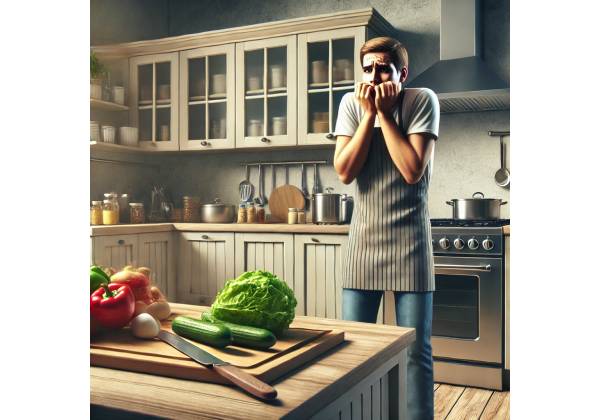
Mageirocophobia is an intense fear of cooking. At first glance, it may sound like simple kitchen stress, but for some people it can be much more disruptive. The fear may surface when they think about using a stove, handling knives, preparing food for others, or making a mistake that could cause illness, injury, or embarrassment. Because cooking touches daily life so directly, this kind of fear can affect nutrition, independence, family routines, confidence, and social life.
Not every dislike of cooking is a phobia. Many people feel tired, inexperienced, or overwhelmed in the kitchen without having a mental health disorder. Mageirocophobia becomes clinically important when the fear is strong, persistent, out of proportion to the actual situation, and serious enough to drive avoidance or distress. Understanding that difference is the first step toward finding the right kind of help and support.
Table of Contents
- What mageirocophobia is
- Signs and symptoms
- Causes and risk factors
- Diagnosis and evaluation
- Daily life and complications
- Treatment options
- Management and outlook
What mageirocophobia is
Mageirocophobia is the term commonly used for a fear of cooking. It is not usually listed as a separate formal diagnosis in major diagnostic manuals. Instead, when the fear is persistent and impairing, it is generally understood within the broader category of specific phobia. In practical terms, that means the person is not just reluctant to cook or unsure of their skills. They experience marked fear or anxiety linked to cooking tasks, and that fear tends to appear quickly and predictably when the trigger is near.
The trigger is not always the same for everyone. One person may fear burns, cuts, or starting a fire. Another may fear undercooking food, contaminating a meal, or poisoning someone by mistake. Some people fear the social consequences of cooking, such as being judged, criticized, or laughed at if the food turns out badly. Others feel overwhelmed by the combination of timing, heat, mess, sharp tools, and responsibility.
A useful way to tell ordinary discomfort from phobia is to look at the pattern. A person with a phobia often:
- avoids cooking even when it creates real problems
- feels anxious before entering the kitchen
- experiences strong distress while handling food or equipment
- relies heavily on others, takeout, or packaged meals to escape the trigger
- knows the fear is excessive but still feels unable to control it
The fear can focus on the entire cooking process or on only one part of it. For example, someone may be comfortable making cold foods but panic at the thought of frying, baking, or using gas burners. Another person may handle simple meals alone but become highly distressed when cooking for guests or children.
It is also important to separate mageirocophobia from lack of experience. A person who never learned basic kitchen skills may understandably feel tense. That alone does not mean they have a phobia. The difference lies in the intensity of the fear, the degree of avoidance, and the effect on daily functioning.
Because cooking is tied to self-care and household life, mageirocophobia can become more visible during transitions such as moving out, starting college, parenting, recovering from illness, or trying to follow a medical diet. At those moments, what once looked like a minor quirk may reveal itself as a significant anxiety problem that deserves attention.
Signs and symptoms
The symptoms of mageirocophobia often combine emotional, physical, and behavioral features. Some people feel dread only when they have to cook. Others feel anxious hours earlier, especially if they know they will need to shop, plan a recipe, or prepare food for other people. In more severe cases, even talking about cooking or watching someone else cook can trigger distress.
Emotionally, the person may feel fear, tension, shame, helplessness, or a sense of impending disaster. Their thoughts can become catastrophic very quickly. They may imagine setting the kitchen on fire, cutting themselves badly, ruining a meal, giving someone food poisoning, or being blamed for a mistake. These fears may sound extreme to other people, but they can feel vivid and convincing in the moment.
Physical symptoms may resemble those seen in other phobias or panic reactions, including:
- racing heart
- trembling or shaking
- sweating
- shortness of breath
- nausea or stomach discomfort
- dizziness
- muscle tension
- dry mouth
- feeling faint or unreal
Behavioral symptoms often shape day-to-day life the most. A person may:
- avoid using the stove, oven, or knives
- refuse recipes with several steps
- postpone meals until someone else can cook
- eat only ready-made or cold foods
- overcheck expiration dates, temperatures, or instructions
- leave the kitchen repeatedly to calm down
- call or text others for reassurance while cooking
- abandon meals midway because anxiety becomes too strong
In children and teenagers, the signs can look different. Instead of naming the fear clearly, they may cry, freeze, become irritable, cling to a parent, or insist they are “bad at cooking” to avoid the activity. In adults, there is often more self-consciousness. They may hide the problem, make excuses, or structure life around avoiding the kitchen.
Symptoms can range from mild to severe. Mild fear may limit what the person cooks but still allow basic function. Moderate fear may narrow the diet and create dependence on others. Severe fear can lead to near-total avoidance, panic attacks, arguments at home, and significant interference with work, health, or family responsibilities.
Not every strong reaction in the kitchen points to mageirocophobia. A person with obsessive-compulsive symptoms may be driven more by contamination fears than by a phobia. Someone with trauma related to a fire or serious injury may show a trauma-based response. Someone with little confidence may feel stressed but improve quickly with practice. The details matter, which is why careful assessment is so important.
Causes and risk factors
There is no single cause of mageirocophobia. Like many phobias, it usually develops through a mix of personal temperament, learning history, stressful experiences, and broader mental health factors. Two people can end up with a similar fear for very different reasons.
A direct negative experience is one common pathway. A person may have been burned by hot oil, cut with a knife, startled by a kitchen fire, or sick after a meal they prepared. Even one frightening event can leave a strong memory, especially if it was painful, humiliating, or linked to responsibility for others. The brain may start to treat the kitchen as a danger zone, even when the actual risk is manageable.
Indirect learning also matters. Some people grow up in homes where cooking is described as dangerous, messy, or easy to get wrong. They may watch a parent panic around knives or repeatedly warn that a small mistake could seriously harm someone. Over time, that message can become internalized.
Several risk factors can make the fear more likely or more persistent:
- a personal or family history of anxiety disorders
- childhood behavioral inhibition, meaning a naturally cautious or highly reactive temperament
- perfectionism or fear of making mistakes
- strong sensitivity to criticism or embarrassment
- previous trauma involving fire, injury, choking, or illness
- contamination concerns or health anxiety
- a tendency to catastrophize ordinary risks
In some cases, the feared outcome matters more than cooking itself. A person may be less afraid of the stove than of harming someone with undercooked food. Another may fear judgment from a partner, parent, or guests. Another may become overwhelmed by the sensory aspects of cooking, such as smell, heat, sizzling sounds, and multiple tasks happening at once.
Mageirocophobia can also overlap with other conditions. For example:
- obsessive-compulsive disorder may involve repeated checking, contamination fears, or intrusive thoughts about causing harm
- post-traumatic stress may follow a past fire or injury
- social anxiety may center on being judged for the result
- eating disorders may complicate meal preparation because food itself feels threatening
- neurodevelopmental differences may make the kitchen feel chaotic, noisy, or difficult to manage
Childhood and adolescence are common periods for specific fears to take root, but adulthood is not exempt. A person may cope for years by letting others cook and only recognize the problem later when circumstances change. Living alone, becoming a parent, managing a health condition, or losing a partner who used to cook can expose the extent of the avoidance.
It is also worth noting that some people who say they are “afraid of cooking” mainly need training, structure, or confidence. That is not a minor distinction. If the core problem is lack of experience, practical teaching may be enough. If the core problem is phobic anxiety, skills alone usually will not solve it unless the fear itself is addressed.
Diagnosis and evaluation
There is no lab test or brain scan that diagnoses mageirocophobia. Diagnosis is based on a careful clinical evaluation, usually by a psychologist, psychiatrist, therapist, or a primary care clinician who can assess anxiety and refer when needed. The goal is not just to put a label on the problem, but to understand what exactly the person fears, how severe it is, and whether another condition explains the symptoms better.
A good evaluation usually explores:
- what parts of cooking trigger fear
- how intense the anxiety becomes
- whether panic symptoms occur
- how long the pattern has been present
- what the person avoids
- how the fear affects diet, relationships, work, school, or independence
- whether there is a history of burns, food poisoning, trauma, or criticism
- whether there are signs of OCD, PTSD, social anxiety, depression, or eating-related problems
When the fear fits a specific phobia pattern, clinicians generally look for several core features. The fear is marked and persistent. It is triggered by a specific object or situation, in this case cooking or a part of the cooking process. Exposure almost always brings on immediate anxiety. The person avoids the trigger or endures it with intense distress. The fear is out of proportion to the actual danger. It has lasted long enough to be more than a passing stress response, often six months or more. Most importantly, it causes meaningful distress or interferes with daily life.
Diagnosis can be subtle because kitchens do involve real hazards. Knives can cut. Heat can burn. Food safety matters. The clinician therefore has to judge proportionality. The question is not whether cooking carries any risk. It is whether the person’s fear far exceeds what would be expected from ordinary caution.
Distinguishing mageirocophobia from other problems is essential. A few examples show why:
- If the person mainly fears contamination and performs long rituals, OCD may be the better fit.
- If the main issue is fear of embarrassment while serving others, social anxiety may be central.
- If the fear began after a kitchen accident with flashbacks or strong trauma reactions, PTSD may need priority.
- If the person avoids cooking because of low mood, exhaustion, or loss of appetite, depression may be driving the pattern.
- If sensory overload or executive functioning difficulties are dominant, a different support plan may be needed.
Structured questionnaires can sometimes help track severity, but they do not replace a thorough interview. Clinicians also consider safety. Has the person tried to cook while panicking? Have they had near accidents from freezing, rushing, or dissociating? Are they meeting their nutritional needs?
A strong assessment creates the foundation for treatment. Without it, people may spend years trying generic self-help, only to find that what looked like laziness or lack of confidence was actually a treatable anxiety disorder.
Daily life and complications
Mageirocophobia can reshape daily life in ways that are easy to underestimate. Cooking is woven into routines, health, budgeting, social connection, and caregiving. When fear blocks it, the effects can spread far beyond the kitchen.
Food choices are often the first area to change. Some people live on takeout, delivery, snack foods, or microwave meals because these options feel safer than cooking. Others narrow their diet to foods that require little or no preparation. Over time, this can affect nutrition, energy, medical conditions, and food spending. Someone with diabetes, high blood pressure, food allergies, or digestive illness may find the consequences especially frustrating because home cooking often gives the most control over ingredients.
Relationships can also suffer. Partners may argue over who cooks. Family members may misread the fear as unwillingness, immaturity, or stubbornness. A parent with mageirocophobia may feel intense guilt about feeding children. A young adult may avoid moving out or hosting friends because the kitchen feels unmanageable. Social events built around meals can become stressful instead of enjoyable.
Common functional effects include:
- loss of confidence in self-care
- dependence on others for basic meals
- higher grocery and restaurant costs
- avoidance of guests, holidays, or shared meals
- shame about “not being able to do something simple”
- conflict at home over food responsibilities
Complications can develop gradually. The fear may start with one task, such as frying food, then widen to ovens, raw meat, chopping, or cooking for others. Avoidance tends to strengthen anxiety over time because every escape teaches the brain that the situation was too dangerous to face. That cycle can make the fear feel more fixed than it really is.
Emotional complications are common as well. Repeated avoidance may erode self-esteem. The person may call themselves childish, incompetent, or broken. That self-criticism can feed depression or make treatment feel more intimidating. Some people begin to avoid not just cooking but grocery stores, recipe videos, or conversations about food, because all of them remind them of the problem.
For students, new parents, caregivers, and older adults living alone, the impact can be especially strong. These stages of life often demand more independence with meal preparation. When fear blocks that skill, the person may feel trapped between practical need and psychological distress.
The good news is that even when mageirocophobia has been interfering for years, the pattern is still treatable. Complications are real, but they are not proof that the problem is permanent. Often, once the fear cycle is understood and addressed directly, the person begins to regain both function and confidence in steps that are smaller and more manageable than they expected.
Treatment options
The most effective treatment approach for mageirocophobia is usually cognitive behavioral therapy, especially exposure-based work. This does not mean throwing someone into their worst fear on day one. Good exposure therapy is structured, collaborative, and paced. The aim is to help the brain relearn that the feared situation can be handled safely without escape, overchecking, or reassurance.
Treatment often begins with psychoeducation. The person learns how the fear cycle works: trigger, catastrophic thought, body alarm, avoidance, short-term relief, and then stronger fear the next time. Understanding that cycle can be a major relief, because many people assume they are simply weak or incapable.
From there, the therapist and patient usually build a fear ladder. This is a list of cooking-related tasks arranged from easier to harder. A plan might begin with:
- looking at recipes
- standing in the kitchen for a few minutes
- touching utensils and pans
- washing vegetables
- assembling a cold meal
- boiling water
- chopping soft foods with supervision
- using the stove for a simple recipe
- cooking a full meal
- preparing food for someone else
During exposure, the person practices staying with the anxiety long enough for it to settle without escaping or relying on rituals. Repetition matters. A single success helps, but repeated practice creates more durable change. The treatment may also address distorted beliefs, such as “If I feel anxious, I will lose control,” or “One small mistake means I will seriously harm someone.”
Depending on the case, treatment may also include:
- work on perfectionism and self-criticism
- reducing reassurance-seeking and repeated checking
- problem-solving around kitchen safety and realistic skill-building
- family or partner involvement to reduce pressure, criticism, or overaccommodation
- support for overlapping issues such as social anxiety, OCD symptoms, or trauma responses
Medication is not usually the first-line treatment for a specific phobia by itself. Still, it may have a role in some situations. If the person also has broader anxiety, panic disorder, depression, or severe distress that blocks therapy, a clinician may consider medication as part of a wider plan. This decision should be individualized. Medicines can ease symptoms for some people, but they do not automatically erase the learned fear pattern.
For selected cases, newer tools such as virtual reality or imaginal exposure may help bridge the gap between complete avoidance and real-world kitchen practice. These approaches are not necessary for everyone, but they may be useful when direct exposure feels too abrupt at the start.
Children and teenagers often benefit when caregivers are included. Parents can learn how to encourage brave practice without rescuing, pressuring, or criticizing. Adults may benefit from practical kitchen coaching alongside therapy, especially when the fear has limited skill development for years.
The key idea is simple: the person does not need to become a gourmet cook overnight. Treatment works by shrinking fear and expanding function, one tolerable step at a time.
Management and outlook
Day-to-day management of mageirocophobia works best when it supports treatment rather than replaces it. Self-help can be very useful, but it is most effective when it is gradual, specific, and realistic. The goal is not to force confidence. It is to build it through repeated, safe experience.
A practical self-management plan often includes the following steps:
- Name the exact fear. “Cooking scares me” is broad. “I panic when I use oil on the stove” is specific and workable.
- Break the task down. Separate shopping, prep, chopping, heating, timing, and serving instead of treating cooking as one giant event.
- Start below panic level. Choose a task that causes discomfort but still feels possible.
- Repeat the same step until it feels easier, then move up gradually.
- Use sensible safety measures once, not over and over. For example, check the burner correctly, then continue instead of rechecking ten times.
- Record small wins. Even making tea, washing produce, or boiling pasta can count as meaningful progress.
Other helpful strategies include scheduling practice when you are not rushed, cooking with a calm support person, keeping the recipe simple, and preparing the workspace in advance. Self-compassion matters more than many people expect. Harsh self-talk can raise anxiety and make exposure harder. A steady, matter-of-fact approach tends to work better.
Professional help becomes especially important when:
- the fear has lasted for months and is not improving
- panic attacks occur
- nutrition, health, or finances are being affected
- family conflict around food is growing
- the person suspects OCD, trauma, or an eating disorder is also involved
- a child or teenager shows strong avoidance or distress around age-appropriate kitchen tasks
The outlook is generally good when the problem is recognized and treated directly. Specific phobias often respond well to targeted therapy, especially exposure-based work. Progress is not always linear. Some steps will feel easier than others, and setbacks can happen during stress. That does not mean treatment has failed. It usually means the person needs more repetition, a smaller step, or support with overlapping issues.
Long-term improvement often depends on maintenance. Once symptoms ease, it helps to keep cooking in regular life in small, manageable ways. Avoidance may feel tempting again during busy or stressful periods, but continued practice protects progress.
Recovery does not require loving cooking. It means being able to approach kitchen tasks with reasonable caution instead of overwhelming fear. For many people, that shift brings more freedom than they expected: better nutrition, more independence, less shame, and a calmer relationship with an everyday part of life.
References
- Specific Phobia – StatPearls – NCBI Bookshelf 2024 (Clinical Review). ([NCBI][1])
- Factors influencing the success of exposure therapy for specific phobia: A systematic review – PubMed 2020 (Systematic Review). ([PubMed][2])
- Virtual Reality Exposure Treatment in Phobias: a Systematic Review – PubMed 2021 (Systematic Review). ([PubMed][3])
- Impact of virtual reality applications in the treatment of anxiety disorders: A systematic review and meta-analysis of randomized-controlled trials – PubMed 2023 (Systematic Review and Meta-analysis). ([PubMed][4])
- Anxiety Disorders in Children and Adolescents – PubMed 2022 (Clinical Review). ([PubMed][5])
Disclaimer
This article is for educational purposes only and is not a substitute for medical or mental health care. Mageirocophobia may resemble or overlap with other conditions, including obsessive-compulsive disorder, trauma-related disorders, eating disorders, and broader anxiety disorders, so an accurate diagnosis matters. Seek evaluation from a qualified clinician if fear of cooking is persistent, causes panic, limits nutrition, affects caregiving or independence, or creates safety concerns. If you are in immediate danger or having thoughts of self-harm, contact emergency services or a local crisis resource right away.
If this article was helpful, consider sharing it on Facebook, X, or your preferred platform so more people can recognize when fear of cooking has become a treatable mental health problem.