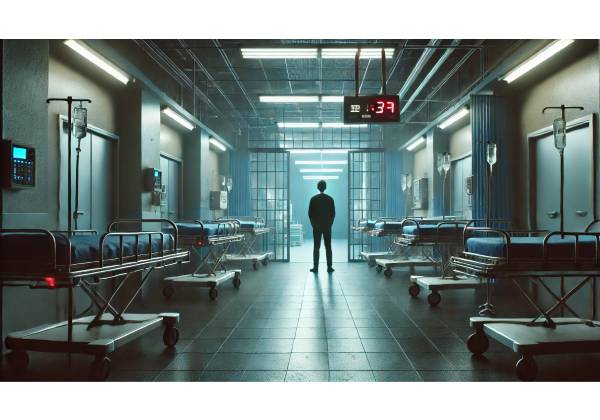
Nosocomephobia is an intense fear of hospitals or hospital-based care. For some people, the fear centers on the building itself. For others, it is tied to what hospitals represent: pain, loss of control, bad news, blood, needles, infection, surgery, or memories of a frightening medical event. Many people feel uneasy in hospitals. Nosocomephobia is different because the fear is strong enough to shape behavior, delay care, and interfere with daily life.
This condition is best understood as a hospital-focused form of specific phobia, though trauma, panic, health anxiety, or obsessive concerns can also overlap with it. That matters because treatment is usually effective when the real driver of the fear is identified early. With the right support, many people learn to approach hospitals with less panic, more control, and a clearer plan for getting the care they need when it matters most.
Table of Contents
- What Nosocomephobia Is
- Signs and Symptoms
- Causes and Risk Factors
- How It Is Diagnosed
- Effects on Daily Life
- Treatment and Therapy Options
- Management, Safety and Outlook
What Nosocomephobia Is
Nosocomephobia means an overwhelming fear of hospitals. The term is widely used in consumer health writing, but in formal mental health practice it is usually evaluated under the broader category of specific phobia if the fear is persistent, disproportionate, and linked to strong avoidance. In other words, a person may search for “nosocomephobia,” but a clinician will usually assess whether the pattern fits a situational phobia, a trauma-related response, panic disorder, or another anxiety condition.
That distinction matters because fear of hospitals can come from more than one source. For some people, the hospital itself is the feared place. The sound of monitors, the smell of disinfectant, the sight of stretchers, and the expectation of bad news can trigger intense distress before any treatment even begins. For others, the hospital is only the setting. The deeper fear may involve injections, blood, surgery, anesthesia, contamination, dying, losing privacy, or seeing a loved one become critically ill.
Nosocomephobia is not the same as ordinary nervousness. Hospitals are high-stakes places, and even calm people may feel tense there. A phobic reaction goes further. It can cause panic, severe avoidance, and rigid behavior that continues even when a person knows the fear is excessive. Someone may skip preventive appointments, delay emergency evaluation, refuse to visit a hospitalized relative, or leave before being assessed because staying feels unbearable.
The condition may appear on its own, but it often overlaps with related fears, such as:
- Fear of needles
- Fear of blood or injury
- Fear of infection or contamination
- Fear of pain
- Fear of enclosed or unfamiliar spaces
- Fear of hearing serious medical news
- Fear of being restrained, ignored, or unable to escape
Nosocomephobia can begin in childhood or adulthood. It may grow slowly over years or start suddenly after a frightening experience. Some people have always disliked hospitals. Others only become intensely fearful after surgery, an intensive care stay, a difficult diagnosis, or the hospitalization of a family member.
The core feature is not simply dislike. It is a pattern of alarm and avoidance that starts to control decisions. Once that happens, the fear is no longer just uncomfortable. It becomes clinically important because it can interfere with safety, treatment, and trust in care.
Signs and Symptoms
The symptoms of nosocomephobia can be emotional, physical, cognitive, and behavioral. Some people react only when they are near a hospital. Others begin to panic hours or days before an appointment. In more severe cases, even hearing that someone has been admitted to hospital can set off intense distress.
The emotional side often includes dread, helplessness, and a powerful urge to escape. A person may know that an appointment is important and still feel unable to walk through the door. They may cry, freeze, become irritable, or shut down completely. Many describe the feeling as larger than fear alone. It can feel like catastrophe is already happening.
Common emotional and mental symptoms include:
- Intense fear when thinking about hospitals
- Repeated mental images of bad outcomes, surgery, or death
- Thoughts such as “I will not be able to cope” or “something terrible will happen there”
- Trouble concentrating before appointments
- Heightened sensitivity to stories about illness or medical emergencies
- Shame about feeling “irrational” or “weak”
Physical symptoms are often similar to panic symptoms. They may include:
- Racing heart
- Shortness of breath
- Chest tightness
- Sweating
- Trembling
- Nausea
- Dizziness
- Dry mouth
- Feeling faint
- Trouble sleeping before a visit
Behavioral symptoms are often the clearest sign that the fear has crossed into a disorder. A person may:
- Cancel or postpone appointments repeatedly
- Avoid emergency departments even when symptoms are serious
- Refuse tests, procedures, or inpatient treatment
- Need excessive reassurance before entering a hospital
- Insist on leaving quickly, even before care is complete
- Send someone else to visit a hospitalized loved one
- Spend hours searching for home alternatives to hospital care
The reaction can vary depending on the trigger. For one person, the worst moment may be crossing the hospital entrance. For another, it may be registration, waiting rooms, elevators, or being told to change into a gown. Some people become especially distressed by uncertainty. They are less afraid of a specific procedure than of not knowing what will happen next.
Symptoms can also be hidden. Not everyone has visible panic. Some people appear calm but avoid care in subtle ways, downplay symptoms, or seek repeated reassurance while still resisting evaluation. That quiet form can be easy to miss. The fear is still serious if it is changing medical decisions, relationships, or daily functioning.
Causes and Risk Factors
Nosocomephobia rarely has one single cause. It usually develops from a mix of personal vulnerability, learning history, medical experience, and the meanings a person attaches to hospitals. For some, the fear is strongly linked to trauma. For others, it grows from repeated smaller experiences that gradually teach the brain to treat hospital settings as danger.
A direct negative experience is a common starting point. This may include painful treatment, emergency surgery, a frightening admission, a period in intensive care, a difficult childbirth, or a hospital stay during childhood when the person felt confused, restrained, or separated from family. The memory does not have to involve a medical mistake. If it felt overwhelming and unsafe, the hospital itself may become associated with threat.
Fear can also develop indirectly. A person may have watched a parent become seriously ill, heard repeated family stories about poor hospital care, or linked hospitals with death after visiting a dying relative. Sometimes the feared event never happened personally, but the emotional imprint is still strong.
Risk factors that can make nosocomephobia more likely include:
- Previous traumatic medical or surgical experiences
- Childhood hospitalization
- Panic disorder or a history of panic attacks
- Other specific phobias, especially blood, injury, or needle fears
- Obsessive or contamination-related fears
- Health anxiety
- Post-traumatic stress symptoms
- Depression or longstanding generalized anxiety
- Strong sensitivity to pain, loss of control, or sensory overload
- Limited trust in healthcare systems or providers
Personality and coping style can also play a role. People who feel safest when situations are predictable may struggle more in hospitals, where waiting, uncertainty, and lack of privacy are common. Those who are highly alert to body sensations may misread normal stress reactions as signs of collapse, which can intensify avoidance. Someone who faints with blood draws or becomes nauseated during medical procedures may begin to fear the whole setting, not only the trigger that started the reaction.
Hospital fear often has layers. A person may say, “I am afraid of hospitals,” but the deeper concern may be one or more of the following:
- “I am afraid I will hear bad news.”
- “I am afraid I will not be believed.”
- “I am afraid I will be trapped.”
- “I am afraid I will see suffering I cannot handle.”
- “I am afraid something will be done to me without enough control.”
Understanding these layers is important because treatment works better when it targets the real engine of the fear. Two people can have the same avoidance pattern and still need different types of help. One may need exposure-based treatment for phobia. Another may need trauma-focused care and a more gradual rebuilding of trust.
How It Is Diagnosed
There is no scan, blood test, or single questionnaire that proves a person has nosocomephobia. Diagnosis is based on a careful clinical assessment. The goal is to understand what the person fears, how intense the reaction is, how long it has lasted, and whether it is interfering with health decisions or daily life.
A clinician will usually begin with a detailed conversation. They may ask what happens in the body and mind when the person thinks about a hospital, what situations are hardest, and whether the fear is focused on hospitals alone or on related triggers such as needles, surgery, contamination, enclosed spaces, or dying. This distinction matters because the treatment plan depends on it.
A good assessment usually looks at five areas:
- The trigger pattern
- Is the fear limited to hospitals?
- Does it also appear in clinics, imaging centers, ambulances, or dental settings?
- Is the main trigger the place, the procedure, the people, or the anticipated news?
- Severity and impairment
- Has the person delayed or refused needed care?
- Are symptoms disrupting sleep, work, family life, or chronic disease management?
- Has the fear led to missed screenings, canceled surgery, or avoiding emergency evaluation?
- Time course
- Did the fear begin in childhood?
- Did it start after a single event or a series of medical experiences?
- Is it stable, worsening, or spreading to new situations?
- Related conditions
- Specific phobia
- Panic disorder
- PTSD
- Obsessive-compulsive symptoms
- Illness anxiety
- Depression
- Agoraphobia or claustrophobic responses
- Safety and urgency
- Is the fear causing dangerous care avoidance?
- Is the person having panic so severe that they cannot complete essential treatment?
- Are there signs of hopelessness, extreme distress, or inability to cope?
Clinicians may use structured screening tools for anxiety or phobic symptoms, but these support rather than replace the interview. The main diagnostic question is whether the fear is persistent, out of proportion to the actual threat, and linked to significant avoidance or impairment.
Diagnosis also requires careful separation from other problems. Someone who avoids hospitals because of a current psychotic belief, severe contamination rituals, or a trauma response triggered by staff uniforms may not fit a simple phobia model. They may still use the word nosocomephobia, but the underlying condition may be different.
The most useful diagnosis is the one that explains the pattern well enough to guide treatment. That is why a thorough assessment often matters more than the label itself.
Effects on Daily Life
Nosocomephobia can narrow a person’s life in quiet but important ways. Many people do not realize how much the fear is influencing them until a medical crisis forces the issue. By then, the pattern may already be affecting health, relationships, and trust in care.
The most obvious consequence is avoidance of needed treatment. A person may postpone blood tests, imaging, specialist appointments, or follow-up after abnormal results. They may wait too long to seek help for chest pain, severe infections, injuries, or worsening chronic illness because the hospital feels more threatening than the symptom itself. This is one of the most serious effects of the disorder.
The fear can also shape daily routines in less obvious ways. Someone may choose jobs or travel plans based on staying far from hospitals. A parent may struggle to accompany a sick child to the emergency department. A partner may feel torn between supporting a hospitalized loved one and managing their own panic. In this way, nosocomephobia often affects more than the individual.
Common day-to-day effects include:
- Missing preventive care
- Delayed diagnosis
- Incomplete treatment plans
- Increased stress before every medical appointment
- Sleep problems before procedures or visits
- Relationship strain when others do not understand the fear
- Feelings of embarrassment, guilt, or isolation
- Ongoing hypervigilance around health concerns
The disorder can also produce a painful paradox. A person may worry intensely about illness and still avoid care because the route to reassurance runs through the very place they fear. This can create a cycle of symptom monitoring, online searching, delayed treatment, and last-minute crisis visits. The result is often more stress, not less.
In chronic illness, the impact can be especially heavy. Cancer treatment, heart disease, kidney problems, autoimmune disorders, high-risk pregnancy, and complex surgery often require repeated contact with hospitals. Fear can then interfere not only with one visit but with an entire care pathway. That can increase practical burdens for families and deepen emotional exhaustion.
There are also psychological complications. Untreated phobic avoidance can reinforce itself over time. Each avoided visit brings short-term relief, which teaches the brain that avoidance works. Unfortunately, that relief is temporary. The feared setting becomes even more powerful the next time it appears.
This is why early help matters. Nosocomephobia is not only a fear problem. It can become a healthcare access problem, a family stress problem, and a quality-of-life problem. Addressing it early can prevent the fear from dictating critical decisions later.
Treatment and Therapy Options
Treatment for nosocomephobia is often effective, especially when it is tailored to the true source of the fear. The best plan depends on whether the main driver is a specific phobia, a trauma response, panic, contamination concerns, or a mixture of these. For many people, treatment includes both therapy and practical planning for how to handle real medical encounters.
The first-line approach for a phobia pattern is usually cognitive behavioral therapy with exposure-based work. This does not mean forcing someone into a hospital before they are ready. Good exposure therapy is structured, collaborative, and gradual. The person learns how fear rises, peaks, and comes down without escape. Over time, the feared setting becomes less overwhelming.
A graded treatment plan may include steps such as:
- Looking at hospital images or maps
- Driving past a hospital
- Standing near the entrance
- Entering the lobby briefly
- Sitting in a waiting area
- Practicing a mock registration process
- Completing a real appointment with a coping plan
The sequence depends on the individual. Some need slower pacing. Others improve quickly once they stop avoiding.
Cognitive work is often combined with exposure. This helps the person identify catastrophic thoughts such as “I will faint and no one will help me,” “If I go in, I will hear the worst news,” or “Once I am there, I will lose all control.” The goal is not false reassurance. It is more accurate thinking and better tolerance of uncertainty.
When trauma is central, trauma-focused treatment may be needed. A person who fears hospitals because of a past resuscitation, painful admission, or invasive care experience may not benefit from standard exposure alone. They may first need therapy that helps process traumatic memory, reduce hyperarousal, and rebuild a sense of safety.
Other helpful options may include:
- Psychoeducation about anxiety and avoidance
- Relaxation and breathing techniques
- Grounding skills for panic symptoms
- Virtual reality exposure in selected settings
- Medication for coexisting anxiety, panic, or depression
- Care coordination between therapist, primary clinician, and specialists
Medication is usually not the main treatment for a specific phobia, but it may help when symptoms are severe or when another disorder is also present. Short-term use around procedures is sometimes considered, though this should be individualized because reliance on medication alone can maintain avoidance if it becomes the only coping method.
Practical hospital planning is also part of treatment. A person may do better with early appointment times, written step-by-step explanations, permission to bring a support person, minimized waiting time, or staff who understand the fear in advance. These changes do not “feed” the phobia when used wisely. They can make it possible to start approaching care instead of delaying it.
Management, Safety and Outlook
Even with formal treatment, day-to-day management matters. Nosocomephobia often improves when people combine therapy with practical strategies that reduce last-minute overwhelm. The aim is not to love hospitals. It is to make medical care possible without panic controlling every step.
Several self-management habits can help:
- Break hospital tasks into smaller steps instead of treating the whole visit as one giant event
- Prepare a written plan for what to bring, where to park, who will go with you, and what will happen first
- Use one or two reliable calming techniques rather than trying ten different ones under stress
- Tell staff early and briefly: “I have a strong hospital phobia and may need clear explanations and a few minutes to settle”
- Avoid late-night searching for worst-case stories before appointments
- Ask for concrete information, such as expected waiting time, test length, and when results will be discussed
A simple coping script can also help. Many patients do better when they replace vague fear with specific action:
“I am anxious, but I know what the next ten minutes are.”
“That feeling is panic, not proof of danger.”
“I can ask for information before I agree to the next step.”
Family support can be valuable, but it works best when it is calm and practical. Reassurance like “nothing bad will happen” often fails because it asks the person to ignore uncertainty. More useful support sounds like this:
“We have a plan.”
“I will stay with you through registration.”
“Let us focus on one step at a time.”
There are times when urgent help is needed. Seek prompt professional support if nosocomephobia is causing:
- Repeated refusal of medically necessary care
- Panic attacks that prevent treatment
- Severe sleep loss or inability to function before appointments
- Worsening chronic illness because of avoided follow-up
- Extreme hopelessness or emotional collapse related to medical care
- Fear so intense that emergency symptoms are being ignored
The outlook is often better than people expect. Phobias can feel fixed because avoidance makes them stronger over time. But avoidance can be reversed. With structured treatment and a few successful experiences, the brain can relearn that a hospital visit is stressful without being unmanageable. Progress is not always fast or perfectly linear. Someone may do well with blood work and still struggle with imaging or admission. That is normal.
A realistic goal is not complete comfort in every hospital setting. A strong outcome is being able to seek care when needed, stay present long enough to complete it, and recover without the fear taking over the next decision. For many people, that is an achievable and life-changing shift.
References
- Specific Phobia 2025
- Psychosocial interventions for anxiety disorders in adults: evidence mapping and guideline appraisal 2025 (Systematic Review)
- Examining associations between medical fear and perceptions of provider trust, provider empathy, and medical mistrust among college-attending young adults 2025
- Patients’ negative experiences with health care settings brought to light by formal complaints: A qualitative metasynthesis 2023 (Review)
- Nosocomephobia (Fear of Hospitals): Symptoms & Treatment 2022
Disclaimer
This article is for educational purposes only and is not a substitute for medical, psychological, or emergency care. Nosocomephobia can overlap with trauma-related disorders, panic disorder, obsessive-compulsive symptoms, health anxiety, and other conditions that need proper assessment. Seek help from a licensed mental health professional or medical clinician if fear of hospitals is delaying care, worsening your health, or causing severe distress. Seek urgent medical attention right away for emergency symptoms such as chest pain, severe breathing trouble, major injury, stroke warning signs, or suicidal thoughts, even if hospital fear is strong.
If this article helped you, please consider sharing it on Facebook, X, or another platform that may help someone else recognize the problem and seek support.