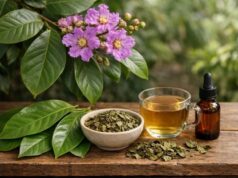
Betony (Stachys officinalis), often called wood betony, is a traditional European herb from the mint family that has been used as a steady, everyday “support plant” rather than a dramatic quick fix. Herbalists historically reached for betony when tension showed up in the body—tight shoulders, a wired mind, stress-linked headaches, and a stomach that feels unsettled after a demanding day. It is also remembered as a gentle companion during seasonal discomfort and as a topical herb for minor skin needs.
Modern interest in betony centers on its mix of bitter and astringent plant compounds—such as polyphenols, tannins, and iridoid-type constituents—along with aromatic components that can make it feel grounding. In practice, most people use it as a tea, tincture, or capsule, often in short courses during high-stress stretches.
This guide explains what betony is, what’s inside it, what it may realistically help with, how to use it, typical dosage ranges, and safety considerations—especially for pregnancy, sensitive stomachs, and people who react strongly to calming herbs.
Core Points
- Betony may support stress-linked headaches and nervous tension as part of a calming daily routine.
- Mild bitter and astringent effects can support after-meal comfort, especially when stress affects digestion.
- Typical adult tea range is 2–6 g/day dried herb (often 1–2 g per cup, up to 2–3 cups daily).
- High doses may cause stomach upset; start low and avoid combining with multiple sedating herbs at once.
- Avoid concentrated use during pregnancy or while trying to conceive unless a clinician approves.
Table of Contents
- What is betony
- Key ingredients and medicinal properties
- What does betony help with
- How to use betony
- How much betony per day
- Side effects, interactions, and who should avoid
- What the evidence actually says
What is betony
Betony (Stachys officinalis) is a perennial herb in the mint family (Lamiaceae). It has softly textured, slightly toothed leaves and upright flowering spikes that carry purple-pink blossoms in summer. You may also see it listed under an older botanical name, Betonica officinalis. That naming overlap matters because it can cause shopping confusion—especially online—where “betony” may be mixed up with other plants or with unrelated products.
In traditional European herbal practice, betony earned a reputation as a grounding, toning herb for people who feel “tightly strung.” Rather than targeting one organ system, it was used as a kind of bridge herb: helpful when mental tension, digestion, sleep, and headache patterns overlap. That reputation makes sense if you consider how stress behaves in real life. When stress runs high, the body often responds with a cluster of symptoms—neck tension, shallow breathing, restless sleep, and a stomach that alternates between heaviness and sensitivity. Betony is commonly chosen for exactly that type of pattern.
Taste and feel can guide you. Betony is not a sweet, candy-like mint. It is usually described as mildly bitter and astringent, sometimes with a gentle aromatic edge. Those qualities point toward two traditional themes:
- Bitter support can encourage appetite and digestive readiness, especially when the stomach feels “stuck” after stress or irregular meals.
- Astringency can feel toning and drying, which can be useful in some situations but irritating in others (for example, if someone is already dry, constipated, or reflux-prone).
People use betony in several forms—tea, tincture, capsules, and sometimes as part of blended formulas. The most common entry point is tea, because it naturally keeps the dose moderate and gives you immediate feedback about taste and tolerance. If you want a familiar “mint-family” reference point for how teas can support digestion and comfort without feeling medicinally intense, mint health benefits guide offers a useful baseline for thinking about Lamiaceae herbs in everyday routines.
Key ingredients and medicinal properties
Betony’s traditional effects are often described in simple words—calming, strengthening, settling, toning—but those experiences are shaped by a more complex chemistry. Like many mint-family plants, betony contains a mix of polyphenols, tannins, and specialized glycosides, along with smaller amounts of aromatic compounds. The exact profile varies with growing conditions, harvest timing, and whether you use leaf, flower, or aerial parts.
Polyphenols and phenolic acids: steady, supportive chemistry
Betony contains polyphenolic constituents commonly found across the Lamiaceae family. These include phenolic acids and related compounds that tend to show antioxidant activity in laboratory testing. In practical terms, polyphenols are rarely “feel-it-in-20-minutes” compounds. They are more like background support that may contribute to inflammatory balance and tissue resilience when used consistently.
For betony users, the most relevant takeaway is not the lab language; it is this: tea and tincture can act differently. Water infusions pull out many polyphenols and tannins. Alcohol extracts can pull a wider spectrum, which can make tinctures feel stronger and sometimes less forgiving for sensitive stomachs.
Tannins: the toning and “tightening” effect
Tannins are one reason betony has a mildly astringent taste. They can be useful when you want a “toned” feeling—especially in the mouth, throat, or digestive tract—but they can also cause problems if overused. Too much tannin-rich tea can lead to:
- stomach tightness or mild nausea in sensitive people
- constipation if you are already dry or under-hydrated
- reduced comfort if taken on an empty stomach
A good betony strategy is to keep the tea moderate and take it with food if you are prone to queasiness.
Iridoid-type constituents and related glycosides
Across the broader Stachys group, researchers often identify iridoid-type compounds and other glycosides that may contribute to anti-inflammatory and antimicrobial effects in experimental settings. You do not need to treat betony as an “antibiotic herb,” but these constituents help explain why it was historically used for general support during seasonal discomfort and for topical preparations.
Aromatic components: subtle, but meaningful
Betony is usually not a “strong essential oil herb,” yet it can contain volatile components that add a grounding sensory quality. This matters because scent and taste influence the nervous system quickly. A warm, slightly bitter tea can signal the body to slow down, breathe more fully, and shift out of stress physiology—one reason people associate betony with tension relief even when effects are gentle.
If you are comparing calming, mint-family herbs by “how they feel,” lemon balm is often a softer, more overtly soothing option; lemon balm health benefits can help you contrast betony’s toning profile with a more classic calming tea herb.
What does betony help with
Betony is best understood as a pattern herb—useful when symptoms cluster around stress, tension, and digestive sensitivity. It is less useful when you need a strong, targeted effect (for example, intense insomnia requiring medical evaluation, severe migraine, or persistent gastrointestinal pain). Most people who love betony do not describe it as dramatic. They describe it as reliably helpful when used consistently and appropriately.
Nervous tension and stress-linked headaches
One of betony’s most common traditional roles is supporting people who hold stress in the head, neck, and shoulders. The goal is not sedation. It is often a smoother shift: less clenching, easier breathing, and fewer “pressure” sensations that build through the day. A practical use-case is the late afternoon window—when your nervous system is tired but your tasks are not finished. Betony tea at that time can function as a reset ritual that interrupts the stress spiral.
If headaches are frequent, severe, one-sided, or accompanied by neurological symptoms, treat betony as comfort support—not a replacement for evaluation. The safest approach is to use the herb as part of a broader plan that includes hydration, sleep consistency, and identifying triggers.
Digestive comfort when stress is the trigger
Betony’s mild bitterness and astringency can support digestion when the underlying issue is nervous tension—tight stomach, after-meal heaviness, mild gas, or an appetite that switches off during stress. Many people do best taking betony:
- after a meal when heaviness is the issue, or
- 10–20 minutes before a meal if appetite and “digestive readiness” feel low
Because betony can be astringent, it is not always the right match for dry constipation. In that case, a gentler carminative herb may be better.
Gentle support during seasonal discomfort
Betony has a long history of being used during seasonal discomfort—often as warm tea when the body feels worn down or when tension and throat irritation travel together. In modern terms, it is not a “high-powered immune herb.” It is more of a comfort and routine herb that supports rest, hydration, and nervous system downshifting—factors that matter during recovery.
Women’s cycle support (traditional, cautious)
Traditional sources sometimes describe betony as supportive around menstrual discomfort or irregularity. Because herbs can influence uterine tone and individual responses vary, this is an area where conservative use matters. If you are pregnant, trying to conceive, or have heavy bleeding, it is wise to avoid experimenting with concentrated betony without clinical guidance.
What to expect in real life
A realistic timeline is several days to two weeks of consistent use for noticeable baseline changes, with some immediate comfort from warm tea rituals. If you want a more strongly studied calming herb for sleep onset, many people compare betony to passionflower; passionflower stress and sleep benefits can help you understand what “more directly calming” often means, and why betony is usually a gentler choice.
How to use betony
Betony is flexible, but the best form depends on your goal and your sensitivity. A simple way to choose is to match the preparation to the intensity you need: tea for gentle daily support, tincture for smaller-volume dosing, and capsules when taste or routine is a barrier.
1) Tea infusion (best starting point)
Tea is the most traditional and often the easiest form to tolerate.
How to prepare
- Add dried betony herb to a mug or teapot.
- Pour freshly boiled water over it.
- Cover and steep for 10–15 minutes.
- Strain and sip slowly.
Covering matters because it preserves aroma and makes the cup feel more “complete,” even if betony is not a strongly aromatic herb.
When to drink it
- For tension and stress: late afternoon or early evening
- For digestion: after meals (or before meals if appetite is low)
- For sleep routines: 60–90 minutes before bed, if it feels calming
If betony tastes too bitter or drying, blend it with gentler herbs or reduce the steep time.
2) Tincture (convenient, but stronger)
Tincture can be useful when you want consistent dosing without multiple cups of tea. It can also be helpful for people who travel or who struggle to keep a tea routine.
A good rule is to start with a low amount for 3–5 days and increase only if well tolerated. If you notice stomach tightness or nausea, the tincture may be too concentrated for you, and tea may be a better match.
3) Capsules or tablets (neutral taste)
Capsules are practical, but they remove sensory feedback. With tea, you can tell quickly if something is too bitter or too astringent. With capsules, that feedback comes later. If you choose capsules:
- pick products that list serving size in mg
- avoid stacking multiple complex blends at once
- use a short trial period and track your response
4) Topical use (less common)
Traditional topical use usually involves infused preparations or diluted extracts rather than applying raw plant material to skin. If you have very sensitive skin, keep topical use cautious and patch-test first.
Common mistakes that reduce results
- Using betony only once and expecting a dramatic effect
- Brewing extremely strong tea on an empty stomach
- Combining betony with multiple sedating herbs and then feeling “flat”
- Using it daily for months without reassessing whether it still fits your current pattern
For digestion-focused routines, betony is sometimes paired with classic carminatives like peppermint. If you want a clear comparison of what a more directly “gas-relieving” herb can feel like, peppermint digestive and respiratory benefits offers helpful context for building a blend that matches your symptoms.
How much betony per day
Betony dosing varies by form and by what you are trying to support. The ranges below are designed for adults using typical over-the-counter preparations. If you are pregnant, breastfeeding, using betony for a child, or taking prescription medications, treat dosing as clinician-guided rather than self-guided.
Tea dosage (dried herb)
A practical adult range is:
- 1–2 g dried herb per cup, steeped 10–15 minutes
- Up to 2–3 cups daily, depending on tolerance
That yields a typical total daily range of 2–6 g/day.
How to adjust
- If you are new to betony or prone to stomach sensitivity, start at 1 g per cup once daily for 3–5 days.
- If you tolerate it well and want more support, increase to two cups daily.
- Reserve three cups daily for short periods (for example, during a high-stress week), then taper.
Tincture dosage (general guidance)
Tinctures vary widely in strength, so label instructions matter. A common conservative approach is:
- Start with a low dose once daily for 3–5 days
- Increase gradually to 2–3 times daily only if needed and well tolerated
If you notice stomach tightness, nausea, or constipation, reduce the dose or switch to tea.
Capsules and standardized products
Capsules should list total herb amount per serving (mg). If a product does not clearly list the amount, skip it. A simple dosing strategy is:
- start with one-half of the suggested serving for one week
- increase only if you can clearly tell it helps and you tolerate it well
Timing and duration
Timing
- Tension support: late afternoon or early evening
- Digestion: after meals (or before meals for low appetite)
- Sleep routine: 60–90 minutes before bed (if it feels calming)
Duration
Betony often works best in 2–4 week phases, followed by a break or a shift to “as needed.” If you find you need betony daily for months to feel okay, that is a signal to reassess stress load, sleep quality, nutrition, and medical contributors.
Who should use lower doses
- People prone to constipation or dry stools
- People with reflux or stomach irritation
- People who feel overly sleepy from calming herbs
- People combining betony with other calming botanicals
A good dosing plan should feel supportive, not suppressive. You are aiming for steadier comfort—not for a heavy, sedated state.
Side effects, interactions, and who should avoid
Betony is generally used as a gentle tea herb, but “gentle” does not mean risk-free. The main safety issues come from over-concentration, long-term heavy use without breaks, and using it in populations where even mild uterine or sedative effects matter.
Common side effects
Most side effects are dose-related and often improve when the tea is made weaker:
- Stomach upset (tightness, mild nausea), especially with strong tea or tincture on an empty stomach
- Constipation or dryness, especially in people who are already dry or under-hydrated
- Sleepiness or low energy, particularly if combined with other calming herbs
- Headache or “heavy” feeling in people who are sensitive to astringent herbs
If you notice these effects, reduce the dose, shorten the steep time, take it with food, or stop.
Who should avoid betony or use clinician guidance
- Pregnancy and trying to conceive: Traditional use sometimes frames betony as influencing menstrual flow or uterine tone. To stay on the safe side, avoid concentrated use unless a qualified clinician approves.
- Breastfeeding: Use caution, especially with tinctures or high-dose capsules.
- Children: Avoid concentrated products unless guided by a clinician experienced in pediatric herbal dosing.
- Low blood pressure or frequent lightheadedness: If betony makes you feel “too relaxed,” it may worsen dizziness in some people.
- Chronic constipation: Betony’s astringency may not be a good match.
Interaction considerations
Direct, well-documented drug interactions are limited, but practical caution still applies:
- Sedatives and alcohol: If betony makes you drowsy, avoid stacking it with sedatives, sleep medications, or alcohol.
- Multiple calming herbs: Combining betony with strong relaxants can leave some people feeling flat, foggy, or unmotivated.
- Iron supplements: Like other tannin-rich herbs, strong tea taken near supplements may reduce comfort for some people; spacing it away from supplements is a conservative choice.
Safety habits that prevent problems
- Start low and increase slowly.
- Prefer tea over high-dose extracts if you have a sensitive stomach.
- Use it in phases (2–4 weeks), not as a “forever daily fix.”
- Stop at the first sign of persistent constipation, ongoing nausea, or unusual fatigue.
- Treat pregnancy and fertility windows as “no-experiment” periods.
If you want a clearer example of a calming herb where drowsiness is more expected—and therefore easier to plan around—valerian calming and sleep benefits can help you compare betony’s gentler profile with a more overt sleep-focused botanical.
What the evidence actually says
Betony sits in an evidence category that is common in traditional Western herbs: a long history of use and a growing body of chemical and laboratory research, but limited direct human clinical trials for specific outcomes like anxiety reduction or headache prevention. That does not make the herb ineffective. It does mean you should frame benefits in realistic, support-oriented language.
What modern research supports most strongly
1) Phytochemistry and quality markers
Recent studies on Stachys species—including Stachys officinalis—map out polyphenols, phenolic acids, and other constituents that plausibly contribute to antioxidant and antimicrobial activity in experimental models. This matters because it anchors traditional claims to measurable chemistry. It also supports practical guidance: growing conditions and extraction methods change what you get, so product quality and transparency matter.
2) Antioxidant and antimicrobial activity in vitro
Extract-based studies often show antioxidant activity and antimicrobial effects against certain lab strains, especially with alcohol extracts. This helps explain why traditional use included topical applications and “general support” teas. However, in vitro antimicrobial activity does not translate directly to treating infections in people. It is best interpreted as a supportive property that may complement hygiene and recovery routines, not replace medical care.
3) A plausible “stress pattern” mechanism
The most believable mechanism for betony’s stress-linked benefits is not a single sedative compound. It is a combination of:
- mild bitter toning that supports digestion when stress disrupts appetite and motility
- astringent polyphenols that can feel grounding, especially in tea form
- ritual and sensory effects (warmth, taste, pause) that help shift the nervous system out of constant alertness
This combined mechanism aligns with how many people actually experience betony: not as a knockout remedy, but as a steady “nervous system ally” that works best with consistency.
What remains limited
- Human clinical trials specifically on betony for anxiety, sleep, headaches, or IBS-style symptoms are scarce.
- Standardized dosing evidence is limited, so traditional ranges are used more than trial-derived dosing.
- Safety data in pregnancy and children is not strong enough to justify casual use of concentrated products.
Evidence-informed best use
If you want to use betony in a way that fits the evidence:
- choose tea as your default form
- use measurable routines (timing, dose, and duration)
- track outcomes like headache frequency, digestion comfort, and evening wind-down quality
- avoid escalation to high-dose extracts unless a clinician recommends it
When an herb’s evidence is limited, the safest strategy is to keep the use conservative, the goals practical, and the feedback loop honest. Betony can be a valuable part of a wellness routine, but it should not delay evaluation for persistent or severe symptoms.
References
- Genus Stachys—Phytochemistry, Traditional Medicinal Uses, and Future Perspectives 2024 (Review)
- Stachys Species: Comparative Evaluation of Phenolic Profile and Antimicrobial and Antioxidant Potential 2023 (Research Study)
- Phytochemical Analysis and Biological Activity of Three Stachys Species (Lamiaceae) from Romania 2021 (Research Study)
- Pharmaceutical and biological properties of Stachys species: A review 2022 (Review)
Disclaimer
This article is for educational purposes only and does not provide medical advice, diagnosis, or treatment. Herbal products can cause side effects and may not be appropriate for everyone. Betony may affect digestion, alertness, or menstrual patterns in sensitive individuals, and concentrated use may be inappropriate during pregnancy, while trying to conceive, breastfeeding, or for children without professional guidance. If you have a chronic medical condition, take prescription medications, or experience severe or persistent symptoms (such as intense headache, neurological symptoms, heavy bleeding, chest pain, shortness of breath, or significant gastrointestinal pain), consult a qualified healthcare professional promptly.
If you found this guide helpful, consider sharing it on Facebook, X (formerly Twitter), or your preferred platforms so others can make safer, more informed choices.