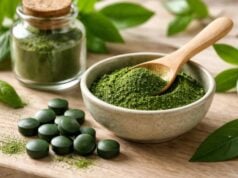
Centaury is a small flowering herb best known for one thing: a clean, unmistakable bitterness. That bitter taste is not just a sensory quirk—it is the reason centaury has long been used as a “bitter tonic” to help stimulate appetite and support comfortable digestion. Traditionally, the dried flowering tops are prepared as a tea, tincture, or extract and taken before meals, especially during periods of sluggish digestion, early fullness, or temporary loss of appetite.
Modern research has focused on the plant’s bitter glycosides, antioxidant polyphenols, and related compounds that may influence digestive secretions, gut motility, and inflammatory pathways. At the same time, the most practical way to think about centaury is as a targeted, short-term tool: useful when the goal is to “wake up” digestion, but not ideal for everyone—particularly people prone to ulcers or significant reflux.
This guide breaks down what centaury contains, what it may help with, how to use it in real life, and how to approach dosage and safety with care.
Centaury Essentials at a Glance
- May support appetite and digestion when taken 15–30 minutes before meals.
- Bitter compounds can help reduce “heavy” post-meal feelings for some people.
- Typical adult tea range: 1–4 g dried herb per 200 ml water, up to 4 times daily.
- Avoid if you have a peptic ulcer or frequent severe heartburn.
- Not recommended for pregnancy, breastfeeding, or people under 18 unless advised by a clinician.
Table of Contents
- What is centaury and what is in it
- Does centaury help digestion
- Centaury for blood sugar and liver
- How to use centaury
- How much centaury per day
- Side effects and who should avoid
- What the evidence says
What is centaury and what is in it
Centaury (Centaurium erythraea) is a slender herb in the Gentianaceae family, native to parts of Europe and Western Asia and naturalized in other temperate regions. It’s often called common centaury or small centaury. In traditional herbal practice, the above-ground flowering parts are typically harvested and dried for teas and extracts.
Because multiple plants share similar common names, it helps to clarify what centaury is not. It is not “gotu kola” (Centella asiatica), and it is not cornflower (Centaurea cyanus). Those are different botanicals with different chemistry and uses. When buying products, look for the Latin binomial Centaurium erythraea to avoid mix-ups.
Why bitterness matters
Centaury’s defining feature is its intense bitterness. Bitter taste can activate receptors in the mouth and upper digestive tract and may trigger a reflex pattern of digestive readiness: increased saliva, a stronger “pre-meal” digestive signal, and (in some people) improved comfort when digestion feels sluggish. That is why centaury is typically used before meals rather than after.
If you’ve used other bitter herbs—such as gentian—you’ll recognize the same “tonic” logic: the bitterness is the active experience. For a related bitter-herb profile, see gentian root digestive bitters overview.
Key active compounds
Centaury contains several groups of bioactive constituents. The most discussed include:
- Secoiridoid glycosides (bitter principles): commonly described members include swertiamarin, gentiopicroside, and sweroside. These are strongly bitter and are often used to explain centaury’s traditional “stomachic” (digestion-supporting) reputation.
- Xanthones and related polyphenols: a diverse category associated with antioxidant activity in laboratory studies.
- Flavonoids and phenolic acids: compounds that may contribute to antioxidant and anti-inflammatory activity and can vary depending on growing conditions and extraction method.
- Volatile components (minor amounts): centaury is not typically used as an aromatic essential-oil herb, but small amounts of volatile compounds can be present.
What “medicinal properties” means in practice
In everyday terms, centaury is best understood as a bitter herb that may:
- Encourage appetite when it is temporarily low
- Support digestion when meals feel heavy or slow to “move through”
- Provide antioxidant support (mainly a research-driven claim, not usually the primary reason people take it)
The rest of the article focuses on how those ideas translate into realistic, safe use.
Does centaury help digestion
Centaury is most often used for two closely related goals: stimulating appetite and supporting mild digestive discomfort—especially the kind that shows up as early fullness, a heavy feeling after eating, or reduced interest in food. Many people reach for it during stressful periods, after an illness, during travel, or whenever digestion feels “stuck in low gear.”
What it may help with
Centaury’s traditional digestive role fits a few common situations:
- Temporary loss of appetite: when hunger cues feel muted, taking a bitter tea or tincture before meals may make eating feel more natural.
- Mild dyspepsia-like discomfort: some people describe benefits such as less post-meal heaviness, less “brick in the stomach” sensation, and improved desire to eat at regular times.
- Digestive sluggishness: centaury is often framed as a gentle “starter” that helps initiate the digestive process rather than a quick fix for acute symptoms.
These effects are usually subtle. If you expect immediate symptom shutdown (like an antacid can provide), centaury may feel underwhelming. The more realistic goal is improved digestive momentum across several days.
How to take it for digestive support
Most bitter herbs work best when timing matches the physiology:
- Take it before meals (often 15–30 minutes beforehand).
- Keep the dose modest at first to gauge sensitivity.
- Stay consistent for several days before deciding whether it helps.
If the bitter taste is strong enough that you grimace, that’s normal—bitterness is part of the mechanism many traditional systems rely on. Some people dilute their dose in a small amount of water and take it quickly.
Pairing centaury with other digestive strategies
Centaury is a “signal” herb, not a soothing herb. If your main problem is cramping or gas, pairing bitters with a carminative approach is often more comfortable. For example, peppermint is frequently used for bloating and spasms; see peppermint support for bloating and gut spasms.
When digestion might worsen
Because centaury may increase digestive secretions, it is not ideal for everyone. People who already have frequent burning, known ulcers, or significant reflux symptoms may find that bitters intensify discomfort. In those cases, the “more digestive signal” approach can be the wrong direction.
A helpful rule: if your discomfort improves with bland foods and worsens with acidic, spicy, or bitter items, centaury is more likely to irritate than to help.
Centaury for blood sugar and liver
Beyond digestion, centaury is sometimes discussed for metabolic and liver-related support. This is where the conversation needs extra nuance: the most confident, tradition-backed use remains digestion and appetite, while blood sugar and liver claims are driven more by early-stage research and regional folk practice.
Centaury and blood sugar: what people mean
When people ask whether centaury “helps blood sugar,” they are usually referring to one of three ideas:
- Antioxidant support in metabolic stress: oxidative stress is often discussed in relation to insulin resistance and diabetic complications.
- Enzyme-related pathways: some lab research explores how plant compounds interact with carbohydrate-digesting enzymes.
- Traditional use in certain regions: in some herbal traditions, bitter plants are used as part of broader metabolic support routines.
The practical takeaway is cautious: centaury is not a substitute for medical diabetes care, and it should not be used to replace prescribed medications. If you choose to try it, the most responsible approach is to treat it as an adjunct and monitor your response carefully—especially if you already use glucose-lowering drugs.
If you are looking for a better-studied supplement specifically associated with glucose and lipid support, compare options and precautions in berberine dosing, benefits, and safety considerations.
Liver and bile support: the bitter-herb frame
Centaury is also described as supportive for “liver and gallbladder function,” often because bitter herbs are traditionally linked with bile flow and digestive efficiency—particularly fat digestion. In everyday terms, people reach for centaury when they associate symptoms like:
- Post-meal heaviness, especially after richer foods
- Reduced appetite alongside a feeling of digestive sluggishness
- A desire for a short “reset” routine rather than long-term supplementation
That said, bile-related claims can be tricky. If someone has gallstones, bile duct obstruction, or unexplained right-upper abdominal pain, stimulating digestive secretions without medical guidance is not a good idea. In those cases, symptoms deserve evaluation, not experimentation.
Why antioxidant and anti-inflammatory talk shows up
Centaury contains polyphenols (including flavonoids and xanthones) that are frequently studied for antioxidant and inflammation-modulating activity. This is relevant to liver and metabolic discussions because inflammation and oxidative stress are commonly implicated in many chronic conditions. The honest interpretation, however, is that these findings do not automatically translate into a predictable human benefit at typical tea or tincture doses.
A grounded way to use this information is to treat centaury as a short-term digestive and appetite herb first, and a possible metabolic bonus second—if it fits your situation and is medically appropriate.
How to use centaury
Centaury is versatile, but the best form depends on what you’re trying to accomplish and how sensitive your stomach is to bitterness. The main options are tea (infusion), tincture, and capsules or tablets.
Centaury tea (infusion)
Tea is the most traditional format and makes it easier to titrate dose.
A practical, kitchen-friendly method:
- Use 1–2 g dried centaury (often about 1–2 teaspoons, depending on cut and density).
- Pour 200 ml hot water over the herb.
- Cover and steep 10–15 minutes.
- Strain and drink.
Because centaury is intensely bitter, many people take it as a small “shot” rather than sipping a full cup. You can also dilute the brewed tea with additional water.
Tinctures and liquid extracts
Alcohol-based tinctures concentrate bitterness into a small volume, which can be helpful for people who want a quick pre-meal dose. If you avoid alcohol for medical, personal, or religious reasons, choose alcohol-free preparations or teas instead. Also note that “extract strength” varies widely (different herb-to-solvent ratios), so label instructions matter.
Capsules and tablets
Capsules are convenient and avoid taste, but they may reduce the classic “bitter reflex” experience that many herbal traditions consider part of the effect. If you choose capsules, look for clear labeling (plant part, extract ratio, and dose per capsule). A common approach is to start low and evaluate tolerance for a few days before increasing.
Combining centaury with other herbs
Centaury is often included in digestive blends alongside aromatics and other bitters. Pairings tend to fall into two themes:
- Bitter + carminative: for example, a bitter herb plus an aromatic herb that supports gas and cramping.
- Bitter + bile-oriented herbs: for people who mainly feel heavy after fatty meals.
Artichoke leaf is a common example in digestive formulations; see artichoke leaf digestive and liver support basics.
How to choose a quality product
A few quick checks make a big difference:
- Botanical name is listed: Centaurium erythraea.
- Plant part is clear: typically aerial parts.
- Preparation details are provided: extract ratio, alcohol percent (if relevant), and serving size.
- Smell and taste fit expectations: centaury should taste distinctly bitter; “barely bitter” products may be weak or overly diluted.
If your goal is appetite support, centaury usually works best as a short routine rather than something taken continuously for months.
How much centaury per day
Centaury dosing depends heavily on the form (tea vs tincture vs extract) and your tolerance for bitterness. Below are ranges commonly used in adult traditional practice and reflected in standardized herbal labeling for centaury preparations.
Common adult dosage ranges by form
- Herbal tea (infusion): 1–4 g dried herb in 200 ml hot water, up to 4 times daily
- Powdered herb: 0.25–2 g per dose, up to 3 times daily
- Liquid extract: 2–4 ml per dose, up to 3 times daily
- Tincture: often listed as about 1.5–5 ml per dose, up to 3 times daily (some labels express this as grams due to density)
- Soft extract: commonly around 0.2 g per dose, with a total daily amount often in the 1–2 g range
If you are using a commercial product, default to the label first—then use the ranges above as a reasonableness check.
Timing: before meals is usually best
For appetite and digestive “kick-starting,” the classic timing is:
- 15–30 minutes before meals, especially before your two largest meals
If your main issue is post-meal heaviness, you can still try pre-meal dosing, but it’s wise to start with one meal per day and adjust based on comfort.
A simple starter plan
If you want a structured, low-risk way to test centaury:
- Days 1–2: one small dose before one meal daily
- Days 3–7: increase to before two meals daily if well tolerated
- After 7–14 days: reassess; continue only if the benefit is clear
This approach limits unnecessary exposure and makes it easier to notice whether the herb is actually helping.
How long can you use it
Centaury is generally positioned as a short-term herb for temporary appetite and mild digestive support. If symptoms persist beyond two weeks, worsen, or are accompanied by red flags (unintended weight loss, persistent vomiting, black stools, anemia symptoms, severe pain), it’s safer to stop self-treatment and seek medical evaluation.
Factors that change the “right” dose
- Sensitivity to bitterness: some people feel nauseated at higher doses.
- Reflux tendency: lower doses are safer if you’re prone to burning.
- Product strength: extracts vary; 2 ml of one product may not equal 2 ml of another.
- Body size and meal size: larger meals and larger bodies sometimes tolerate stronger doses, but “more” isn’t automatically better.
The best dose is the smallest one that reliably improves your appetite or digestion without increasing discomfort.
Side effects and who should avoid
Centaury is not an “always safe” digestive herb. Its bitterness can be helpful, but that same digestive stimulation can be a problem for certain people and conditions. The goal is to match the herb to the person, not to the trend.
Possible side effects
Most side effects are digestive and dose-related:
- Stomach irritation, nausea, or queasiness (more common with higher doses or very empty stomachs)
- Increased heartburn or burning in people prone to reflux
- Abdominal discomfort if the herb is too strong for your system
- Allergic reaction (uncommon, but possible with any botanical)
If a bitter tea consistently makes you feel worse, treat that as useful feedback and stop.
Who should avoid centaury
Centaury is generally not appropriate for:
- People with peptic ulcer disease (current or recurrent)
- People with frequent severe reflux or burning that flares with bitter foods
- Children and adolescents under 18 unless a clinician specifically recommends it
- Pregnancy and breastfeeding (not because harm is proven, but because safety data are limited and alternatives are usually available)
Potential interactions and cautions
Definitive interaction studies are limited, so the best approach is practical caution:
- Diabetes medications or insulin: if you use centaury as part of metabolic support, monitor glucose more closely when starting and avoid aggressive dosing changes.
- Acid-suppressing medications: centaury may feel counterproductive if your comfort depends on reducing stomach acidity.
- Alcohol-containing tinctures: avoid if you must limit alcohol exposure or if alcohol triggers symptoms.
- Gallbladder concerns: if you have gallstones, bile duct issues, or unexplained right-sided abdominal pain, avoid self-directing “bile support” herbs.
When to stop and get checked
Stop centaury and seek medical guidance if you develop:
- Persistent worsening pain
- Vomiting that does not resolve
- Black or tarry stools
- Trouble swallowing, persistent chest burning, or unexplained weight loss
- Signs of allergic reaction (hives, facial swelling, breathing difficulty)
If your main goal is liver support and you want an herb with a long history of use in that context, you may want to review milk thistle liver support and safety basics—and still consider clinician input if you have liver disease or take multiple medications.
What the evidence says
Centaury sits in an interesting evidence position: it is strongly established in traditional digestive practice, yet modern clinical studies in humans are relatively limited compared with more heavily researched botanicals. That doesn’t mean it “doesn’t work,” but it does mean you should set expectations realistically and use it thoughtfully.
Where the evidence is strongest
The most coherent evidence story aligns with centaury’s classic role as a bitter herb:
- Mechanistic plausibility: bitterness can trigger digestive signaling and help explain why pre-meal dosing is common.
- Traditional continuity: centaury has a long record of use for appetite and mild dyspeptic complaints.
- Phytochemistry is well described: researchers consistently identify bitter secoiridoids and antioxidant polyphenols that plausibly contribute to its traditional uses.
This combination—plausible mechanism, consistent traditional use, and known active compound classes—supports centaury as a reasonable choice for short-term digestive “tonic” goals when contraindications are absent.
Where the evidence is weaker or early-stage
Claims around blood sugar, liver protection, antimicrobial effects, and systemic anti-inflammatory activity are mostly supported by:
- Laboratory studies (test-tube experiments)
- Animal models
- Reviews that summarize preclinical findings and ethnobotanical reports
These are valuable for hypothesis-building, but they do not provide the same confidence as well-designed human trials. In practice, this means metabolic and liver claims should be framed as possible rather than proven, and they should never replace standard medical care.
What product variability means for real results
Two people can have very different outcomes with centaury because:
- Plant chemistry varies with species identity, harvest time, and growing conditions
- Extract methods change what ends up in the bottle or capsule
- Bitter intensity can predict “digestive signal strength,” but does not guarantee symptom improvement
If you try centaury and it does nothing, that can reflect either a mismatch for your symptoms or a weak product. If it helps, the simplest explanation is often the best: your body responded well to the bitter digestive cue.
A sensible way to interpret centaury’s value
Centaury is best treated as:
- A short-term tool for temporary appetite and mild digestive sluggishness
- A lower-confidence option for metabolic or liver goals unless guided by a clinician
- A herb that requires extra care in people prone to ulcers or significant reflux
In other words: centaury is not hype, but it is not a cure-all. When used for the right reason, at the right dose, for the right amount of time, it can be a practical part of a digestion-supporting routine.
References
- European Union herbal monograph on Centaurium erythraea Rafn. s.l., herba 2015 (Guideline)
- Phytochemical properties, biological activities and medicinal use of Centaurium erythraea Rafn 2021 (Review)
- Treatment of Gastrointestinal Disorders—Plants and Potential Mechanisms of Action of Their Constituents 2022 (Review)
- Therapeutic Potential of Gentianaceae Family Plants in the Treatment of Diabetes and Its Complications 2025 (Review)
Disclaimer
This article is for educational purposes only and does not provide medical advice, diagnosis, or treatment. Herbal products can cause side effects and may interact with medications or health conditions. If you are pregnant, breastfeeding, have a chronic condition (such as ulcer disease, reflux, diabetes, or liver or gallbladder disorders), or take prescription medications, consult a qualified healthcare professional before using centaury. Seek medical care promptly for persistent or worsening digestive symptoms, significant pain, black stools, vomiting, or signs of an allergic reaction.
If you found this guide useful, consider sharing it with friends or clients on Facebook, X (formerly Twitter), or your preferred platform to help others make safer, more informed choices about herbal use.