Chayote (Sechium edule) is a mild, crisp member of the squash family that behaves like a vegetable in the kitchen and a “nutrient helper” in everyday nutrition. Its pale green, pear-shaped fruit is low in calories and naturally hydrating, yet it contributes meaningful fiber, folate, vitamin C, and potassium—nutrients that support steady energy, digestive regularity, and cardiovascular function. In traditional wellness systems across Mesoamerica and beyond, chayote fruit and leaves have also been used for metabolic balance and gentle diuretic support.
What makes chayote especially interesting today is how well it fits modern goals: it’s easy to prepare, adapts to savory or lightly sweet dishes, and pairs well with heart-healthy eating patterns. Research on concentrated chayote powders and extracts is emerging (especially for metabolic syndrome), but most people benefit simply by using it as a smart, consistent food choice—while keeping safety and medication interactions in mind.
Quick Overview
- Adding 1–2 servings regularly can support digestive comfort and cardiometabolic goals as part of a balanced diet.
- If you use supplements, studies often use 500 mg dried chayote powder 2–3 times daily (1,000–1,500 mg/day).
- Avoid very bitter chayote; extreme bitterness in squash-family plants can signal irritating compounds.
- Use extra caution if you take diabetes or blood-pressure medications, since chayote preparations may reinforce their effects.
- Avoid concentrated extracts if pregnant or breastfeeding, or if you have advanced kidney disease.
Table of Contents
- What is chayote?
- Key nutrients and active compounds
- Health benefits and medicinal properties
- How to use chayote daily
- How much chayote per day?
- Chayote safety and interactions
- What research says about chayote
What is chayote?
Chayote is the edible fruit of Sechium edule, a climbing vine in the Cucurbitaceae family (the same plant family as cucumbers, melons, and squash). You may also see it sold as mirliton, vegetable pear, chocho, or choko, depending on the region. The fruit is usually light green and wrinkled, with a single soft seed inside. Some varieties have small spines, while others are smooth-skinned.
In the kitchen, chayote’s appeal is its versatility and gentle flavor. Raw chayote is crisp—closer to cucumber or jicama than to dense winter squash—while cooked chayote becomes tender and subtly sweet. The seed is edible, too, and many cooks treat it like a soft “bonus” that can be sliced into soups or mashed with the cooked flesh.
While the fruit is the most common part eaten, chayote has a “whole-plant food” tradition in some cuisines. Depending on local availability and variety, people may also eat:
- Tender shoots and leaves (often sautéed, steamed, or added to broths)
- The starchy root (in certain types and growing conditions)
- The seed (especially when the fruit is cooked)
Buying and storing chayote is simple. Choose fruits that feel firm and heavy for their size, without deep cuts or wet spots. Wrinkles are normal, but avoid fruits that look dehydrated or have large soft areas. Store chayote in the refrigerator crisper drawer; it typically keeps well for 1–2 weeks.
One practical detail: chayote can release a sticky sap when peeled or cut. It is not dangerous for most people, but it can feel stubborn on the hands. A quick rinse under warm water while rubbing your hands together often helps, and some cooks peel under running water or use gloves if they have sensitive skin.
Key nutrients and active compounds
Chayote’s nutrition profile is “light but meaningful.” It is mostly water and very low in fat, which makes it useful for people who want volume and crunch without heavy calories. Even so, it contributes several nutrients that matter for everyday physiology—especially when you eat it regularly rather than occasionally.
Key nutrients you’ll commonly get from chayote include:
- Fiber (including soluble fiber/pectin): supports regularity, helps you feel full, and can soften post-meal glucose spikes.
- Folate: important for DNA synthesis and cell division, and especially relevant during periods of rapid growth (such as pregnancy, although whole-food chayote is only one part of folate intake).
- Vitamin C: supports immune function, collagen formation, and antioxidant defenses.
- Potassium and magnesium (in modest amounts): support fluid balance, nerve signaling, and healthy blood pressure.
For a practical benchmark, a typical 1-cup serving of raw chopped chayote is low-calorie and usually provides a couple grams of fiber plus a noticeable amount of folate and vitamin C. Exact values vary by fruit size, variety, and whether it’s raw or cooked, but the general pattern is consistent: chayote is a “high-satiety, micronutrient-support” food.
Beyond vitamins and minerals, chayote contains plant bioactives that are drawing research interest:
- Flavonoids such as quercetin, myricetin, naringenin, and apigenin (varies by plant part and cultivar)
- Phenolic acids such as chlorogenic, caffeic, ferulic, and gallic acids
- Cucurbitacins (bitter defense compounds found across the squash family; levels vary and are usually low in pleasant-tasting fruit)
Why do these matter? In lab and early clinical contexts, these compounds are often discussed in relation to oxidative stress pathways and inflammatory signaling. In plain language, they may help the body “handle” metabolic strain more efficiently—especially when paired with a diet that already supports healthy glucose and lipid balance.
If you want to make chayote more nutritionally useful, small choices help:
- Cook gently (steam, simmer, quick sauté) to preserve texture and reduce nutrient loss.
- Use the skin when it’s tender and clean, since many plant compounds concentrate near the outer layers.
- Pair it with a source of protein or healthy fat if you want longer satiety (for a higher-fat, potassium-rich contrast, see avocado nutrition and heart benefits).
Health benefits and medicinal properties
Most chayote “benefits” are best understood as realistic outcomes of a low-glycemic, fiber-forward vegetable that also contributes antioxidant compounds. In other words: it is not a miracle food, but it can be a smart lever—especially when used consistently.
Metabolic support (blood sugar and insulin sensitivity)
Chayote is naturally low in sugar and provides soluble fiber, which can slow carbohydrate absorption and help smooth the post-meal rise in glucose. Emerging clinical research on dried chayote preparations (often used in capsule form) suggests possible improvements in fasting glucose and related metabolic markers in older adults with metabolic syndrome. That does not mean chayote replaces standard care—but it may be a supportive piece for people working on diet and lifestyle foundations. If your main goal is glucose support and you want a stronger “bitter vegetable” approach, you may also compare it with bitter melon’s blood sugar applications.
Heart and blood-pressure alignment
Chayote’s potassium, low sodium, and hydration-friendly profile fit well into eating patterns commonly recommended for blood pressure. Fiber may also support healthier lipid patterns over time by improving satiety and supporting overall dietary quality. If you tend to snack on refined carbs, swapping in chayote-based meals can indirectly help triglycerides and weight management.
Digestive comfort and weight management
Because it is bulky, low-calorie, and fiber-containing, chayote can help you feel satisfied without a heavy energy load. This is especially useful when you want a larger plate without pushing calories upward. Many people find that replacing part of a starchy side dish with chayote (or mixing chayote into soups and stews) reduces cravings later in the day.
Antioxidant and inflammation modulation
Traditional uses often frame chayote as “cooling” or balancing. Modern language would describe this as antioxidant support and potential influence on inflammatory signaling. Some clinical work in metabolic syndrome populations suggests chayote powders may improve markers linked to oxidative stress and inflammatory tone. The practical takeaway: if you already follow a diet high in plants, chayote can be one more helpful contributor; if your diet is low in plant variety, chayote alone is unlikely to compensate.
Gentle diuretic tradition (especially with leaves)
In some traditions, chayote leaves are prepared as a tea for fluid balance. If you are considering this, treat it as a mild, food-like practice rather than a substitute for medical diuretics, and consider medication interactions (covered below).
How to use chayote daily
Chayote is easiest to use when you treat it like a crossover between cucumber and zucchini: it can be eaten raw for crunch, or cooked for a tender, soak-up-the-flavor texture. Its mildness is an advantage—especially for people who want more vegetables without strong bitterness.
Easy food uses (practical and repeatable)
- Raw: thin-slice into salads, shred into slaws, or cube for a crisp salsa-like side with lime and herbs.
- Steamed or simmered: add to soups, broths, and stews where it takes on surrounding flavors.
- Sautéed: cook with onions, garlic, and spices; finish with lemon or vinegar for brightness.
- Roasted: roast wedges until lightly browned; it becomes softer and slightly sweeter.
- Stuffed: hollow halves and bake with a protein-and-vegetable filling.
- Seed included: if the seed is tender, slice and cook it with the flesh; it becomes soft and pleasant.
A quick prep method for busy days
- Wash well. If the skin is tender, you can leave it on.
- Cut in half lengthwise and remove the seed if you prefer (it’s edible).
- Slice or cube. If sap is sticky, rinse under warm water and rub hands together.
- Cook 6–12 minutes depending on thickness (steam/simmer) or 10–20 minutes (roast/sauté) until fork-tender.
Traditional-style tea (leaf use)
If you have access to clean, properly identified chayote leaves (not treated with pesticides), they are sometimes prepared as an infusion:
- Fresh leaves: gently rinse, then steep a small handful in hot water for 10–15 minutes.
- Dried leaves: use a small measured amount (see dosage section) and strain well.
Keep expectations grounded: leaf tea is generally used as a mild wellness practice, not a targeted therapy. If you have kidney disease, take diuretics, or manage blood pressure with medication, talk with a clinician before using leaf preparations regularly.
Food pairing tip: chayote is excellent in thickened soups and stews because it holds texture without becoming slimy. If you like that “silky body” in soups, you may also enjoy the texture notes found in okra-focused dishes and nutrition, which similarly pair well with broths and spices.
How much chayote per day?
There is no single “official” dose for chayote because it sits in two worlds: it’s a common food, yet some studies investigate concentrated powders as a nutraceutical. The right amount depends on your goal, your digestive tolerance, and whether you’re eating the whole food or taking a supplement.
Culinary intake (whole-food guidance)
For most healthy adults, chayote can be treated like other non-starchy vegetables:
- Typical serving: 1 cup raw chopped or 1 cup cooked (roughly a medium portion).
- Common daily range: 1–2 servings per day if you enjoy it and it fits your diet.
- Best timing: with meals, especially if you’re aiming for steadier post-meal energy and better satiety.
If you’re increasing fiber overall, increase gradually. A sudden jump in vegetable fiber can cause bloating or gas in sensitive people. A practical approach is to start with half a serving daily for several days, then build to 1–2 servings as tolerated.
Supplement-style intake (powder or capsule)
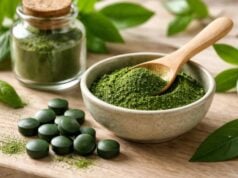
Chayote supplements are not standardized across brands. When people use them, it’s often based on doses used in metabolic syndrome research using dried chayote powder. A common study pattern is divided dosing across the day.
- Research-style range: 1,000–1,500 mg per day of dried chayote powder, often divided into 2–3 doses.
- Start-low option: 500 mg once daily for 3–7 days, then increase only if you tolerate it well.
- Duration: studies commonly run for months; for self-use, reassess at 4–8 weeks with your clinician if you’re using it for metabolic goals.
Chayote leaf tea (traditional use)
For teas, think in “food-like” quantities rather than medicinal extremes.
- Typical range: 1 cup daily, up to 2 cups daily if well tolerated.
- Use cycles: consider taking breaks (for example, 2–3 weeks on, 1 week off) unless your clinician advises otherwise.
If your main objective is fiber-driven cholesterol or glucose support and you struggle to meet fiber goals with food alone, it may help to compare with well-studied soluble fibers such as psyllium for digestive support. Chayote can still be part of that plan, but it usually works best as a consistent vegetable habit rather than a stand-alone “dose.”
Chayote safety and interactions
For most people, chayote as a food is very safe. The main concerns show up when someone has specific allergies, uses concentrated preparations, or takes medications that could be affected by improved glucose control or fluid balance.
Possible side effects
- Digestive upset: large portions (especially when you’re not used to high-fiber foods) can cause gas, bloating, or loose stools.
- Skin irritation from sap: the sticky latex-like sap can irritate sensitive skin. Gloves, peeling under running water, or washing hands promptly usually solves it.
- Bitterness warning: avoid extremely bitter chayote. In squash-family plants, intense bitterness can indicate higher levels of cucurbitacins, which may irritate the stomach and intestines.
Medication interactions and cautions
- Diabetes medications: chayote powders may reinforce glucose lowering. If you take insulin or oral diabetes drugs, monitor for low blood sugar symptoms and discuss changes with your clinician.
- Blood-pressure medications and diuretics: chayote’s food profile is generally compatible with heart-healthy diets, but leaf tea and concentrated supplements could theoretically add to blood-pressure lowering or fluid shifts in sensitive individuals.
- Kidney disease: chayote contains potassium. In advanced kidney disease where potassium restriction is required, you may need portion guidance from your renal team.
Special populations
- Pregnancy and breastfeeding: chayote as a normal food serving is generally considered appropriate in a balanced diet. Avoid concentrated extracts or heavy medicinal-style leaf use unless your clinician specifically approves.
- Children: whole chayote in age-appropriate forms is fine; avoid supplements unless directed by a pediatric clinician.
- Allergy-prone individuals: if you have known allergies to squash-family plants or latex-like saps, introduce carefully and stop if you develop itching, swelling, or hives.
Food safety and handling
- Wash the skin well if you plan to eat it.
- Refrigerate cut pieces in a sealed container and use within a few days.
- If the fruit is soft, leaking, or smells off, discard it.
Bottom line: use chayote confidently as a vegetable, but treat supplements and leaf preparations with the same caution you would use for any bioactive product—especially when medications are involved.
What research says about chayote
Chayote research is expanding, but the evidence is not evenly strong across all claimed benefits. The most persuasive human data so far focuses on metabolic syndrome in older adults, where specific chayote preparations (often dried powder in capsules) are studied over several months. Findings in this area suggest potential improvements in glucose-related markers and changes in oxidative stress and inflammation pathways. That said, these studies are relatively specific in population and preparation, so the results do not automatically apply to every age group, health condition, or supplement brand.
A key limitation is variability. “Chayote” can mean different cultivars, different parts of the plant (fruit vs. leaves vs. shoots), and very different processing methods (whole food, dried powder, ethanolic extract). These differences can change the polyphenol profile and the concentration of compounds that influence metabolic signaling. This is one reason chayote works best as a food habit—because whole-food use is simpler, safer, and more consistent.
Preclinical studies (cells and animals) add promising signals—such as antioxidant activity, improved lipid patterns, and cardiometabolic effects under diabetic conditions—but these models often use concentrated extracts and do not perfectly predict human outcomes. Pharmacokinetic work is also emerging to clarify how chayote compounds are absorbed and metabolized, which is essential before strong claims about “therapeutic dosing” are justified.
How to interpret this as a reader
- Strongest practical case: use chayote as part of a vegetable-forward diet for fiber, micronutrients, and meal volume.
- Plausible adjunct: consider research-style powders only with clinician awareness if you have metabolic syndrome, especially if you track glucose.
- Weakest and most speculative areas: claims about curing disease, replacing medication, or delivering cancer-level therapeutic effects.
If you want chayote to “perform” nutritionally, think in patterns: frequent vegetables, adequate protein, and overall antioxidant variety. Chayote can contribute nicely alongside other plant staples, including leafy greens such as kale and its antioxidant profile.
References
- Hypoglycemic Effects of Sechium edule (Chayote) in Older Adults: A Systematic Review and Meta-Analysis of Clinical and Preclinical Trials – PMC 2025 (Systematic Review and Meta-Analysis)
- The consumption of Sechium edule (chayote) has antioxidant effect and prevents telomere attrition in older adults with metabolic syndrome – PMC 2023 (Clinical Trial)
- The Supplementation of Sechium edule var. nigrum spinosum (Chayote) Promotes Nrf2-Mediated Antioxidant Protection in Older Adults with Metabolic Syndrome | MDPI 2023 (Clinical Trial)
- Evaluation of Sechium edule fruit attenuation impact on the cardiomyopathy of the STZ-induced diabetic rats – PMC 2024 (Preclinical Study)
- Pharmacokinetic Profile of Extracts from the Chayote (Sechium edule) H387 07 Hybrid and Phytochemical Characterization of Its Segregant H387 M16 for Potential Therapeutic Applications – PMC 2025 (Pharmacokinetics)
Disclaimer
This article is for educational purposes and does not replace personalized medical advice, diagnosis, or treatment. Foods and plant preparations can affect blood sugar, blood pressure, and medication response differently from person to person. If you are pregnant or breastfeeding, have kidney disease, diabetes, cardiovascular disease, or take prescription medications (especially glucose-lowering or blood-pressure drugs), consult a qualified clinician before using chayote supplements or regular medicinal-style leaf preparations. Seek urgent care for signs of a serious allergic reaction, severe abdominal symptoms, or symptoms of low blood sugar.
If you found this guide helpful, consider sharing it with friends or family on Facebook, X (formerly Twitter), or your favorite platform so others can make safer, more informed choices.