Cilantro is one of those everyday herbs that quietly does a lot. The fresh leaves and tender stems of Coriandrum sativum bring a bright, citrusy lift to food, while the dried seeds (usually sold as coriander) add warm, nutty depth. From a health standpoint, cilantro is best viewed as a nutrient-dense flavor tool: it delivers antioxidants and plant oils, encourages vegetable-forward cooking, and may support digestion and metabolic balance when used consistently.
You’ll also see cilantro promoted for “detox,” especially heavy metals. The truth is more nuanced. Cilantro has promising lab and animal research, but human evidence for detox claims is limited, and real-world benefits depend far more on overall diet quality than on any single herb. That said, cilantro is practical: it’s easy to add to meals, it pairs well with many cuisines, and most people tolerate it well in food amounts. This guide explains what cilantro contains, what it may help with, how to use it, and how to stay safe—especially if you have allergies, reflux, or take certain medications.
Top Highlights
- Regular cilantro use can support digestion and meal satisfaction, especially in fiber-rich meals.
- Coriander seed preparations show more consistent metabolic findings than leaf-only interventions.
- Typical food dose range: 5–25 g fresh cilantro daily (about 1/4–1 cup chopped), adjusted to taste.
- Avoid concentrated cilantro or coriander supplements if you have a spice allergy, take warfarin, or have frequent severe reflux unless your clinician approves.
Table of Contents
- What is cilantro?
- Key ingredients and medicinal properties
- What does cilantro help with?
- Can cilantro support metabolic health?
- Does cilantro detox heavy metals?
- How to use cilantro
- Dosage, safety, interactions, and evidence limits
What is cilantro?
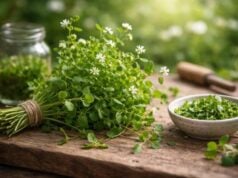
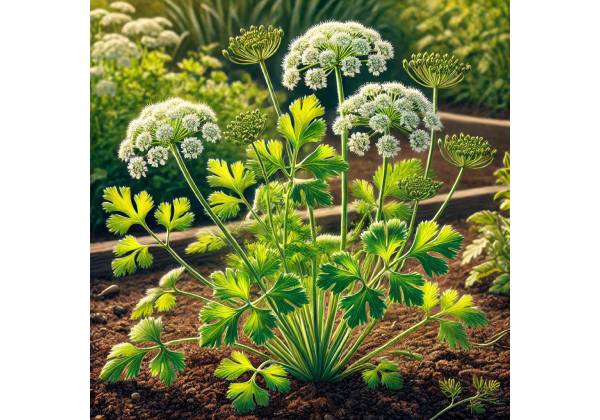
Cilantro is the leafy part of Coriandrum sativum, an aromatic plant in the Apiaceae family (the same broad family as parsley, celery, fennel, and dill). In many regions, “cilantro” refers to the fresh leaves and stems, while “coriander” refers to the dried seeds. That distinction matters because the leaf and seed have different flavors, different dominant plant oils, and somewhat different research traditions.
From a kitchen perspective, cilantro is valued for three reasons:
- Freshness: it adds a crisp, bright note to rich foods (beans, meats, eggs, roasted vegetables).
- Balance: it can reduce the need for heavy sauces by adding aroma and complexity.
- Versatility: it works in salsas, soups, salads, marinades, and herb-forward sauces.
From a nutrition perspective, cilantro is low in calories but contributes:
- Vitamin K (important for blood clotting balance and bone health)
- Carotenoids (vitamin A activity), plus vitamin C in smaller amounts
- Potassium and other minerals in modest quantities
- Polyphenols and aromatic oils that add antioxidant activity
If you’re choosing cilantro for nutrient density, the simplest strategy is frequency, not volume: small amounts most days do more than a large bunch once a month. It also helps to treat cilantro as part of an “herb rotation,” mixing it with other fresh greens. For example, parsley has a different flavor and phytochemical profile; see parsley and metabolic benefits if you want a close cousin with a similar role in cooking.
One of cilantro’s most talked-about quirks is the “soapy taste” experience. Some people perceive cilantro as unpleasantly soapy due to a genetic sensitivity to certain aldehydes (aroma compounds). If that’s you, you’re not imagining it. You can sometimes soften the effect by:
- using smaller amounts mixed with other herbs
- adding cilantro at the end of cooking rather than raw
- leaning more on coriander seed, which tastes entirely different
In short, cilantro is a culinary herb with genuine functional potential, but its real advantage is practical: it makes healthy meals taste better and feel more complete.
Key ingredients and medicinal properties
Cilantro’s “active ingredients” are not a single compound but a blend of aromatic oils and plant polyphenols that vary by plant part, freshness, and storage. Leaves are rich in green, citrusy aroma compounds, while seeds tend to concentrate warm, floral terpenes (especially linalool). Understanding that split helps you choose the right form for your goal.
Key compounds in cilantro leaves
Cilantro leaves and stems commonly contain:
- Aldehydes (notably unsaturated aldehydes) that create the signature fresh, citrusy aroma
- Flavonoids such as quercetin-like and kaempferol-like compounds (antioxidant and anti-inflammatory signaling)
- Phenolic acids that contribute antioxidant capacity
- Small amounts of coumarins and related phytochemicals (more relevant to safety discussions than to “strong effects”)
These compounds help explain why cilantro is often described as:
- Carminative: supporting digestion and easing the “heavy meal” feeling
- Antioxidant: helping the body manage oxidative stress signals
- Mild antimicrobial in lab models: particularly via essential oil constituents and extracts
- Anti-inflammatory (modest): mainly suggested by lab and animal work, with limited direct human confirmation
Key compounds in coriander seeds
Coriander seeds tend to be dominated by:
- Linalool and other terpenes (aromatic, antimicrobial activity in lab settings, and often the focus of essential oil research)
- Polyphenols that may influence metabolic markers
- Dietary fiber (when used as whole or ground seed in food)
Because many clinical studies use seed powder or seed extracts, you’ll often see stronger “metabolic” headlines attached to coriander rather than cilantro leaves. That doesn’t mean the leaves are ineffective; it means the research is uneven and the preparations differ.
Why preparation changes effects
Cilantro’s most volatile oils are fragile. Heat, time, and air exposure can reduce aroma compounds quickly, which matters because aroma is not just taste—it’s part of how herbs influence appetite and satisfaction. Practical implications:
- Fresh and raw cilantro keeps the most volatile oils.
- Light cooking softens sharp aldehydes (helpful for “soapy” sensitivity) but can reduce top-note aroma.
- Dried leaf is usually less potent than fresh.
- Frozen cilantro retains more character than dried, especially if frozen soon after purchase.
If you want to connect cilantro’s benefits to specific antioxidant compounds, it can help to understand flavonoids more broadly; see quercetin benefits and dosing for context on how common flavonoids behave in the body.
The key takeaway is that cilantro’s medicinal properties are plausible and biologically interesting, but most benefits are likely to come from consistent culinary use, not from chasing a single “active ingredient.”
What does cilantro help with?
Cilantro is most useful for everyday, “functional” goals—things that improve when meals are calmer, more balanced, and easier to digest. While claims sometimes get exaggerated online, cilantro has a solid practical role in digestive comfort, appetite support, and food pattern quality.
Digestive comfort and appetite
Cilantro is traditionally used for:
- post-meal heaviness
- gas and bloating
- mild nausea
- appetite “flatness,” especially with bland diets
Aromatics can influence digestion through multiple pathways: increased saliva and digestive secretions, smoother meal pacing, and more satisfaction with lower-sugar, higher-fiber foods. Cilantro’s bright flavor often makes it easier to eat more legumes, vegetables, and lean proteins—foods strongly linked to gut and metabolic health.
A realistic way to use cilantro for digestion is to add it to meals that tend to cause heaviness:
- bean dishes and lentils
- rich meats or fried foods (where cilantro can reduce “greasy fatigue”)
- eggs and dairy-based dishes (where freshness balances richness)
If your main goal is gas and cramping, cilantro can be paired with other carminative herbs. Many people compare it with peppermint, which has stronger evidence for certain digestive discomfort patterns; see peppermint for digestive relief for a related approach.
Oral and breath-support routines
Cilantro is often used to freshen breath and “clean up” strong flavors (garlic, fish, onions). While this is partly a sensory effect, it can also support oral hygiene habits indirectly: people are more likely to eat nutrient-dense foods and still feel comfortable socially when herbs improve breath and mouthfeel.
A simple food-based routine:
- add cilantro at the end of cooking to preserve aroma
- combine with acidic elements (lime, vinegar) for a “clean finish” without sugar
Food pattern benefits that are easy to overlook
Some of cilantro’s most realistic health benefits are “second-order” benefits:
- it nudges you toward home cooking
- it makes simple foods feel more satisfying
- it can reduce reliance on sugary sauces
- it encourages eating more plant diversity
These patterns matter more than any single biochemical effect for most people. If cilantro helps you consistently eat more vegetables and beans, that’s a meaningful health lever—even if you never take a supplement.
What cilantro is unlikely to do
Cilantro is not a stand-alone treatment for chronic digestive disease, persistent nausea, or severe IBS flares. If you have ongoing abdominal pain, blood in stool, unexplained weight loss, or persistent reflux, the right move is medical evaluation, not higher cilantro intake.
Used in its natural role—fresh, frequent, and food-based—cilantro can be a steady support for digestion and meal quality.
Can cilantro support metabolic health?
“Metabolic health” is a big term, and cilantro’s role is best described as supportive rather than dramatic. The most consistent human findings in this area tend to involve coriander seed powder or extracts, but cilantro leaves can still contribute through diet pattern effects and antioxidant intake.
Blood sugar and insulin dynamics
Coriander seed interventions have been studied for fasting glucose, insulin sensitivity markers, and oxidative stress status in people with metabolic risk. Results vary by dose and duration, but a practical, evidence-aligned takeaway is:
- coriander seed products may support modest improvements in glucose-related markers in some people
- benefits are more likely when used consistently for several weeks and paired with diet changes
- effects are not reliable enough to replace prescribed diabetes management
For cilantro leaves, the most practical blood sugar contribution is substitution: cilantro helps you build meals that rely less on refined starches and sugary sauces. If you use cilantro to make legumes, vegetables, and protein more appealing, post-meal glucose often improves for reasons that have nothing to do with “detox.”
Lipids and cardiovascular markers
Coriander seeds are also studied for lipid changes such as triglycerides and LDL patterns. Again, the likely effect is modest. Where cilantro helps most reliably is in seasoning strategies:
- it adds flavor without sodium-heavy sauces
- it supports “fresh finish” meals that rely more on whole foods
- it pairs naturally with heart-friendly ingredients like beans, olive oil, fish, and vegetables
A practical heart-supportive pattern is to use cilantro with garlic, citrus, and legumes. Garlic has a stronger evidence base for some cardiometabolic outcomes; see garlic health benefits and applications for a complementary approach that works well in the same cuisines.
Blood pressure and vascular tone
Cilantro itself is not a proven antihypertensive therapy, but it can support behaviors that improve blood pressure:
- eating more potassium-rich plant foods
- reducing reliance on highly processed foods
- making lower-sodium meals feel satisfying
If you notice dizziness, low blood pressure, or lightheadedness and you are using multiple blood pressure medicines, be cautious with concentrated coriander extracts that may add to vasodilation. Food amounts of cilantro are unlikely to be a problem for most people, but supplements can shift the risk profile.
How to use cilantro for metabolic goals
Instead of “more cilantro,” aim for “better meal structure”:
- add cilantro to protein-forward meals and bean dishes
- use cilantro to replace sugary condiments (herb sauces instead of sweet glazes)
- include coriander seeds in spice blends for consistent intake without huge leaf volumes
Overall, cilantro and coriander can be part of a metabolic-supportive plan, but the plan still has to be built on the basics: fiber, protein, movement, sleep, and medication adherence where needed.
Does cilantro detox heavy metals?
Cilantro is widely promoted as a “detox herb,” especially for heavy metals like mercury or lead. This is one of the most common cilantro search intents—and also one of the areas where the gap between online claims and solid evidence is the widest.
What the evidence actually suggests
The detox story largely comes from:
- lab and animal research where extracts are used in controlled exposures
- small or older human observations that are difficult to interpret
- the general plausibility that certain plant compounds could bind metals or influence excretion pathways
But plausibility is not proof. In humans, “metal detox” is complicated: exposure source, kidney function, diet quality, and validated chelation protocols matter far more than any single herb. Some reports suggest cilantro extracts might influence metal handling under specific conditions, while other data show no meaningful difference from placebo in real-world settings. That inconsistency is exactly why cilantro should not be treated as a primary detox tool.
Why cilantro still gets credit
Cilantro can still be helpful in a different way: it supports dietary patterns that reduce toxicant burden over time. For example:
- cooking at home more often can reduce exposure to ultra-processed foods and certain packaging-related contaminants
- eating more fiber supports regular elimination
- increasing plant diversity improves antioxidant intake, which can support resilience against oxidative stress linked to exposures
These benefits are indirect but reliable, and they scale with consistency.
How to approach detox claims safely
If you are concerned about heavy metals, the safest steps are:
- Identify and reduce the exposure source (water, workplace, supplements, hobbies, cookware).
- Use validated testing and clinician guidance when warranted.
- Build a supportive diet pattern: adequate protein, minerals (especially iron and calcium status), fiber, and hydration.
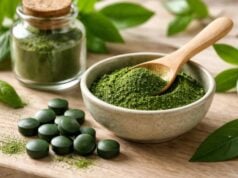
If you’re considering supplements marketed for detox, be cautious. Some products include aggressive binders or multiple botanicals that can cause constipation, medication interference, or electrolyte issues. If you want to understand a common “detox supplement” people compare with cilantro, see chlorella and detox nutrition—and treat it as something to evaluate carefully, not automatically adopt.
Bottom line
Cilantro is a valuable herb, but it is not a substitute for medical evaluation or evidence-based management of heavy metal exposure. The most responsible use is to treat cilantro as a daily food herb that improves meal quality and plant diversity, while keeping detox claims grounded and cautious.
How to use cilantro
Cilantro works best when you make it easy to use. People often buy a bunch, use a few sprigs, then watch the rest wilt. A little planning turns cilantro into a consistent habit rather than a weekly food-waste moment.
Best culinary uses
Cilantro shines in these roles:
- Finish herb: add at the end of cooking to preserve aroma
- Herb base: blend into sauces with olive oil, yogurt, or citrus
- Crunch and freshness: add to salads, slaws, and grain bowls
- Flavor bridge: pair with lime, garlic, cumin, and chili to make beans and vegetables more satisfying
If you want cilantro’s flavor without relying on huge leaf amounts, use the seed too. Coriander seeds are excellent toasted and ground into spice blends, and they bring a warmer profile that many “cilantro-soap” tasters tolerate well. Cumin is one of cilantro’s most natural partners; see cumin health benefits and uses for a companion spice that fits the same meals.
Storage that actually works
Two reliable storage methods:
- Jar method: trim stem ends, place in a jar with a little water, loosely cover the leaves, and refrigerate. Refresh water every 1–2 days.
- Towel method: wrap cilantro in a barely damp paper towel and store in a container or bag with some air space.
Avoid washing the whole bunch and storing it wet; excess moisture speeds decay. Instead, wash right before use.
Freezing and drying
- Freezing: chop cilantro and freeze in ice cube trays with water or oil. This preserves functional flavor for soups and cooked dishes.
- Drying: dried cilantro leaf is usually less aromatic than fresh; use it when fresh isn’t available, but don’t expect the same brightness.
Tea and simple infusions
Cilantro tea is sometimes used for digestion. A gentle option:
- steep 1–2 teaspoons dried leaf (or a small handful of fresh) in hot water for 5–10 minutes
- strain and sip after meals
If you’re reflux-prone, keep it mild and avoid drinking large volumes right before bed.
Essential oil caution
Coriander or cilantro essential oil is highly concentrated. It is not appropriate for casual home ingestion. If used at all, it’s typically in aromatherapy or in properly formulated products where dose control and safety testing are clearer.
Used as a food herb, cilantro is simple, flexible, and easy to personalize. Your best “use” is the one you can repeat.
Dosage, safety, interactions, and evidence limits
Cilantro is generally safe in food amounts, but the safety profile changes when you use large daily volumes, concentrated powders, or extracts. The most responsible dosing approach is food-first, symptom-guided, and consistent.
Practical dosage ranges
For culinary use:
- Fresh cilantro: about 5–25 g daily (roughly 1/4 to 1 cup chopped, depending on how tightly packed it is)
- Dried leaf: about 1–3 g daily (often 1–2 teaspoons), typically mixed into food or steeped as tea
- Coriander seed (as spice): about 1–3 g daily (roughly 1/2–1 teaspoon ground) in cooking
For supplement-style products (capsules, extracts), label ranges vary widely. If you choose them, start low, use a time-limited trial (for example, 4–8 weeks), and avoid stacking multiple “metabolic” products that also lower glucose.
Timing and duration
- Digestive support: often used with meals or after meals.
- Metabolic goals: consistency for 6–12 weeks is typically needed to evaluate any lab-marker shifts.
- Detox claims: do not self-treat heavy metal exposure with cilantro supplements; use clinician guidance.
Side effects and who should avoid
Possible side effects (usually dose-related) include:
- nausea, loose stools, or stomach cramping
- worsened reflux in sensitive individuals
- headache or lightheadedness in rare cases (often tied to meal changes or dehydration rather than cilantro itself)
Avoid or use caution if you have:
- a known coriander or spice allergy (reactions can be serious)
- recurrent severe reflux, gastritis, or frequent diarrhea (high herb volumes can irritate)
- a history of anaphylaxis to hidden spice ingredients in foods or beverages
Medication interactions
Two practical interaction categories matter most:
- Warfarin and vitamin K balance: cilantro can contribute vitamin K, and sudden changes in vitamin K intake can affect anticoagulation stability. The key is consistency, not avoidance.
- Glucose-lowering medications: if you use insulin or multiple glucose-lowering drugs, concentrated coriander products may increase hypoglycemia risk in some people. Food amounts are usually lower-risk, but portion changes still matter.
Evidence limits to keep your expectations realistic
Cilantro has promising lab and animal research, but human evidence is uneven, and many studies focus on coriander seed rather than leaves. The most defensible benefits are:
- improved meal quality and vegetable intake through better flavor
- modest digestive support for some people
- possible metabolic marker support from seed preparations in specific contexts
Cilantro can be a smart daily habit, but it works best when it serves a bigger plan: balanced meals, consistent sleep, hydration, and appropriate medical care.
References
- Effects of Dietary Supplementation with Coriander Seed Powder on Serum Lipid Profile, Glycemic Indices, and Oxidative Stress Biomarkers in Patients with Type 2 Diabetes Mellitus: A Randomized, Double-Blind, Placebo-Controlled Trial 2025 (RCT)
- Coriandrum sativum L.: A Review on Ethnopharmacology, Phytochemistry, and Cardiovascular Benefits 2021 (Review)
- Coriander (Coriandrum sativum) Polyphenols and Their Nutraceutical Value against Obesity and Metabolic Syndrome 2023 (Review)
- Antibacterial potential of Coriandrum sativum essential oil against foodborne pathogens: A systematic review 2025 (Systematic Review)
- Chelation: Harnessing and Enhancing Heavy Metal Detoxification—A Review 2013 (Review)
Disclaimer
This article is for educational purposes only and does not provide medical advice, diagnosis, or treatment. Herbs and spices can cause allergic reactions and side effects, and concentrated extracts may interact with medications. If you are pregnant, breastfeeding, have a chronic medical condition, take prescription medications (especially warfarin or glucose-lowering drugs), or are considering cilantro or coriander supplements, consult a qualified healthcare professional first. Seek urgent care for signs of a severe allergic reaction, such as facial swelling, wheezing, or trouble breathing.
If you found this guide helpful, please share it on Facebook, X (formerly Twitter), or your preferred platform so others can use cilantro more safely and effectively.