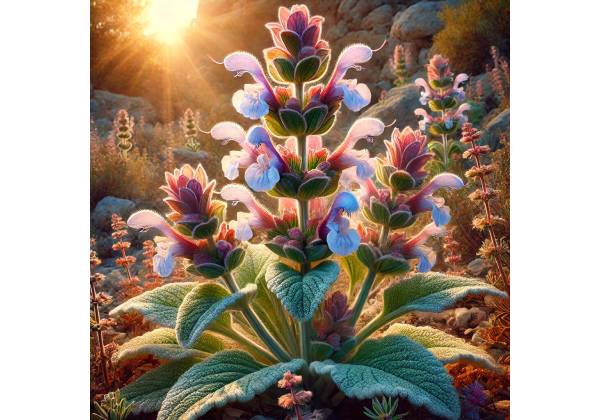
Clary sage (Salvia sclarea) is an aromatic herb in the mint family, valued for its herbaceous-floral scent and its long-standing role in botanical wellness traditions. While the leaves and flowering tops can be used as an herbal preparation, clary sage is best known today for its essential oil, a concentrated extract rich in calming, pleasantly “warming” aromatic compounds. People most often reach for it to support relaxation, sleep quality, stress resilience, and comfort during menstrual and menopausal transitions, typically through inhalation or diluted topical use.
Clary sage has a reputation for being gentle, but that depends on the form. A pinch in tea is not the same as a concentrated essential oil applied to skin or diffused for hours. Benefits also depend on realistic expectations: aromatics can influence mood, perceived tension, and sensory comfort, yet they are not a substitute for medical care. In this guide, you will learn what clary sage is, what it contains, how it may help, how to use it safely, and how to choose dosing strategies that respect both the evidence and the common pitfalls.
Essential Insights on Clary Sage
- Aromatherapy-style use may help lower perceived stress and support calmer mood in some people.
- Typical topical dilution is 1–2% (about 1–2 drops essential oil per 5 mL carrier oil).
- Do not ingest clary sage essential oil; undiluted use can irritate skin and mucous membranes.
- Avoid concentrated use during pregnancy and use extra caution with sedatives or alcohol.
- People with estrogen-sensitive conditions or very low blood pressure should avoid high-dose or frequent concentrated exposure without clinical guidance.
Table of Contents
- What is clary sage?
- Key ingredients and actions
- Stress, sleep, and mood support
- Menstrual and menopause uses
- Skin and topical uses
- How to use clary sage
- Dosage, safety, and evidence
What is clary sage?
Clary sage (Salvia sclarea) is a hardy, aromatic plant native to parts of the Mediterranean and Western Asia, now cultivated more widely for perfumery, flavoring, and wellness use. It has soft, slightly fuzzy leaves and tall flowering spikes; the flowers and upper plant parts are often distilled to produce clary sage essential oil. In traditional herbalism, the plant has been described as “warming,” supportive for digestion and tension patterns, and useful for comfort during times of hormonal transition. In modern practice, it is most often used for its scent profile and the nervous-system cues that scent can provide.
Clary sage vs. culinary sage
Clary sage is not the same as common culinary sage (Salvia officinalis), the kitchen herb associated with savory dishes. They are related, but they differ in aroma chemistry and typical use. Culinary sage is more resinous and camphor-like; clary sage is softer, more floral, and commonly used in aromatherapy and perfumery. Confusion between these plants can lead to wrong expectations and poor product selection, especially when buying essential oils. A label should list the botanical name clearly: Salvia sclarea for clary sage.
Plant parts and common preparations
Clary sage can show up as:
- Dried herb (leaf and flowering tops) for tea or tincture
- Essential oil distilled from flowering tops and leaves, used via inhalation or diluted topical application
- Hydrosol (a gentler aromatic water from distillation) used topically or in sprays
- Extracts in blends, though standardized oral clary sage products are less common than essential oil products
Because essential oil is concentrated, the line between “pleasant” and “too much” is easier to cross. That matters for safety, especially for sensitive skin, asthma-prone airways, or people who are already prone to dizziness or low blood pressure.
A useful way to think about clary sage
A practical framework is to treat clary sage as a tool for sensory regulation:
- It may support relaxation routines and improve the feel of a bedtime wind-down.
- It can be a topical comfort tool when diluted well and used in targeted areas.
- It is less appropriate as a “strong supplement” strategy, because essential oils are not designed for casual ingestion.
When used with intention, clary sage can be a supportive part of a broader plan. The safest benefits usually come from modest exposure, consistent routines, and clear boundaries around concentrated forms.
Key ingredients and actions
Clary sage’s effects are driven largely by its volatile aromatic compounds, which are most concentrated in the essential oil. The exact makeup can vary by region, harvest timing, and distillation method, but several constituents appear repeatedly across analyses. Understanding these compounds helps explain why clary sage is often described as calming, tension-easing, and “balancing,” while also clarifying why dosing and quality control matter.
Core compounds you will see discussed
Clary sage essential oil is often characterized by high levels of:
- Linalyl acetate: a fragrant ester associated with relaxation-oriented aromatherapy profiles; often linked with calming sensory effects and autonomic “downshift” signals in some studies
- Linalool: a terpene alcohol also found in lavender and other aromatics; commonly associated with gentle calming cues and broad antimicrobial activity in lab settings
- Terpene alcohols and esters (such as α-terpineol, geranyl acetate, and related compounds): contribute to scent complexity and may influence comfort through multiple pathways
- Sclareol: a diterpene found in clary sage that is especially important in fragrance chemistry; it is often mentioned in discussions of hormone-related folklore, though real-world clinical relevance remains uncertain
How these compounds translate into “medicinal properties”
Clary sage is not usually a single-target herb. Its “medicinal properties” are better described as a cluster of effects that can support comfort:
- Nervous-system cueing through scent
Smell is a rapid pathway to the limbic system, and aromatic exposure can shift perceived stress, mood, and relaxation state. This does not mean the oil “treats anxiety,” but it may support calmer physiology in the moment. - Autonomic balance signals
Some clary sage research focuses on heart rate, blood pressure, and stress markers before and after inhalation. A key practical takeaway is that strong aromatics can be noticeable in the body—especially in people sensitive to lightheadedness. - Muscle tension and spasm patterns
Clary sage extracts have been studied for spasmolytic behavior in experimental settings, which aligns with traditional use for tension and cramp patterns. In real life, this translates most reliably into topical comfort routines rather than expecting a dramatic internal effect from tea alone. - Antimicrobial and skin-oriented activity
Like many essential oils, clary sage oil can inhibit microbial growth in lab tests. That does not automatically mean it “treats infections,” but it helps explain why it appears in skin and scalp blends.
Why quality and labeling matter
Because clary sage oil composition varies, product selection is not trivial. Look for:
- Botanical name (Salvia sclarea)
- Clear extraction method (steam distilled is common)
- Batch testing or quality documentation when possible
- A realistic safety label (dilution guidance and “not for internal use” clarity)
If you want a close aromatic cousin for comparison, many people note similar calming profiles between clary sage and lavender. For deeper context on aroma-led relaxation routines, see lavender oil for sleep and stress support.
Stress, sleep, and mood support
Clary sage is most commonly used to support relaxation, stress resilience, and sleep routines—typically through inhalation (diffuser, inhaler stick, or a drop on a tissue) or through diluted topical use on pulse points. Its scent is often described as grounding and gently euphoric, which makes it a popular choice when tension is high but sedation is not the goal.
What “calming” realistically means
For many people, a calming botanical does not feel like a switch flipping off. It feels like:
- Breathing becomes easier and slower
- Body tension softens (jaw, shoulders, belly)
- The mind feels less “sticky” and more able to transition away from worry
- Sleep onset becomes smoother because the bedtime routine is more consistent
Clary sage’s value often lies in ritual plus sensory cue. If you only use it occasionally, it may be pleasant but not transformative. If you pair it with the same sequence every night—dim lights, warm drink, short stretch, then aroma—it can become a reliable trigger for winding down.
Practical ways to use clary sage for stress
Try one of these approaches for 7–14 days and track changes in perceived stress and sleep quality:
- Diffuser routine (evening): diffuse for 20–30 minutes while you do low-stimulation activities (reading, shower, journaling). Avoid running a diffuser for hours in a closed room, especially if you are sensitive to headaches.
- Tissue method (quick reset): place 1 drop on a tissue, hold it at arm’s length, and inhale gently for 3–5 slow breaths. This is often enough to feel the effect without overwhelming the senses.
- Topical dilution (tension areas): apply a 1–2% dilution to neck and shoulders, then do a short self-massage for 2–3 minutes.
Clary sage and emotional tone
Some people use clary sage specifically when they feel emotionally flat, overworked, or “wired but tired.” The scent profile can feel more uplifting than heavier resins, yet less sharp than peppermint-like aromatics. Still, mood claims should be kept grounded: aromatherapy can support comfort and coping, but persistent low mood or anxiety deserves medical attention, especially if it affects daily function.
When it may not be the right choice
Because clary sage can influence autonomic tone in some people, it may not feel good if you already run low blood pressure, feel dizzy easily, or are sensitive to strong scents. In those cases, use lower doses, shorter diffusion times, or consider gentler options such as tea-based routines. If you want a calming herbal tea companion to aroma work, many people pair bedtime routines with mild botanicals like lemon balm; see lemon balm benefits and common uses for a food-like, tea-forward approach.
Menstrual and menopause uses
Clary sage is frequently discussed for menstrual comfort, PMS-related tension, and menopause transition support. Most real-world use is topical or aromatic rather than oral, and the evidence base is mixed: some studies focus on stress markers, autonomic changes, or symptom perception, while others involve blended essential oils rather than clary sage alone. That means clary sage may be helpful as a comfort tool, but it should not be treated as a stand-alone hormonal therapy.
Why clary sage is linked with “hormone balance”
Clary sage contains a compound called sclareol, and the plant’s folklore has sometimes been interpreted as “estrogenic.” In practical terms, there is no strong reason to treat clary sage as a replacement for hormones or as a reliable endocrine intervention. A more grounded interpretation is that clary sage may support:
- Relaxation and stress reduction during hormonal shifts
- Perceived comfort during cramping or body tension
- Better sleep quality, which can indirectly improve menopause and PMS experience
This framing is important because it keeps expectations realistic and helps you avoid the common mistake of escalating dose in search of a hormone-like effect.
Menstrual comfort and cramp patterns
Clary sage appears in many massage blends aimed at menstrual discomfort. The most plausible benefit pathway is a combination of:
- Diluted topical massage (which can reduce pain sensitivity and muscle guarding)
- Relaxation cues through aroma
- A warming sensory profile that feels soothing when the abdomen or low back feels tense
A practical approach is a 1–2% dilution massaged into the lower abdomen or lower back for 3–5 minutes once or twice daily during the first days of flow. If you have endometriosis, severe pain, heavy bleeding, or pain that worsens over time, do not self-treat as your main strategy—use medical evaluation and treat aromatherapy as supportive only.
Menopause: stress, sleep, and body comfort
For menopause, clary sage is most often used to support mood steadiness, sleep routines, and a calmer response to hot-flash-related discomfort. The most reliable benefits tend to come from routine and consistency: short diffusion sessions during evening wind-down, or a diluted topical roll-on applied during moments of tension.
If your main goal is hormone-oriented symptom management, a different botanical is often discussed in that niche. For context, see vitex for hormone-balancing support and note that it belongs to a different use category than clary sage essential oil.
Extra caution for hormone-sensitive conditions
If you have a history of estrogen-sensitive cancers, endometrial concerns, or you are using hormone therapy, it is reasonable to be cautious with frequent concentrated clary sage use. While topical and inhaled exposure is not the same as ingesting a hormone-active drug, prudence is appropriate when the benefit is primarily comfort rather than necessity.
Skin and topical uses
Clary sage is used in skin and scalp care primarily for its aromatic profile, its compatibility with massage blends, and its lab-demonstrated antimicrobial activity. In practice, the skin benefits most people notice are indirect: less perceived tension, improved comfort from massage, and a sense of freshness or balance when used in well-formulated blends. True “treatment” of skin disease is a different category and should be handled medically.
Where clary sage may fit topically
When diluted correctly, clary sage essential oil is often used for:
- Stress-related skin habits: people who hold tension in the face or scalp may find massage with a mild aroma blend reduces the urge to pick, scratch, or clench
- Oily scalp support: included in scalp oils or shampoos to provide a fresh, clean feel; effects are highly individual and depend on the base formula
- Body odor and freshness blends: used for scent complexity rather than as a primary “deodorizing” agent
- Comfort for sore muscles: blended into massage oils when muscles feel tight, especially around the neck, shoulders, or lower back
Clary sage is not typically the first choice for acne-prone skin or active infections, because stronger antimicrobial oils can be more targeted. Still, those stronger oils also carry a higher irritation risk.
Dilution matters more than people think
Most essential oil skin problems come from using too much, too often, or without a suitable carrier. A safe baseline is:
- Face: 0.5–1% dilution
- Body: 1–2% dilution
- Short-term spot use (small area only): up to 2% for limited time if well tolerated
A 1% dilution is about 1 drop per 5 mL carrier oil. A 2% dilution is about 2 drops per 5 mL carrier oil. People often accidentally exceed this when they “add a few drops” without measuring.
Patch testing and common irritants
Clary sage essential oil contains fragrance allergens (as many aromatics do). If you have eczema, rosacea, or reactive skin:
- Patch test a diluted blend on the inner forearm for 24 hours.
- Avoid applying to broken skin, freshly shaved areas, or near eyes and mucous membranes.
- Stop at the first sign of burning, itching, or worsening redness.
If your primary goal is antimicrobial skin support, tea tree is a common comparison, but it is more irritating for many people. For a balanced view, see tea tree benefits and safety considerations and weigh whether stronger antimicrobial action is worth the higher irritation risk for your skin type.
When to avoid topical essential oils
Avoid topical essential oil use (including clary sage) if you:
- Have active dermatitis flares that worsen with fragrance
- Are treating wounds that need medical care
- Are using prescription topical retinoids or strong exfoliants and your barrier is compromised
- Are using essential oils on infants or very young children without professional guidance
Topical clary sage can be a pleasant, supportive tool, but it works best when it respects skin physiology: low concentration, measured dosing, and short contact time when you are testing tolerance.
How to use clary sage
Clary sage can be used as a tea herb, a tincture, a hydrosol, or an essential oil, but each form has different strengths, risks, and best use cases. Most people get the most benefit—and the least trouble—by focusing on aromatherapy and diluted topical routines, using tea as a gentle supporting option rather than the main event.
Clary sage as a tea
Tea is the most conservative way to use clary sage internally. The flavor is aromatic and slightly musky-floral. Tea is often chosen for:
- Gentle digestive comfort after meals
- A calming evening ritual
- Mild support during times of tension
Because clary sage tea is not as concentrated as essential oil, it is often more forgiving. Many people blend it with other mild herbs to improve taste and ritual consistency. If you enjoy floral, soothing tea profiles, you may also like pairing routines with chamomile’s active compounds and traditional uses.
Essential oil: inhalation and diffusion
Inhalation is the most popular use:
- Diffuser: add a small number of drops according to diffuser size and room ventilation; use in short sessions (often 20–30 minutes) rather than continuous diffusion
- Inhaler stick: 5–15 drops on the wick (depending on product instructions), then inhale gently as needed
- Tissue method: 1 drop on a tissue, a few slow breaths, then set it aside
The goal is sensory support, not saturation. If a scent gives you a headache or makes you feel “too floaty,” that is a dose signal, not a reason to push through.
Topical use: massage and roll-ons
Topical routines are most effective when they include touch and time:
- Massage a diluted blend into shoulders, neck, or lower abdomen for 2–5 minutes.
- Use a roller bottle for quick application during the day, but keep dilution conservative.
- Choose a stable carrier oil that matches your skin type (lighter oils for oily skin, richer oils for dry skin).
Baths and compresses
Essential oils do not mix with water. For baths:
- Mix essential oil into a carrier first (such as a tablespoon of carrier oil), then add to bath water.
- Keep drop counts low, especially if you have sensitive skin.
Warm compresses with hydrosol can be a gentler option when skin is reactive.
Common mistakes to avoid
- Ingesting essential oil: this is one of the most common unsafe practices. Culinary herbs are not the same as essential oils.
- Using undiluted oil on skin: it increases irritation and sensitization risk.
- Running a diffuser all night: prolonged exposure can irritate airways and disrupt sleep for some people.
- Expecting hormone-like results: clary sage can support comfort, but it is not a hormone replacement strategy.
Used well, clary sage becomes a practical lifestyle tool: short exposure, consistent routine, and clear boundaries around concentration.
Dosage, safety, and evidence
Clary sage dosing depends on form, sensitivity, and the goal (relaxation routine vs. targeted comfort). Because essential oils are concentrated, good dosing looks more like “measured small” than “more is better.” Safety also depends on who is using it: pregnancy, hormone-sensitive conditions, low blood pressure, and medication use can change the risk-benefit balance.
Typical dosage ranges by form
Tea (dried herb):
- 1–2 teaspoons dried herb (about 1–2 g) per cup (250 mL)
- Steep 10–15 minutes; 1–2 cups per day for short periods
Tincture (if used):
- Product-dependent; a common traditional range is 2–4 mL up to 3 times daily, but follow label instructions and choose products that disclose extraction ratio and plant part.
Essential oil diffusion:
- 3–6 drops in a diffuser for a medium room is a typical starting range, used for 20–30 minutes
- For very small rooms or high sensitivity, start with fewer drops and shorter sessions
Topical dilution:
- 1% dilution (about 1 drop per 5 mL carrier oil) for sensitive skin or frequent use
- 2% dilution (about 2 drops per 5 mL carrier oil) for body massage on limited areas
Who should avoid clary sage essential oil
Avoid concentrated use (and seek professional guidance) if you are:
- Pregnant or trying to conceive
- Using hormone therapy or have estrogen-sensitive conditions and want frequent concentrated exposure
- Managing very low blood pressure or frequent dizziness
- Using sedatives, heavy alcohol intake, or medications that already cause drowsiness
Children, especially very young children, should not be exposed to strong diffusion routines without professional guidance.
Interactions and side effects
Most issues are dose-related:
- Headache, nausea, or airway irritation from strong or prolonged diffusion
- Skin irritation or sensitization from undiluted or frequent topical use
- Lightheadedness in people sensitive to autonomic shifts
Clary sage is often described as relaxing; if you combine it with alcohol or sedating medications, treat it as an additive calming cue and keep exposure modest.
What the evidence actually says
The strongest human evidence for clary sage tends to come from inhalation studies looking at mood, stress perception, and autonomic measures. Findings suggest clary sage aroma can reduce perceived stress or anxiety in some settings, but results vary and are influenced by study design, population, and the comparison condition. Evidence for menstrual and menopause benefits is less consistent and often involves blended oils or indirect markers, so it is best framed as supportive rather than definitive.
Lab and mechanistic research suggests clary sage compounds may have antimicrobial, antioxidant, and spasmolytic properties, which aligns with topical and comfort-oriented traditions. However, lab results do not automatically translate into clinical outcomes, especially for internal use.
A balanced conclusion is:
- Clary sage is most evidence-aligned as an aromatherapy and topical comfort tool.
- Benefits are typically modest and routine-dependent.
- Safety improves when you treat essential oil as a concentrated product: low dose, short exposure, and careful dilution.
References
- Differential effects of clary sage (Salvia sclarea L.) oil and linalyl acetate on depression levels in diabetic foot ulcer patients with T2DM: a randomized blinded controlled trial – PMC 2025 (RCT)
- Mechanistic insights into clary sage oils role in wound healing: targeting oxidative stress and inflammatory pathways – PMC 2025 (Review)
- Salvia sclarea Essential Oil Chemical Composition and Biological Activities – PMC 2023 (Review)
- An In Vitro and In Silico Characterization of Salvia sclarea L. Methanolic Extracts as Spasmolytic Agents 2023
- Changes in 5-hydroxytryptamine and cortisol plasma levels in menopausal women after inhalation of clary sage oil – PubMed 2014
Disclaimer
This article is for educational purposes and does not replace medical advice, diagnosis, or treatment. Essential oils are concentrated products that can cause skin irritation, allergic sensitization, or respiratory discomfort if misused. Do not ingest clary sage essential oil, and do not apply it undiluted. If you are pregnant, breastfeeding, have hormone-sensitive conditions, have low blood pressure, take sedatives, or use prescription medications, consult a qualified clinician before using clary sage in concentrated forms. Seek urgent medical care for signs of a severe allergic reaction, breathing difficulty, fainting, or significant worsening of symptoms.
If you found this article helpful, please share it on Facebook, X (formerly Twitter), or your preferred platform so others can make informed, safety-first choices.