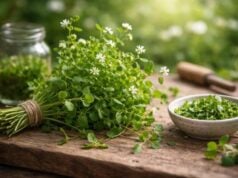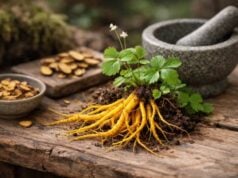
Culantro (Eryngium foetidum) is a bold, citrusy herb with serrated leaves and a flavor that many people describe as “cilantro turned up a notch.” It’s a staple in Caribbean, Latin American, and Southeast Asian cooking, where it’s prized for staying fragrant in soups and stews long after delicate herbs fade. Beyond the kitchen, culantro has a long tradition of folk use for digestion, respiratory comfort, and general “cooling” support during seasonal stress.
What makes culantro especially interesting is its chemistry: the leaves are rich in aromatic aldehydes that drive its unmistakable scent, along with polyphenols that show antioxidant activity in lab studies. In practical terms, that means culantro can be more than a garnish—it can be a functional culinary herb that supports flavorful, plant-forward eating patterns.
Still, “medicinal” use should stay grounded. Most evidence is preclinical, and concentrated extracts and essential oils deserve caution. This guide explains what culantro is, what’s in it, what it may help with, how to use it day to day, sensible dosage ranges, and the safety details worth knowing.
Quick Summary for Culantro
- May support digestion and reduce the “heavy” feeling after rich meals when used regularly as a culinary herb.
- Shows antioxidant and antimicrobial activity in lab research, with the strongest evidence for food and topical applications.
- Typical tea range: 1–2 g dried leaves per 240 ml cup, up to 2 cups daily for short-term use.
- Avoid ingesting culantro essential oil; concentrated aromatics can irritate the stomach and are not food-safe by default.
- Avoid medicinal dosing if pregnant or breastfeeding, highly allergy-prone to Apiaceae plants, or using it for a child without clinician guidance.
Table of Contents
- What is culantro
- Key ingredients in culantro
- Culantro health benefits and uses
- How to use culantro
- How much culantro per day
- Side effects and interactions
- What the evidence says
What is culantro
Culantro (Eryngium foetidum) is a leafy herb in the Apiaceae family—the same broad plant family as celery, parsley, and coriander. It’s sometimes called spiny coriander, sawtooth coriander, long coriander, shado beni, recao, or ngò gai, depending on the region. The leaves are long, glossy, and toothed along the edges, forming a low rosette. When the plant matures, it sends up a flowering stalk with small bristly flower heads—one reason “spiny” shows up in its common names.
Culantro is often confused with cilantro (Coriandrum sativum). They taste related, but they are not the same plant. Cilantro has delicate, frilly leaves and tends to lose aroma quickly when heated; culantro’s thicker leaves hold up in long cooking. If you’re trying to understand the flavor overlap and why people substitute one for the other, it can help to compare with cilantro’s culinary and wellness profile. In everyday cooking, a common rule is that culantro is stronger—so you often use less.
As a “food herb,” culantro’s main value is how easily it fits into real meals. You can add it to beans, soups, rice, and sauces without needing special preparation. That practical consistency is part of why it’s used in folk wellness: herbs that people eat regularly can support hydration, micronutrient intake, and appetite patterns even when their “medicinal” effects are mild.
In traditional settings, culantro has been used in teas, fresh leaf preparations, and topical applications. Many of those uses follow a familiar logic: aromatic herbs are often used for digestion and respiratory comfort, while bitter or strongly flavored greens are used for general “cleansing” or seasonal support. Modern research doesn’t fully confirm all traditional claims, but it does help explain why the plant has staying power: its volatile compounds are biologically active, and its extracts contain measurable polyphenols.
A simple, modern way to approach culantro is as a functional culinary herb first, and a short-term home remedy second. Use it to make meals more aromatic and satisfying, and treat concentrated preparations—strong teas, extracts, and especially essential oils—with more respect than you would a handful of fresh leaves.
Key ingredients in culantro
Culantro’s benefits and cautions both start with its chemistry. The plant is unusually rich in aroma-driving compounds, and those volatiles sit alongside polyphenols and pigments that contribute to antioxidant capacity. The exact profile varies with growing conditions, harvest timing, and whether you’re using fresh leaves, dried leaves, or an extract.
Aromatic aldehydes that define the flavor
The signature “cilantro-like but stronger” scent is largely linked to aliphatic and aromatic aldehydes. In practical terms, these compounds behave like the top notes in a perfume: they evaporate easily, hit the nose quickly, and shape the experience of the herb even at small amounts. They’re also part of why culantro can feel “clearing” in the mouth and nose when eaten fresh.
These aldehydes overlap conceptually with the aromatic chemistry people associate with coriander-family herbs in general. If you’re curious about the culinary side of these compounds and how they show up across cuisines, a coriander-focused culinary guide is a useful reference point—just remember that culantro’s leaf profile is its own distinct signature.
Polyphenols and phenolic acids
Culantro leaf extracts contain polyphenols—plant compounds often associated with antioxidant behavior in lab testing. In the real world, “antioxidant” doesn’t mean a single herb cancels out stress or inflammation, but it does support a reasonable idea: regularly eating polyphenol-rich plants can be one small piece of a broader, protective eating pattern. In culantro, phenolic acids (including chlorogenic-acid–type compounds reported in leaf extracts) are frequently highlighted in research discussing its scavenging activity against reactive species.
Flavonoids and carotenoid pigments
Alongside phenolic acids, culantro contains flavonoids and carotenoid pigments. These are common in leafy herbs and contribute to both color and potential biological activity. From a practical standpoint, this is one reason culinary herbs can be meaningful even when used in small amounts: they concentrate diverse plant compounds that complement vegetables, legumes, and healthy fats in a meal.
Minerals and supportive micronutrients
Like many leafy herbs, culantro contributes small amounts of minerals and micronutrients. It’s not typically eaten in large enough quantities to be a primary nutrient source, but it can help “round out” a dish and make nutrient-dense foods more appealing.
The big takeaway is that culantro’s key ingredients are most helpful when you treat the plant like what it is: a highly aromatic, polyphenol-containing culinary herb. The same chemistry that makes it flavorful also explains why concentrated products can be too strong for some people.
Culantro health benefits and uses
Culantro’s strongest “benefit” is one many people overlook: it helps you eat well more consistently. When a herb makes simple foods taste vivid—beans, broth, rice, vegetables—you’re more likely to keep those foods in rotation. From there, any direct physiological effects of culantro act as a secondary layer.
Digestive comfort and appetite support
Aromatic herbs are often used to support digestion, especially when meals are heavy, rich, or bean-based. Culantro’s intense aroma can stimulate salivation and make food feel more appetizing, which is helpful when appetite is low or when meals feel monotonous. In traditional practice, culantro tea or leaf preparations are also used for bloating, “gassy” discomfort, and a sluggish feeling after eating.
Realistic expectations matter: culantro is not a rapid-acting treatment for severe digestive pain. Its best use is steady—adding it to meals, or using a mild tea for a short window when you’re off your normal routine.
Antimicrobial and food-safety relevance
Culantro extracts and essential oils show antimicrobial activity in laboratory settings. For everyday life, this is most relevant in two ways:
- Food context: plant aromatics can contribute to preservation and flavor stability in experimental food systems, and they may help explain why certain cuisines lean on aromatic herb blends in hot climates.
- Topical context: diluted preparations are sometimes used traditionally on minor skin issues, though modern hygiene practices (clean water, safe storage, patch testing) matter more than the herb itself.
This does not mean culantro replaces medical treatment for infection. It means the plant’s chemistry plausibly supports its traditional “cleansing” reputation—especially as a culinary ingredient.
Antioxidant and “resilience” support
Research on leaf extracts suggests that culantro can scavenge reactive species in vitro. A grounded way to interpret this is that culantro fits well into an antioxidant-rich dietary pattern, similar in spirit to other plant-forward ingredients. If you’re building a digestion-friendly, anti-inflammatory eating style, pairing culantro with warming aromatics like ginger and its active compounds is a practical strategy that many cultures already use.
Respiratory comfort in traditional use
In several traditions, culantro appears in home remedies for cough, congestion, and seasonal discomfort. Aromatic steam and warm teas can feel soothing, and culantro’s volatile compounds may contribute to that sensory relief. The benefit here is usually comfort—easier breathing sensations and throat hydration—rather than a cure for respiratory illness.
Metabolic and general wellness claims
You may see claims that culantro supports blood sugar, blood pressure, or inflammation. The evidence base is not strong enough to treat culantro as a stand-alone therapy for chronic disease. A safer frame is: it’s a supportive culinary herb that can help you eat less processed food by making simple meals more satisfying.
How to use culantro
Culantro is easiest to use when you treat it like a “foundation herb”—more like scallions than a delicate garnish. It can carry a dish, not just decorate it. The best method depends on whether you want bright, fresh aroma or a deeper, slow-cooked flavor.
Fresh leaf: the everyday option
- In soups and stews: Add chopped leaves during the last 5–10 minutes for a balanced aroma, or earlier for a mellower taste that still holds up.
- In beans and lentils: Stir in finely chopped culantro near the end of cooking, then finish with lime.
- In rice and grains: Add to the pot near the end, or fold into cooked rice with oil and salt.
Because culantro is strong, start small: a little can dominate. If you’re replacing cilantro, many cooks use about one-third to one-half the amount of culantro.
Paste, sauce, and “sofrito” style blends
Culantro shines when blended. A simple, flexible approach:
- Blend culantro with garlic, onion, oil, and a squeeze of citrus.
- Add salt and adjust with water to thin.
- Store refrigerated and use within a few days.
This kind of blend is practical because it turns a perishable herb into a ready-to-use base for weeknight cooking. It also aligns with the way many cuisines pair culantro with other aromatics such as garlic and peppers. If you want a deeper look at why garlic is used this way and how it fits into food-as-medicine traditions, see garlic’s culinary and wellness applications.
Tea or infusion for short-term support
Culantro tea is milder than many people expect, but it can still be quite aromatic. A light infusion can be used when you want warm fluids and a gentle digestive reset. Keep it modest—culantro is not typically used as a strong, daily medicinal tea for months.
Steam and aromatic comfort
For a “clearing” sensation, some people add a handful of leaves to hot water and inhale steam briefly. This is optional and should be gentle—stop if it irritates the eyes or airways. It is not appropriate for young children.
Drying, storage, and quality tips
- Fresh culantro keeps best wrapped loosely and refrigerated.
- Drying reduces some top-note aroma but can preserve enough character for broth-based dishes.
- If buying dried leaf, choose product with a strong scent and a clean, green color (not dusty or musty).
Used well, culantro is not complicated. Its best “dosage form” is simply regular inclusion in satisfying meals.
How much culantro per day
Because culantro is primarily a culinary herb, dosing is more flexible than with capsule-style supplements. The safest way to think about dosage is to separate food use from medicinal-style use (tea, extracts), and to keep concentrated forms conservative.
Culinary amounts (most common)
A practical daily range for fresh leaves is:
- 2–10 g fresh culantro leaves daily, usually divided across meals
(roughly 1–3 tablespoons chopped, depending on how tightly packed the herb is)
This is not a rule—just a realistic range that reflects how strongly flavored the plant is. If you’re new to culantro, start at the low end and increase slowly.
Tea or infusion
For short-term use as a warm aromatic tea:
- 1–2 g dried leaves per 240 ml (8 oz) hot water
- Steep 10–15 minutes, covered
- Drink up to 2 cups daily for up to 7–10 days as a short course
If you’re using fresh leaves instead of dried, a common equivalent is 5–10 g fresh leaves per cup, but the tea can become intensely aromatic at the upper end. If the tea tastes sharp or leaves you nauseated, reduce the amount or stop.
Extracts and tinctures
Culantro extracts vary widely. If you use a commercial tincture or capsule, follow the label and avoid stacking multiple concentrated products. A conservative tincture-style range used for many leafy herbs is:
- 1–2 ml, up to 2 times daily, short-term
Take with food if you’re sensitive.
Essential oil is not a food supplement
Culantro essential oil is a concentrated aromatic product and should not be ingested unless you’re under qualified supervision with a clearly labeled, food-appropriate product. “Natural” essential oils can still be irritants and can interact with medications or sensitive GI conditions.
Timing and duration
- For digestion: use culantro with meals, especially lunch or dinner.
- For short-term tea use: after meals or in the evening, depending on comfort.
- For long-term habits: prioritize culinary use over daily medicinal dosing.
If your goal is daily polyphenol intake, it can be helpful to remember that herbs work best as part of an overall pattern—greens, legumes, fruit, and beverages with plant compounds. For a broader example of how people structure polyphenol-rich routines, green tea’s daily-use patterns can be a useful comparison point.
Side effects and interactions
Culantro is generally well tolerated in food amounts, but reactions are still possible—especially for people with plant-family sensitivities or those using concentrated preparations. The goal is to keep the risk low by matching the form to the need and watching for patterns.
Possible side effects
- Digestive irritation: very strong tea or extracts may cause nausea, stomach burning, or loose stools in sensitive people.
- Headache or “too strong” aroma effects: intense aromatic herbs can trigger headaches for some, especially in enclosed spaces.
- Skin irritation: topical use can irritate sensitive skin if applied too strong or too often.
- Allergic reactions: itching, hives, or mouth irritation can occur, especially in people with known Apiaceae allergies.
Apiaceae cross-reactivity
Because culantro is in the same family as celery and parsley, people with strong sensitivities to Apiaceae plants should be cautious. Celery allergy, in particular, can be significant for some individuals. If this is relevant for you, it may help to review celery’s allergy and food-use considerations and speak with a clinician if you’ve had prior reactions.
Medication and health-condition cautions
There is not a large, high-certainty list of drug interactions for culantro, but sensible caution applies in these scenarios:
- Blood pressure and blood sugar medications: traditional use sometimes includes metabolic claims; avoid treating culantro like a replacement therapy, and monitor if you make major changes in herbal intake.
- Anticoagulants or antiplatelet drugs: leafy herbs can vary in vitamin content and bioactive compounds; food use is usually fine, but large, sudden increases in herb intake are best discussed with a clinician.
- GERD, gastritis, or ulcer history: strong aromatics may aggravate symptoms in some people, especially as concentrated tea.
Pregnancy and breastfeeding
Culantro as a food herb is typically viewed differently than concentrated extracts. As a cautious rule:
- Food amounts: usually reasonable if tolerated.
- Medicinal dosing or concentrated products: avoid unless a qualified clinician agrees it’s appropriate.
Who should avoid medicinal-style use
Avoid strong teas, extracts, or essential oils if you are:
- pregnant or breastfeeding
- using it for a child without clinician guidance
- highly allergy-prone, especially to Apiaceae plants
- managing significant reflux or chronic GI irritation
If you ever develop swelling of the lips or throat, difficulty breathing, or widespread hives, treat it as urgent and seek medical care.
What the evidence says
Culantro research is promising but still early for most “health benefit” claims. The strongest modern evidence is not yet from large clinical trials in humans; it is mostly built from chemical analysis, in vitro testing, and animal or model-organism studies. That doesn’t make culantro unhelpful—it simply means the smartest use is the one that matches the evidence: culinary use, food-system applications, and cautious exploration of extracts rather than disease-treatment claims.
What evidence supports well
- Clear chemical characterization: Multiple studies document culantro’s essential oil profile, highlighting aroma-driving aldehydes that explain the herb’s distinctive flavor and its strong sensory presence in food.
- Antioxidant behavior in extracts: Leaf extracts demonstrate scavenging activity against reactive species in controlled laboratory conditions. This supports culantro’s potential value as a natural antioxidant ingredient in food formulations and as part of a polyphenol-rich diet.
- Bioactivity signals that fit traditional use: Research summarized in reviews describes antibacterial, antifungal, and anti-inflammatory activity across different extracts. These findings help explain why culantro appears in traditional remedies for digestive and seasonal complaints, especially where “cleansing” and comfort are the goals.
What evidence is limited or uncertain
- Human outcomes: We do not yet have strong clinical evidence that culantro reliably lowers blood sugar, treats hypertension, or meaningfully changes chronic inflammation markers in people.
- Dose translation: Studies often use extract concentrations that don’t map neatly onto a bowl of soup or a cup of tea. “Works in vitro” does not automatically mean “works in a meal” at the same magnitude.
- Safety at high concentrations: Model-organism and toxicity-focused studies highlight that dose and extraction method matter. A plant can be safe as food while still showing toxicity signals at high-dose extract exposure in experimental settings.
How to use the evidence in a modern way
A grounded strategy looks like this:
- Prioritize culinary use as the default—regular small amounts in real meals.
- Use teas short-term for comfort goals (digestion, hydration, mild seasonal support).
- Avoid essential oil ingestion and be conservative with concentrated products.
- Measure outcomes realistically: improved appetite, better meal satisfaction, and gentle digestive comfort are more plausible targets than dramatic biomarker changes.
If you want culantro to “work,” the most evidence-aligned approach is not chasing high-dose extracts. It’s building a repeatable pattern: flavorful, minimally processed meals where culantro makes healthy food easier to enjoy.
References
- Eryngium foetidum L. (Apiaceae): A Literature Review of Traditional Uses, Chemical Composition, and Pharmacological Activities – PMC 2022 (Review)
- Extracts of Eryngium foetidum Leaves from the Amazonia Were Efficient Scavengers of ROS and RNS 2023 (Research)
- The toxicological effects of Eryngium foetidum extracts on zebrafish embryos and larvae depend on the type of extract, dose, and exposure time – PMC 2022 (Toxicology Study)
- Eryngium foetidum L. Essential Oils: Chemical Composition and Antioxidant Capacity 2017 (Research)
Disclaimer
This article is for educational purposes only and does not provide medical advice, diagnosis, or treatment. Herbs and botanical products can cause side effects and may interact with medications or health conditions. Talk with a qualified healthcare professional before using culantro in medicinal amounts if you are pregnant or breastfeeding, managing a chronic condition, taking prescription medications, or considering use for a child. Seek urgent medical care for symptoms of a severe allergic reaction (such as swelling of the lips or throat, difficulty breathing, or widespread hives).
If you found this helpful, consider sharing it on Facebook, X (formerly Twitter), or your preferred platform so others can learn how to use culantro safely and effectively.