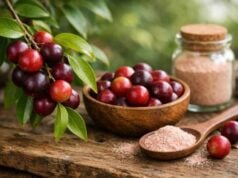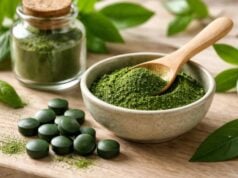
Cupuacu (Theobroma grandiflorum) is an Amazonian fruit closely related to cacao, prized for its fragrant, tangy pulp and its rich, cocoa-like seed fat known as cupuacu butter. In the kitchen, the pulp is used in smoothies, frozen desserts, and fermented drinks, offering a tropical flavor that is both bright and creamy. In personal care, the seed butter is valued as a deeply emollient plant fat that helps soften and protect dry skin.
From a health standpoint, cupuacu sits in an interesting middle ground between “functional fruit” and “beauty butter.” The pulp contributes fiber, vitamin C, and polyphenols, while the seeds supply fatty acids and phytosterols that support barrier-focused skin formulas. Still, most research is early-stage, and the strongest benefits come from practical, food-level use rather than high-dose extracts. This guide explains what cupuacu contains, what it may realistically help with, how to use it in daily life, and how to stay within safe, sensible limits.
Quick Facts
- Pulp can support daily antioxidant and fiber intake when used regularly as a food.
- Seed butter is a highly emollient plant fat that may help reduce dryness and improve skin feel.
- Typical daily food use is 50–150 g pulp or 5–15 g freeze-dried powder, depending on the product.
- Avoid concentrated extracts if you are pregnant or breastfeeding, and avoid all forms if you have a known allergy to Theobroma or related foods.
Table of Contents
- What is cupuacu and how is it used?
- Cupuacu key ingredients and nutrients
- Cupuacu health benefits you can expect
- Uses of cupuacu pulp and butter
- How much cupuacu per day?
- Safety, side effects, and interactions
- What research says about cupuacu
What is cupuacu and how is it used?
Cupuacu is the fruit of Theobroma grandiflorum, a tree native to the Amazon basin. Its name is often seen in a few spellings (cupuacu, cupuaçu, cupuassu), but it refers to the same species and the same two “headline” ingredients: the aromatic pulp and the fatty seeds. The fruit is typically large, with a thick rind; inside, the pulp surrounds seeds that can be fermented, dried, and processed in ways that resemble cacao handling.
The simplest way to understand cupuacu is to separate it into its two major use streams:
- Food and beverage (pulp-first): The pulp is naturally fragrant and tart, commonly used as frozen puree, juice base, or freeze-dried powder. It works well in smoothies, sorbets, yogurt, and dessert creams because it provides both flavor and body.
- Cosmetic and confectionery (seed-first): The seeds contain a valuable fat often sold as cupuacu butter. In cosmetics it functions as an emollient and barrier-supporting ingredient. In food innovation, fermented and roasted seeds can be made into chocolate-like products sometimes marketed as “cupulate.”
Because cupuacu is a close botanical relative of cacao, readers often compare them. That comparison is useful, but it can also create unrealistic expectations. Cacao is widely studied for flavanols and methylxanthines; cupuacu is studied more for its distinctive aroma compounds, its phenolic profile, and its seed fat. If you want a broader context for how Theobroma plants differ in active compounds and typical uses, cacao active compounds and practical use guidance can help you interpret the “relative-to-cacao” claims you’ll see online.
In real life, cupuacu is usually most beneficial when used consistently in modest amounts. A daily smoothie portion, a few spoonfuls of puree folded into yogurt, or a small amount of butter used as a skin protectant after showering are the kinds of habits that fit the way cupuacu is traditionally and commercially used today.
Cupuacu key ingredients and nutrients
Cupuacu’s “key ingredients” depend on which part you’re using. The pulp and the seeds behave almost like two different products: one is a fiber-and-polyphenol fruit ingredient, the other is a structured plant fat.
Pulp: fiber, acids, and polyphenols
The pulp is commonly described as creamy, but nutritionally it’s best thought of as a fiber-forward fruit with a bright organic-acid backbone. Key components include:
- Dietary fiber and pectin-like polysaccharides: These contribute to the pulp’s thickness and can support bowel regularity and satiety when used in food amounts.
- Vitamin C and other micronutrients: The exact level varies by ripeness and processing (fresh vs frozen vs powder), but cupuacu is often positioned as a vitamin-C–contributing fruit in a mixed diet.
- Polyphenols: Analyses commonly report flavonoid and proanthocyanidin-type compounds. These contribute to antioxidant capacity in laboratory assays, though “antioxidant on a lab bench” is not the same as guaranteed outcomes in humans.
- Organic acids (such as citric and malic patterns): These help explain the tartness and can make cupuacu feel “refreshing” in beverages.
Seeds and cupuacu butter: fatty acids and phytosterols
Cupuacu seed butter is valued because it has a stable, spreadable structure and a skin-friendly fatty acid profile. Typical components include:
- Oleic acid and related monounsaturated fats: These help explain the softening, glide, and barrier-support feel of the butter. If you want a clear explanation of why oleic acid is so common in skin and food oils, oleic acid benefits and safety basics provides helpful background.
- Stearic and palmitic acids: These contribute to firmness and a protective, occlusive character, which can be useful for very dry skin but can feel heavy for oil-prone users.
- Phytosterols (such as beta-sitosterol patterns): These compounds are often discussed for barrier support and soothing potential in topical formulas.
- Tocopherols (vitamin E family): Present in varying amounts depending on refining, tocopherols contribute to oxidative stability and are often highlighted in cosmetic marketing.
Minor bioactives and what not to overstate
Some Theobroma species contain methylxanthines (theobromine and small amounts of caffeine). Cupuacu is generally not used as a stimulant, and its effects are more “food and skin” than “energy and focus.” If a product is promoted as a strong energizer, check whether other stimulants were added rather than assuming cupuacu is the driver.
Overall, cupuacu’s chemistry supports two realistic strengths: pulp as a fiber-and-polyphenol fruit ingredient, and butter as a fatty-acid–rich emollient.
Cupuacu health benefits you can expect
The most useful way to talk about cupuacu benefits is to separate what is well-supported by common nutrition logic from what is promising but not proven. Cupuacu is not a one-compound “medicine fruit.” It is a whole food (pulp) and a functional fat (butter), each with strengths that show up best when used consistently.
1) Better fiber intake and digestive comfort
If you use cupuacu pulp in smoothies, yogurt bowls, or fruit blends, you are likely increasing fiber and fluid intake in a way that many people find easier than eating large salads. That can support regularity, stool softness, and a more stable appetite rhythm. The benefit is most noticeable when cupuacu replaces low-fiber snacks or sugary desserts rather than being added on top of an already fiber-rich plan.
2) Antioxidant support as part of a fruit pattern
Cupuacu contains polyphenols that contribute to antioxidant capacity in testing. In real-life nutrition, the practical benefit is less about “neutralizing free radicals” in a dramatic way and more about expanding the diversity of plant compounds in your diet. A helpful mental model is to treat cupuacu as one player in a broader “color and variety” fruit pattern.
If your goal is maximal polyphenol density, you may compare cupuacu to other Amazonian fruits. For example, acai nutrition and health uses provides context for how different Amazon fruits are positioned for antioxidant-rich eating. The point is not that one is “better,” but that each has different tradeoffs in taste, sugar, fiber, and cost.
3) Skin softness and barrier support from cupuacu butter
Topical use is where cupuacu often feels most “immediate.” The butter’s fatty acids can reduce the rough, tight sensation of dryness and help slow moisture loss. For some people, the benefit is most noticeable on elbows, shins, hands, and areas that crack or feel irritated in cold weather.
4) A more satisfying way to reduce ultraprocessed sweets
Cupuacu puree can create creamy desserts with less added sugar than many packaged sweets. This is an underrated benefit: if cupuacu helps you build a routine you actually enjoy, it can support healthier eating indirectly through substitution.
Benefits to treat cautiously
You may see claims about blood sugar control, cholesterol support, immune “boosting,” or anticancer effects. While there is research interest in these areas, the strongest real-world approach is cautious: treat cupuacu as supportive nutrition, not a stand-alone therapy. If you want therapeutic outcomes, the foundation is still diet pattern, sleep, activity, and medical care when needed.
Uses of cupuacu pulp and butter
Cupuacu is easy to use once you choose the form that fits your lifestyle. The most common mistake is buying a product you don’t enjoy (too tart, too sweet, too perfumed) and then never using it. The goal is a repeatable habit, not a rare “superfood event.”
How to use cupuacu pulp
Common forms include frozen puree (often unsweetened), juice blends, and freeze-dried powder. Practical, high-success uses:
- Smoothies: Combine cupuacu puree with banana, yogurt, or a milk alternative to round out tartness. Add protein if it’s a meal replacement.
- Yogurt and oats: Stir puree into Greek yogurt or overnight oats for flavor and body. This is one of the easiest ways to make cupuacu a daily habit.
- Frozen desserts: Blend frozen cupuacu puree with a little honey or fruit for quick sorbet-style bowls.
- Sauces and glazes: In small amounts, cupuacu can work like a tropical “tart fruit base” for dessert sauces.
Quality cues that matter:
- Unsweetened vs sweetened: Many products add sugar. Choose unsweetened if you want flexible dosing and better blood sugar control.
- Ingredient simplicity: The shorter the ingredient list, the easier it is to control outcomes.
How to use cupuacu butter on skin
Cupuacu butter is typically firm at cooler temperatures and melts on contact. Best practices:
- Apply to damp skin: Use it right after showering or hand-washing while skin is slightly damp to seal in moisture.
- Spot-treat first: Use on driest areas (hands, elbows, heels) before committing to full-body use.
- Layer if needed: If your skin tolerates it, you can layer a lighter lotion under the butter for a “hydrate then seal” approach.
If you’re comparing cupuacu butter to other plant oils for skin feel, argan oil uses and topical safety can help you choose based on texture, absorption, and acne-prone considerations. Cupuacu butter is generally heavier and more occlusive than argan oil, which can be a benefit for very dry skin and a drawback for oily or clogged-pore–prone skin.
Food use of the seed fat
Some people cook with cupuacu butter or use it in confectionery. If you do, treat it like any rich fat: enjoyable in small amounts, easy to overdo in large amounts, and best used intentionally rather than “free poured.”
The core principle: pulp is for repeatable food routines; butter is for barrier-focused topical use (and occasional culinary use if it fits your goals).
How much cupuacu per day?
Cupuacu dosing depends on form, concentration, and your goal. Food-level use is generally the safest and most practical. Extract-style products are more variable and should be approached more conservatively.
Pulp and puree (food use)
A practical adult range is:
- 50–150 g cupuacu pulp per day (often ¼ to ¾ cup of puree, depending on the product)
This amount works well in smoothies, yogurt, or dessert bowls. If you are watching sugar intake, remember that some purees are sweetened; for sweetened products, the “right dose” may be limited more by added sugar than by cupuacu itself.
Freeze-dried powder
Powders concentrate the fruit. A common food-style range is:
- 5–15 g per day (roughly 1–3 teaspoons, depending on density)
Start at the lower end for a week to confirm tolerance, especially if you have a sensitive stomach or are not used to higher-fiber fruit powders.
Juice and blends
Juices are convenient but can push sugar intake upward and fiber downward. If using juice:
- Aim for 150–250 mL per serving, and choose blends with minimal added sugar.
- Consider pairing with a meal rather than drinking alone to reduce blood sugar spikes.
Cupuacu butter (topical)
Topical dosing is about coverage, not milligrams:
- Use a pea-sized amount for hands or elbows and increase only as needed.
- For very dry shins or heels, a thin, glossy layer is usually sufficient.
Cupuacu butter (culinary)
If you use the butter as a cooking fat:
- Treat it like any rich fat: 5–10 g (about 1–2 teaspoons) is a reasonable starting portion, especially if you are also eating other saturated-fat sources that day.
Timing and duration tips
- For digestion and satiety: use pulp earlier in the day or as part of breakfast or lunch.
- For dessert substitution: use pulp after dinner in place of ice cream or pastries.
- For skin: apply butter after showering and before bed for overnight barrier support.
The easiest way to overdo cupuacu is to treat it as “free calories because it’s a superfood.” Cupuacu can be part of a health-forward plan, but portions still matter—especially with butter and sweetened purees.
Safety, side effects, and interactions
Cupuacu is generally well tolerated as a food, but safety depends on form and dose. The highest-risk scenarios tend to involve concentrated extracts, very sweetened products, or topical use on reactive skin without patch testing.
Common side effects
- Digestive upset: Larger servings of pulp or powder can cause bloating, gas, or loose stools, especially if you increase intake quickly.
- Sugar-related effects: Sweetened purees and juices can raise blood sugar and add significant calories, which can work against metabolic goals.
- Skin reactions: Cupuacu butter is usually well tolerated, but any botanical fat can trigger irritation in sensitive users, particularly if fragranced or blended with essential oils.
Allergy considerations
Cupuacu is related to cacao. If you have a known allergy to cacao or other Theobroma products, use caution and consider avoiding cupuacu entirely unless your clinician confirms it is appropriate. Allergic reactions can include itching, hives, swelling, or breathing symptoms.
Medication and condition interactions
There is no single “classic interaction” that applies to everyone, but these situations deserve extra caution:
- Diabetes or insulin resistance: prefer unsweetened pulp and limit juice. Monitor how you respond, especially if you are using cupuacu as part of a larger fruit-heavy smoothie.
- Weight management: cupuacu butter is calorie-dense. Topical use does not affect calories, but culinary use can add up quickly.
- Stimulant sensitivity: cupuacu is not typically stimulant-like, but if you are highly sensitive, choose pulp products without added guarana, caffeine, or cacao.
Pregnancy and breastfeeding
Food-level pulp use is generally the most reasonable approach if you want to include cupuacu while pregnant or breastfeeding. Avoid concentrated extracts and avoid products marketed with strong medicinal claims unless a qualified clinician advises them.
Topical safety and “who should avoid”
- Patch test first if you have eczema, fragrance sensitivity, or a history of cosmetic reactions.
- If you are acne-prone or clog-prone, use cupuacu butter as a spot treatment rather than a full-face product.
When to seek medical care
Seek urgent care for signs of severe allergy (wheezing, throat swelling, faintness). Seek clinical guidance if digestive symptoms persist after lowering the dose or stopping use, or if you are using cupuacu as a substitute for medical treatment of a serious condition.
The safest pattern is simple: treat cupuacu as a food and a topical emollient, keep concentrated products conservative, and choose unsweetened forms when you want better control.
What research says about cupuacu
Cupuacu research spans food science, phytochemistry, cosmetics, and early-stage biomedical work. The evidence is broad in topics but uneven in strength, so it helps to know what kind of study you are looking at before you translate it into personal decisions.
What research supports most clearly
- Composition and functional food potential: Multiple reviews and lab analyses describe cupuacu’s pulp composition (acids, sugars, fiber, phenolics) and seed composition (fatty acids, sterols, and minor antioxidants). This is the strongest area of evidence and aligns with real-world use as a fruit ingredient and cosmetic butter.
- Topical formulation potential: Experimental studies suggest cupuacu seed extracts and butters can be incorporated into skin formulas and may influence measures like hydration, irritation potential, or UV-stress markers in models. This supports why the butter appears in barrier and moisturizing products, though “promising in a model” is not the same as proven clinical benefit for every skin condition.
Where evidence is promising but limited
- Metabolic markers and inflammation signaling: There is interest in how cupuacu polyphenols behave in oxidative stress and inflammation pathways. Much of this work is in vitro or in animal models, and it often uses extracts rather than food-level servings.
- Antiproliferative and antimicrobial findings: These results can be interesting for drug discovery, but they are not a reason to treat cupuacu as a disease therapy. They also do not tell you what dose is appropriate for long-term human use.
What is missing for strong health claims
For most “headline” supplement-style claims (blood sugar lowering, cholesterol reduction, immune boosting), the missing piece is robust human clinical research using clearly defined products and doses. Until that evidence is stronger, the most responsible positioning is:
- cupuacu pulp can be part of a healthy dietary pattern,
- cupuacu butter can be a useful cosmetic emollient,
- extracts may be promising, but they are not yet a substitute for evidence-based care.
How to read cupuacu claims online
Use three quick filters:
- Is the claim based on pulp as food, or on an extract?
- Is the evidence in humans, or mostly lab and animal work?
- Does the claim acknowledge practical tradeoffs (added sugar, calories, skin sensitivity, allergy risk)?
If you keep those filters in mind, cupuacu becomes easier to use well: as a flavorful, repeatable fruit ingredient and a reliable plant butter—without expecting it to do everything.
References
- Cupuaçu (Theobroma grandiflorum): A Multifunctional Amazonian Fruit with Extensive Benefits – PubMed 2024 (Review)
- Skin Regenerative Potential of Cupuaçu Seed Extract (Theobroma grandiflorum), a Native Fruit from the Amazon: Development of a Topical Formulation Based on Chitosan-Coated Nanocapsules – PubMed 2022 (Research Article)
- Frontiers | In vitro antioxidant activity and in vivo photoprotective effect of Theobroma grandiflorum butter emulgels on skin of mice exposed to UVB irradiation 2023 (Animal Study)
- Phenolic Composition, Antioxidant, and Anti-Proliferative Activities Against Human Colorectal Cancer Cells of Amazonian Fruits Copoazú (Theobroma grandiflorum) and Buriti (Mauritia flexuosa) – PubMed 2025 (Research Article)
Disclaimer
This article is for educational purposes only and does not provide medical advice, diagnosis, or treatment. Cupuacu (Theobroma grandiflorum) is generally safe when used as a food and as a cosmetic emollient, but concentrated extracts and heavily sweetened products can carry different risks than whole-food use. Do not use cupuacu to self-treat serious conditions or delay medical evaluation. Consult a qualified clinician before using concentrated products if you are pregnant, breastfeeding, managing diabetes, living with significant allergies, or taking prescription medications. Seek urgent care for signs of a severe allergic reaction such as wheezing, throat swelling, widespread hives, or faintness.
If you found this helpful, consider sharing it on Facebook, X (formerly Twitter), or your preferred platform so others can make safer, better-informed choices.