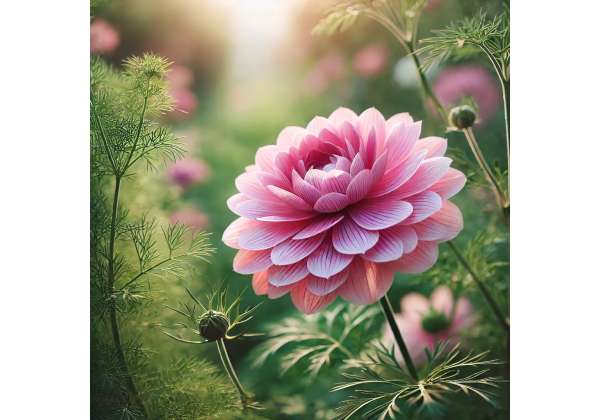
Damask rose (Rosa × damascena) is a fragrant, oil-rich rose best known for its use in perfumery, traditional medicine, and gentle culinary preparations like rose water. What makes it more than “just a flower” is its distinctive chemistry: a complex essential oil (used in aromatherapy and topical blends) and a petal profile rich in polyphenols, flavonoids, and tannins. Together, these compounds help explain why damask rose is traditionally used for calming the nervous system, easing tension, supporting sleep, and soothing irritated skin.
Modern research is still catching up to tradition, but early clinical studies suggest rose aromatherapy can reduce situational anxiety and improve subjective sleep quality for some people. Petal teas and food-grade rose water are often used for mild digestive comfort and menstrual support, while diluted rose oil or hydrosol is popular for skincare routines that focus on redness and dryness. Like all botanicals, the “right” form, dose, and safety precautions matter—especially with concentrated essential oil.
Quick Overview
- Inhaled damask rose aroma may reduce short-term anxiety and support sleep quality in some people.
- For tea, use 1–2 g dried petals per cup, up to 1–3 cups daily, unless your clinician advises otherwise.
- Do not ingest rose essential oil; it is highly concentrated and can irritate and trigger reactions.
- Avoid medicinal use if pregnant or breastfeeding, or if you have fragrance allergies or asthma that flares with scents.
Table of Contents
- What is Damask rose and what makes it different?
- Key ingredients and medicinal properties
- Does Damask rose help with mood and sleep?
- Skin benefits and topical uses
- Pain, digestion, and menstrual comfort
- Practical ways to use Damask rose
- Dosage and timing guidelines
- Safety and evidence overview
What is Damask rose and what makes it different?
Damask rose is a hybrid rose (the “×” in Rosa × damascena signals hybrid origin) cultivated for centuries for its intense fragrance and high-value aromatic oil. While many roses smell pleasant, only a small number produce the specific, layered scent profile prized in rose “otto” (steam-distilled essential oil) and rose absolute (solvent-extracted aromatic concentrate). The plant’s petals are also used to make rose water (hydrosol), teas, jams, syrups, and traditional remedies.
Common forms you will see
- Dried petals (tea and culinary use): Mild, floral, and often paired with mint, lemon balm, or black tea.
- Rose water or hydrosol: A water-based aromatic distillate; gentler than essential oil and often used in food or skincare.
- Essential oil (rose otto): Extremely concentrated; used in aromatherapy and diluted topical blends.
- Rose absolute: Potent aromatic extract used mainly in perfumery; not a default choice for DIY topical use.
- Capsules or extracts: Less common than aromatherapy products, but used in some studies.
Why it is considered medicinal
Traditional systems have used damask rose for “cooling” and soothing effects—supporting emotional balance, easing tension, and calming the digestive tract. Modern language translates that into nervous system modulation, mild antispasmodic effects, and skin-soothing activity. The key point is that benefits depend heavily on the preparation: a cup of petal tea behaves very differently from inhaling rose aroma, and both are very different from applying essential oil.
A quick quality reality check
True damask rose oil is expensive because it takes an enormous quantity of petals to produce a small volume of oil. This cost drives adulteration in the market. As a consumer, you are safest when you choose reputable brands, clear labeling, and products intended for the way you plan to use them (food-grade for ingestion, cosmetic-grade for skin).
Key ingredients and medicinal properties
Damask rose is best understood as two overlapping “chemical worlds”: the volatile aromatics (mostly in essential oil and hydrosol) and the non-volatile polyphenols (mostly in petals and extracts). Both matter, but they act in different ways.
Volatile aroma compounds (essential oil and hydrosol)
Rose aroma is dominated by fragrant alcohols and related compounds such as citronellol, geraniol, nerol, phenethyl alcohol, and linalool, along with smaller amounts of other terpenes and aromatic constituents. In practical terms:
- These molecules interact with the olfactory system, which has direct connections to brain regions involved in stress response and emotion.
- Some compounds may also influence autonomic balance (how “wired” or “settled” you feel), which helps explain why aromatherapy is studied for anxiety and sleep.
Aromatics are also the reason rose products can trigger fragrance sensitivity. The same compounds that smell wonderful can irritate reactive skin or airways in some people.
Polyphenols and flavonoids (petals and extracts)
Rose petals contain a range of plant-protective compounds, including flavonoids (commonly discussed examples include quercetin and kaempferol derivatives), phenolic acids (such as gallic-acid–type compounds), anthocyanins (pigments), and tannins. This group is associated with several “medicinal properties” often attributed to damask rose:
- Antioxidant activity: Helpful as a supportive, whole-food–style effect rather than a stand-alone treatment.
- Anti-inflammatory signaling: Potentially relevant for redness, irritation, and discomfort.
- Astringent and toning effects: Largely connected to tannins, which can feel soothing for some people and drying for others.
Putting it together: what these ingredients can realistically do
Damask rose is not a pharmaceutical; its effects are typically subtle, supportive, and context-dependent. The most plausible “sweet spot” is where gentle aromatics and soothing polyphenols complement lifestyle strategies—sleep hygiene, stress reduction, and barrier-focused skincare—rather than replacing them.
Does Damask rose help with mood and sleep?
The strongest modern interest in damask rose centers on aromatherapy—inhaling rose scent through a diffuser, scented patch, or controlled inhalation method. The reason is simple: olfactory input can shift perceived stress quickly, and anxiety and poor sleep are common, measurable complaints.
Where it seems most helpful
Damask rose appears most relevant for situational stress—the kind tied to a medical procedure, hospitalization, acute worry, or a stressful day. In these contexts, people often report:
- feeling calmer within minutes of inhalation
- less “mental noise” at bedtime
- improved subjective sleep quality (how restful sleep feels)
These are meaningful outcomes, but they are also highly individual. Aroma preference matters: if you dislike the scent, you are unlikely to relax.
What to expect (and what not to expect)
A helpful way to set expectations is to think of rose aromatherapy as a nervous system cue rather than a sedative. It may help you transition into a calmer state, but it does not reliably “knock you out,” and it is not a treatment for chronic insomnia, panic disorder, or major depression.
- Short-term benefit: More likely with consistent, gentle use (for example, nightly for 1–2 weeks).
- Long-term benefit: Less certain; studies vary in quality, and protocols differ.
Synergy with other calming tools
Damask rose is often paired with breathing exercises, progressive muscle relaxation, or other aromatics. If you are exploring complementary options, you might compare how rose feels versus lavender relaxation support, since both are commonly used for stress and sleep routines.
Oral extracts for mood
Capsules and extracts are less studied than aromatherapy, but some trials use standardized dosing over several weeks. If you go this route, quality and standardization matter: “500 mg rose extract” can mean very different chemical profiles depending on the manufacturer.
Skin benefits and topical uses
Damask rose is widely used in skincare, but it is important to separate gentle rose water or hydrosol from essential oil, and to be realistic about what each can do.
Rose water and hydrosol: the everyday-friendly option
A well-made hydrosol is primarily water containing trace aromatic compounds. People use it as:
- a light facial mist to reduce the feeling of tightness
- a “refresh” step after cleansing
- a mild aromatic layer before moisturizer
For many, rose water feels soothing because it supports the ritual of skincare and provides a sensory cue of comfort. If your skin is reactive, hydrosol is usually the safer place to start than essential oil.
Essential oil: potent, effective, and more likely to irritate
Rose essential oil can be beneficial in very low concentrations for some people, especially as part of a carrier oil blend. Potential reasons include mild anti-inflammatory signaling and sensory relaxation. But the same aromatic constituents can cause:
- stinging or redness if the concentration is too high
- delayed irritation or allergic contact dermatitis
- eye irritation if applied too close to the eye area
If you use it, treat it like a precision ingredient, not a “natural must-have.”
Concerns: acne, oily skin, and “astringency” myths
Rose products are sometimes marketed as pore-tightening or acne-clearing. In reality, outcomes vary:
- Hydrosol can feel balancing and refreshing without stripping.
- Tannins in petal-based extracts may have a mild astringent feel, which some oily-skin types enjoy and some dry-skin types dislike.
- Essential oil is not an acne medication; it may worsen irritation if overused.
If you are drawn to botanicals with a classic toning profile, you may also find it useful to compare rose routines with witch hazel topical benefits, especially if you are troubleshooting dryness versus oil control.
Pain, digestion, and menstrual comfort
Damask rose has a long history of use for physical discomfort—particularly cramping, digestive unease, and headache-like tension. Modern research includes small clinical trials and reviews, but the overall picture is mixed: promising in some scenarios, modest or inconsistent in others.
Menstrual comfort: a traditional use with emerging research
In traditional practice, rose is often described as soothing and gently antispasmodic. People use it for:
- lower-abdominal tension around menstruation
- irritability and fatigue linked to cycle changes
- headache-like pressure that comes with hormonal shifts
Practical options here are usually petal tea, rose in combination formulas, or standardized capsules. Realistically, if you tend to have severe cramps, rose is more likely to be a supportive add-on than a stand-alone solution.
Digestive use: gentle and best for mild symptoms
Rose petal tea is commonly used after meals for mild bloating or a “heavy” feeling. Potential reasons include:
- warm fluid intake (often underestimated as a benefit)
- polyphenols that may support gut comfort
- a calming sensory effect that reduces stress-driven digestive tension
If your digestive symptoms are intense (persistent reflux, severe pain, bleeding, weight loss), treat rose as a comfort ritual while you seek medical evaluation.
General pain and tension
Some studies explore rose aromatherapy and extracts for pain-related outcomes in specific settings (procedures, acute discomfort). The most consistent theme is that calming the nervous system can change pain perception, even when the underlying issue remains. That can still be valuable—especially for short-term stress-linked discomfort.
Practical ways to use Damask rose
Choosing the right form is the difference between a pleasant, helpful experience and an irritating one. Start with the gentlest option that matches your goal.
1) Tea from dried petals
A basic preparation:
- Add 1–2 teaspoons (about 1–2 g) dried petals to a cup.
- Pour hot water (not aggressively boiling if you want a smoother taste).
- Cover and steep 5–10 minutes, then strain.
Taste is floral and slightly tannic. Many people blend it with mint, lemon peel, or a small amount of honey. If you enjoy floral infusions, you might also explore how it compares to hibiscus tea benefits, since both are popular for their aroma and color, but they differ in tartness and effects.
2) Food-grade rose water
Food-grade rose water is used in desserts, yogurt, and drinks. For a simple evening beverage, some people add 5–10 mL (1–2 teaspoons) to warm water or milk. Make sure it is clearly labeled food-grade, since cosmetic rose waters may contain preservatives not intended for ingestion.
3) Aromatherapy (diffuser or inhalation)
For a diffuser: use 1–3 drops in water according to your diffuser instructions, and run 10–30 minutes. For direct inhalation, avoid putting undiluted oil under your nose; use a diffuser, an aroma stick, or a diluted method.
4) Topical use (diluted only)
If you use rose essential oil on skin, dilute it in a carrier oil and keep concentrations low (details in the dosage section). Hydrosol is a simpler and often safer daily option.
Dosage and timing guidelines
Because damask rose can be used as food, tea, aromatherapy, or a concentrated extract, “dose” depends on the form. Use the guidance below as a conservative starting point, not a medical directive.
Dried petals (tea)
- Typical range: 1–2 g dried petals per cup
- Frequency: 1–3 cups daily
- Timing: after meals for digestive comfort, or 30–60 minutes before bed as part of a wind-down routine
- Duration: try 7–14 days, then reassess
If you are building a sleep routine, it helps to compare your rose tea dose with other calming teas—many people rotate options such as chamomile tea and calming compounds to avoid monotony and to learn what suits them best.
Rose water (food-grade)
- Typical range: 5–10 mL (1–2 teaspoons) in a beverage or food
- Frequency: once daily, or occasionally
- Note: effects are usually gentle and sensory rather than strongly medicinal
Standardized extracts and capsules
Extracts vary widely, so follow the product label. In clinical research settings, a common style of dosing is 500 mg capsules taken twice daily for several weeks. If you choose a supplement:
- look for clear labeling of plant part and extraction method
- avoid “proprietary blends” that hide the true dose
- start at the low end for 3–7 days before increasing
Essential oil (aromatherapy and topical)
- Diffuser: 1–3 drops, 10–30 minutes
- Topical dilution: generally 0.5–1% is a cautious range (roughly 1 drop per 5–10 mL carrier oil, depending on dropper size)
Never use essential oil internally unless under the guidance of a qualified clinician trained in essential oil ingestion safety, which is not a common or routine recommendation.
Safety and evidence overview
Damask rose is often well tolerated in food-like amounts, but safety depends on concentration, route, and individual sensitivity. This section covers practical safety first, then an honest snapshot of what the evidence supports best.
Side effects you might notice
- Tea or culinary rose water: occasional stomach upset, headache, or nausea in sensitive individuals
- Hydrosol on skin: mild stinging if the skin barrier is compromised
- Essential oil: irritation, allergic contact dermatitis, watery eyes, and scent-triggered symptoms
If you develop itching, hives, wheezing, or facial swelling, stop immediately and seek medical care.
Who should avoid it or use extra caution
- Pregnant or breastfeeding people: avoid medicinal dosing and essential oil use unless cleared by your clinician; culinary amounts are typically the safest approach.
- Infants and young children: avoid essential oils; use only clinician-approved approaches.
- Fragrance allergy or chronic dermatitis: rose aromatics contain known sensitizers; patch testing is essential.
- Asthma or migraine triggered by scents: avoid diffusers and strong inhalation exposures.
- People taking sedatives or sleep medications: aromatherapy may add to drowsiness; use cautiously.
Interactions and practical safety rules
- Do not ingest essential oil. This is the most important rule for home use.
- Patch test any leave-on topical product, especially if it contains essential oil.
- Avoid eyes and mucous membranes (nostrils, lips, genital area) with concentrated products.
- Choose the right grade: food-grade for ingestion, cosmetic-grade for skincare.
How strong is the evidence?
- Best-supported area: inhaled rose aromatherapy for short-term anxiety and sleep quality in certain settings.
- Moderate but mixed: pain-related outcomes (results vary by cause of pain, form used, and study quality).
- Early-stage: skincare outcomes and digestive comfort—widely used, biologically plausible, but less proven in robust clinical trials.
A fair conclusion is that damask rose is a low-intensity, potentially helpful adjunct when used correctly, with the strongest case for aroma-based calming and a strong safety rationale for starting with gentler forms (tea and hydrosol) before considering concentrated extracts.
References
- The effects of Rosa damascene aromatherapy on mood and sleep: a systematic review and meta-analysis 2025 (Systematic Review)
- Effects of Topical Application and Oral Intake of Rosa damascena on Acute Pain in Adults: A Systematic Review and Meta-analysis 2022 (Systematic Review)
- Effect of oral capsules of Rosa damascena mill extract on depression, anxiety and stress in menopausal women: A randomized controlled trial 2025 (RCT)
- Phytochemicals and bioactive functional ingredients from rosa damascena: from extraction to application in the food and healthcare sectors 2025 (Review)
- Safety Assessment of Rosa damascena-Derived Ingredients as Used in Cosmetics 2022 (Safety Assessment)
Disclaimer
This article is for educational purposes only and does not provide medical advice, diagnosis, or treatment. Herbs and essential oils can cause side effects and allergic reactions, and they may interact with medications or medical conditions. If you are pregnant, breastfeeding, have asthma, have a history of fragrance allergy, or take prescription medications (especially for sleep, anxiety, or mood), consult a qualified healthcare professional before using damask rose medicinally. For urgent symptoms—such as trouble breathing, swelling, severe rash, or severe pain—seek emergency medical care.
If you found this guide helpful, consider sharing it with friends or family on Facebook, X (formerly Twitter), or your favorite platform so others can learn how to use damask rose more safely and effectively.