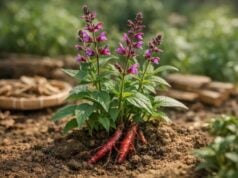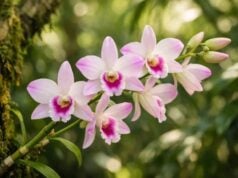
Delek Air (Memecylon ovatum) is an evergreen shrub or small tree valued as much for its striking blue flowers and dark-purple fruits as for its traditional wellness roles. In several Southeast and South Asian traditions, different parts of the plant—especially the leaves and roots—have been prepared as simple infusions or decoctions for astringent and soothing purposes. Today, most interest in Delek Air centers on three themes: its polyphenol-rich profile (linked with antioxidant activity), its traditional topical uses for eye and skin comfort, and its long-standing use for women’s health concerns such as irregular or heavy menstruation.
At the same time, Memecylon ovatum is not a widely standardized herbal supplement, and its internal use is guided more by tradition than by robust clinical trials. That makes it especially important to approach the herb with conservative dosing, clear goals, and a safety-first mindset—particularly for pregnancy, breastfeeding, and anyone using medications. This guide walks you through what Delek Air is, what it contains, how it is used in practice, how to dose it responsibly, and when it is best avoided.
Key Facts
- Traditional use focuses on astringent support for occasional loose stools and external washes for minor irritation.
- The fruit is edible and may contribute antioxidants, but it is not a substitute for a balanced diet.
- Avoid internal use during pregnancy and breastfeeding due to limited safety data and traditional reproductive uses.
- Common tea range is 2–4 g dried leaves per cup, up to 1–2 cups daily for short periods.
- People with bleeding disorders, chronic digestive irritation, or frequent allergic reactions should avoid unsupervised use.
Table of Contents
- What is Delek Air?
- Key ingredients and medicinal properties
- What does Delek Air help with?
- How to use Delek Air
- How much and when to take
- Side effects and who should avoid
- What the evidence actually says
What is Delek Air?
Delek Air is a common name used for Memecylon ovatum, a member of the Melastomataceae family. Depending on region and plant lists, it may also be referred to by other local names (such as “Bayan” or “Kolis”), and it is sometimes treated as closely related to, or overlapping with, other Memecylon taxa. For readers, the practical implication is simple: accurate identification matters, because traditional uses and safety assumptions can differ when a plant is substituted or misnamed.
Botanically, Delek Air is typically described as an evergreen shrub or small tree. It thrives in warm, wet to seasonally wet climates and is often planted as an ornamental for its vivid blue flowers. The fruits are small and dark purple to nearly black when ripe, with a juicy pulp in some varieties. In community settings, the fruit has been eaten fresh when available, while leaves and roots have been used in basic preparations for topical and internal support.
From an herbal perspective, Delek Air is best understood as an astringent and polyphenol-containing plant. Astringent herbs are often chosen to “tighten” tissues and reduce excess secretions—an action that can feel helpful for watery diarrhea, weepy skin, or minor irritation. This action is typically linked with tannins and related phenolics, which are common in many tree and shrub leaves. If you already understand how tannin-rich botanicals work, you will notice the same overall logic here: small doses for short periods, careful attention to constipation or stomach sensitivity, and a strong preference for topical use when safety is uncertain.
Another defining feature is the plant’s traditional positioning in women’s health. In some settings, root preparations have been used for menstrual concerns. That does not automatically mean the plant is appropriate for self-treatment, but it does explain why pregnancy and breastfeeding deserve extra caution.
Finally, Delek Air’s modern relevance is shaped by a gap: it is widely described in traditional practice, but not widely standardized in supplements. So the quality of your material (correct species, clean source, proper drying, reasonable storage) often influences the experience more than any “perfect” dose.
Key ingredients and medicinal properties
Delek Air does not revolve around a single “star” compound. Instead, its potential comes from a pattern typical of many medicinal shrubs and small trees: a mix of tannins, flavonoids, and other polyphenols that shape how the plant feels in the body and on the skin. Because detailed profiling can vary by region, harvest timing, and plant part, it is best to think in compound families and likely effects rather than in one fixed chemical list.
Key ingredient groups commonly discussed for Memecylon species include:
- Tannins and related phenolics. These contribute the astringent taste and “tissue-tightening” feel. In practical terms, tannins can help reduce excess wetness and support a sense of calm in irritated tissue. This is the same general rationale behind other astringent botanicals such as oak bark preparations, though Delek Air is typically used in milder, more traditional household forms.
- Flavonoids and phenolic acids. These are widely distributed plant compounds associated with antioxidant activity in lab testing. For users, the most realistic takeaway is supportive: antioxidant-rich botanicals may help the body handle everyday oxidative stress, but they do not replace core habits such as sleep, a nutrient-dense diet, and sun protection for skin goals.
- Terpenoids and triterpenes (in smaller amounts). In many plants, these compounds are discussed in relation to anti-inflammatory signaling pathways. When present, they may contribute to the “soothing” reputation of leaf-based topical washes.
- Anthocyanins and pigments (especially in dark fruits). The deep purple fruit color suggests the presence of pigment compounds that often correlate with antioxidant activity. While fruit color alone is not proof of potency, it fits the broader pattern seen in many dark berries and wild fruits.
From these ingredients, Delek Air is often described with several “medicinal properties.” The most grounded ones are:
1) Astringent support
This is the classic use case: occasional loose stools, minor weepy irritation, and topical washes for comfort. The goal is not to “shut down” the body, but to reduce excess fluidity and help tissues feel steadier.
2) Antioxidant potential
Antioxidant activity is frequently demonstrated in laboratory assays across plant extracts. In real life, this is best viewed as background support rather than a targeted medical effect.
3) Skin and mucosal soothing (traditional)
When used as a diluted wash on intact skin, astringent-polyphenol herbs are often chosen for comfort and cleanliness. For eye-area use, this requires extra caution and careful preparation.
A helpful framing is that Delek Air’s properties are most plausible when the plant is used gently, for short periods, and in straightforward forms (infusions, washes, and food use of ripe fruit).
What does Delek Air help with?
To discuss Delek Air’s “health benefits” responsibly, it helps to separate traditional uses (what communities have done) from clinically proven outcomes (what has been tested in humans). For Memecylon ovatum specifically, most claims fit best in the “traditional and plausible” category—especially when the plant is used topically or as a short-term, low-dose infusion.
1) Occasional digestive upset with loose stools
Astringent herbs are often used when stools are loose or watery and the body feels “drained.” The intended effect is a modest tightening and calming of the gut lining. If you try Delek Air for this purpose, keep the duration short (a few days), avoid strong decoctions, and stop if you become constipated or crampy. Persistent diarrhea, blood in stool, fever, dehydration, or severe pain should be treated as medical concerns rather than herbal experiments.
2) External washes for minor irritation
Traditional descriptions often include leaf infusions used as a wash or lotion. The realistic goal is comfort: less weepiness, less “raw” sensation, and a cleaner feel. This is most appropriate for intact skin with mild irritation, not for infected, open, or worsening lesions. If you are looking for a clearer modern benchmark for topical soothing herbs, many people compare tannin-astringent approaches with gentler skin-repair traditions such as comfrey-based topical support, while keeping in mind that different plants carry different safety cautions.
3) Eye-area comfort (high caution)
Some traditions describe leaf infusions as an astringent lotion for eye irritation. This is a sensitive area where contamination and concentration matter enormously. Even if a plant is “gentle” elsewhere, the eye can react strongly. If you consider any eye-area use, treat sterility as non-negotiable, keep solutions very dilute, and avoid putting non-sterile herbal liquids directly into the eye. Persistent redness, pain, discharge, light sensitivity, or vision changes should be evaluated promptly.
4) Menstrual concerns (traditional)
Root preparations are traditionally mentioned for menstrual irregularities or heavy flow. This is precisely the type of use that deserves professional guidance, because menstrual changes have many causes (including anemia, fibroids, endocrine conditions, pregnancy, and medication effects). Consider Delek Air here as a plant with a historical role—not as a self-prescribed treatment plan.
5) Food use and general antioxidant intake
In regions where the fruit is eaten, it may contribute phytonutrients and an interesting seasonal food source. The benefit is nutritional variety and potential antioxidant intake, not a cure for disease. As with other wild fruits, the practical safety priorities are correct identification and clean harvesting locations.
If you want Delek Air to be useful, choose the lane where it is most reasonable: mild topical use, cautious short-term infusions, and food use of ripe fruit—while avoiding high-stakes self-treatment.
How to use Delek Air
Delek Air is typically used in simple household-style preparations rather than in standardized capsules. That can be a strength—simple does not automatically mean ineffective—but it also means your choices around quality and preparation make a large difference in both safety and results.
1) Leaf infusion (tea)
A leaf infusion is the most common “gentle internal” approach. It is usually chosen for short-term astringent support or general comfort. Practical steps:
- Use dried, clean leaves from a reliable source.
- Add the leaves to hot water (not aggressively boiling if you are aiming for a gentler tea).
- Cover and steep long enough to extract polyphenols (often 10–15 minutes).
- Strain carefully.
Taste can be mildly bitter and drying. If the tea feels overly astringent, reduce the amount of leaf rather than adding sweeteners that encourage you to drink more than you intended.
2) Leaf infusion as a topical wash
For intact skin, a cooled infusion can be used as a wash or compress. This is often the most practical route if your goal is comfort and “tidying” rather than systemic effects. Use clean containers and fresh preparation, and discard after a day to reduce contamination risk.
3) Root decoction (avoid casual use)
Root decoctions are traditionally mentioned for menstrual concerns, but they are also the least standardized and potentially the most risky for self-use. Roots can concentrate different compounds than leaves, and decoctions extract more aggressively. If you are considering root use, treat it as a professional-guidance category.
4) Fruit as food
Ripe fruit can be eaten when properly identified and harvested from clean locations. Food use is often the most conservative way to explore a plant’s potential benefits, because doses are naturally limited and the body tends to regulate intake through taste and satiety. If the fruit is very astringent, that is your cue to keep portions modest.
5) Practical quality rules
- Choose material that is clearly labeled with the scientific name.
- Avoid plants collected near roadsides, sprayed landscapes, or contaminated soil.
- Store dried leaves in an airtight container away from heat and light.
- If the plant smells musty or shows visible mold, discard it.
A note on eye-area use
Because traditional descriptions sometimes mention eye lotions, it is worth repeating: the eye is not the place for improvised herbal solutions. If you want a modern, widely used astringent for external skin use (not inside the eye), witch hazel topical preparations are a common point of comparison in contemporary routines—yet even then, the safest use is on intact skin with patch testing.
Delek Air is best used with a simple goal, a simple preparation, and a strong preference for clean, conservative practice.
How much and when to take
Because Delek Air is not a mainstream standardized supplement, dosing guidance should be conservative and practical. The goal is to find a range that is reasonable for short-term traditional use while avoiding the trap of “more must work better.” With astringent herbs, higher doses often increase side effects (constipation, stomach discomfort) without adding meaningful benefit.
Leaf tea (infusion) dosing
A typical traditional-style starting range is:
- 2–4 g dried leaves per cup (about 250 mL / 8 oz)
- Steep 10–15 minutes, then strain
- Start with 1 cup daily for 1–2 days
- If well tolerated and still needed, increase to 2 cups daily
- Use for up to 3–7 days, then reassess
If you are using fresh leaves, weight and potency vary. A safer approach is to treat fresh leaves as “stronger than they look,” start with a small amount, and increase gradually only if you tolerate it well.
Topical wash or compress
For intact skin, you can make a slightly stronger infusion than drinking tea, because you are not exposing the gut:
- 4–6 g dried leaves in 500 mL water, steeped 15 minutes
- Cool completely, strain very well
- Apply as a wash or compress for 10–15 minutes, once daily as needed
- Discontinue if skin becomes itchy, red, or more irritated
Avoid storing topical infusions for multiple days. Fresh preparation reduces contamination risk.
Fruit as food
Food portions do not need to be “medicinal.” A practical range is simply a small handful of ripe fruit when available, paying attention to your digestion and to the fruit’s astringency. If you experience constipation or stomach discomfort, reduce portion size or frequency.
Timing considerations that matter
- For digestive support, many people prefer tea between meals so it does not interfere with appetite or feel too heavy.
- If you are prone to constipation, avoid taking an astringent herb late in the day when you are less active.
- Do not use it as a daily “maintenance” tea for weeks. Astringent herbs are generally better as short-term tools.
Common variables that change the right dose
- Sensitive digestion: choose the low end and shorter duration.
- Low iron status: consider spacing tannin-rich teas away from iron-rich meals.
- Medication use: choose topical use rather than internal, unless a clinician advises otherwise.
The most responsible dosing strategy is slow, short, and feedback-driven: start low, watch how you feel, and stop early if the benefits are not clear.
Side effects and who should avoid
Delek Air’s safety profile is best approached through the lens of what it is: a plant used in traditional infusions and topical washes, likely containing astringent polyphenols. That combination is often well tolerated in small amounts, but it carries predictable risks—especially when doses become strong, frequent, or long-term.
Potential side effects
- Constipation or “over-drying” digestion. Astringent herbs can reduce gut secretions and slow motility in some people. If stools become hard or infrequent, stop the tea.
- Stomach discomfort or nausea. Strong tannin-rich preparations can irritate sensitive stomachs, especially on an empty stomach.
- Headache or fatigue (indirect). This can happen if the herb suppresses appetite or contributes to dehydration when diarrhea is present.
- Skin irritation. Any topical botanical can trigger redness, itching, or a rash, especially on reactive skin.
Who should avoid internal use unless a clinician advises it
- Pregnant and breastfeeding people. Traditional reproductive uses plus limited modern safety data make avoidance the safest default.
- Children. Children are more sensitive to dehydration and dosing variability; professional guidance is preferred.
- People with chronic constipation, IBS with constipation, or recurrent bowel obstruction history. Astringent herbs can worsen constipation patterns.
- Those with unexplained heavy bleeding or irregular periods. These symptoms deserve evaluation before herbal experimentation.
- People with significant liver or kidney disease. Not because Delek Air is known to be toxic in these conditions, but because unclear dosing and limited safety data raise the stakes.
Medication and nutrient interactions (practical cautions)
- Iron absorption: Tannin-rich teas can reduce absorption of non-heme iron when taken with meals. If you are iron-deficient or supplementing, consider spacing herbal tea away from iron dosing and iron-rich meals.
- Anticoagulants and antiplatelet drugs: While Delek Air is not known as a classic “blood-thinning herb,” any change in bleeding or bruising is high-stakes. If you take these medications, keep use topical and limited unless a clinician approves internal use.
- Prescription topical treatments: If you use medicated creams (retinoids, steroids, acne medications), adding astringent washes can increase irritation risk.
Patch testing for topical use
Apply a small amount of cooled infusion to the inner forearm and wait 24 hours. If you develop itching, redness, swelling, or rash, do not use it more broadly.
When to seek medical care instead of trying herbs
- Fever, blood in stool, severe dehydration, or diarrhea lasting more than a couple of days
- Eye pain, light sensitivity, discharge, or vision changes
- Heavy bleeding, pelvic pain, or new menstrual changes that persist
Safety with Delek Air is largely about respecting variability: keep preparations mild, durations short, and stop quickly if your body signals discomfort.
What the evidence actually says
For Delek Air, the evidence picture is uneven: documentation of traditional use is common, but rigorous human trials for specific outcomes are limited. The most responsible approach is to align expectations with the kinds of studies that exist and to avoid treating early laboratory findings as clinical proof.
1) Stronger support: identification, distribution, and traditional preparation patterns
Descriptive botanical sources and regional plant documentation provide consistent information about the plant’s identity, habitat, and common preparation methods. This supports basic claims such as “the fruit is eaten in some regions” and “leaves and roots have been used in infusions and decoctions.” These sources help validate that Delek Air is a real traditional plant with recurring household uses.
2) Moderate support: nutritional and fruit-characterization data
When Delek Air fruit is discussed in the context of underutilized edible fruits, the most reliable insights are practical: fruit size, edible portion, sweetness, and the broader argument that neglected fruits can contribute dietary diversity. This does not prove medical benefits, but it supports the idea that the fruit can be approached as a food, and that it may contribute phytonutrients consistent with its deep purple color.
3) Early support: antioxidant and polyphenol signals (mostly preclinical)
Plant polyphenols often show antioxidant activity in laboratory assays. That is useful as a signal—especially when it aligns with traditional astringent use—but it does not automatically translate into a clinically meaningful effect in humans. For most readers, the best takeaway is modest: Delek Air may contribute antioxidant compounds, but outcomes are likely subtle and depend heavily on overall diet and lifestyle.
4) Indirect support from related Memecylon species
Some pharmacology work focuses on other Memecylon species rather than Memecylon ovatum. These studies explore anti-inflammatory activity, antioxidant effects, and antimicrobial patterns in extracts. Such research can make Delek Air’s traditional uses feel more plausible at a “mechanism” level, but it should not be treated as interchangeable evidence. Different species, plant parts, and extraction methods can change both effects and safety.
5) The biggest gaps
- Human studies testing Delek Air preparations for specific conditions
- Standardized dosing guidance linked to outcomes
- Long-term safety data for internal use
- Clear interaction profiles with medications
A practical evidence-based conclusion
Delek Air is most defensible as a traditional, mild astringent and topical-support plant, with edible fruit use that may contribute nutritional variety. It is least defensible as a high-dose, long-term internal supplement meant to treat complex conditions. If you keep your use conservative—short durations, mild preparations, and a strong preference for topical or food use—you are more likely to stay within the boundaries of what the evidence can reasonably support.
References
- NParks | Memecylon ovatum 2026 (Database)
- Memecylon ovatum Sm. | Plants of the World Online | Kew Science 2026 (Database)
- Underutilized edible fruit species of the Indo-Gangetic Plains: A systematic review for food security and land degradation neutrality 2024 (Systematic Review)
- Characterization of Neglected and Underutilized Fruits in the Philippines 2023
- Anti-inflammatory activity of Memecylon malabaricum 2022
Disclaimer
This article is for educational purposes only and does not replace medical advice, diagnosis, or treatment. Herbal materials can vary widely by species identification, harvest conditions, preparation method, and contamination risk. Delek Air (Memecylon ovatum) has limited clinical research for many of its traditional uses, so internal use should be conservative and short-term. Avoid internal use during pregnancy and breastfeeding, and use extra caution if you have chronic digestive conditions, bleeding disorders, or take prescription medications. Seek prompt medical care for persistent diarrhea, dehydration, severe abdominal pain, eye pain or vision changes, heavy bleeding, or signs of allergic reaction such as hives, swelling, wheezing, or trouble breathing.
If you found this article helpful, consider sharing it on Facebook, X (formerly Twitter), or your favorite platform so others can learn about Delek Air with a safety-first perspective.