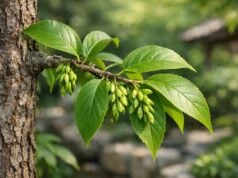
Dogfennel (Eupatorium capillifolium) is a tall, airy, strongly aromatic plant in the daisy family that many people recognize from roadsides and pastures across the southeastern United States. When crushed, its threadlike leaves release a sharp, resinous scent—one reason it has a reputation as a natural insect “scatterer” around porches, barns, and garden edges. Traditional use has also included topical applications for minor skin discomfort and folk steam or rub preparations for seasonal congestion, though modern clinical research on these uses is limited.
What makes dogfennel different from many “gentle” herbs is the balance of potential and risk. The plant contains fragrant essential-oil constituents with antimicrobial and insect-related activity in laboratory settings, but it is also associated with pyrrolizidine alkaloids—compounds that raise safety concerns with internal use and long-term exposure. In other words, dogfennel may be useful in careful, practical ways, yet it is not a good candidate for casual self-dosing as a tea or supplement. This guide explains what dogfennel is, what’s in it, how it’s used, and how to approach safety first.
Core Points
- The aromatic oils may help deter insects and support short-term topical use for minor skin discomfort.
- Internal use carries safety concerns due to pyrrolizidine alkaloids; avoid teas and tinctures unless professionally guided.
- Practical topical range: 1–2% diluted preparation (about 1–2 mL per 100 mL carrier) or an external wash made from 2–5 g dried herb per 250 mL water.
- Avoid if pregnant or breastfeeding, if you have liver disease, or if you are a child (higher risk from unsafe dosing).
Table of Contents
- What is dogfennel?
- Key ingredients and medicinal properties
- Does dogfennel repel insects?
- Can it help with congestion and aches?
- Best ways to use dogfennel
- How much dogfennel per day?
- Side effects, interactions, and evidence
What is dogfennel?
Dogfennel (Eupatorium capillifolium) is a perennial plant in the Asteraceae (daisy) family. It often grows 3–8 feet tall, branching into a feathery, upright form that can look soft from a distance but feels wiry up close. Its leaves are very finely divided—almost hairlike—which is why it can be mistaken for culinary fennel at a glance. Despite the common name, dogfennel is not the same as fennel (Foeniculum vulgare). The easiest distinction is aroma and structure: dogfennel has a pungent, medicinal, sometimes “turpentine-like” scent when crushed, while true fennel smells distinctly sweet and anise-like.
Where it grows and why people notice it
Dogfennel thrives in disturbed soils: field edges, pastures, ditches, and sunny open ground. It spreads readily and is often treated as a weed in agricultural settings. That “weedy” reputation has two sides for herbal use. On one hand, the plant is abundant and easy to find. On the other, roadside growth increases the chance of contamination from vehicle runoff, herbicides, and dust—an important consideration if you plan any form of topical use.
Which parts are used
Traditional and practical use focuses on the aerial parts (leaves and upper stems). These contain the aromatic constituents people associate with insect deterrence and topical rubs. The roots are less commonly used in household practice and are not recommended for home experimentation because alkaloid content can be higher in underground tissues in some plants, and dosing is difficult to control.
Common names and identification pitfalls
Dogfennel may also be called “dog fennel,” “fennel weed,” or regional names that overlap with unrelated plants. Misidentification matters here because safety depends on knowing exactly what you have. If you are not fully confident, treat the plant as ornamental or leave it alone. In particular:
- Do not assume any feathery plant is safe to ingest.
- Do not rely on smell alone; many plants have strong aromas.
- Avoid harvesting from sprayed or high-traffic areas.
A sensible framing is that dogfennel is primarily a utility plant: it’s used around homes and barns for its scent and for occasional topical traditions, rather than as a mainstream edible herb. That context helps set realistic expectations—and keeps safety in the foreground.
Key ingredients and medicinal properties
Dogfennel’s “medicinal” reputation comes from two very different chemical families: volatile aromatic compounds (the fragrance) and pyrrolizidine alkaloids (the safety concern). Understanding both is the key to using the plant responsibly.
Volatile oils: what you smell is part of the story
When you crush dogfennel leaves, you release volatile compounds stored in plant tissues. Essential oil analyses have identified a terpene-rich profile, and while exact composition can vary by region and season, these volatile constituents are often linked with:
- Insect-related effects (repellency or interference with insect behavior)
- Antimicrobial activity in laboratory settings
- Deodorizing or “clearing” sensations when used in a steam or rub tradition
Volatile oils are also why dogfennel can irritate skin in some people. Aromatic compounds can be potent—useful at low exposure, irritating at high exposure.
Polyphenols and related plant compounds
Like many Asteraceae plants, dogfennel contains polyphenols (including flavonoid-type compounds) that may contribute antioxidant activity in test systems. This is often cited as a reason the plant appears in folk “inflammation” conversations. The practical takeaway is modest: polyphenols can support normal cellular defense pathways, but this does not automatically translate to strong clinical effects from home preparations.
Pyrrolizidine alkaloids: the reason dosing needs caution
Pyrrolizidine alkaloids (PAs) are produced by certain plants as a defense mechanism. In humans and animals, specific PAs are associated with liver injury risk—especially with repeated exposure or larger doses. For a consumer, the most important implications are:
- Internal use is higher risk than topical use.
- Long-term use is riskier than brief, limited exposure.
- “Natural” does not mean safe when alkaloid-containing plants are involved.
This is why dogfennel is not a good candidate for casual teas, daily tinctures, or “detox” routines. Even if a person believes they tolerate it, liver injury risk can be silent for a long time before it becomes obvious.
Medicinal properties, stated responsibly
A realistic summary of dogfennel’s medicinal properties is:
- Aromatic utility: scent-driven uses (airing spaces, outdoor deterrence)
- Possible antimicrobial and insect-related activity: supported mainly by lab and applied-agriculture research, not by human clinical trials
- Topical tradition: short-term skin comfort in limited areas for some users
- Meaningful safety limits: internal dosing is not a casual self-care option due to PA concerns
In other words, dogfennel’s “benefits” are most defensible when you treat it as a low-dose, external-use plant with practical applications—rather than a daily internal supplement.
Does dogfennel repel insects?
This is the most common reason people keep dogfennel around. The short answer is that dogfennel’s strong aroma and essential-oil chemistry make insect deterrence plausible, and some research on its volatile components supports insect-related activity. The longer answer is more useful: dogfennel can be part of an insect strategy, but it should not be treated as a stand-alone solution, and it works best when you use it in ways that make chemical sense.
Why it may help
Most plant-based repellents rely on volatile compounds that insects detect at very low concentrations. These compounds can:
- Mask human odor cues that insects use for targeting
- Irritate sensory receptors, encouraging insects to avoid the area
- Disrupt landing or feeding behavior rather than “killing” insects outright
Dogfennel’s smell is intense and persistent, which matters for outdoor use. People often report that freshly cut sprigs placed near entry points, outdoor seating, or barn aisles seem to reduce nuisance insects—especially when replaced frequently.
Practical ways it is used
Common household approaches include:
- Fresh bundles: Cut stems placed in a container near doors or outdoor seating areas.
- Brush barrier: Dogfennel planted or allowed to grow as a perimeter plant (where appropriate and not invasive).
- Outdoor “sweep” use: Lightly brushing the plant around outdoor areas (avoid skin contact if you are sensitive).
- Diluted spray traditions: Using a strained infusion as an outdoor surface spray (not on skin), mainly to add scent rather than deliver a standardized repellent dose.
A critical detail: plant aroma fades. If you’re using dogfennel as a deterrent, refresh it every day or two during peak insect seasons.
What it does not do well
Dogfennel is not a reliable replacement for:
- Physical barriers (screens, nets)
- Environmental control (standing water management)
- Proven repellents when disease-carrying insects are a concern
If you need dependable protection, prioritize proven methods first. Dogfennel can be an extra layer, not the foundation.
Comparisons that help set expectations
Dogfennel’s insect use sits in the broader category of aromatic, bitter, “keep bugs away” plants. If you are looking for other botanical approaches with long folk histories, you might compare it with wormwood’s traditional uses and precautions, which also has a strong scent and a risk profile that requires respect. The comparison is useful because it highlights a shared theme: strong-smelling plants can be helpful, but they often come with safety boundaries—especially for internal use.
A grounded conclusion is that dogfennel can be useful as a scent-based deterrent and may contribute to insect management around homes and barns. Use it outdoors, use it fresh, and treat it as a supportive tool rather than a medical-grade repellent.
Can it help with congestion and aches?
Dogfennel is sometimes used in folk practice for “clearing” the head during seasonal congestion and for easing minor aches when applied as a rub. These uses are understandable: aromatic plants can influence how we perceive breathing comfort and muscle tension, even when the underlying condition is unchanged. The key is to separate symptom comfort from disease treatment and to choose methods that stay within safe boundaries.
Seasonal congestion and breathing comfort
Aromatic herbs can provide a sense of relief through scent-driven mechanisms:
- Volatile compounds stimulate nasal receptors, creating a feeling of clearer airflow.
- Warm steam can loosen mucus and hydrate irritated tissues.
- The ritual itself encourages slower breathing, which reduces the perception of tightness.
If dogfennel is used here, the lowest-risk approach is ambient scent (fresh sprigs in a room) rather than concentrated internal preparations. Some people also use steam traditions, but those come with cautions: hot steam can burn skin and airways, and inhaling strong aromatic compounds can trigger coughing in sensitive individuals. A safer, more standardized comparison for congestion routines is often eucalyptus, which is widely used in prepared products and has clearer dosing conventions. If you want a reference point for how these steam-style approaches are usually handled, see eucalyptus uses and practical applications.
Minor aches and topical comfort
Dogfennel is sometimes applied as a topical rub or compress for:
- Local muscle soreness after activity
- Minor joint stiffness
- “Heavy” feeling in limbs during damp weather
When topical use helps, it is often because:
- Gentle rubbing increases local blood flow and warmth.
- Aromatic compounds create a cooling or warming sensation that competes with pain signals.
- The person rests the area, which itself supports recovery.
This is not the same as treating inflammation at the tissue level, and it should not replace medical evaluation for persistent or severe pain.
What to avoid
Because of safety concerns with internal dosing, it is wise to avoid:
- Drinking dogfennel tea for congestion
- Taking dogfennel tinctures internally for pain
- Using concentrated extracts without professional guidance
Also avoid topical use on broken skin, near the eyes, or on large body areas. For people with asthma, reactive airways, or frequent fragrance-triggered headaches, strong aromatic plants can worsen symptoms rather than help.
Realistic outcomes to expect
If dogfennel is a good fit for you, the benefits are usually:
- Short-term sensory comfort (smell, warmth, “clearing” feeling)
- Mild relaxation from ritual and breathing
- Possible reduction in nuisance discomfort around minor strains
If you need symptom relief beyond that—especially fever, worsening cough, chest tightness, or pain that limits function—dogfennel is not the right tool. It belongs in the category of small, supportive comforts, used cautiously and briefly.
Best ways to use dogfennel
If you choose to use dogfennel, the safest strategy is to prioritize non-ingested, low-exposure methods. Think “fresh plant utility” and “external-only comfort,” not daily dosing.
1) Fresh bundles for outdoor deterrence
This is the most common, lowest-risk approach:
- Cut a few stems and place them near outdoor seating, barn entries, or doorways.
- Replace every 1–2 days during peak insect activity.
- Keep bundles out of children’s reach and away from pet chewing.
Because this use relies on scent, you’ll know when it’s time to refresh: the smell fades.
2) External wash for small skin areas
Some people use a cooled, strained infusion as an external wash (not a drink). A practical method:
- Pour hot water over the herb, steep covered, cool fully, strain.
- Apply to a small patch of intact skin with a clean cloth, then rinse after 10–15 minutes.
This approach keeps exposure lower than leaving plant juices on the skin for hours.
3) Short-contact compress
For minor soreness, a compress can be used briefly:
- Soak a cloth in a cooled infusion, wring out, and apply for 10–15 minutes.
- Wash the area afterward.
- Do not use on broken skin or near eyes.
4) Avoid DIY essential oil extraction
Dogfennel’s essential oil chemistry is part of its appeal, but home extraction is not recommended. Essential oils concentrate compounds dramatically and can increase irritation risk. Commercial oils (if used at all) should be treated like any potent aromatic: dilute, patch-test, and keep away from children.
5) Consider safer, standardized alternatives for skin concerns
When the goal is antimicrobial or soothing topical support, many people do better with products that have clearer dilution norms and quality control. For example, tea tree topical use guidance is helpful as a “how to be cautious with botanicals” reference—because it emphasizes dilution, patch testing, and limited-area use. The point is not that tea tree is perfect; it’s that strong plant products are safest when handled with clear boundaries.
Quality and sourcing tips
- Avoid roadside harvesting and fields that may be sprayed.
- Rinse plant material thoroughly, even for non-edible uses.
- Do not store prepared infusions for long periods; make fresh and discard within 24 hours (refrigerated) to reduce microbial risk.
Dogfennel works best as a practical plant—fresh, external, and short-term. If you find yourself wanting stronger effects that require higher doses, that is usually a sign to choose a different, better-studied herb rather than pushing dogfennel beyond its safe lane.
How much dogfennel per day?
For dogfennel, dosing starts with a safety truth: there is no widely established safe oral dose for self-care, and internal use is generally discouraged due to pyrrolizidine alkaloid concerns and variability in plant chemistry. That does not mean the plant has no uses; it means the most responsible “dosage” guidance focuses on external preparations and environmental scent use.
Safe-by-design dosing: focus on external and low exposure
A) Outdoor scent use (fresh plant)
- Amount: 2–6 fresh stems placed near outdoor areas
- Timing: daytime and early evening (when insects are most active)
- Duration: replace every 1–2 days
This is not a “dose” in milligrams, but it is a predictable routine that aligns with how volatile aroma use works.
B) External wash or compress (dried herb)
- Infusion strength: 2–5 g dried aerial parts per 250 mL (about 1 cup) hot water
- Use: cool completely, strain well
- Application: apply to a small area 1–2 times daily
- Duration: up to 3–7 days, then stop and reassess
C) Diluted topical preparation (if using a prepared extract)
If a person uses a commercial preparation (not home-extracted oil), conservative topical dilution is sensible:
- Dilution range: 1–2% in a carrier (about 1–2 mL per 100 mL carrier)
- Frequency: once daily at first; increase to twice daily only if well tolerated
- Coverage: small area only
Because products vary, labels matter. If a label conflicts with this guidance, follow the label or avoid the product.
Patch test protocol (strongly recommended)
- Apply a tiny amount of diluted preparation to the inner forearm.
- Leave for 15–30 minutes, then rinse.
- Watch for delayed redness, itching, or rash over 24 hours.
- Do not proceed if irritation appears.
What to do about “tea” dosing questions
If you see dogfennel tea dosing online, treat it as a red flag rather than a recommendation. When a plant has known alkaloid-related risks, the safest approach is not “find the smallest tea dose,” but “choose a different herb with safer oral use history.”
Special populations
- Children: avoid. Risk from accidental ingestion and inappropriate dosing is too high.
- Pregnancy and breastfeeding: avoid internal use and be cautious even with topical use due to limited safety data.
- Liver disease or heavy alcohol use: avoid, because liver resilience is already strained.
With dogfennel, responsible dosing is less about maximizing benefit and more about preventing avoidable harm. Keep exposure low, keep use brief, and do not treat it like a daily supplement.
Side effects, interactions, and evidence
Dogfennel is one of those plants where safety deserves equal billing with potential benefits. The most important risks involve internal exposure and long-term use, while the most common day-to-day problems involve skin irritation and misuse of concentrated products.
Potential side effects
Topical or scent-based use can cause:
- Skin redness, itching, or rash (contact dermatitis)
- Headache or nausea in people who are sensitive to strong aromas
- Coughing or throat irritation if volatile compounds are inhaled too intensely
If any of these happen, stop and wash the area with mild soap and water.
Internal exposure risks (the main concern) include:
- Liver stress or injury risk associated with pyrrolizidine alkaloids
- Cumulative risk that may not show symptoms quickly
- Higher risk when combined with other liver stressors (alcohol, certain medications, chronic illness)
Who should avoid dogfennel
Avoid internal use entirely, and avoid topical experimentation unless professionally guided, if you:
- Are pregnant or breastfeeding
- Have liver disease, a history of hepatitis, or unexplained elevated liver enzymes
- Take medications with known liver toxicity potential
- Are giving care to children or have pets that chew plants
Also be cautious if you have strong seasonal allergies. Dogfennel is in the Asteraceae family, and sensitive individuals can react to related plants. If you know you react to daisy-family herbs, use extra caution and consider reading about cross-reactivity patterns in chamomile’s active compounds and allergy considerations as a general reference point.
Medication interactions to take seriously
Dogfennel is not well studied for specific drug interactions, but risk-based caution is appropriate with:
- Drugs that stress the liver (some antifungals, certain antibiotics, some seizure medications, and others)
- Heavy alcohol use or multiple supplements that are metabolized by the liver
- Blood thinners, if using any concentrated extracts (not because dogfennel is proven to thin blood, but because unknowns plus concentrated botanicals warrant caution)
When in doubt, the safest move is to avoid internal dosing and keep topical use minimal.
What the evidence actually says
Most dogfennel research focuses on plant chemistry and pest-management applications rather than human clinical outcomes. That evidence supports a few careful statements:
- Essential-oil constituents can show antimicrobial or insect-related activity in lab and applied settings.
- Dogfennel contains pyrrolizidine alkaloids, which is a meaningful safety limitation for internal use.
- There is little high-quality human clinical research supporting dogfennel as a treatment for specific conditions.
So the best evidence-aligned use is narrow and practical: outdoor scent deterrence and cautious, short-term topical traditions on intact skin, if tolerated. Anything beyond that—especially daily internal use—moves into a risk zone that is hard to justify given the limited clinical upside.
If you want the “benefits” people hope dogfennel will provide (bug control, skin comfort, seasonal breathing comfort), it is usually safer to choose herbs with clearer oral safety histories and established dosing conventions. Dogfennel is best treated as a strong, useful plant that stays on the outside of the body.
References
- Unveiling the bioherbicidal potential of Eupatorium capillifolium (Lam.) Small for selective management of agricultural weeds 2026 (Research Article)
- Eupatorium capillifolium essential oil: chemical composition, antifungal activity, and insecticidal activity 2010 (Research Article)
- Chemical defense: Bestowal of a nuptial alkaloidal garment by a male moth on its mate 2000 (Research Article)
- Pyrrolizidine Alkaloids in Foods, Herbal Drugs, and Food Supplements: Chemistry, Metabolism, Toxicological Significance, Analytical Methods, Occurrence, and Challenges for Future 2024 (Review)
- Genotoxic carcinogenicity of pyrrolizidine alkaloids: relevance of potency factors for the risk assessment 2025 (Review)
Disclaimer
This article is for educational purposes only and does not provide medical advice, diagnosis, or treatment. Dogfennel (Eupatorium capillifolium) may contain pyrrolizidine alkaloids, which are associated with liver injury risk, especially with internal use or repeated exposure. Do not ingest dogfennel or use it as a substitute for professional medical care. If you are pregnant or breastfeeding, have liver disease, take prescription medications, or are considering any concentrated botanical extract, consult a qualified healthcare professional before use. Seek prompt medical care for symptoms of allergic reaction, significant skin irritation, persistent nausea, jaundice, dark urine, or unexplained fatigue.
If you found this guide helpful, consider sharing it on Facebook, X (formerly Twitter), or your preferred platform so others can make safer, better-informed choices.