Fennel, Foeniculum vulgare, is one of those herbs that comfortably bridges the kitchen and the medicine cabinet. Its feathery leaves, crisp bulb, and fragrant “seeds” are familiar in cooking, yet the dried fruits and their aromatic oils also have a long history in traditional herbal care. Most people reach for fennel to ease gas, bloating, and mild cramping, but its uses extend further. It has also been studied for menstrual discomfort, menopausal symptoms, cough support, and certain digestive complaints where spasm and sluggish motility play a role.
What makes fennel so distinctive is its chemistry. Compounds such as trans-anethole, fenchone, estragole, and related flavonoids give it that sweet, licorice-like aroma and much of its biological activity. Even so, fennel is best approached with balance. It can be genuinely helpful, especially as tea or crushed seed after meals, but concentrated oils and extracts are not interchangeable with food use. A practical guide needs to cover both its benefits and its limits, including dose, timing, safety, and who should skip medicinal use.
Key Facts
- Fennel may help with gas, bloating, mild intestinal spasm, and period pain when used in appropriate forms.
- The most relevant medicinal compounds include trans-anethole, fenchone, estragole, and several antioxidant polyphenols.
- A common adult tea range is 1.5 g crushed fennel fruit in 250 mL hot water, up to 3 times daily.
- Concentrated fennel oil is not the same as fennel tea and should not be used casually by mouth.
- Pregnant or breastfeeding people, infants, and anyone with fennel, celery, carrot, or mugwort allergy should avoid self-prescribing medicinal doses.
Table of Contents
- What fennel is and contains
- Does fennel help digestion
- Fennel for cramps and menopause
- How to use fennel well
- How much fennel per day
- Side effects and who should avoid it
- What the evidence actually says
What fennel is and contains
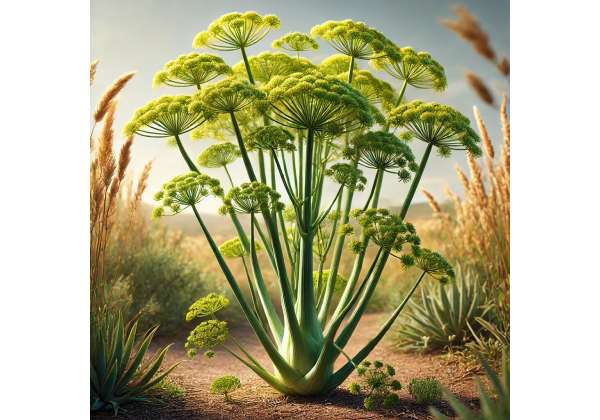
Fennel is a flowering herb in the Apiaceae family, the same plant family that includes carrot, celery, dill, coriander, caraway, and anise. That botanical background explains a lot about both its flavor and its traditional use. Apiaceae herbs are often rich in volatile oils, and many are used as carminatives, meaning they help reduce gas, ease mild intestinal spasm, and support more comfortable digestion.
In everyday language, people talk about fennel seeds, but the medicinal material is technically the dried fruit. That distinction matters because most formal herbal monographs, clinical studies, and traditional dosing guides are built around the fruit rather than the fresh bulb. The bulb is a nutritious vegetable and a good culinary ingredient, but when researchers discuss fennel as an herb, they usually mean sweet fennel fruit, tea, extract, or essential oil.
Fennel’s aroma comes mainly from its volatile constituents. The most important is trans-anethole, the sweet compound that gives fennel its licorice-like profile. It is joined by fenchone, estragole, limonene, alpha-pinene, and smaller amounts of other terpenes. Together, these compounds help explain why fennel has long been used for digestive spasm, heaviness after meals, and coughs with thick mucus.
Its non-volatile side matters too. Fennel contains flavonoids, phenolic acids, and other antioxidant compounds that may contribute to anti-inflammatory and tissue-protective effects. These are not usually the reason someone first chooses fennel, but they help explain why the herb continues to attract pharmacology research.
A practical way to think about fennel is to divide it into four usable forms:
- Bulb: mainly a food, rich in fiber and flavor, but not the main medicinal form.
- Leaves and stalks: culinary and aromatic, with lighter medicinal impact.
- Dried fruits: the classic herbal form for teas and crushed-seed use.
- Essential oil: concentrated and potent, with a different risk profile.
Fennel is also frequently confused with nearby herbs. Flavor-wise, it sits close to anise and sometimes overlaps with it in culinary use. If you enjoy the sweet, aromatic style of anise for digestive comfort, fennel often feels familiar, though the plants are distinct and should not be treated as identical.
The most useful takeaway is that fennel is both a food and a medicine, but not every part of the plant is used in the same way. Most health questions about fennel are really questions about sweet fennel fruit and its preparations. Once you understand that, its benefits, dosage, and safety become much easier to interpret accurately.
Does fennel help digestion
Yes, digestion is where fennel has its clearest and most practical reputation. This is also where traditional use, pharmacology, and modern research line up better than they do for many other claimed benefits. Fennel is best known as a carminative and mild antispasmodic, meaning it may help trapped gas move more comfortably and may reduce the feeling of intestinal tightness or cramping.
In real life, people usually notice fennel in three situations. The first is post-meal bloating, especially after large, rich, or fast-eaten meals. The second is mild crampy discomfort, where the abdomen feels tense rather than sharply painful. The third is that heavy, slow feeling after eating when the stomach does not feel settled.
Why might it help? The likely explanation is not a single mechanism. Fennel’s aromatic compounds appear to influence smooth-muscle tone, digestive secretions, and gut motility. Warm fennel tea may add another layer of benefit simply because heat itself can relax the stomach and support a post-meal unwinding effect. This is one reason tea often works better for everyday digestion than capsules, even when the capsule sounds more “medicinal.”
Fennel also has a long association with infant colic, but this is an area where caution matters. Some studies suggest benefit, yet infant use is not something to improvise at home with adult teas, essential oils, or supplements. Products and dosing need to be age-appropriate and professionally guided. For adults, the message is clearer: fennel can be a reasonable short-term option for gas, bloating, and mild spasmodic digestive discomfort.
It may also have value for functional dyspepsia, a condition marked by early fullness, upper abdominal discomfort, or a sense that digestion is sluggish. That does not mean fennel cures dyspepsia, only that its traditional profile fits the symptom pattern well enough to make it a rational supportive herb.
Some people compare fennel with peppermint. Both are classic digestive herbs, but they feel different in practice. Fennel tends to feel warmer, sweeter, and gentler after meals, while peppermint often feels more cooling and sharper. If you are deciding between them, the digestive style described in peppermint for digestive and respiratory comfort is useful to compare, especially if reflux is part of the picture.
What fennel does not do is replace evaluation for persistent symptoms. It should not be used to cover up ongoing abdominal pain, unexplained weight loss, blood in the stool, progressive swallowing trouble, or long-standing nausea. Fennel belongs in the “supportive self-care” category, not the “diagnostic shortcut” category.
For many adults, though, that supportive role is exactly enough. A modest fennel tea after meals can be a simple, low-tech way to reduce bloating and settle mild cramping without immediately reaching for a stronger intervention.
Fennel for cramps and menopause
Beyond digestion, fennel is one of the more frequently discussed herbs in women’s health, especially for menstrual cramps and menopausal symptoms. This is an area where the evidence is more developed than many people realize, but it still needs careful interpretation.
For primary dysmenorrhea, or period pain not caused by another diagnosed disease, fennel has shown encouraging results in several trials and systematic reviews. The likely reason is a mix of antispasmodic activity, possible effects on smooth muscle, and influence on pain signaling. In plain terms, fennel may help the uterus cramp less intensely or feel less painful during menstruation. Some studies have compared fennel with standard medicines such as mefenamic acid, with results suggesting that fennel may help some users about as much as common over-the-counter strategies for mild to moderate cramps.
That said, “can help” is not the same as “works for everyone.” The trials vary in formulation, dose, and study quality. Some use extracts, others use softgels or oil-based preparations, and many are relatively small. So fennel is best framed as a reasonable option for people looking for a gentler approach to uncomplicated period pain, not as a guaranteed substitute for conventional care.
Menopause is more complicated. A few controlled studies suggest fennel may improve some menopausal symptoms, especially vasomotor or overall symptom scores, but the evidence is not equally strong across mood, sexual function, quality of life, and sleep. Risk of bias remains a concern. In other words, the signal is interesting, but not strong enough to say fennel is a proven menopause treatment.
Fennel’s reputation as a galactagogue, or milk-supporting herb, is even less straightforward. Traditional use exists, but modern safety questions make self-prescribing a poor idea during breastfeeding, especially at medicinal doses. Small food amounts in cooking are different from regular tea, capsules, or essential oil.
The most practical uses in this area are:
- Menstrual cramps: short-term use during the first days of menstruation.
- Menopausal symptom experimentation: only with modest expectations and careful product choice.
- General comfort support: as part of a broader routine, not a stand-alone fix.
Because fennel belongs to the same aromatic family as herbs like dill and anise, people sometimes assume these herbs are interchangeable for hormonal symptoms. They are not. Even closely related culinary herbs such as dill in traditional and modern use have different evidence patterns and should not be substituted mechanically.
A good rule here is to match the strength of your expectation to the quality of the evidence. Fennel deserves consideration for period pain. It deserves cautious curiosity for menopause. It does not deserve exaggerated claims about balancing hormones, boosting fertility, or safely increasing milk supply in every situation. Used with that level of realism, it can still be quite valuable.
How to use fennel well
Fennel works best when the form matches the goal. This is where many people go wrong. They hear that fennel is good for digestion, then assume that bulb, tea, tincture, capsule, and essential oil are basically the same. They are not. They differ in strength, chemistry, convenience, and safety.
For most people, crushed fennel fruit as tea is the best starting point. It is measurable, gentle, inexpensive, and close to the way fennel has traditionally been used. Crushing the fruits before steeping is important because it helps release the volatile oils into the water. Whole seeds tossed into hot water may smell pleasant, but they often underperform compared with freshly crushed fruit.
A practical tea method looks like this:
- Lightly crush the dried fennel fruits.
- Add hot water, not lukewarm water.
- Cover while steeping so the aromatic oils do not escape.
- Strain and sip slowly, ideally after meals or at the start of cramps.
Capsules and standardized extracts can be useful when taste is a barrier or when someone wants more consistent portability. The downside is that product quality varies, and the label may not make it obvious whether you are getting powdered fruit, a dry extract, or a more concentrated oil-based preparation.
Culinary use is another excellent option. Fennel can be added to soups, lentils, roasted vegetables, breads, and spice blends. This is a low-risk way to use the herb regularly, especially for people who want digestive support without crossing into supplement-style use. The fresh bulb also fits well here, though it should be seen more as a nutritious vegetable than as a medicinal dose.
Fennel is also commonly blended with other digestive herbs. Chamomile, anise, caraway, coriander, and ginger are classic partners. When bloating comes with tension or meal-related discomfort, the calming style of chamomile for sleep and digestion support often pairs well with fennel’s sweeter, carminative profile.
The least forgiving form is essential oil. This is where the phrase “natural” can mislead people. Fennel essential oil is concentrated, chemically active, and easier to misuse. It is not a stronger version of tea. It is a different product with a narrower safety margin. Internal use should not be casual, and household use around children needs extra care.
Timing also shapes results. For digestion, fennel is usually most helpful after meals or when discomfort first starts. For menstrual cramps, some people use it at the start of symptoms or just before the expected onset of pain. For cough support, warm tea is more sensible than cold preparations.
Used well, fennel feels less like a dramatic remedy and more like a precise one. The better you match the form, timing, and dose to the problem, the more likely it is to deliver the kind of steady benefit people have valued it for over generations.
How much fennel per day
Fennel dosage depends heavily on the form. A spoonful of crushed fruit in tea is not comparable to a capsule, and a capsule is not comparable to essential oil. That is why the safest dosing advice begins with the traditional tea range rather than with concentrated products.
For adults and adolescents, one of the clearest traditional dosing patterns is about 1.5 g of fennel fruit in 250 mL of boiling water, steeped for around 15 minutes, taken 3 times daily. That works out to a daily amount of about 4.5 g of the dried fruit. This is a practical reference range for mild digestive complaints, minor menstrual cramping, or cough associated with a cold when fennel is used as tea.
A simpler household version is:
- Mild use: 1 g crushed fennel fruit once or twice daily.
- Typical tea use: 1.5 g per cup, up to 3 times daily.
- Short-term self-care ceiling: about 4.5 g daily from tea unless a clinician directs otherwise.
Timing matters almost as much as amount. For digestive symptoms, fennel is best taken after meals or when bloating begins. For menstrual cramps, it is often used during the first few days of the cycle, beginning at the onset of pain. For cough support, the goal is usually a warm infusion sipped slowly rather than a large dose taken quickly.
Duration matters too. Fennel is generally a short-course herb in medicinal amounts. A reasonable self-care limit is about 1 to 2 weeks unless a qualified clinician recommends longer use. If you need it every day for much longer, that usually means the underlying issue deserves a closer look.
Children require more caution. Formal herbal guidance is more restrictive because of limited safety data and concerns related to estragole exposure from certain preparations. That is one reason it is better not to improvise pediatric dosing from adult tea recipes.
A few important dosing rules make fennel safer:
- Start low if you are sensitive to aromatic herbs.
- Use crushed fruit for tea rather than essential oil by mouth.
- Do not assume that “more fragrant” means “better.”
- Avoid stacking fennel with several concentrated digestive oils at once.
If you prefer a warming spice routine, fennel can also sit alongside a broader digestive approach that includes ginger for active compounds and digestive use. The two herbs complement each other well, but their doses and tolerability are still separate issues.
The best fennel dose is the smallest amount that solves the problem you actually have. For many people, that is not a capsule or an oil. It is a modest cup of freshly made tea at the right moment.
Side effects and who should avoid it
Fennel is often well tolerated in food amounts, but medicinal use deserves more care than its pleasant taste suggests. The difference between seasoning a meal and taking fennel regularly for symptoms is not trivial, especially with concentrated extracts or essential oil.
The most common side effects are usually mild and dose-related. They may include stomach irritation, nausea, reflux aggravation, a warm burning sensation, or loose stools if the preparation is too strong. Allergic reactions matter more than many people realize. Because fennel belongs to the Apiaceae family, people with allergy to carrot, celery, anise, coriander, or related plants may react to it. Cross-reactivity with mugwort pollen is also recognized, which is useful to remember during allergy season.
Skin or airway reactions are more likely with essential oil than with tea. Concentrated oil can irritate the skin, eyes, and respiratory tract, and it should never be treated like a simple culinary flavoring. Household storage matters too, since aromatic oils pose a much higher misuse risk for children than dried seeds do.
There are also a few groups who should avoid medicinal fennel unless supervised:
- Pregnant people: because safety data for medicinal doses are insufficient.
- Breastfeeding people: because active compounds can appear in breast milk and concentrated exposure is not well defined.
- Infants and very young children: because dosing is harder to control and safety margins are narrower.
- People with hormone-sensitive conditions: because fennel has been discussed for estrogen-like activity.
- People with known plant allergies in the carrot family: because cross-reactivity can be clinically relevant.
Drug interactions are less clearly established than many lists suggest, but uncertainty is not the same as absence of risk. Extra caution is sensible with hormone therapies, multiple herbal supplements aimed at women’s health, and concentrated essential-oil products. This is especially true if you are using fennel for a reason that already overlaps with prescription care, such as severe menstrual symptoms or menopause management.
One useful comparison is caraway. Both fennel and caraway are classic gas-and-bloating herbs, but each can still irritate or trigger allergy in the wrong user. The safety logic described for caraway in tea and digestive use applies here too: food-like amounts are one thing, concentrated medicinal exposure is another.
A final safety note: persistent symptoms should not be normalized simply because fennel gives partial relief. If bloating becomes chronic, cramps are severe, or cough lingers, the herb may be useful support, but it should not delay proper evaluation. Fennel is best used as a short-term helper, not as a reason to ignore a pattern that needs medical attention.
What the evidence actually says
Fennel’s evidence base is mixed in a way that is actually helpful to understand. It is stronger than the evidence for many traditional herbs, yet still far from complete. That means the herb deserves respect, but not exaggeration.
The strongest case for fennel is in mild gastrointestinal symptoms and primary dysmenorrhea. Traditional use is long-standing, pharmacology supports a plausible antispasmodic and carminative effect, and clinical trials give at least moderate support for menstrual pain relief. A newer randomized trial also suggests fennel capsules may reduce post-cesarean flatulence, though not clearly better than dimethicone. That is useful, but it still reflects a limited evidence pool rather than a settled conclusion.
Menopause evidence is more tentative. Systematic review data suggest fennel may improve some menopausal symptom scores, but the trials are small and not equally convincing across all outcomes. For that reason, fennel may be worth trying in selected cases, yet it does not rise to the level of a universally recommended menopause therapy.
The research on mechanisms is broader than the research on outcomes. Lab and animal work suggests fennel may influence smooth muscle, inflammation, intestinal barrier function, oxidative stress, and microbial behavior. These findings are not meaningless. They help explain why the herb keeps showing up in both traditional practice and experimental studies. But they do not automatically tell us what a person will feel after drinking a cup of fennel tea.
The safety evidence is also layered. Food use is well established. Traditional medicinal use is recognized by European regulators for specific low-risk indications. At the same time, safety questions around estragole exposure, essential oil misuse, pregnancy, lactation, and pediatric use keep the conversation from being overly casual. In other words, fennel is not dangerous in the simplistic sense, but it is not a “more is better” herb either.
A balanced summary looks like this:
- Well supported: mild digestive complaints, gas, bloating, traditional antispasmodic use.
- Moderately supported: primary dysmenorrhea.
- Promising but limited: menopausal symptom relief.
- Mostly preclinical: antimicrobial, anti-inflammatory, and barrier-protective effects.
- Needs caution: essential oil, pregnancy, breastfeeding, infants, allergy-prone users.
This is a good example of what responsible herbal interpretation looks like. Fennel can genuinely help, especially when used as crushed fruit tea for the right symptoms. It also has enough research behind it to justify serious interest. But the herb works best when its strongest uses stay in focus, and when the weaker, more speculative claims are kept in their proper place.
References
- Effect of fennel on primary dysmenorrhea: a systematic review and meta-analysis 2021 (Systematic Review)
- Fennel (Foeniculum vulgare Miller) for the management of menopausal women’s health: A systematic review and meta-analysis 2021 (Systematic Review)
- Foeniculi dulcis fructus – herbal medicinal product | European Medicines Agency (EMA) 2024 (Guideline and Monograph Page)
- A comparative study of fennel and dimethicone capsule effects on flatulence rate after cesarean section: A double-blind randomized controlled trial 2024 (RCT)
- Cardiovascular Effects, Phytochemistry, Drug Interactions, and Safety Profile of Foeniculum vulgare Mill. (Fennel): A Comprehensive Review 2025 (Review)
Disclaimer
This article is for educational purposes only and is not a substitute for medical advice, diagnosis, or treatment. Fennel can be useful for mild digestive complaints and menstrual discomfort, but it is not appropriate as a stand-alone treatment for severe pain, persistent gastrointestinal symptoms, hormonal disorders, or chronic cough. Medicinal doses, extracts, and essential oils should be used cautiously, especially during pregnancy, breastfeeding, childhood, or when allergies and prescription medicines are involved. If symptoms are intense, recurrent, or worsening, seek care from a qualified clinician.
If this article helped you, please share it on Facebook, X, or any platform your readers use most.