Foxtail millet is an ancient small-seeded cereal that has moved from traditional kitchens into modern nutrition conversations for good reason. Although it is often grouped with “super grains,” its value is less about hype and more about a useful mix of slow-digesting starch, fiber, protein, minerals, and plant compounds that support steadier energy and broader metabolic health. In practice, foxtail millet is used as a staple food rather than a strong medicinal herb, but it still has meaningful functional properties.
People are most often interested in foxtail millet for blood sugar support, digestive tolerance, gluten-free meal planning, and heart-friendly whole-grain eating. Research also points to antioxidant and anti-inflammatory effects, especially from its polyphenols and other bioactive compounds. Still, the most realistic benefits come from regular dietary use, not from expecting it to act like a drug.
That makes the practical questions especially important: what it contains, how it may help, how much to eat, what forms are best, and who should use caution.
Quick Facts
- Foxtail millet may help support steadier post-meal blood sugar when it replaces refined rice or wheat products.
- Its main strengths are whole-grain nutrition, moderate satiety, and a useful mix of fiber, minerals, and polyphenols.
- A practical food range is about 40 to 60 g dry grain, or roughly 3/4 to 1 cup cooked, per serving.
- Increase portions gradually if you are not used to high-fiber grains, since bloating and fullness can occur.
- Avoid it if you have a known millet allergy, and choose certified gluten-free products if you have celiac disease.
Table of Contents
- What Is Foxtail Millet
- Key Nutrients and Compounds
- Does Foxtail Millet Help Blood Sugar
- Heart Digestion and Satiety
- How to Use Foxtail Millet
- How Much Foxtail Millet Per Day
- Safety and Who Should Avoid It
- What the Evidence Really Shows
What Is Foxtail Millet
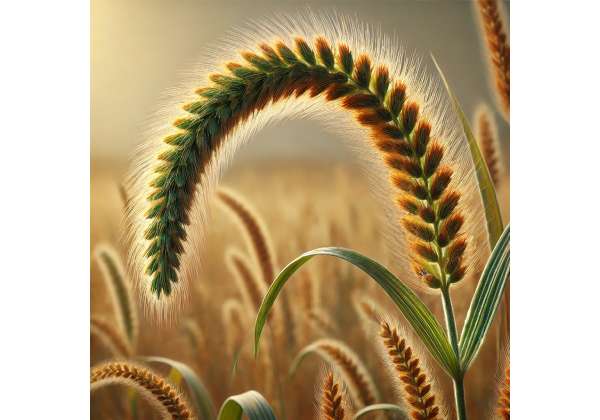
Foxtail millet, botanically known as Setaria italica, is one of the oldest cultivated cereal grains in the world. It has been grown for thousands of years across parts of Asia and later spread to other dry and semi-arid regions because it tolerates heat, poor soils, and low water better than many larger grains. In the kitchen, it behaves like a small whole grain. In nutrition writing, it is often described as a functional cereal because it offers both basic nourishment and compounds that may support health beyond calories alone.
Unlike concentrated herbal remedies, foxtail millet is best understood as a food with medicinal potential rather than a medicine in itself. That distinction matters. Its main health value comes from being used regularly in meals in place of more refined starches. When eaten as a whole or minimally polished grain, it tends to digest more slowly than many common white-flour or white-rice foods, which helps explain why it is often discussed in blood sugar and metabolic health articles.
The grain is naturally gluten-free, though people with celiac disease still need certified gluten-free products because cross-contact can happen during farming, milling, storage, or packaging. Its flavor is mild, slightly nutty, and easy to pair with both savory and sweet foods. It can be cooked as porridge, used like rice, ground into flour, or made into fermented batters, flatbreads, and breakfast bowls.
Foxtail millet also sits in an interesting middle ground between grains and so-called ancient staples. It is not as protein-focused as legumes and not as fiber-dense as dedicated fiber supplements, but it offers a better nutritional profile than many refined grain products. That makes it useful for people who want a practical staple rather than a trendy add-on.
It also helps to place it in a broader grain rotation. People who prefer variety often combine foxtail millet with buckwheat in a gluten-free grain rotation so they are not relying on a single staple for all their fiber, minerals, and culinary uses.
In short, foxtail millet is a resilient, nutrient-rich cereal that makes the most sense as an everyday food with measurable health advantages. Its reputation rests less on dramatic short-term effects and more on the steady benefits that come from using it well and using it often.
Key Nutrients and Compounds
Foxtail millet’s benefits come from a layered nutritional profile rather than one star ingredient. That is important because many articles oversimplify foods into a single compound story. In reality, foxtail millet works through a combination of starch structure, fiber, protein, minerals, vitamins, and phytochemicals.
Its macronutrient profile starts with carbohydrate, but this is not nutritionally the same as refined starch. Whole foxtail millet contains slowly digestible starch and some resistant starch, especially when it is cooked gently and sometimes cooled before reheating. That slower digestion pattern is one reason it is often described as a more blood-sugar-friendly grain. It also provides modest protein and a useful amount of fiber, both of which help shape fullness and meal balance.
On the micronutrient side, foxtail millet can contribute magnesium, iron, phosphorus, zinc, potassium, manganese, and B vitamins, though the exact amounts vary by cultivar, growing conditions, and processing. This is one reason heavily polished millet and whole or minimally processed millet should not be treated as nutritionally identical. Removing bran layers can improve texture and reduce cooking time, but it can also lower fiber and bioactive compounds.
Its “medicinal properties” are usually tied to its phytochemicals. These include:
- Phenolic acids such as ferulic acid, caffeic acid, and related compounds.
- Flavonoids and other polyphenols that contribute antioxidant activity.
- Carotenoid-related pigments in some varieties.
- Protein-derived peptides and other small bioactive molecules under active study.
These compounds are linked with antioxidant, anti-inflammatory, antihyperglycemic, and lipid-modulating effects in laboratory and animal research. That sounds impressive, but the practical takeaway is more modest: foxtail millet seems to support healthier physiology when it is part of a consistent eating pattern. It is not a concentrated extract, and it should not be marketed as one.
Another useful point is that processing changes the grain’s chemistry. Soaking, fermenting, sprouting, and cooking can all affect digestibility and antinutrient levels. Phytates and some other compounds can modestly reduce mineral availability, but these same compounds are not automatically “bad.” In normal food use, they are part of the grain’s natural matrix, and traditional preparation methods help balance their downsides.
For readers who like rotating different ancient grains, amaranth as another gluten-free staple offers a useful contrast because it tends to stand out more for protein density, while foxtail millet is often chosen for a milder taste and gentler glycemic profile.
The most accurate summary is that foxtail millet is nutritionally interesting because its benefits come from synergy: starch quality, fiber, minerals, and polyphenols acting together in a whole food format.
Does Foxtail Millet Help Blood Sugar
This is the question most people ask first, and it is where foxtail millet has its strongest practical case. The best answer is yes, it may help support healthier blood sugar patterns, especially when it replaces refined grains, sugary breakfasts, or low-fiber starches. That does not mean it works like a diabetes drug, but it does mean it can be a meaningful food choice.
Several factors explain why foxtail millet is often used in metabolic-health diets.
- It tends to digest more slowly than many refined cereal foods.
- Its fiber and starch structure can blunt the speed of glucose absorption.
- Its modest protein content improves meal balance.
- Polyphenols and other bioactives may influence glucose handling and oxidative stress.
Human research is encouraging, though not perfect. In one clinical trial, adults with impaired glucose tolerance consumed foxtail millet regularly over 12 weeks and showed improvements in fasting glucose, 2-hour glucose, insulin resistance, and some inflammatory markers. Other food-based studies using foxtail millet dishes have also found lower post-meal glucose responses than comparable rice-based foods.
Still, the details matter. Whole cooked grain, fermented batter, flour products, and mixed-grain formulas do not affect the body in the same way. A bowl of intact foxtail millet with vegetables and protein is very different from a sweet bakery product made with millet flour and sugar. Processing can raise or lower the real glycemic impact depending on how much fiber remains, how fine the flour is, and what other ingredients are present.
That is why the most realistic claim is not “foxtail millet lowers blood sugar” in every context. A better statement is this: foxtail millet can help improve glycemic control when used as a whole-food substitution inside a balanced diet.
A few practical strategies make that more likely:
- Choose whole or minimally polished millet more often than fine flour products.
- Pair it with protein, fat, and vegetables rather than eating it alone.
- Keep sweeteners low if blood sugar control is the goal.
- Watch portions, because a healthy grain is still a carbohydrate-rich food.
Timing also matters. Many people do well using foxtail millet at breakfast or lunch, when it replaces a more rapidly digested starch. Others prefer it at dinner because it feels steady and satisfying without being heavy.
For people with diabetes or prediabetes, foxtail millet is most helpful when it is part of the larger pattern: fiber, movement, medication adherence if needed, and weight management where appropriate. It supports the plan. It does not replace the plan.
Heart Digestion and Satiety
Foxtail millet is often discussed for blood sugar first, but its value extends to heart-friendly eating, digestive regularity, and appetite control. These benefits are less dramatic than a supplement claim, yet they are often more useful because they work through daily meal structure.
From a cardiovascular perspective, foxtail millet can help mainly as a substitution food. When it replaces refined grains, highly processed snacks, or fast-digesting starches, it usually improves the overall quality of the diet. That change can support healthier cholesterol patterns, better weight control, and more stable energy. Reviews of millet-based diets suggest improvements in lipids and metabolic markers in some populations, although results vary by millet type, cooking method, and the rest of the diet.
Its digestive value comes from its fiber, texture, and meal behavior. Whole millet is not as concentrated a fiber source as legumes or husk fibers, but it still adds meaningful bulk and can help improve fullness after meals. That matters for people trying to reduce grazing, control portions, or move away from refined carbohydrate habits. A meal built around foxtail millet usually feels more grounded and longer-lasting than one built around white bread or sugary cereal.
Foxtail millet may also support satiety in a few ways:
- Fiber slows gastric emptying and promotes fullness.
- Chewier grain structure encourages slower eating.
- More balanced meals reduce the urge to snack soon after.
- Whole-grain meals may lead to steadier energy through the afternoon.
Digestive tolerance depends on the person and the preparation. Some people find cooked millet very easy to digest, especially as porridge. Others notice bloating when they jump from a low-fiber diet straight into large grain bowls. Soaking, rinsing, and cooking it thoroughly can make it easier on the stomach. Fermented forms may also feel gentler for some users.
It helps to stay realistic here too. Foxtail millet is supportive, not magical. It will not transform constipation on its own if fluid intake is poor and the rest of the diet is low in fiber. Likewise, it can support heart health, but it is not a replacement for lipid-lowering therapy when that therapy is medically indicated.
If your main goal is more concentrated soluble fiber, psyllium for digestive support offers a very different and much stronger fiber effect than a grain serving does. Foxtail millet fits better as a meal base than as a fiber intervention.
This is the broader pattern with foxtail millet: it improves the structure of meals. That is often where the real health gains begin.
How to Use Foxtail Millet
Foxtail millet is versatile, but people tend to get the best results when they choose forms that match their goal. If the goal is blood sugar support or satiety, intact cooked grain usually performs better than highly processed flour products. If the goal is comfort and easy digestion, porridge may be the better entry point.
The most common ways to use it are:
- Whole cooked grain.
Use it like rice or couscous. It works well in grain bowls, soups, pilafs, and warm side dishes. - Breakfast porridge.
Simmered with water or milk, it becomes soft and mild. This is a practical option for people easing into millet. - Flour.
Foxtail millet flour can be used in flatbreads, pancakes, dosa-style batters, muffins, and blended baking mixes, though the glycemic impact depends on the full recipe. - Fermented foods.
Traditional batters and fermented preparations may improve flavor, digestibility, and antinutrient balance. - Ready-to-eat products.
These are convenient, but ingredient quality matters. Some “millet” products are still high in sugar, refined starch, or oils.
A simple cooking method works well for most people. Rinse the grains, use roughly 2 to 2.5 parts water for 1 part millet, simmer until tender, then rest off the heat. For a softer porridge texture, add more water and cook longer. Some cooks lightly toast the dry grain first for a nuttier flavor.
For better metabolic results, how you build the meal matters as much as the grain itself. A useful plate might include:
- Cooked foxtail millet.
- A protein such as eggs, tofu, lentils, yogurt, fish, or chicken.
- Non-starchy vegetables.
- A small amount of healthy fat such as olive oil, nuts, or seeds.
This is also a grain that rewards smart additions. A breakfast bowl with fruit, cinnamon, and ground flax for omega-3 and lignans can be more balanced than plain sweet porridge. A savory bowl with beans and vegetables will usually work better for satiety than a millet snack bar.
One often-overlooked point is polishing. Very refined millet products can lose some of the advantages that make whole millet attractive in the first place. When possible, choose less processed versions, especially if your priority is steadier glucose response or more fiber.
Used well, foxtail millet is not difficult or exotic. It is simply a flexible whole grain that performs best when treated like a staple, not a novelty.
How Much Foxtail Millet Per Day
Because foxtail millet is a food rather than a concentrated supplement, “dosage” is really about serving size, frequency, and context. The right amount depends on your calorie needs, activity level, blood sugar goals, digestive tolerance, and what else is on the plate.
A practical starting range for most adults is:
- About 40 to 60 g dry grain per serving.
- Roughly 3/4 to 1 cup cooked millet per serving.
- One serving daily or several times per week, depending on the rest of the diet.
That range is sensible because it is large enough to function as a real grain portion without turning the meal into an oversized starch load. In one human study, 50 g per day was used for 12 weeks, which gives a useful real-world benchmark for regular intake.
Portion size should be adjusted based on purpose.
- For blood sugar support, keep the grain portion moderate and combine it with protein and vegetables.
- For athletes or people with higher energy needs, a larger serving may be reasonable.
- For weight management, millet works better as one balanced plate component than as the dominant part of the meal.
- For people new to whole grains, smaller portions may be more comfortable at first.
Timing can also influence how well it works. Many people tolerate millet especially well:
- At breakfast, as a steadier alternative to sweet cereal.
- At lunch, for longer satiety through the afternoon.
- At dinner, in moderate portions, when paired with vegetables and protein.
Duration matters in a different way than it does for herbs. You do not need to “cycle” foxtail millet. It can be part of a normal long-term eating pattern. The better question is whether it is crowding out other useful foods. Rotating it with legumes, oats, buckwheat, rice, and other whole grains usually gives a broader nutrient mix and keeps meals more enjoyable.
Common mistakes include:
- Eating too much at once because it is seen as a “health food.”
- Choosing sugary millet products and expecting grain-level benefits.
- Ignoring total meal balance.
- Increasing intake too fast and blaming the grain for temporary bloating.
For most healthy adults, one moderate serving at a time is the sweet spot. That keeps foxtail millet useful and sustainable without turning it into an overused staple or a disguised refined snack.
Safety and Who Should Avoid It
Foxtail millet is generally safe as a food, and for most people it is far less risky than concentrated herbal extracts or aggressive supplement protocols. Even so, “food safe” does not mean universally trouble-free. A few practical cautions matter.
The most important is allergy. Millet allergy is uncommon, but it can occur, and serious reactions have been reported. Anyone with a known millet allergy should avoid foxtail millet entirely. People with unexplained reactions to birdseed exposure or other grasses may want to be more cautious, since millet can appear in those settings as well.
The second issue is gluten cross-contact. Foxtail millet is naturally gluten-free, but that only helps if it is handled in a gluten-safe way. People with celiac disease or medically necessary gluten avoidance should choose certified gluten-free millet products rather than assume every bag is safe.
Digestive tolerance is the most common day-to-day issue. Sudden large servings can cause:
- Bloating.
- Fullness.
- Gas.
- Temporary changes in bowel habits.
These effects are more about fiber load and meal size than about toxicity. Starting with smaller cooked portions and increasing fluid intake usually helps.
Another consideration is mineral availability. Like many grains and seeds, foxtail millet contains phytates and related compounds that can modestly reduce absorption of some minerals. In a varied diet this is rarely a major problem, especially when the grain is soaked, fermented, cooked well, and paired with other nutrient-dense foods. It matters more in restrictive diets that rely heavily on one staple.
People who may want individualized guidance include:
- Anyone with a millet allergy.
- People with celiac disease who need certified gluten-free products.
- People with very sensitive digestion or active gut flares.
- Anyone on a medically restricted renal diet.
- People with poorly controlled thyroid disease who eat very large quantities of millet as a staple and may also have low iodine intake.
That last point deserves nuance. Concerns about goitrogenic effects have been raised for millet-heavy diets, but the issue is context-dependent and not a reason for most people to avoid moderate foxtail millet intake. In a balanced diet with adequate iodine, a normal serving pattern is unlikely to be a major concern.
The safest way to use foxtail millet is simple: treat it as a whole food, choose quality products, use moderate portions, and pay attention to your own tolerance.
What the Evidence Really Shows
Foxtail millet has a promising evidence base, but it is important to separate three different layers of evidence: nutritional composition studies, mechanistic and animal studies, and human dietary trials. Many articles blur these together and make the grain sound more clinically proven than it really is.
The strongest overall conclusion is that millet-based diets, including foxtail millet in some studies, appear helpful for glycemic control and may also improve some lipid markers. Systematic reviews and meta-analyses support that direction, especially when millets replace refined staple grains. This is the broadest and most useful level of evidence.
Foxtail millet specifically has some human data, but not a huge amount. The clinical work that exists is encouraging, particularly for impaired glucose tolerance and post-meal glucose response, yet it is still a small evidence base. Many studies are short, involve modest sample sizes, or test millet as part of mixed dietary changes. That means the results are promising but not final.
Preclinical research is where the grain starts to look more impressive. Animal and laboratory studies suggest antioxidant, anti-inflammatory, antihyperglycemic, and lipid-modulating properties. They also point to roles for polyphenols, resistant starch, protein fractions, and gut-microbiome effects. These findings help explain why the food performs well in metabolic discussions, but they are not the same as proof of strong clinical treatment effects in people.
A few practical limits should stay in view:
- Not all studies use pure foxtail millet.
- Processing methods differ widely.
- Whole grain and flour products are not equivalent.
- Many benefits likely come from replacement effects, not just millet itself.
- Human trial quality is improving, but still uneven.
This leads to the most honest takeaway. Foxtail millet is not an overhyped food with no evidence. It has real scientific support, especially for blood sugar management and broader metabolic health. At the same time, it is not a stand-alone therapy and should not be sold as one.
Its best role is as a repeatable dietary tool: a whole grain that can improve the quality of meals, support steadier glucose response, and contribute useful nutrients over time. That may sound less dramatic than supplement marketing, but it is also exactly why foxtail millet is worth using. Its value is practical, cumulative, and easier to sustain than most quick-fix claims.
References
- Effects of millet consumption on metabolic homeostasis (glycemic control and lipid profiles) in adults: A systematic review 2026 (Systematic Review)
- The nutrition and therapeutic potential of millets: an updated narrative review 2024 (Review)
- A Systematic Review and Meta-Analysis of the Potential of Millets for Managing and Reducing the Risk of Developing Diabetes Mellitus 2021 (Systematic Review and Meta-Analysis)
- Can Millet Consumption Help Manage Hyperlipidemia and Obesity?: A Systematic Review and Meta-Analysis 2021 (Systematic Review and Meta-Analysis)
- The Glucose-Lowering Effect of Foxtail Millet in Subjects with Impaired Glucose Tolerance: A Self-Controlled Clinical Trial 2018 (Clinical Trial)
Disclaimer
This article is for educational purposes only and is not a substitute for medical advice, diagnosis, or treatment. Foxtail millet is a food, not a medication, and its effects depend on preparation, portion size, and the rest of the diet. People with diabetes, celiac disease, food allergies, kidney disease, thyroid disorders, or other medical conditions should discuss major diet changes with a qualified clinician or registered dietitian, especially if symptoms are active or medications need adjustment.
If this article was useful, please share it on Facebook, X, or your preferred platform.