French tarragon is one of those herbs that people know first for flavor and only later for its medicinal side. Best known as the elegant, anise-like herb in classic French cooking, Artemisia dracunculus has also been used traditionally for digestive discomfort, appetite support, mild cramping, and general stomach settling. Its value comes from more than taste alone. Tarragon contains essential-oil compounds, flavonoids, coumarins, and phenolic acids that help explain its aroma, antioxidant activity, and some of its traditional therapeutic uses.
What makes French tarragon especially interesting is the gap between its everyday kitchen role and its broader botanical reputation. It is a practical culinary herb, yet research on the species points to possible anti-inflammatory, antimicrobial, and glucose-related effects as well. The catch is that not all tarragon is the same. French tarragon differs from Russian tarragon in flavor, chemistry, and likely medicinal profile. That means the strongest claims about extracts do not always apply directly to the fresh culinary herb on the plate. Used wisely, French tarragon is a useful aromatic herb with real promise, but it is best approached with clear expectations and careful dosing.
Essential Insights
- French tarragon is most realistic as a digestive and culinary herb, with possible mild anti-inflammatory support.
- Fresh or dried leaf used in food is generally more appropriate than concentrated essential oil for everyday use.
- A practical tea range is about 1 to 2 g dried herb per cup, usually 1 to 2 cups daily for short-term use.
- Essential oil and concentrated extracts deserve more caution because tarragon can contain estragole and related compounds.
- Pregnant or breastfeeding people, children, and those using anticoagulants or diabetes medicines should avoid medicinal-dose use without guidance.
Table of Contents
- What is French Tarragon
- Key ingredients and medicinal properties
- What benefits are most realistic
- Does French Tarragon help digestion
- How is French Tarragon used
- How much should you take
- Safety, side effects, and evidence
What is French Tarragon
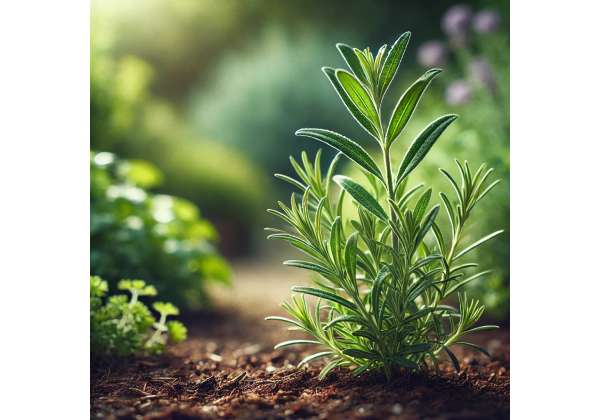
French tarragon is the best-known culinary form of Artemisia dracunculus, a perennial herb in the daisy family. It is often called “true tarragon” because it is the variety most valued for cooking. Its narrow leaves, soft green color, and sweet, slightly bitter, anise-like aroma make it a classic ingredient in vinaigrettes, mustard, egg dishes, fish sauces, and herb blends. If you know tarragon from béarnaise sauce or tarragon vinegar, you already know its most famous role.
From a medicinal perspective, the first important fact is that French tarragon is not the same as every other tarragon sold under the same species name. Two main cultivated forms are commonly discussed: French tarragon and Russian tarragon. They differ in taste, plant behavior, and chemistry. French tarragon is more aromatic, more refined in flavor, and usually preferred in the kitchen. Russian tarragon is tougher, more bitter, and often more relevant to supplement and extract research. That distinction matters because people often read about “tarragon benefits” without realizing the evidence may come from a different cultivar or a specialized extract rather than from ordinary French leaves.
French tarragon also sits in an unusual category. It is not simply a medicinal herb, but it is not just a flavoring herb either. It works best as a culinary medicinal herb. In everyday life, that means its strongest value often comes from regular use in food rather than from aggressive supplementation. Aromatic herbs often do their best work this way. They stimulate appetite, brighten rich meals, and may help the digestive process without needing to act like a drug.
Traditional uses of tarragon across different cultures have included:
- easing gas and stomach heaviness,
- stimulating appetite,
- supporting the liver and digestion,
- calming mild cramping,
- and, in some traditions, helping with menstrual discomfort or sleep.
That does not mean all of these uses are equally proven. It means the plant has a broad historical footprint. Modern readers should view that traditional record as useful context, not as automatic proof.
French tarragon is also more delicate than many dried herbs. Fresh leaves usually have the best aroma and the clearest culinary value. Drying can still be useful, but some of the brighter notes fade quickly. That is one reason French tarragon is often used fresh or preserved in vinegar rather than treated as a pantry workhorse.
So what is French tarragon in practical terms? It is an aromatic kitchen herb with a genuine medicinal history, a chemistry that supports digestive and anti-inflammatory interest, and a strong need for cultivar awareness. The “French” part is not a trivial label. It changes the flavor, the use, and probably the relevance of at least some health claims.
Key ingredients and medicinal properties
French tarragon’s medicinal reputation comes from a layered phytochemical profile rather than from vitamins alone. The plant contains essential-oil constituents, coumarins, flavonoids, phenolic acids, and other secondary compounds that help explain both its aroma and its biological activity. In plain language, its chemistry supports why the herb tastes distinctive and why it has been used for more than seasoning.
The most discussed group is the essential oil. In French tarragon, this oil is often rich in estragole, also called methyl chavicol, which contributes to the herb’s sweet anise-like fragrance. Depending on growing conditions and plant type, the oil may also contain methyl eugenol, ocimenes, terpinolene, and other aromatic molecules. These compounds matter because they influence aroma, digestive feel, and antimicrobial potential. They also matter because concentrated essential oils raise more safety questions than ordinary culinary leaf use.
Beyond the essential oil, French tarragon contains flavonoids and phenolic acids. These are the same broad families of compounds that give many herbs part of their antioxidant and membrane-protective effects. They are less dramatic than essential oils from a sensory standpoint, but they are often more important when researchers study inflammation, oxidative stress, and general cell protection.
Coumarins are another significant group. Tarragon contains measurable coumarin compounds, which helps explain why concentrated extracts deserve more respect than ordinary food use. Coumarins in plants are not the same thing as prescription anticoagulants, but their presence is one reason high-dose extracts should not be treated casually.
The main medicinal properties most often linked to French tarragon include:
- Carminative action, meaning it may help reduce gas and digestive tension.
- Mild antispasmodic potential, especially for stomach cramping and post-meal discomfort.
- Antioxidant activity, driven mainly by polyphenols and phenolic acids.
- Anti-inflammatory potential, shown more clearly in preclinical studies than in everyday human use.
- Antimicrobial effects in vitro, particularly in extracts and infusions, though this does not equal infection treatment in people.
One of the most important nuances is form. A fresh leaf in salad, a dried herb infusion, an ethanolic extract, and an essential oil do not deliver the same chemistry in the same proportions. That is why general statements like “tarragon lowers blood sugar” or “tarragon is anti-inflammatory” are too blunt to be reliable. The preparation matters as much as the plant.
A helpful comparison is with other aromatic digestive herbs. Like fennel for digestive and aromatic support, French tarragon seems to work partly through the combined effects of aroma, essential-oil chemistry, and polyphenols rather than through a single dominant nutrient. But French tarragon has a more delicate culinary role and a more complicated safety conversation around concentrated oil.
The best way to understand its medicinal properties is this: French tarragon is a sophisticated aromatic herb whose chemistry supports digestive, antioxidant, and anti-inflammatory interest, but its most concentrated constituents also explain why culinary use is safer and easier to justify than medicinal overuse. That balance is central to using it well.
What benefits are most realistic
French tarragon is one of those herbs that can look more powerful online than it is in real life. That does not mean it lacks value. It means its strongest benefits are usually practical, mild, and cumulative rather than dramatic.
The most realistic benefit is digestive support. French tarragon can make rich meals feel easier to eat and, for some people, easier to digest. This likely comes from several overlapping effects: stimulation of saliva and digestive secretions, mild carminative action, and the way aromatic herbs can reduce the sense of heaviness after fatty or protein-rich foods. That is one reason tarragon pairs so naturally with eggs, fish, creamy sauces, and vinegar-based preparations. The herb is doing culinary work and physiological work at the same time.
The second plausible benefit is appetite and meal tolerance. In people who find bland food unappealing or who experience mild digestive hesitation, French tarragon may help make food more inviting without relying on excessive salt or sugar. This is subtle, but it matters. A herb that improves food quality and meal satisfaction often offers more everyday value than one promising flashy results.
The third realistic area is mild anti-inflammatory and antioxidant support. Laboratory and animal studies suggest tarragon extracts can reduce inflammatory signaling and oxidative stress markers. That makes the herb scientifically interesting, but it does not mean a sprinkle of tarragon works like an anti-inflammatory drug. The most balanced interpretation is that French tarragon may contribute supportive antioxidant and inflammation-modulating effects as part of a herb-rich diet.
A fourth area, often overstated, is metabolic support. Small studies on Artemisia dracunculus extracts suggest effects on insulin sensitivity, insulin secretion, and some glucose-related markers. But this is exactly where the cultivar issue becomes crucial. Much of the stronger metabolic work is not based on ordinary French culinary tarragon leaves. It may involve Russian tarragon, wild tarragon, or defined extracts designed to reduce estragole and methyl eugenol. So the honest takeaway is not “French tarragon treats blood sugar problems.” It is “some tarragon extracts show metabolic promise, but that evidence does not transfer neatly to the herb in the kitchen.”
The most grounded benefit hierarchy looks like this:
- digestive comfort and meal support,
- appetite-friendly culinary use,
- background antioxidant value,
- limited extract-based metabolic interest.
What should readers be skeptical of?
- claims that French tarragon is a proven antidiabetic remedy,
- claims that culinary amounts provide the same effects as specialized extracts,
- claims that it detoxifies the body in a unique way,
- and claims that it can replace medical treatment for digestive disease.
French tarragon works best when it is understood as a high-function culinary herb. It is not just garnish, but it is also not a miracle supplement. If you compare it with peppermint for digestive relief, tarragon usually feels gentler, more food-centered, and less immediately potent. That is not a weakness. It is simply a different personality.
In real life, the best benefits of French tarragon often show up as better-tasting meals, less digestive heaviness, and a more herb-rich eating pattern. Those are modest outcomes, but they are credible ones.
Does French Tarragon help digestion
Yes, this is the area where French tarragon makes the most sense, but the kind of help it offers is often misunderstood. It is better thought of as a digestive aromatic than as a treatment for digestive disease. In other words, it may help the body handle food more comfortably, especially rich or heavy meals, but it is not a stand-alone solution for chronic gastrointestinal problems.
French tarragon’s digestive reputation comes from both traditional use and plausible chemistry. Aromatic herbs can stimulate appetite, increase salivary flow, and change how a meal feels in the stomach. When that is combined with mild carminative and antispasmodic effects, the result can be less bloating, less post-meal pressure, and a more comfortable digestive experience. This is especially true when tarragon is used in the kinds of foods it naturally complements: egg dishes, fish, yogurt sauces, vinaigrettes, and creamy preparations.
The people most likely to notice digestive value from French tarragon are those who deal with:
- mild post-meal heaviness,
- occasional gas or cramping,
- reduced appetite for savory meals,
- or digestive discomfort linked to fatty foods.
That does not mean every stomach problem is a tarragon problem. French tarragon is much less likely to help if the core issue is reflux, severe constipation, ulcers, gallbladder disease, inflammatory bowel disease, or unexplained abdominal pain. In those cases, symptom masking is not the same thing as treatment.
The form also matters. For digestion, the most useful preparations are usually:
- fresh tarragon in food,
- tarragon vinegar in salad dressings,
- or a simple light infusion made from dried herb.
These forms keep the herb in the low-to-moderate intensity range, where it fits best. Essential oil is a different category entirely and should not be treated as a stronger version of the same thing.
One reason French tarragon works well in the kitchen is that digestive herbs often behave better in meals than after them. The combination of aroma, bitter-sweet notes, acidity, and food contact can make digestion feel smoother without any dramatic medicinal dose. That is why it is worth thinking of French tarragon not only as a tea herb, but also as a structural herb in cooking.
If you already use dill for gas relief and bloating, French tarragon belongs in a similar family of gentle digestive herbs, though their flavors are very different. Dill is softer and seed-driven. Tarragon is sharper, sweeter, and more suited to sauces and vinegars.
So does French tarragon help digestion? In a limited but meaningful way, yes. It is most helpful for mild digestive discomfort around meals rather than for serious digestive disorders. Its value lies in easing the eating experience, supporting appetite, and making rich foods feel lighter. That may sound small, but for many herbs, that is exactly where the real usefulness lives.
How is French Tarragon used
French tarragon is used far more often in food than in formal herbal preparations, and that is probably the smartest starting point. It is one of the clearest examples of a herb whose medicinal value is strongest when woven into ordinary meals.
The most common ways to use French tarragon are:
- fresh leaves in sauces, eggs, fish, chicken, and salads,
- tarragon vinegar or mustard-based dressings,
- dried herb in short infusions,
- and occasionally tinctures or standardized extracts.
Fresh tarragon is generally the best culinary form because its aromatic profile fades faster than that of tougher herbs. If you buy it fresh, use it toward the end of cooking or in uncooked preparations where the sweet anise-like notes stay intact. In practical terms, this means chopped into omelets, whisked into vinaigrette, folded into yogurt sauce, or added to chicken, fish, or beans just before serving.
Tarragon vinegar is especially useful because it captures the herb’s bright aromatic side while fitting naturally into digestion-friendly meals. A splash can make simple vegetables, lentils, or potato salads feel more lively and less heavy. This is one of the easiest ways to use French tarragon regularly without turning it into a supplement.
Tea or infusion is another option, though it is less common than culinary use. A mild infusion from dried herb may suit people who want occasional digestive support or a gentle aromatic tea. It is not a classic “strong medicinal tea” in the way some roots or seeds are. Think of it more as a short-term, light digestive herb rather than a daily therapeutic decoction.
Some people also use French tarragon in herb blends. It pairs well with other digestive kitchen herbs, especially when the goal is meal tolerance rather than heavy herbal intervention. In cooking logic, it often sits near ginger as a digestion-aware culinary herb, though ginger is usually stronger, warmer, and more immediately active.
A sensible use ladder looks like this:
- Start with food use.
- Add vinegar or dressing use if you want regular exposure.
- Use tea for short-term digestive purposes.
- Treat extracts and oils as specialty products, not everyday extensions of cooking.
There are also a few common mistakes worth avoiding:
- Do not assume essential oil is just “strong tarragon.”
- Do not buy Russian tarragon and expect French culinary flavor.
- Do not rely on dried leaves that have lost most of their aroma.
- Do not use the herb to delay evaluation of significant digestive symptoms.
French tarragon is at its best when it remains elegant and moderate. It is not a herb that needs force. A little fresh tarragon in the right meal can be more useful than a large amount in the wrong form. That balance is part of what makes it such a durable herb in traditional kitchens.
How much should you take
French tarragon dosage depends heavily on form, and that is the key to using it safely. Culinary leaf, tea, concentrated extract, and essential oil are not interchangeable. Most people should think in food portions first, not supplement doses.
For ordinary culinary use, realistic amounts are simple:
- Fresh leaves: about 1 to 2 tablespoons chopped in a meal.
- Dried leaf: about 0.5 to 1 teaspoon in cooking, depending on freshness and taste.
- Tarragon vinegar: 1 to 2 teaspoons in dressing or sauce.
These are food-level amounts and are the easiest to justify for regular use. They fit how French tarragon has traditionally been used in daily life and keep exposure moderate.
For tea or infusion, a conservative short-term range is:
- 1 to 2 g dried herb per cup, usually 1 to 2 cups daily.
This is enough to create a light aromatic infusion without pushing the herb into a more concentrated therapeutic category. Steeping time can vary, but 5 to 10 minutes is usually adequate. Since tarragon is aromatic, covering the cup while it steeps helps keep volatile compounds from escaping too quickly.
For standardized extracts, the situation is much less clear. Research on Artemisia dracunculus extracts has used much larger doses, including 1000 mg twice daily in one small human study on impaired glucose tolerance. But that study does not automatically provide a safe or useful dose for French culinary tarragon. Extract chemistry, cultivar, and preparation make a major difference. That is why label-based, product-specific dosing is the only sensible route for extracts.
A few important dosing rules help:
- Use food amounts for ongoing lifestyle use.
- Keep tea use short-term and purpose-specific.
- Do not extrapolate from extract studies to kitchen herbs.
- Avoid oral essential-oil use unless supervised by a qualified clinician.
This last point deserves emphasis. Essential oils can deliver constituents like estragole and methyl eugenol in far more concentrated ways than food or water infusions. That changes the safety picture entirely.
Timing depends on the goal. If you are using French tarragon for flavor and digestive comfort, it makes the most sense with meals or in meals. If you use it as a light tea, after a meal or in the early evening may be most comfortable. It is not usually a herb people take on an empty stomach in concentrated form.
For children, pregnancy, breastfeeding, liver concerns, or medication-heavy situations, culinary use is the safest lane and medicinal dosing is the least justified.
A useful comparison is with chamomile as a mild infusion herb. Both can be gentle in tea form, but tarragon needs more respect when concentrated because of its essential-oil profile. That is why moderation matters more here than people often assume.
Safety, side effects, and evidence
French tarragon is generally safer as a culinary herb than as a concentrated medicinal product. That is the simplest and most important safety principle. The leaf in food is one thing. High-dose extracts, essential oils, and long-term medicinal use are something else.
The main safety concern centers on estragole and methyl eugenol, aromatic constituents that can occur in tarragon essential oil. Regulatory and toxicology discussions treat estragole as a compound that should be kept as low as practically achievable in herbal medicinal products because of genotoxic and carcinogenic concerns at higher exposures. This does not mean normal culinary tarragon use is automatically dangerous. It means concentrated and repeated exposure deserves caution.
That is why water-based preparations and ordinary food use are often viewed differently from essential oils and strong extracts. Water infusions appear to contain much lower amounts of estragole and methyl eugenol than essential oil-rich preparations. In practical terms, this makes a light tea far easier to justify than oral essential oil.
Possible side effects include:
- stomach irritation in sensitive users,
- allergy or cross-reactivity in people sensitive to Asteraceae plants,
- headache or nausea from strong aroma exposure,
- and unwanted effects from concentrated extracts or oils.
Potential interactions are less clearly mapped, but caution is sensible with:
- anticoagulants or antiplatelet drugs, because concentrated herbal products can shift bleeding risk in unpredictable ways,
- diabetes medicines, because species-level extract research suggests glucose-related effects,
- and liver-sensitive medication regimens, especially when concentrated oils or extracts are involved.
Who should avoid medicinal-dose use unless guided by a qualified professional?
- pregnant or breastfeeding people,
- children,
- people with significant liver disease,
- anyone with herb or ragweed-family allergies,
- and those using essential oils internally or multiple botanical extracts together.
The evidence base is interesting but uneven. Here is the clearest summary:
- Strongest evidence for everyday use: culinary and digestive support.
- Good preclinical support: antioxidant, anti-inflammatory, and antimicrobial activity.
- Some human evidence: small extract studies on glucose-related markers.
- Main limitation: much of the stronger research is on the species broadly or on defined extracts, not on ordinary French tarragon leaf use.
This limitation is crucial. The evidence does not justify saying that French tarragon in food “treats” diabetes or inflammatory disease. It does justify saying that the herb has plausible medicinal value and that researchers are studying the species seriously.
One reason the article title includes health benefits, medicinal properties, and dosage is that readers expect strong outcomes. The honest conclusion is more measured. French tarragon is a valuable herb, but its most defensible role is still as a flavorful digestive herb with promising broader pharmacology, not as a high-impact clinical botanical.
That is not a disappointment. It is actually good news. It means the herb is most useful where most people can safely enjoy it: in fresh cooking, modest tea use, and thoughtful short-term applications rather than in intense or poorly defined supplementation.
References
- Artemisia dracunculus (Tarragon): A Review of Its Traditional Uses, Phytochemistry and Pharmacology 2021 (Review)
- Phytochemical Composition Antioxidant and Anti-Inflammatory Activity of Artemisia dracunculus and Artemisia abrotanum 2024
- Inhibition of Neutrophil Functions and Antibacterial Effects of Tarragon (Artemisia dracunculus L.) Infusion—Phytochemical Characterization 2020
- Effect of Artemisia dracunculus Administration on Glycemic Control, Insulin Sensitivity, and Insulin Secretion in Patients with Impaired Glucose Tolerance 2016 (RCT)
- Use of herbal medicinal products containing estragole – Scientific guideline 2023 (Guideline)
Disclaimer
This article is for educational purposes only and is not a substitute for medical advice, diagnosis, or treatment. French tarragon is a culinary herb with medicinal potential, but concentrated extracts and essential oils have a different safety profile than normal food use. Speak with a qualified healthcare professional before using medicinal doses of tarragon if you are pregnant, breastfeeding, have liver disease, take anticoagulants, use diabetes medicines, or plan to use concentrated extracts or essential oils.
If this article was helpful, please share it on Facebook, X, or your preferred platform.