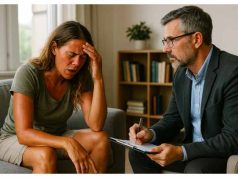
Anorexia athletica describes a harmful pattern in which exercise, training, weight control, and food restriction become rigid, compulsive, or medically unsafe. It is most often discussed in athletes, dancers, fitness competitors, and highly active people, but it can also affect recreational exercisers whose identity, mood, or sense of control becomes tied to constant training.
The term is not usually used as a formal stand-alone diagnosis in major psychiatric manuals. Instead, it helps describe a clinical picture that may overlap with anorexia nervosa, other specified feeding or eating disorders, compulsive exercise, exercise addiction, Relative Energy Deficiency in Sport, or the female athlete triad. The important point is not the label alone. The concern is the pattern: too little energy intake, too much pressure to train or stay lean, increasing psychological distress, and physical consequences that can become serious.
Table of Contents
- What anorexia athletica means
- Symptoms and warning signs
- Causes and development
- Risk factors in sport and exercise culture
- Effects on mind, body, and performance
- Complications and urgent warning signs
- Diagnostic context and related conditions
What anorexia athletica means
Anorexia athletica is best understood as an exercise-centered pattern of disordered eating and compulsive training, rather than simply being “very fit” or highly disciplined. The core concern is that exercise and food control stop serving health or performance and begin to damage both.
The term has been used to describe people who maintain intense physical activity while restricting food, losing weight, fearing weight gain, or feeling driven to train even when injured, exhausted, ill, or undernourished. In athletes, this may be hidden behind training schedules, competition goals, team expectations, or the belief that a lighter body will always perform better. In non-athletes, it may appear as a strict gym routine, compulsive step counts, constant calorie tracking, or anxiety when a workout is missed.
Unlike healthy athletic commitment, anorexia athletica has a compulsive quality. A person may know they are tired, injured, hungry, or socially isolated, yet feel unable to reduce training. Rest may feel undeserved, threatening, or morally wrong. Eating more may feel unsafe, even when performance is declining or physical symptoms are appearing.
A useful distinction is that training in health is flexible and responsive to the body. Training in anorexia athletica becomes rigid, punitive, and increasingly disconnected from bodily need.
| Feature | Healthy athletic discipline | Possible anorexia athletica pattern |
|---|---|---|
| Rest | Rest is part of performance and recovery. | Rest causes guilt, panic, or a sense of failure. |
| Food | Food supports training, concentration, growth, and repair. | Food is restricted, feared, “earned,” or tightly controlled. |
| Exercise | Training changes with illness, injury, fatigue, and schedule. | Exercise continues despite harm or clear physical warning signs. |
| Body image | Body composition may be considered, but not at the expense of health. | Leanness, weight, or shape becomes central to self-worth. |
| Performance | Training improves capacity over time. | Performance may plateau or decline despite more effort. |
Anorexia athletica can affect people of any sex or gender. It is often associated with sports that emphasize leanness, weight categories, aesthetics, endurance, or power-to-weight ratio, but it is not limited to those settings. Running, cycling, gymnastics, dance, figure skating, swimming, rowing, wrestling, climbing, bodybuilding, and combat sports are common examples, but risk can appear anywhere food, weight, and performance are tightly linked.
Because the pattern can be socially praised, it may be missed for a long time. Compliments about discipline, fitness, or weight loss can reinforce harmful behavior. Coaches, teammates, family members, and clinicians may not recognize the problem until injuries, mood changes, menstrual disruption, fainting, heart symptoms, or marked weight changes appear.
Symptoms and warning signs
The main symptoms of anorexia athletica involve compulsive exercise, restrictive eating, fear of weight gain, and distress when training or food rules are disrupted. Warning signs may be psychological, behavioral, physical, or performance-related.
A person may train for long periods, add extra sessions secretly, or feel compelled to “make up” for eating. They may become anxious, irritable, or panicked when a workout is missed. Exercise may become less about enjoyment, skill, health, or competition and more about controlling weight, reducing guilt, or managing fear.
Common behavioral signs include:
- Exercising despite injury, illness, dizziness, exhaustion, or medical advice to rest
- Becoming distressed when training plans change
- Adding hidden workouts, extra steps, or late-night exercise
- Restricting calories, food groups, meal timing, or social eating
- Using exercise to compensate for eating
- Weighing frequently or repeatedly checking body shape
- Avoiding meals around others or giving rigid explanations for food choices
- Becoming unusually secretive about training, food, or weight
- Feeling guilty after eating or after taking a rest day
- Prioritizing exercise over school, work, relationships, sleep, or medical needs
Psychological signs often include perfectionism, fear of losing fitness, fear of weight gain, and a harsh inner standard around discipline. Some people describe feeling calm only after exercising. Others feel emotionally “wrong,” restless, or contaminated by food unless they train. These thoughts may become repetitive and intrusive.
Physical signs can include fatigue, feeling cold, dizziness, constipation, sleep disruption, frequent injuries, slow healing, hair thinning, brittle nails, dry skin, recurrent illness, low libido, missed periods, reduced morning erections, or loss of normal growth and development in adolescents. Some people may not appear underweight, especially early on or in larger-bodied athletes, which can delay recognition.
Performance signs can be especially confusing. Early weight loss or increased training may seem to improve speed, endurance, or appearance. Over time, however, underfueling often undermines the very performance a person is trying to protect. Signs may include slower recovery, declining strength, poor concentration, irritability during training, repeated stress fractures, loss of power, reduced coordination, or a plateau despite increasing effort.
This pattern fits within a broader spectrum of disordered eating. Formal eating disorder screening may include questions about restriction, bingeing, purging, body image, compulsive exercise, and medical symptoms, but screening alone does not determine whether someone has a diagnosis.
Anorexia athletica can be hard to spot because many symptoms are framed as dedication. The most important clue is the loss of flexibility. When food and exercise rules become more powerful than hunger, fatigue, injury, relationships, or health, the pattern deserves concern.
Causes and development
Anorexia athletica usually develops through a combination of biological vulnerability, personality traits, sport pressures, body ideals, and repeated reinforcement. It is rarely caused by one comment, one diet, or one training plan alone.
A common pathway starts with a performance or body goal. A person may lose weight, increase training, receive praise, perform better for a short period, or feel more in control. That reward can strengthen the behavior. Food rules become stricter. Training volume increases. Rest feels risky. Over time, the person may become trapped by the same behaviors that once seemed helpful.
Low energy availability is a central mechanism. This means the body does not have enough energy left after exercise to support normal biological functions. It can happen because food intake is too low, exercise expenditure is too high, or both. Importantly, low energy availability can occur with or without a diagnosed eating disorder, and a person does not have to be extremely thin for the body to be underfueled.
Psychological factors can also play a major role. Many affected people have high standards, fear of failure, sensitivity to criticism, or a strong need for control. In competitive environments, these traits can be rewarded. A person who ignores pain, trains harder than others, and eats “cleanly” may be praised until the same behaviors become dangerous.
Body image concerns often deepen the cycle. A person may begin to judge their body through performance, shape, weight, leanness, or comparison. Clothing, mirrors, weigh-ins, photos, team uniforms, comments from coaches, and social media can intensify self-monitoring. In some people, body image distress becomes more important than athletic satisfaction or health.
Exercise itself can temporarily reduce anxiety, sadness, anger, or numbness. That relief is not inherently harmful; exercise can support mental health for many people. The problem begins when exercise becomes the only tolerated way to regulate emotion, or when missed exercise causes disproportionate distress. This is one reason anorexia athletica can overlap with anxiety, obsessive-compulsive traits, depression, trauma-related symptoms, and compulsive exercise patterns.
Diet culture and sport culture can also interact. Messages that praise “no excuses,” visible leanness, low body fat, fasting, cutting weight, or pushing through pain can make harmful behavior look normal. In some settings, athletes may receive informal advice about weight loss from people without clinical training. Repeated body comments, public weigh-ins, or pressure to change shape can be especially damaging.
A person may also develop anorexia athletica after an injury, puberty-related body changes, a transition to a higher competitive level, a coach change, loss of identity after sport, or pressure to return to previous performance. Adolescents and young adults may be especially vulnerable because their bodies, brains, identities, and social worlds are still developing.
These causes do not mean the person is vain, weak, or simply choosing to be difficult. The pattern reflects a complex interaction between reward, fear, identity, biology, and environment.
Risk factors in sport and exercise culture
Risk rises when a person’s sport, community, or training environment strongly links body size, weight, or leanness with worth and performance. The highest-risk settings often reward discipline while overlooking underfueling, fear, and physical warning signs.
Certain sport features can increase vulnerability. These include aesthetic judging, weight classes, endurance demands, low body-fat ideals, revealing uniforms, subjective scoring, or repeated emphasis on power-to-weight ratio. Gymnastics, ballet, figure skating, distance running, cycling, lightweight rowing, wrestling, martial arts, climbing, swimming, triathlon, and physique sports are often discussed in this context. Still, anorexia athletica can occur in any activity, including recreational gym culture.
Risk factors may include:
- A history of dieting, calorie restriction, or rapid weight loss
- Pressure from coaches, parents, peers, judges, teammates, or social media
- Public weigh-ins or body-composition testing without careful safeguards
- Perfectionism, high achievement orientation, or fear of disappointing others
- Previous anxiety, depression, obsessive-compulsive symptoms, or trauma
- Puberty, body changes, injury, selection pressure, or transition to elite sport
- Training environments where pain, hunger, or exhaustion are treated as proof of commitment
- Lack of education about fueling, growth, recovery, and low energy availability
- A personal or family history of eating disorders
- Sports where being smaller or leaner is assumed to be better, even when that is not medically safe
Adolescents may face a particular mix of risk. Their bodies need energy for growth, puberty, bone development, brain development, and training. If restriction or excessive exercise interferes with these processes, consequences can appear quickly and may affect long-term health. At the same time, young athletes may have less power to question coach instructions, team norms, or appearance expectations.
Men and boys can be missed because eating-disorder stereotypes often focus on women and girls. In males, the pattern may be framed around getting leaner, faster, more muscular, or “cut,” rather than simply becoming thinner. Warning signs may include rigid macro tracking, fear of fat gain, compulsive cardio, dehydration for weight categories, or distress when muscle definition changes.
Larger-bodied athletes can also be missed. A person may have significant restriction, compulsive exercise, electrolyte problems, hormonal disruption, and psychological distress without fitting a narrow image of being underweight. Weight alone cannot determine the seriousness of the condition.
Exercise communities outside organized sport can carry similar risks. Fitness challenges, transformation culture, wearable tracking, calorie targets, streaks, body-comparison content, and online praise for extreme discipline can push vulnerable people toward rigid behavior. This does not mean that training goals, body-composition awareness, or fitness tracking are inherently harmful. The risk depends on how flexible, safe, and psychologically balanced the behaviors remain.
When body image distress is prominent, it may coexist with low mood, shame, or social withdrawal. A broader discussion of body image and depression may be relevant when appearance concerns begin to affect mood, relationships, or daily functioning.
Effects on mind, body, and performance
Anorexia athletica affects more than body weight; it can alter mood, thinking, hormones, bone health, cardiovascular function, digestion, immunity, and athletic performance. The effects often build gradually, which can make them easier to rationalize.
Mentally, the person may become increasingly preoccupied with food, numbers, training, body checking, and performance. Concentration can narrow. A missed workout may dominate the day. Eating outside the usual rules may cause guilt or panic. Social plans may be rejected because they interfere with training or involve food. Over time, the person’s identity can shrink around exercise and body control.
Mood changes are common. Irritability, anxiety, emotional flatness, low mood, sleep disturbance, and obsessive thoughts may worsen with underfueling. Starvation and chronic energy deficit can intensify rigidity, reduce cognitive flexibility, and make fears about food or weight feel more convincing. This creates a vicious cycle: the body needs more energy, but the mind becomes more fearful of eating and resting.
Physically, low energy availability can affect nearly every system. The body may slow nonessential functions to conserve energy. People may feel cold, tired, dizzy, constipated, or weak. They may have headaches, poor sleep, reduced sexual interest, hair changes, or increased sensitivity to stress. Injuries may become more frequent because bone, muscle, tendon, and immune function are affected by inadequate fuel and recovery.
Hormonal effects are especially important. In females, menstrual periods may become irregular or stop. In males, testosterone may fall, with changes in libido, mood, muscle repair, and energy. In adolescents of any sex, underfueling can interfere with normal growth and pubertal development. Menstrual changes are sometimes wrongly treated as a normal sign of hard training, but they can signal significant energy deficiency.
Bone health can be seriously affected. Adolescence and early adulthood are critical years for building peak bone mass. Low energy availability, hormonal disruption, and repeated training stress can increase the risk of stress reactions, stress fractures, and long-term low bone density. A stress fracture may be one of the first visible signs that the body has been under strain for some time.
Cardiovascular changes can include low resting heart rate, low blood pressure, dizziness on standing, fainting, palpitations, and reduced exercise tolerance. In trained athletes, a low heart rate can be normal, but in the context of restriction, weight loss, dizziness, fatigue, or fainting, it may reflect medical risk rather than fitness.
Performance may initially seem protected, especially if weight loss is praised. But sustained underfueling often leads to slower recovery, reduced strength, poor adaptation to training, impaired coordination, frequent illness, mood instability, and declining performance under pressure. In endurance sports, pace may suffer. In strength or power sports, force production can decline. In aesthetic sports, increased rigidity and fatigue can impair expression, timing, and resilience.
This is one of the defining contradictions of anorexia athletica: the behaviors may begin as attempts to improve performance, but they eventually threaten the body and mind that performance depends on.
Complications and urgent warning signs
Anorexia athletica can become medically dangerous, especially when restriction, rapid weight loss, dehydration, purging, or continued training through symptoms are present. Serious complications may occur even when a person appears outwardly functional.
Potential complications include:
- Stress fractures, recurrent overuse injuries, and low bone mineral density
- Menstrual disruption, fertility-related concerns, or delayed puberty
- Low testosterone or other hormonal changes
- Bradycardia, low blood pressure, fainting, palpitations, or heart rhythm concerns
- Electrolyte abnormalities, especially if vomiting, laxatives, diuretics, or dehydration are involved
- Gastrointestinal symptoms such as constipation, bloating, reflux, or abdominal pain
- Impaired immune function and frequent illness
- Reduced muscle strength, poor recovery, and loss of lean tissue
- Cold intolerance, sleep disruption, fatigue, and dizziness
- Anxiety, depression, obsessive thoughts, social withdrawal, or increased suicide risk
- Impaired concentration, poor decision-making, and emotional rigidity
Some complications are tied to Relative Energy Deficiency in Sport, a broader syndrome caused by low energy availability. REDs can affect both female and male athletes and may involve reproductive, bone, metabolic, immune, cardiovascular, gastrointestinal, hematological, psychological, and performance consequences. Anorexia athletica and REDs are not identical terms, but they can overlap when compulsive training and inadequate fueling lead to systemic effects.
Urgent professional evaluation may be needed when warning signs suggest immediate medical or psychiatric risk. These include fainting, chest pain, irregular heartbeat, severe dizziness, confusion, severe dehydration, repeated vomiting, blood in vomit or stool, rapid or marked weight loss, inability to stop exercising despite injury or illness, suicidal thoughts, self-harm, or feeling unable to stay safe. A broader guide to urgent mental health or neurological symptoms may help clarify why some warning signs should not be minimized.
Complications can be underestimated because athletes are often assumed to be healthier than average. High activity level does not protect someone from malnutrition, heart strain, bone injury, hormonal disruption, or psychiatric distress. In fact, intense exercise can increase the body’s energy demands and make underfueling more hazardous.
Another complication is delayed recognition. A person may continue competing, working, studying, or posting fitness content while physically deteriorating. Friends and family may see discipline rather than distress. Coaches may see commitment rather than compulsion. Clinicians may miss the pattern if they do not ask about exercise, food rules, body image, menstrual function, injuries, or performance decline.
The psychological complications can be as impairing as the physical ones. A person may become isolated, fearful of eating with others, unable to tolerate schedule changes, or dependent on exercise to feel acceptable. Shame and secrecy can deepen the problem, especially when the person believes they “should” be able to control it.
Diagnostic context and related conditions
Anorexia athletica is not usually diagnosed as a separate formal disorder, but the symptoms may fit recognized eating-disorder, exercise-compulsion, or sports-medicine frameworks. Clinical assessment focuses on the full pattern of eating, exercise, body image, medical signs, psychological distress, and functional impairment.
A professional evaluation may consider whether the person meets criteria for anorexia nervosa, bulimia nervosa, binge-eating disorder, other specified feeding or eating disorder, avoidant/restrictive food intake disorder, or another mental health condition. The assessment may also consider REDs, the female athlete triad, compulsive exercise, exercise addiction, anxiety disorders, depression, obsessive-compulsive symptoms, trauma-related symptoms, or body dysmorphic disorder.
The distinction matters because similar behaviors can have different meanings. For one person, high training volume may be part of a well-fueled elite program. For another, it may be driven by fear of eating, guilt, body hatred, or panic about rest. For a third, underfueling may be unintentional because they underestimate energy needs or lack access to adequate food. The visible behavior alone is not enough; the motivation, flexibility, medical impact, and psychological distress all matter.
Screening tools can help identify risk, but they do not replace clinical judgment. Tools such as the SCOFF eating disorder test may flag concerns about food, weight, and control. Athlete-specific assessment may also explore menstrual history, injury history, training load, dietary restriction, body-composition pressures, and signs of low energy availability. The difference between screening and diagnosis is important because a positive screen means further evaluation is warranted, not that a final diagnosis has already been made.
Clinicians may also look for signs that the person is medically unstable. This can include vital signs, weight history, growth patterns in adolescents, hydration status, electrolyte abnormalities, heart rhythm concerns, injury patterns, menstrual or hormonal changes, and evidence of purging or laxative use. In athletes, a careful history may be more informative than a single weight or body-mass measure.
Related conditions can overlap. Anorexia nervosa involves restriction, fear of weight gain or persistent weight-control behaviors, and disturbance in body weight or shape experience. Bulimia nervosa may involve binge eating and compensatory behaviors, which can include excessive exercise. Orthorexia-like patterns may involve rigid “clean eating,” although orthorexia is not a formal diagnosis in major manuals. Exercise addiction describes compulsive exercise with loss of control, withdrawal-like distress, and continuation despite harm; it may occur with or without an eating disorder.
Anorexia athletica sits at the intersection of mental health, nutrition, sport, and medicine. The most accurate understanding comes from looking at the whole picture: how the person eats, how they train, what they fear, what their body is showing, and how much freedom they still have to rest, eat, connect, and live beyond performance.
References
- Current trends and perspectives in the exploration of anorexia athletica-clinical challenges and therapeutic considerations 2023 (Perspective)
- 2023 International Olympic Committee’s (IOC) consensus statement on Relative Energy Deficiency in Sport (REDs) 2023 (Consensus Statement)
- An Umbrella Review of Body Image Concerns, Disordered Eating, and Eating Disorders in Elite Athletes 2024 (Umbrella Review)
- Exercise addiction: A narrative overview of research issues 2023 (Review)
- The American Psychiatric Association Practice Guideline for the Treatment of Patients With Eating Disorders 2023 (Guideline)
- Medical complications in anorexia and bulimia nervosa 2024 (Review)
Disclaimer
This content is for general educational purposes only and is not a substitute for professional medical advice, diagnosis, or treatment. Concerns about compulsive exercise, food restriction, fainting, heart symptoms, rapid weight loss, self-harm, or severe distress should be evaluated by qualified health professionals.
Thank you for taking the time to read about this sensitive topic; sharing it with someone who works with athletes, dancers, or highly active people may help them recognize warning signs earlier.