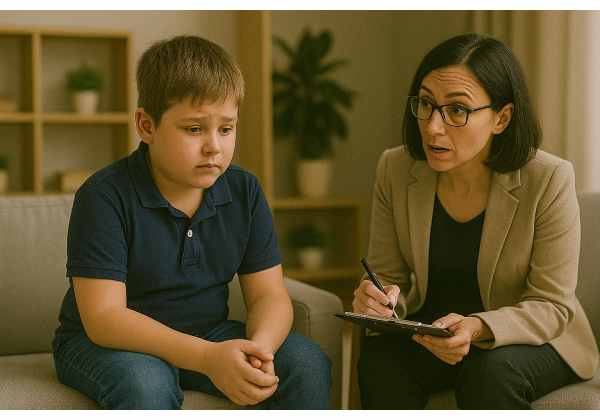
Autism is a lifelong neurodevelopmental condition that affects how a person communicates, processes information, responds to sensory input, and relates to the world around them. It is called a spectrum because autistic people can have very different strengths, needs, communication styles, learning profiles, and levels of day-to-day support.
Autism is not caused by parenting style, personal weakness, vaccines, or lack of effort. It reflects differences in brain development that usually begin before birth and become noticeable in early childhood, although some people are not recognized as autistic until adolescence or adulthood. Understanding the signs, possible causes, risk factors, effects, and diagnostic context can help families and adults make sense of patterns that may otherwise be misunderstood.
Table of Contents
- What Autism Spectrum Disorder Means
- Core Symptoms and Diagnostic Features
- Signs of Autism Across Ages
- Causes and Risk Factors
- Effects on Learning, Communication, and Daily Life
- Co-Occurring Conditions and Complications
- How Autism Is Evaluated and Diagnosed
- When Autism-Related Concerns Need Prompt Evaluation
What Autism Spectrum Disorder Means
Autism spectrum disorder is a developmental condition defined by persistent differences in social communication and restricted or repetitive patterns of behavior, interests, or sensory responses. These traits must be present from early development, but they may become more obvious only when social, school, work, or independence demands increase.
The word “spectrum” does not mean a simple line from “mild” to “severe.” A person may speak fluently but struggle with social inference, sensory overload, or executive functioning. Another person may use few spoken words but understand far more than others assume. Some autistic people have intellectual disability, while others have average or above-average intellectual ability. Some need substantial daily assistance; others live independently but still experience hidden strain.
Autism is diagnosed based on patterns, not one single behavior. A child who lines up toys is not automatically autistic. An adult who dislikes eye contact is not automatically autistic. Clinicians look for a broader developmental pattern involving communication, social reciprocity, flexibility, sensory processing, interests, and how these features affect daily functioning.
Language around autism varies. Many autistic adults prefer identity-first language, such as “autistic person,” because they view autism as an integral part of who they are. Some people and families prefer person-first language, such as “person with autism.” Both forms appear in clinical and public health settings. The most respectful approach is to use the wording an individual prefers.
Autism is classified as a neurodevelopmental disorder, meaning it involves early brain development. It is often discussed in mental health and psychiatric contexts because autistic people may also experience anxiety, depression, ADHD, sleep problems, trauma-related symptoms, or other psychiatric concerns. Still, autism itself is not the same thing as a mood disorder, personality disorder, or psychotic disorder.
A useful way to understand autism is to focus on the interaction between traits and environment. Some autistic traits may create challenges in settings designed around non-autistic expectations, such as noisy classrooms, vague social rules, unpredictable schedules, or workplaces that reward constant multitasking. The same person may function very differently in environments that are clear, predictable, sensory-considerate, and communication-friendly.
Core Symptoms and Diagnostic Features
The core symptoms of autism fall into two main areas: social communication differences and restricted, repetitive, or sensory-related patterns. A diagnosis requires evidence from both areas, along with signs that began in the developmental period and cause meaningful differences in functioning.
Social communication differences can involve spoken language, nonverbal communication, social understanding, and back-and-forth interaction. Some autistic people speak late or use few spoken words. Others speak early and have a large vocabulary but struggle with conversational timing, indirect language, sarcasm, facial expressions, or the unwritten rules of social interaction.
Common social communication features may include:
- limited or inconsistent response to name in early childhood
- reduced pointing, showing, or sharing interest with others
- difficulty with back-and-forth conversation
- limited use or interpretation of gestures, facial expressions, or tone of voice
- unusual eye contact, either reduced, intense, or inconsistent
- difficulty understanding another person’s perspective in real time
- preference for parallel play, solitary interests, or structured interaction
- trouble forming or maintaining peer relationships in expected ways
Restricted and repetitive patterns are the second major diagnostic area. These may include repeated movements, intense interests, strong preference for sameness, rituals, sensory sensitivities, or unusual sensory seeking. These behaviors are not simply “bad habits.” They may reflect regulation, interest, predictability, communication, or sensory processing differences.
Examples include hand flapping, rocking, spinning objects, repeating phrases, arranging items in a specific order, distress with changes in routine, intense focus on specific topics, or strong reactions to sound, texture, light, smell, taste, or touch. Some autistic people seek sensory input, such as pressure, movement, or visual stimulation. Others avoid it because ordinary environments feel overwhelming.
Autistic traits can be hidden or misread. Some people learn to mask by copying social behaviors, rehearsing scripts, forcing eye contact, suppressing stimming, or imitating peers. Masking can make autism harder to recognize, especially in girls, women, highly verbal people, and adults who learned to camouflage early. It can also make the person appear “fine” while experiencing exhaustion, anxiety, or shutdown internally.
Autism may overlap with other conditions, particularly ADHD. Both can involve executive function difficulties, sensory issues, emotional intensity, restlessness, or trouble with social expectations. The difference is not always obvious without a careful history, which is why formal comparison of autism and ADHD can be important when symptoms seem mixed.
Signs of Autism Across Ages
Autism signs often appear in early childhood, but the pattern changes with age, language development, expectations, and environment. Some signs are noticeable in toddlers, while others become clearer when a child enters school or when an adult faces complex social and work demands.
In infancy and toddlerhood, autism may appear as differences in social attention, communication, play, and sensory response. Some children do not respond consistently to their name, show reduced interest in shared play, use fewer gestures, or do not point to show interest. Others may have strong reactions to sounds, unusual visual interests, repetitive movements, or distress when routines change.
Early signs can include:
- limited babbling, gestures, or pointing
- not showing objects to share interest
- reduced imitation of facial expressions or actions
- limited pretend play
- intense focus on parts of toys rather than flexible play
- unusual reaction to sounds, textures, lights, or movement
- loss of previously used words or social behaviors
A child can have some of these signs without being autistic, and not every autistic toddler shows every sign. Still, persistent concerns about communication, social engagement, repetitive behavior, or regression deserve a developmental evaluation. More detailed information on autism screening in toddlers can help clarify how early concerns are usually assessed.
In preschool and school-age children, signs may involve peer relationships, play flexibility, emotional regulation, classroom routines, and sensory tolerance. A child may prefer specific topics, have difficulty joining group play, interpret language literally, become distressed by schedule changes, or melt down after noisy or demanding days. Some children are described as “rigid,” “intense,” “shy,” “bossy,” or “in their own world” before autism is considered.
In adolescents, autism may become more visible as social expectations become more subtle. Friendships often depend on rapid social inference, humor, group identity, texting norms, and emotional nuance. Autistic teens may feel confused by peer dynamics, become socially exhausted, withdraw, develop anxiety, or be misunderstood as rude or uninterested.
In adults, signs may include lifelong social confusion, sensory overload, strong routines, difficulty with unstructured workplaces, intense interests, exhaustion after social interaction, or a history of feeling different without knowing why. Some adults seek evaluation after a child is diagnosed, after burnout, or after years of anxiety or depression that did not fully explain their experiences. Adult presentations are often shaped by years of adaptation, masking, and self-developed routines.
| Life stage | Possible signs | Important context |
|---|---|---|
| Toddlerhood | Limited pointing, reduced response to name, delayed speech, repetitive play, sensory reactions | Developmental patterns matter more than any single behavior |
| School age | Difficulty with peer play, literal language, routine distress, intense interests, classroom sensory overload | Signs may be mistaken for behavior problems or anxiety |
| Adolescence | Social exhaustion, confusion with group dynamics, masking, shutdowns, anxiety around change | Demands often rise faster than coping capacity |
| Adulthood | Longstanding social strain, sensory sensitivity, rigid routines, burnout, difficulty with unspoken expectations | History from childhood remains important for diagnosis |
Causes and Risk Factors
Autism does not have one single cause. Current evidence supports a complex developmental picture involving genetic influences, early brain development, and environmental or prenatal factors that may affect risk in some cases.
Genetics plays a major role. Autism often runs in families, and many genes appear to contribute small or large effects. Some autistic people have an identifiable genetic condition or chromosomal difference, such as fragile X syndrome, Rett syndrome, tuberous sclerosis complex, or certain copy number variants. Many others do not have a single identifiable genetic finding, even when autism clearly has a biological basis.
Risk factors are not the same as causes. A risk factor means autism is statistically more likely in a group with that factor, not that the factor directly caused autism in a specific person. This distinction matters because autism is often surrounded by blame, oversimplified explanations, and unsupported claims.
Factors associated with higher autism likelihood include:
- having a sibling with autism
- certain genetic or chromosomal conditions
- very preterm birth or very low birth weight
- older parental age in some studies
- some prenatal exposures or pregnancy complications
- male sex, although autism is also common in girls and women and may be underrecognized
- co-occurring intellectual disability or developmental delay
Environmental risk factors are studied carefully, but many findings are difficult to interpret. Pregnancy complications, parental health, medication exposures, pollution, infection, immune factors, and nutrition have all been investigated. Some associations may reflect shared genetics, social factors, medical monitoring differences, or confounding rather than direct causation. Strong claims about a single environmental cause should be treated cautiously unless supported by high-quality evidence.
Vaccines do not cause autism. This has been studied extensively, and the claim linking vaccines to autism has not held up scientifically. The persistence of this myth has caused harm by increasing fear, stigma, and vaccine hesitancy.
Screen time, parenting style, emotional neglect, and “spoiling” a child are also not accepted causes of autism. A child may show more distress in chaotic or sensory-intense environments, but that does not mean the environment caused autism. Likewise, an adult may appear more visibly autistic during stress or burnout, but the underlying neurodevelopmental traits were not created by that stress.
Autism is sometimes identified alongside other developmental differences. ADHD, language disorder, intellectual disability, developmental coordination disorder, learning disabilities, and epilepsy can all co-occur. The presence of one condition does not rule out autism. In many people, the most accurate understanding comes from looking at the full developmental profile rather than trying to force every trait into one explanation.
Effects on Learning, Communication, and Daily Life
Autism can affect daily life in very different ways depending on communication ability, sensory profile, intellectual functioning, health, environment, and support needs. The effects are not limited to social skills; they may involve learning, attention, emotional regulation, sleep, movement, and independence.
Communication effects range widely. Some autistic people do not use spoken language or use only a few words. Others speak fluently but find real-time conversation draining or confusing. A person may understand factual language well but struggle with implied meaning, teasing, sarcasm, vague instructions, or emotionally loaded conversations. Some use echolalia, repeating words or phrases, as part of communication, processing, or regulation.
Social effects can include difficulty reading subtle cues, joining groups, maintaining friendships, or knowing what others expect. These challenges do not mean autistic people lack empathy. Many autistic people care deeply but may express concern differently, miss indirect signals, or become overwhelmed when emotions are intense or unclear. Misunderstandings often go both ways: non-autistic people may also misread autistic facial expressions, tone, pauses, or body language.
Learning effects depend on the person’s cognitive and language profile. Some autistic children learn letters, numbers, patterns, or factual information very early. Others have global developmental delays or uneven skills, such as strong memory with weak flexible problem-solving. Executive function differences may affect planning, transitions, task initiation, working memory, and adapting when a routine changes. These patterns are sometimes explored through broader developmental or neuropsychological assessment, especially when autism, learning problems, and executive dysfunction overlap.
Sensory processing can strongly shape daily functioning. Fluorescent lights, crowded rooms, clothing tags, food textures, alarms, perfume, or background noise may be intensely uncomfortable. Sensory overload can lead to withdrawal, irritability, shutdown, or meltdown. A shutdown may look like silence, stillness, or inability to respond. A meltdown may look like crying, yelling, pacing, or loss of behavioral control. These are not the same as deliberate misbehavior; they often reflect an overwhelmed nervous system.
Autism can also affect eating, sleep, toileting, motor coordination, safety awareness, and tolerance of medical or dental care. Some autistic people have restricted food preferences because of texture, smell, sameness, or gastrointestinal discomfort. Some have delayed sleep timing, frequent waking, or difficulty settling. Others may wander, bolt from safe areas, or have reduced awareness of danger.
Daily effects are often amplified when expectations are unclear. Vague instructions, sudden changes, crowded settings, and social ambiguity can be harder than the task itself. Conversely, many autistic people thrive when expectations are explicit, communication is direct, and sensory demands are manageable. This does not erase disability, but it shows why functioning can vary so much across settings.
Co-Occurring Conditions and Complications
Autism commonly occurs with other developmental, neurological, psychiatric, and medical conditions. Recognizing these co-occurring issues matters because they can change how autism appears and may explain distress, regression, behavior changes, or functional decline.
Common co-occurring developmental and psychiatric conditions include ADHD, anxiety disorders, depressive disorders, language disorder, intellectual disability, learning disabilities, tic disorders, obsessive-compulsive symptoms, and trauma-related symptoms. Anxiety is especially common and may appear as avoidance, reassurance seeking, irritability, rigidity, stomachaches, or refusal around uncertain situations. Depression may look like withdrawal, loss of interest, sleep changes, increased shutdowns, or a drop in functioning.
Neurological and medical co-occurring conditions can include epilepsy, sleep disorders, gastrointestinal symptoms, feeding difficulties, motor coordination problems, and genetic syndromes. Epilepsy is more common in autistic people than in the general population, especially among those with intellectual disability, developmental regression, or certain genetic conditions. Sleep problems can worsen attention, mood, learning, and behavior, making the overall picture harder to interpret.
Complications are not inevitable, but they can be significant. Autistic children may be mislabeled as defiant when they are overwhelmed, confused, or unable to communicate distress. Autistic teens may be bullied, isolated, or punished for social differences. Autistic adults may experience chronic stress from masking, job instability due to unclear workplace expectations, or delayed recognition of mental health symptoms.
Self-injury can occur in some autistic people, especially when communication is limited, pain is unrecognized, sensory distress is intense, or emotional regulation is overwhelmed. Self-injury should never be dismissed as “just autism.” It can signal distress, pain, neurological issues, psychiatric symptoms, or environmental overload and deserves careful clinical assessment.
Catatonia-like symptoms can rarely occur in autistic adolescents or adults. Warning signs may include marked slowing, freezing, loss of speech, unusual posturing, reduced eating or drinking, or a major decline from usual functioning. Because these symptoms can overlap with depression, psychosis, neurological illness, or medication effects, they need prompt professional evaluation.
Autistic people can also be vulnerable to diagnostic overshadowing. This happens when new symptoms are incorrectly attributed to autism rather than investigated. For example, sudden confusion, new seizures, major sleep change, severe anxiety, abrupt loss of skills, or new aggression should not be automatically explained by autism alone.
A balanced view is important. Autism can bring real disability, but autistic people also often have strengths such as deep focus, pattern recognition, honesty, persistence, detailed memory, creativity, or strong commitment to fairness. These strengths do not cancel out support needs, and support needs do not erase strengths.
How Autism Is Evaluated and Diagnosed
Autism is diagnosed through clinical evaluation of developmental history, current behavior, communication, social interaction, restricted or repetitive patterns, and functional impact. There is no blood test, brain scan, or single questionnaire that can confirm or rule out autism by itself.
Screening and diagnosis are different. Screening tools can identify children or adults who may need a fuller evaluation, but they do not provide a final diagnosis. A positive screen means more assessment is needed; a negative screen does not always rule autism out, especially when traits are subtle, masked, or recognized later. The distinction between screening and diagnosis is important because autism evaluations require context, not just scores.
In young children, evaluation often includes caregiver interview, developmental history, observation of communication and play, review of language and motor milestones, and assessment of adaptive functioning. Some children are first identified through pediatric screening, preschool concerns, or speech-language delays. A M-CHAT autism screening result may be part of early detection, but it is not the same as a full diagnosis.
A full autism evaluation in children may involve a developmental pediatrician, psychologist, psychiatrist, neurologist, speech-language pathologist, occupational therapist, or multidisciplinary team. The exact process varies by age, symptoms, and setting. More complex cases may need assessment for intellectual disability, language disorder, ADHD, learning disabilities, motor differences, hearing problems, seizures, sleep issues, or genetic conditions. A more detailed description of a full autism diagnostic workup in children can clarify what is commonly included.
Standardized tools can support diagnosis, but they do not replace clinical judgment. One commonly used observational tool is the ADOS autism test, which helps clinicians observe communication, social interaction, play, and restricted or repetitive behaviors in a structured way. Other tools may include caregiver interviews, rating scales, adaptive behavior measures, language testing, and cognitive testing.
In adults, diagnosis often requires careful reconstruction of childhood history. This may include school reports, family input when available, early developmental memories, lifelong sensory patterns, social history, relationship patterns, work functioning, and mental health history. Adults may have learned to mask traits so well that brief observation misses important features. A focused adult autism testing process can help distinguish lifelong autistic traits from anxiety, trauma, ADHD, personality patterns, or mood disorders.
Brain scans and routine lab tests do not diagnose autism. They may be ordered only when there are specific concerns, such as seizures, unusual neurological findings, regression, genetic syndromes, or other medical symptoms. Similarly, online tests may help a person notice patterns, but they cannot confirm autism on their own.
When Autism-Related Concerns Need Prompt Evaluation
Most autism-related concerns are evaluated through developmental, psychological, psychiatric, or medical assessment rather than emergency care. However, certain changes or safety concerns should be assessed promptly because they may signal distress, medical illness, neurological problems, or acute mental health risk.
A child should be evaluated promptly if there is developmental regression, such as loss of speech, social engagement, motor skills, toileting abilities, or play skills. Regression can occur in autism, but it can also reflect seizures, genetic conditions, neurological illness, hearing loss, severe stress, or other medical issues. Any clear loss of previously established skills deserves careful attention.
Urgent professional evaluation is also important when there are new seizures, episodes of unresponsiveness, sudden confusion, severe sleep disruption with major behavior change, refusal to eat or drink, or signs of pain that the person cannot explain. Autistic people may communicate discomfort through behavior rather than words, so a sudden change should not be dismissed as “just behavioral.”
Safety concerns need immediate attention. These include serious self-injury, aggression that creates danger, running into traffic, wandering away from safe supervision, suicidal statements, threats of harm, or behavior that suggests the person cannot stay safe. In these situations, the priority is urgent assessment of risk and underlying causes.
Prompt evaluation may also be needed when a teen or adult shows a major decline from their usual functioning. Warning signs include becoming almost unable to speak, freezing for long periods, marked slowing, severe withdrawal, inability to perform basic daily activities, or dramatic changes in movement, eating, or responsiveness. These changes can have psychiatric, neurological, medical, or medication-related explanations.
For less urgent but persistent concerns, evaluation is still worthwhile when autism traits interfere with communication, school, work, relationships, independence, or emotional well-being. A diagnosis is not merely a label; it can explain a long-standing developmental pattern and help distinguish autism from conditions that may look similar on the surface.
The most important point is that autism should be understood in context. A stable lifelong pattern of social communication differences, sensory traits, routines, and focused interests suggests one kind of evaluation. A sudden change, loss of skills, new safety risk, or major decline suggests the need for faster clinical attention. Both situations deserve to be taken seriously.
References
- Autism Spectrum Disorder: A Review 2023 (Review)
- About Autism Spectrum Disorder 2026 (Government Health Information)
- Prevalence and Early Identification of Autism Spectrum Disorder Among Children Aged 4 and 8 Years — Autism and Developmental Disabilities Monitoring Network, 16 Sites, United States, 2022 2025 (Surveillance Report)
- Autism 2025 (Fact Sheet)
- Autism spectrum disorder in under 19s: recognition, referral and diagnosis 2021 (Guideline)
- Genetics of autism spectrum disorder: an umbrella review of systematic reviews and meta-analyses 2022 (Umbrella Review)
Disclaimer
This content is for general educational purposes only and is not a substitute for professional medical advice, diagnosis, or treatment. Concerns about autism, developmental regression, seizures, self-injury, suicidal thoughts, or sudden functional decline should be discussed with a qualified health professional.
Thank you for taking the time to read this resource; sharing it may help others better understand autism with accuracy and compassion.