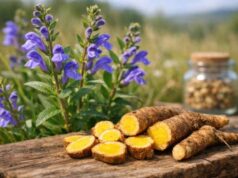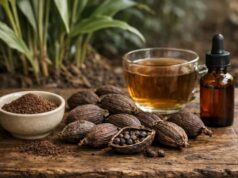
Bai Zhi, the dried root of Angelica dahurica, is a traditional East Asian herb best known for supporting the head and nasal passages, easing certain types of pain, and helping calm irritated skin. In classical herbal practice it is often chosen for “wind-cold” patterns that show up as stuffy nose, sinus pressure, frontal headache, or tooth and facial discomfort. Modern analysis helps explain that traditional logic: Bai Zhi is rich in aromatic volatile oils and furanocoumarins, compounds that can influence inflammatory signaling, local circulation, and microbial balance.
At the same time, Bai Zhi is not a casual daily tonic. Its chemistry can be stimulating for some people, and the same compound family that gives it therapeutic potential can also raise practical safety issues, especially sun sensitivity and medication interactions. Used thoughtfully, it can be a useful short-term tool, particularly when you match the form and dose to your goal and risk profile.
Essential Insights for Bai Zhi
- May help reduce sinus pressure and frontal headache when congestion and inflammation are involved.
- Often used topically for acne-prone or uneven-looking skin, but patch testing matters.
- Typical adult range: 3–9 g/day dried root in decoction, or 500–1,000 mg/day extract (standardized products vary).
- Can increase sun sensitivity in some people; limit UV exposure and avoid tanning.
- Avoid if pregnant or breastfeeding, or if you take narrow-therapeutic-index or CYP3A4-metabolized medicines unless supervised.
Table of Contents
- What is Bai Zhi?
- Key compounds and how they work
- Bai Zhi health benefits
- Common uses and best forms
- How much Bai Zhi per day?
- Side effects, interactions, and who should avoid
- What the research actually shows
What is Bai Zhi?
Bai Zhi is the dried root of Angelica dahurica, a plant in the Apiaceae family (the same botanical family as carrot and coriander). In commerce you may also see it called Radix Angelicae Dahuricae, Dahurian angelica root, or simply “Baizhi.” The root is typically sliced and dried; in traditional practice it is often used in short courses rather than taken indefinitely.
Historically, Bai Zhi is categorized as a “surface-releasing” and “orifice-opening” herb, which is traditional language for remedies used when symptoms are felt “at the surface” (head, face, sinuses) rather than deep in the body. That is why it appears so frequently in formulas for nasal obstruction, facial pain, and frontal headaches. It is also described as dispersing swelling and expelling pus, a clue to its long-standing topical use for irritated, inflamed skin.
A practical point for modern readers: do not confuse Bai Zhi (Angelica dahurica) with Dong Quai (Angelica sinensis). They share the genus name Angelica, but they are used differently. Dong Quai is best known for gynecologic and blood-related applications, while Bai Zhi is used more for head, face, nasal passages, and certain skin complaints.
Quality matters with Bai Zhi because aroma and potency depend on how it was processed and stored. Fresh, well-prepared slices usually have a clear, aromatic scent and a pale interior. Very dull odor, mustiness, or signs of mold are red flags. Because the active compounds are concentrated in the root, sourcing from reputable suppliers that test for contaminants and authenticate species is worth prioritizing—especially if you plan to use it regularly or in higher doses.
If you are familiar with culinary aromatics in the same plant family, you will recognize the theme: a strong scent often signals a higher level of volatile constituents. For a broader look at how aromatic Apiaceae plants show up in both food and traditional medicine, see this coriander culinary and medicinal guide.
Key compounds and how they work
Bai Zhi’s effects are best understood as a “compound ensemble” rather than a single magic molecule. The root contains hundreds of constituents, but a few categories dominate both traditional interest and modern research.
1) Furanocoumarins (and related coumarins)
These are often considered signature actives for Angelica dahurica. Well-known examples include imperatorin, isoimperatorin, oxypeucedanin, oxypeucedanin hydrate, xanthotoxin (also called 8-MOP), bergapten (5-MOP), and byakangelicin. In lab and animal studies, compounds from this group have been explored for anti-inflammatory activity, analgesic effects, antimicrobial actions, and effects on smooth muscle and local circulation. The same family is also associated with photosensitization in some plants, which is why Bai Zhi deserves respectful sun-safety guidance.
2) Volatile oils
Bai Zhi is aromatic for a reason: its essential oil fraction includes terpenes and other small fragrant molecules that can influence sensory nerves, local blood flow, and microbial balance. Traditional “opening” or “unblocking” sensations—such as a clearer feeling in the nose or sinuses—often align with how aromatic oils interact with the upper airway and trigeminal nerve pathways. Volatile oils are also more fragile than coumarins, meaning storage conditions (heat, light, time) can change the profile.
3) Polysaccharides and other supportive phytochemicals
Polysaccharides, phenolic compounds, sterols, and minor alkaloids appear in analyses of the root. These may contribute to immune-modulating and antioxidant effects seen in preclinical work, though they are less likely to be the main drivers of the classic “sinus and face” use pattern.
How these compounds translate into real-world effects
A helpful way to think about Bai Zhi is in three overlapping lanes:
- Inflammation and pain signaling: preclinical studies commonly examine pathways such as COX and cytokine-related cascades.
- Microbial balance and tissue irritation: some constituents show inhibitory effects against certain microbes in lab settings, which may matter for inflamed skin or irritated mucosa.
- Circulation and sensory tone in the face and head: aromatic compounds can affect local sensations, which may be why the herb “feels like” it goes to the head and nose in traditional descriptions.
Because these actions overlap, people often experience Bai Zhi as most useful when symptoms include both irritation and “stuckness”: pressure, swelling, congestion, or stubborn redness rather than vague fatigue or generalized wellness goals.
Bai Zhi health benefits
Bai Zhi is most famous for head-and-face complaints, but its traditional and modern interest spans a few clear clusters. The benefits below are best viewed as potential benefits—often strongest when Bai Zhi is used for a short window and paired with appropriate self-care (hydration, gentle nasal hygiene, sleep, and inflammation reduction).
1) Sinus comfort and nasal openness
Many people seek Bai Zhi for congestion, sinus pressure, and a “plugged” feeling in the nose. Traditional descriptions emphasize dispersing and unblocking, especially in the forehead and nasal bridge area. Practically, Bai Zhi is often used when congestion is paired with a frontal headache or facial pressure, and when symptoms feel acute or “on the surface.” It is not a substitute for evaluation when you have high fever, severe facial swelling, or symptoms that persist or worsen.
2) Headache patterns linked to congestion or tension
Bai Zhi is commonly included in classic headache formulas—especially when the pain is frontal, the head feels heavy, or the discomfort is paired with nasal symptoms. People sometimes describe it as helping the “band” of tightness across the forehead. If your headaches have warning signs (neurologic symptoms, sudden severe onset, new headache after age 50, or headaches with fainting), do not self-treat.
3) Tooth, jaw, and facial discomfort
Traditional use includes toothache and facial pain, particularly when the pain feels inflammatory or when there is concurrent congestion. This is one reason Bai Zhi is sometimes discussed alongside trigeminal distribution discomfort. It is not an antibiotic and does not replace dental care.
4) Skin clarity and calming support
Topically, Bai Zhi has been used for acne-prone skin, uneven tone, and irritated spots. In traditional language, it can “reduce swelling” and support the resolution of localized irritation. The modern skincare angle often focuses on its aromatic and coumarin-rich profile, which may influence inflammation and microbial balance at the skin surface. Because furanocoumarins can be sensitizing for some, topical use requires more caution than many people expect.
5) Antioxidant and broader wellness claims
You will sometimes see Bai Zhi marketed for broad antioxidant, immune, or “detox” effects. While preclinical research explores these areas, the strongest, most consistent traditional intent is still head, face, and skin. If you are choosing one herb for general immune support, Bai Zhi is usually not the first choice; it is more of a targeted tool.
A realistic way to frame Bai Zhi is: it may help you feel clearer and less pressured in the face and head when irritation and congestion are central, and it may support certain localized skin concerns when used carefully and briefly.
Common uses and best forms
Bai Zhi can be used internally or externally, and the “best” form depends on how quickly you want effects, how sensitive you are, and what you are trying to address.
Internal use: common forms
- Decoction (tea made by simmering): This is the classic approach. Slices of dried root are simmered to extract both aromatic and less volatile constituents. A practical method is to simmer the root gently for 15–25 minutes, covered, then strain. Some people prefer to add Bai Zhi later in the simmer to preserve aroma, but this is usually guided by tradition and formula design.
- Granules or powdered extract: Granules offer convenience and more consistent dosing. They are often used for short periods during seasonal congestion or acute flare-ups.
- Capsules (powder or standardized extract): Capsules are the easiest option for travel or routine use, but they can encourage “set-and-forget” habits. With Bai Zhi, it is usually wiser to keep use time-limited.
External use: common forms
- Topical paste: Powdered Bai Zhi mixed with water or a mild carrier can be applied to small areas. This is traditionally used for localized irritation, but it must be used carefully. Keep application time modest at first, and avoid broken skin.
- Infused preparations: Some skincare products include Angelica dahurica extracts in creams or serums. Commercial formulations may be safer than DIY because they can control concentration and stability, but you still need patch testing.
Practical use cases
- Seasonal stuffiness: Short course internal use, especially when symptoms are concentrated in the nose and forehead.
- Post-cold “leftover” congestion: Some people use Bai Zhi when the acute phase has passed but pressure lingers.
- Spot-focused skincare: Targeted topical use rather than full-face application is a conservative starting point.
Choosing between internal and external use
If your goal is sinus pressure or headache, internal use is generally more aligned with traditional intent. If your goal is localized skin irritation, topical use may make more sense, but it requires stricter attention to sensitivity and sun exposure. A useful comparison point for topical astringent and calming strategies is this witch hazel topical uses guide, which can help you think through when to use astringents and how to avoid over-irritating reactive skin.
When to stop and reassess
If symptoms persist beyond a short window (often a few days to two weeks, depending on the issue), or if they worsen, that is a signal to reassess rather than escalating dose or stacking multiple products. Bai Zhi is a focused tool, not a long-term workaround for chronic sinus disease or recurrent skin flares.
How much Bai Zhi per day?
Dosing for Bai Zhi varies by form, product quality, and the person’s sensitivity. The ranges below reflect common traditional and contemporary supplement practices, but they are not a substitute for individualized guidance—especially if you take medications or have chronic conditions.
Typical adult dosage ranges (general guidance)
- Dried root (decoction): 3–9 g per day is a commonly used range. Some traditional practices go higher in formula context, but higher dosing increases the chance of side effects and is best supervised.
- Powdered root: 1–2 g per day in divided doses is a conservative starting approach if you cannot decoct.
- Standardized extracts (capsules or tablets): Many products fall in the range of 500–1,000 mg per day total, often split into 1–2 doses. Standardization varies widely; some products are labeled for coumarin content, while others are not.
- Tincture (if used): 2–4 mL up to two times daily is a common tincture-style range, though concentration depends on the extract ratio and alcohol percentage.
Timing: when to take it
Bai Zhi is often taken earlier in the day or split into two doses. If it feels stimulating or drying, avoid late-evening dosing. For congestion-focused use, people often time it around the part of the day when symptoms are most noticeable (morning stuffiness or afternoon pressure).
How long to use it
Bai Zhi is usually best as a short course:
- Acute congestion or pressure: 3–7 days is a common self-care window.
- Stubborn but improving symptoms: up to 10–14 days may be reasonable with conservative dosing and good tolerance.
- Chronic or recurrent symptoms: use this as a cue to seek evaluation rather than extending Bai Zhi indefinitely.
Dose-adjustment variables that matter
Instead of jumping to the highest “allowed” dose, adjust based on these practical signals:
- Body response: dryness, flushing, nausea, or jitteriness are reasons to reduce dose or stop.
- Sun exposure: if you will be outdoors, keep dose conservative and prioritize UV protection.
- Form potency: a strong-smelling, well-preserved root or a standardized extract may hit harder than old, low-aroma slices.
- Stacking: combining Bai Zhi with multiple other strong botanicals can increase unpredictability.
A conservative starting plan
Many adults do well starting at the low end (for example, 3 g/day as decoction or 500 mg/day extract) for 2–3 days, then increasing only if needed and well tolerated.
If you are building an anti-inflammatory routine and considering other supplements alongside Bai Zhi, be mindful of overlap and interactions. For a reference point on dosing logic and safety framing in a commonly stacked anti-inflammatory, see this curcumin dosage and safety guide.
Side effects, interactions, and who should avoid
Bai Zhi is widely used in traditional settings, but “traditional” does not mean risk-free. Its coumarin-rich profile makes safety considerations especially important.
Common side effects (more likely at higher doses)
- Stomach upset, nausea, or reflux-like discomfort
- Dizziness or headache (paradoxically, especially if overstimulating)
- Dry mouth, thirst, or a “dry heat” feeling
- Skin irritation with topical use (stinging, redness, itching)
Photosensitivity risk
Because Bai Zhi contains furanocoumarins, some people may become more sensitive to ultraviolet light, especially with concentrated topical exposure. Practical precautions:
- Avoid tanning beds and intentional sunbathing while using Bai Zhi.
- Use sunscreen and physical barriers (hat, sleeves) if you are outdoors.
- If using topically, avoid applying before sun exposure and patch test first.
Medication interaction potential
Furanocoumarins in various plants are known for interacting with drug-metabolizing enzymes. With Bai Zhi, the interaction risk is not fully mapped in humans, but caution is sensible—especially if you take:
- Narrow-therapeutic-index medicines (where small level changes matter)
- Sedatives, certain antidepressants, or antiarrhythmics
- Statins, calcium channel blockers, or other CYP3A4-metabolized drugs
- Anticoagulants or antiplatelet medicines (caution is prudent even though “coumarins” in plants are not the same as warfarin)
If you take prescription medicines daily, it is best to consult a clinician or pharmacist before using Bai Zhi, particularly in extract form.
Who should avoid Bai Zhi unless supervised
- Pregnant or breastfeeding people (insufficient safety data; traditional cautions also exist)
- Children (unless guided by a qualified clinician)
- People with a history of strong sun reactions or photosensitivity disorders
- Those with chronic liver disease or unexplained elevated liver enzymes (conservative approach)
- Anyone scheduled for surgery who is using multiple supplements (stop early and disclose all supplements)
Topical safety essentials
If you use Bai Zhi on skin, treat it like an “active,” not a benign moisturizer:
- Patch test on a small area for 24–48 hours.
- Avoid broken skin and mucous membranes.
- Start with short contact time and low concentration.
- Do not combine with strong exfoliants, retinoids, or acids initially.
If you want a reminder that phototoxicity is not unique to Bai Zhi, and you are curious how other classic photoreactive botanicals are handled, this garden rue safety overview offers helpful context for why sun precautions are taken seriously with certain plant families.
What the research actually shows
Bai Zhi sits in a common herbal evidence pattern: strong traditional usage and substantial laboratory research, paired with limited high-quality clinical trials that isolate the herb by itself. Understanding that landscape helps you set realistic expectations and avoid exaggerated marketing.
Where research is strongest
- Phytochemistry and quality science: Researchers have mapped many of the root’s coumarins and volatile components, and newer work increasingly focuses on quality control, authenticity, and content variation between batches. This matters because two products labeled “Bai Zhi” can differ significantly in potency.
- Preclinical pharmacology: In cell and animal models, Bai Zhi extracts and isolated compounds have shown activity relevant to inflammation, pain signaling, oxidative stress, and microbial balance. These findings support why the herb was historically chosen for inflamed, painful, or congested conditions, but they do not prove the same magnitude of effect in humans.
Where evidence is more limited
- Human trials for single-herb Bai Zhi: Well-designed trials using Bai Zhi alone for a specific condition are relatively sparse. Many clinical studies in traditional medicine use Bai Zhi as one component in multi-herb formulas, which makes it difficult to attribute results to the root itself.
- Standardized dosing guidance: Because products vary (whole root slices, granules, extracts), and because coumarin content can differ, there is no single universally accepted dose that fits every form and person.
What this means for practical use
You can think of Bai Zhi as a reasonable option when:
- Your target is aligned with traditional intent (sinus pressure, frontal headache patterns, facial discomfort, localized irritated skin).
- You want a short-term strategy rather than a daily, year-round supplement.
- You can control for key risks (sun exposure, medication interactions, sensitivity).
It may be less appropriate when:
- You are looking for a general immune tonic or broad “detox” effect.
- Your symptoms are chronic, complex, or escalating, where evaluation and diagnosis matter more than symptomatic relief.
- You need a supplement with robust clinical evidence and standardized dosing.
A balanced expectation to hold
Bai Zhi is best viewed as a targeted, traditionally coherent herb with plausible mechanisms and promising preclinical signals—yet not a replacement for evidence-based care when symptoms are severe, persistent, or accompanied by red flags. The most responsible use is conservative dosing, short duration, and attention to quality and safety signals.
References
- The Angelica dahurica: A Review of Traditional Uses, Phytochemistry and Pharmacology – PMC 2022 (Review)
- Oxypeucedanin: Chemotaxonomy, Isolation, and Bioactivities – PubMed 2021 (Review)
- The Simultaneous Determination of Nine Furocoumarins in Angelica dahurica Using UPLC Combined with the QAMS Approach and Novel Health Risk Assessment Based on the Toxic Equivalency Factor 2023 (Research Article)
- Exploring the Toxicity and Therapeutic Potential of A. dahurica and A. pubescens in Zebrafish Larvae: Insights into Anxiety Treatment Mechanisms 2025 (Research Article)
Disclaimer
This article is for educational purposes only and does not provide medical advice, diagnosis, or treatment. Herbal products can vary widely in strength and purity, and Bai Zhi (Angelica dahurica) may cause side effects, increase sun sensitivity, or interact with medications. If you are pregnant or breastfeeding, have a chronic medical condition, take prescription drugs, or are preparing for a procedure, consult a qualified healthcare professional before using Bai Zhi. Seek urgent medical care for severe or rapidly worsening symptoms, high fever, facial swelling, neurologic symptoms, or significant allergic reactions.
If you found this guide useful, consider sharing it on Facebook, X (formerly Twitter), or your favorite platform so others can read it too.