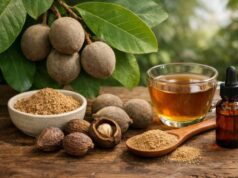
Basswood—more commonly called linden or lime blossom—refers to several Tilia species whose fragrant flowers are prepared as a gentle herbal tea. Across Europe and parts of Asia and North America, linden flowers (often dried with their pale bracts) have long been used for two everyday needs: calming the nervous system and comforting the upper respiratory tract during seasonal colds. The tea is naturally soothing, mildly sweet, and soft on the throat, which helps explain why it is often reached for when the body feels tense, the mind feels busy, or a cough is scratchy and dry.
Modern analysis shows that linden’s effects are not “one compound magic,” but a blend of flavonoids, aromatic constituents, and mucilaginous polysaccharides that together support relaxation, gentle sweating during feverish colds, and a protective, demulcent feel on irritated tissues. Like any herb, it still deserves thoughtful use—especially for pregnancy, medication interactions, and product quality when flowers are harvested near traffic or industrial areas.
Core Points
- Linden flower tea may support calmer evenings and easier settling into sleep when stress is the main barrier.
- Traditional use includes comfort for common colds, dry cough, and throat irritation.
- Typical adult tea dosing is 3–6 g/day of dried flowers (for example, 1.5 g per cup, 2–4 times daily).
- Avoid use during pregnancy and breastfeeding, and stop if allergy symptoms occur.
- People with significant heart disease or those using sedatives should use extra caution and seek clinician guidance.
Table of Contents
- What is basswood and linden
- Key ingredients and medicinal properties
- What does basswood help with
- How to use basswood tea and extracts
- How much basswood per day
- Side effects interactions and who should avoid
- What the evidence actually says
What is basswood and linden
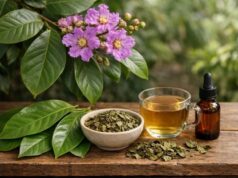
“Basswood” is a common name used especially in North America for certain Tilia trees, while “linden” (and sometimes “lime tree,” not related to citrus) is widely used in Europe. In herbal contexts, the part most often used is the flowering tops—the small yellow-white flowers attached to a long, papery bract. This dried material is frequently sold as linden flower or lime blossom, and in some pharmacopeial traditions it is referred to as Tiliae flos.
Several species may be used depending on region and supply, including:
- Tilia cordata (small-leaved linden)
- Tilia platyphyllos (large-leaved linden)
- Tilia tomentosa (silver linden)
- hybrids such as Tilia × europaea (sometimes listed under older naming conventions)
From the user’s perspective, the biggest difference is not the Latin name but the preparation quality. Good linden flowers smell fresh and honey-like, with a soft green note. Old or poorly stored material often smells flat, dusty, or faintly sour—an important clue because aroma reflects the volatile fraction that contributes to linden’s comforting sensory effects.
It also helps to distinguish flower use from other traditional Tilia preparations:
- Flowers and bracts are mainly used for teas, tinctures, and extracts aimed at relaxation and seasonal respiratory comfort.
- Leaves are sometimes used as mild teas in folk practice, but they are less common in standardized herbal products.
- Sapwood is used in some traditional systems (particularly in parts of Europe) for “drainage” or biliary support, but it is a different material with a different traditional profile and is not interchangeable with flower tea.
Because linden flowers are frequently harvested from ornamental trees, sourcing matters. Flowers collected along heavy-traffic roads or industrial areas can carry more environmental residues. When possible, choose commercially prepared linden flowers from suppliers that specify clean harvesting and appropriate drying and storage practices.
Key ingredients and medicinal properties
Linden’s herbal profile comes from layers of chemistry, not a single dominant active ingredient. The flower-and-bract material contains compounds that influence taste and aroma, soothe irritated tissues, and may support a calmer physiological state—especially when stress is contributing to symptoms.
Flavonoids and polyphenols
Linden flowers contain a variety of flavonoids and related polyphenols. You will often see familiar families such as quercetin- and kaempferol-type compounds discussed, along with linden-characteristic constituents like tiliroside. Polyphenols matter because they can:
- support antioxidant balance in tissues under stress
- influence inflammatory signaling in a “soft” regulatory way rather than as an on-off drug effect
- contribute to the overall “settling” feel that many people notice with linden tea, especially when paired with warmth and hydration
Polyphenols are also sensitive to processing. Overheating during drying or long storage in humid conditions can dull both potency and flavor.
Mucilage and soothing polysaccharides
A key reason linden tea feels gentle on the throat is its mucilage content—water-loving polysaccharides that can create a smooth, protective texture. This property helps explain traditional use for:
- scratchy throat irritation
- dry, irritating coughs
- “tight” upper airway discomfort during a cold
This is a sensory and mechanical support as much as a biochemical one: warm liquid plus mucilage often feels calming even before any longer-term effect develops.
Aromatic constituents
Linden’s fragrance is not just pleasant—it is part of the traditional experience. The volatile fraction contributes to:
- a warming, comforting aroma that can promote relaxation rituals
- a gentle “opening” sensation when sipping steam from hot tea
- taste and palatability that encourages hydration during colds
Traditional medicinal properties in plain language
When herbalists describe linden, the usual medicinal themes include:
- mild sedative and nervine support (helping the body “downshift”)
- diaphoretic support (encouraging gentle sweating in feverish colds)
- demulcent support (soothing irritated mucous membranes)
- mild antispasmodic action (supporting tension patterns, including digestive spasm in some people)
A useful way to think about linden is that it works best when symptoms are functional and stress-linked—the kind that rise during busy seasons, poor sleep, or early colds—rather than symptoms driven by a serious underlying condition.
What does basswood help with
Basswood (linden) is often most helpful for everyday, low-grade discomforts—especially when stress, mild inflammation, or irritation is part of the picture. The benefits people report most consistently are also the benefits that match its traditional use patterns.
1) Stress, nervous tension, and “busy mind” evenings
Linden is frequently used when the nervous system feels keyed up:
- difficulty unwinding after work
- muscle tension that tracks with stress
- irritability from mental overload
- a “tired but wired” feeling near bedtime
It tends to be gentler than strong sleep herbs. Many people use it as a nightly bridge: not to force sleep, but to support the transition into rest by making the body feel safer and calmer.
If you want a similar calming tea profile with a more established modern reputation for relaxation rituals, you might also compare linden with chamomile’s calming tea benefits and active compounds and notice which taste and effect best fits your body.
2) Common cold comfort
Traditional use often emphasizes linden for early, feverish colds:
- feeling chilled and achy at the start of an illness
- mild fever where warm tea and hydration feel supportive
- throat irritation and coughing that is dry or scratchy
Here, linden’s value is partly physiological (warm fluids, gentle sweating support) and partly practical: it is easy to drink, soothing, and encourages rest.
3) Throat and cough irritation
Because linden tea can feel smooth and coating, it is often used for:
- hoarseness from overuse
- dry cough irritation that keeps you clearing your throat
- mild discomfort from postnasal drip
It is not a substitute for evaluation if cough is severe, lasts more than a couple of weeks, or is associated with shortness of breath, chest pain, or high fever.
4) Digestive tension and “stress stomach” patterns
Linden is sometimes used when digestion feels tight, spasmodic, or unsettled by stress:
- mild cramping that improves with warmth
- nervous stomach before presentations or travel
- a sensation of digestive tension without obvious food triggers
This is not the same as treating a chronic digestive disease, but it can be a supportive option for short-lived stress-related discomfort.
Overall, linden shines most when your goal is comfort and regulation, not a dramatic “knockout” effect. Many people use it as a steady, supportive habit—especially in the evenings or at the first sign of a cold.
How to use basswood tea and extracts
Linden is most commonly used as a tea, but it can also be used as tinctures, extracts, and soothing topical preparations. The best form depends on your goal and your sensitivity.
Linden tea
Tea is ideal for relaxation and respiratory comfort because it combines:
- warmth (which supports circulation and muscle relaxation)
- hydration (often overlooked during stress and colds)
- mucilage and aroma (which contribute to throat comfort and the calming ritual)
How to prepare:
- Place dried linden flowers (often with bracts) in a mug or teapot.
- Pour freshly boiled water over the herb.
- Cover and steep 10–15 minutes.
- Strain and drink warm.
Covering the cup while steeping helps retain the aromatic fraction.
Tinctures and liquid extracts
These are more concentrated and often used when:
- you want a measured dose without multiple cups of tea
- you need portability
- you prefer a stronger effect per serving
Tinctures are typically taken diluted in water. Many people find tinctures less soothing than tea for throat comfort, since tea’s texture and warmth matter.
Blends that make sense
Linden is often blended with other gentle herbs depending on the need:
- For colds: linden is frequently paired with other traditional “hot teas” used at the first sign of illness. If you like a floral, respiratory-leaning blend, elderflower for seasonal respiratory comfort is a common companion in traditional tea formulas.
- For evenings: linden is often paired with mild digestive or calming herbs to round out the flavor and effect.
Topical and comfort uses
Less commonly, linden preparations are used externally:
- warm compresses using strong tea for facial comfort
- gentle rinses for minor throat irritation (not as a replacement for medical care)
- skin-soothing applications in traditional settings (more often with other herbs)
Common mistakes
- Making tea too weak, then assuming linden “does nothing.”
- Using very old, poorly stored flowers that have lost aroma.
- Treating linden as an all-purpose cure rather than a comfort herb.
- Using it to self-manage symptoms that need evaluation (persistent fever, breathing difficulty, or severe pain).
Linden works best when you treat it as both a remedy and a ritual: consistent, warm, and timed to the moment your body needs help settling.
How much basswood per day
Dosing depends on whether you are using tea, tincture, or a standardized liquid extract. For most people, tea dosing is the simplest and most consistent place to start.
Typical adult tea dosing
A widely used traditional range is:
- 1.5 g dried linden flowers in 150 mL hot water per cup
- taken 2–4 times daily
- for a total daily amount of 3–6 g/day
In kitchen terms, 1.5 g is often close to about 1 tablespoon of loose dried flowers, but density varies a lot. If you want consistency, weighing your dose for the first few days can help you learn what “your” tablespoon actually contains.
Timing by goal
For stress and sleep:
- 1 cup in the early evening, and a second cup 30–60 minutes before bed if needed
- If you wake at night and can fall back asleep easily, you may not need a second dose.
For colds:
- Start at the first sign of symptoms.
- Use smaller, more frequent servings (for example, 2–4 cups spread through the day), prioritizing hydration and warmth.
Tincture and liquid extract ranges
If you use a tincture or liquid extract, dosing depends on concentration, alcohol percentage, and extraction ratio. Common label-style ranges include:
- Liquid extract: around 2 mL per dose, 1–2 times daily
- Tincture: around 1 mL per dose, 1–2 times daily
Because products vary, treat the label as the primary guide and stay within the manufacturer’s dosing limits unless your clinician recommends otherwise.
How long to use it
- For sleep and stress patterns: a practical trial is 2–3 weeks of consistent evening use, then reassess.
- For colds: use for up to 7 days, and seek medical advice if symptoms worsen or do not improve.
A smart dosing mindset is “enough to feel supported, not so much that it becomes a crutch.” Linden is often most useful as a gentle tool in a broader plan that includes sleep timing, light exposure, stress boundaries, and hydration.
Side effects interactions and who should avoid
Linden is generally considered a gentle herb when used in typical tea amounts, but “gentle” does not mean “appropriate for everyone.” Safety depends on your health status, medications, allergy history, and how the flowers were sourced.
Possible side effects
Most people tolerate linden well. When side effects occur, they may include:
- mild nausea (often from very strong tea on an empty stomach)
- headache in sensitive individuals (sometimes related to dehydration during illness)
- allergy symptoms (itching, rash, sneezing, throat irritation)
If any allergic reaction occurs—especially swelling, hives, wheezing, or throat tightness—stop use and seek urgent medical care.
Medication and supplement interactions
Use extra caution if you take:
- sedatives or sleep medications, because linden may add to drowsiness
- alcohol (especially if using tinctures), due to additive sedation and impaired coordination
- blood pressure medications, if linden’s relaxing effect makes you feel lightheaded (this is not common, but it is worth monitoring if you are prone to low blood pressure)
Who should avoid linden
Avoid or use only with medical guidance if you are:
- pregnant or breastfeeding (safety data are limited, so avoidance is the conservative choice)
- managing significant heart disease or unexplained palpitations (do not self-treat ongoing cardiac symptoms with herbs)
- highly allergy-prone to tree pollens or plant teas and have reacted before
- using multiple sedating agents where additive effects could increase fall risk or impair driving
When to seek care instead of self-treating
For cold symptoms, do not rely on linden alone if you have:
- shortness of breath
- high fever that persists
- chest pain
- thick, foul, or bloody mucus
- symptoms lasting longer than a week without improvement
Quality and sourcing cautions
Because linden flowers can be harvested from urban trees, quality matters:
- Avoid flowers harvested near heavy traffic or industrial sites.
- Prefer commercially sourced material with clear harvesting and drying practices.
- Store dried flowers airtight in a cool, dry place; stale, damp herbs are more likely to irritate the stomach and taste unpleasant.
Used thoughtfully, linden is usually a low-risk comfort herb. The most important safety wins come from respecting allergy risk, avoiding use in pregnancy, and recognizing when symptoms need medical evaluation.
What the evidence actually says
It is easy to find confident marketing claims about linden, but the evidence picture is more nuanced. Linden sits in a category shared by many traditional teas: long-standing use, plausible mechanisms, and limited direct clinical trial evidence for specific outcomes.
What is strongest
The most defensible “evidence” for linden is that it is:
- widely used as a traditional herbal tea for mild stress and common cold comfort
- supported by chemical data showing relevant compound families (flavonoids, aromatic constituents, and polysaccharides)
- consistent with a practical mechanism for colds: warm fluids, comfort, and gentle sweating support in feverish states
This supports linden as a reasonable self-care option for mild, everyday situations.
What is promising but not definitive
Research continues to explore how linden compounds behave in the body, including:
- how linden phenolics are transformed by gut microbiota
- how linden-derived metabolites may influence inflammatory signaling in lab and ex vivo models
- how quality control and botanical differences across Tilia species affect chemical profiles
These areas are scientifically interesting, but they do not automatically translate into “clinically proven” outcomes for insomnia, anxiety disorders, or infections.
What is limited
For specific claims like “treats anxiety,” “cures insomnia,” or “stops a cold,” the clinical evidence is limited. A practical takeaway is:
- linden may help you feel more comfortable and support rest and hydration,
- but it should not be treated as a stand-alone treatment for clinical insomnia, severe anxiety, or respiratory illness.
If your main goal is sleep and you want an herb with a stronger clinical tradition as a sleep aid, compare linden’s gentle profile with valerian for calming and sleep support and decide whether you need a stronger tool or simply a better evening routine.
How to use evidence wisely
The most evidence-aligned way to use linden is to:
- choose a clean, aromatic product
- use it in realistic doses for a limited time window
- track simple outcomes (sleep onset time, throat comfort, hydration, overall symptom burden)
- seek medical evaluation when symptoms are severe, persistent, or worsening
In short, linden is best viewed as a comfort-forward, tradition-backed herb with meaningful practical value—especially when used early, gently, and as part of a broader self-care plan.
References
- Community herbal monograph on Tilia cordata Miller, Tilia platyphyllos Scop., Tilia x vulgaris Heyne or their mixtures, flos 2012 (Guideline)
- Tiliae flos – Addendum 2022 (Regulatory Report)
- Tiliae flos metabolites and their beneficial influence on human gut microbiota biodiversity ex vivo – PubMed 2022 (Experimental Study)
- Production of Polyphenolic Natural Products by Bract-Derived Tissue Cultures of Three Medicinal Tilia spp.: A Comparative Untargeted Metabolomics Study – PMC 2024 (Metabolomics Study)
- Phytoaccumulation of Heavy Metals in Flowers of Tilia cordata Mill. and Soil on Background Enzymatic Activity | MDPI 2025 (Safety Study)
Disclaimer
This article is for educational purposes only and does not provide medical advice, diagnosis, or treatment. Herbal products can cause allergic reactions and may interact with medications, including sedatives and blood pressure drugs. Safety data for linden in pregnancy and breastfeeding are insufficient, so use is not recommended in those situations. If you have a chronic medical condition (especially heart disease), take prescription medications, or develop severe, persistent, or worsening symptoms such as shortness of breath, high fever, chest pain, or an allergic reaction, seek guidance from a licensed clinician.
If you found this guide helpful, consider sharing it on Facebook, X (formerly Twitter), or your preferred platform to support evidence-informed herbal self-care.