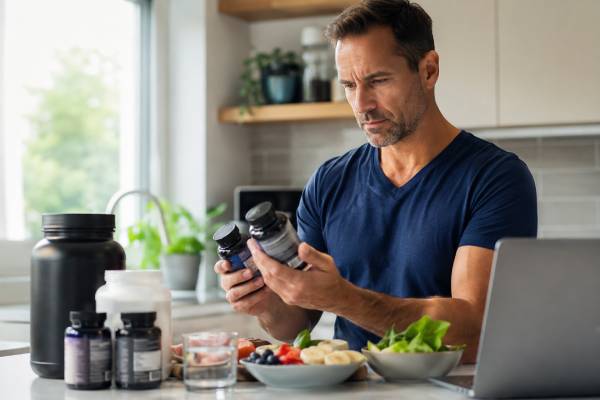
Testosterone supplements are easy to market because the promise is simple: more energy, better workouts, stronger libido, faster fat loss, and a sharper mood. The reality is less dramatic. Most “testosterone booster” products do not raise testosterone in a meaningful way for men who already have normal levels.
That does not mean every supplement is useless. A few ingredients have limited but interesting evidence. Some nutrients help when a man is deficient. Others support sleep, stress control, training recovery, or fertility without directly “boosting” hormones. The key is knowing the difference between fixing a real bottleneck and buying a label full of big claims.
The smartest approach is to start with labs, symptoms, and the likely reason testosterone is low. A supplement that helps a zinc deficiency will not do much for untreated sleep apnea, heavy alcohol use, obesity, anabolic steroid suppression, pituitary disease, or normal aging with normal hormone levels.
Table of Contents
- Quick Answer: Which Testosterone Supplements Are Worth Considering?
- Test First: Why Labs Matter More Than the Label
- Supplements With the Best, But Still Limited, Evidence
- Nutrients That Help Mainly When You Are Low
- Popular Testosterone Boosters That Are Mostly Hype
- How to Choose a Safer Supplement
- When Supplements Are Not Enough
- A Practical Plan Before You Buy Anything
Quick Answer: Which Testosterone Supplements Are Worth Considering?
The best supplement for testosterone is not the strongest-looking bottle. It is the one that matches a real problem: a deficiency, poor sleep, high stress, inadequate food intake, or a specific health goal such as fertility support.
For most men, the evidence breaks down like this:
| Supplement or ingredient | Best fit | What to expect | Main caution |
|---|---|---|---|
| Zinc | Men with low zinc intake or deficiency risk | Helps restore normal function when zinc is low; not a reliable booster if intake is already adequate | High doses can cause copper deficiency and stomach upset |
| Vitamin D | Men with low vitamin D on bloodwork | Supports general health and may help hormone balance if deficient | Very high doses can raise calcium and harm kidneys or heart rhythm |
| Ashwagandha | Men with stress, poor sleep, or mild fertility concerns | Some trials show modest testosterone or semen improvements, but results vary | Possible liver, thyroid, sedation, and medication-interaction concerns |
| Tongkat ali | Men looking for a single-ingredient herbal option | Some evidence suggests possible benefit, especially in selected groups | Product quality varies; can cause restlessness or irritability in some men |
| Magnesium | Men with low intake, heavy sweating, or poor diet quality | More useful for deficiency, sleep, and muscle function than direct hormone boosting | High doses can cause diarrhea; kidney disease needs medical guidance |
| Creatine | Men training for strength, power, or muscle retention | Good evidence for performance, but not a true testosterone booster | Choose plain creatine monohydrate; avoid overloaded blends |
| Tribulus, D-aspartic acid, maca, horny goat weed | Usually not the best first choice | Often marketed heavily; testosterone results are inconsistent or weak | Can distract from testing and more effective fixes |
A useful rule: supplements are most likely to help when they correct something specific. If your diet is low in zinc, zinc matters. If your vitamin D level is low, vitamin D matters. If stress and poor sleep are crushing your recovery, a calming herb might help indirectly. If your testosterone is repeatedly low because of a medical condition, an over-the-counter capsule is unlikely to solve it.
Also separate “raising testosterone” from “feeling better.” Creatine may help strength. Protein powder may help you hit nutrition goals. Magnesium may improve sleep quality in some men. Those are useful effects, but they are not the same as reversing clinically low testosterone.
Test First: Why Labs Matter More Than the Label
Before choosing a supplement, confirm whether testosterone is actually low. Fatigue, low motivation, belly fat, weaker erections, poor sleep, low mood, and slower gym progress have many possible causes. Testosterone is one of them, but it is not the only one.
A proper evaluation usually starts with a morning blood test, because testosterone follows a daily rhythm and is often highest earlier in the day. One low result is not enough by itself. Illness, poor sleep, calorie restriction, hard training, alcohol, medications, and timing can all affect a single reading. Men with symptoms often need repeat testing and a broader look at related markers.
The most useful starting point is total testosterone. Free testosterone, sex hormone-binding globulin, luteinizing hormone, follicle-stimulating hormone, prolactin, thyroid markers, blood count, metabolic labs, and vitamin D may also matter depending on the situation. If you are trying to understand the timing of labs, morning testosterone testing is especially important.
Symptoms matter as much as the number
A slightly low number without symptoms is different from repeated low levels with low libido, fewer morning erections, infertility, loss of body hair, reduced muscle mass, depressed mood, or unexplained anemia. On the other hand, symptoms alone do not prove low testosterone. Sleep apnea, depression, chronic stress, heavy alcohol use, diabetes, thyroid disease, anemia, and medication side effects can look similar.
That is why a supplement-first approach often wastes time. A man with untreated sleep apnea may buy zinc, ashwagandha, and tongkat ali, then feel disappointed when energy stays low. His main issue was oxygen drops and broken sleep, not a missing herb.
For men comparing lab types, free testosterone and total testosterone can tell different parts of the story, especially when SHBG is high or low.
Look for the cause, not just the score
Low testosterone is a finding, not a complete diagnosis. Common contributors include:
- Poor sleep or untreated sleep apnea
- Obesity, especially higher visceral fat
- Heavy alcohol intake
- Anabolic steroid or prohormone use
- Opioids, glucocorticoids, and some psychiatric medications
- Severe calorie restriction or overtraining
- Pituitary or testicular disorders
- Chronic illness, diabetes, liver disease, or kidney disease
- Aging plus other health problems
If a supplement does not address the cause, the effect will be small or temporary. Lifestyle changes that improve sleep, body composition, and metabolic health often do more for hormone function than a booster blend. A guide to natural testosterone support is a better foundation than chasing one ingredient.
Supplements With the Best, But Still Limited, Evidence
A few ingredients deserve a closer look because they have more human research than the average booster. “More research” does not mean guaranteed results. It means they are more plausible than the usual proprietary blend.
Ashwagandha
Ashwagandha is an herbal extract often used for stress, sleep, exercise recovery, and sexual health. Some studies in men show improvements in testosterone, semen parameters, strength, or perceived stress. The most reasonable explanation is not that ashwagandha acts like testosterone therapy. It likely helps some men by reducing stress load, improving sleep, or affecting hormone signaling in a milder way.
It is most worth considering when stress, poor recovery, or sleep disruption are part of the picture. It is less compelling for a man with excellent sleep, normal stress, solid nutrition, and normal labs who simply wants a major hormone jump.
Choose a standardized root extract from a reputable brand. Avoid mega-dose products and blends that hide the amount. Men with thyroid disease, autoimmune conditions, liver disease, sedative use, or multiple medications should be cautious. Stop using it and seek medical advice if you develop jaundice, dark urine, severe fatigue, itching, right upper abdominal pain, or unusual digestive symptoms.
For a deeper look at this herb’s tradeoffs, see ashwagandha for men.
Tongkat ali
Tongkat ali, also called Eurycoma longifolia or longjack, is one of the more popular herbal options. Some studies suggest possible benefits for testosterone, sexual function, or stress-related hormone patterns, but the evidence is still limited and product quality is a major issue.
It is best viewed as a possible option, not a proven treatment. The men most likely to notice benefit are those with mild symptoms, borderline labs, high stress, or lower baseline testosterone rather than men with clear medical hypogonadism.
Look for a product that states the extract ratio or standardization, gives a clear dose, and has third-party testing. Avoid products that combine tongkat ali with stimulants, yohimbe, “estrogen blockers,” or hidden performance-drug language. Side effects can include restlessness, irritability, sleep disruption, or a wired feeling. If a supplement makes sleep worse, it may hurt testosterone more than it helps.
You can compare evidence, dosing, and cautions in more detail in tongkat ali for testosterone.
Fenugreek
Fenugreek appears in many men’s health products. Some extracts have shown modest effects on libido, strength measures, or testosterone-related markers in certain trials. The results are not consistent enough to call it a reliable testosterone treatment.
Fenugreek may be more interesting for sexual well-being than for producing a large testosterone increase. It can also affect digestion, body odor, and blood sugar. Men taking diabetes medication or blood thinners should speak with a clinician before using it.
The label matters. “Fenugreek seed powder” and a standardized extract used in a study are not automatically equivalent. A common mistake is reading a positive trial on one extract, then buying a cheap blend with an unclear dose and expecting the same result.
Boron
Boron is a trace mineral involved in mineral metabolism and steroid hormone pathways. It is often promoted as a free-testosterone booster because it may affect SHBG and inflammation-related markers. The research is interesting but not strong enough to justify high-dose, long-term use for most men.
If boron is used, it should be treated as a low-dose experiment, not a core strategy. More is not better. A reasonable supplement plan does not stack boron on top of several other hormone-targeted ingredients without a clear reason.
Men who want a closer look at evidence and safe-use limits can review boron and testosterone before adding it.
Nutrients That Help Mainly When You Are Low
Deficiency-based supplements are less exciting than “boosters,” but they are often more rational. Testosterone production needs enough energy, protein, fat, minerals, and vitamins. If one of those is missing, correcting it helps the body work normally. If nothing is missing, extra capsules rarely push hormones beyond normal in a useful way.
Zinc
Zinc is important for reproductive health, immune function, wound healing, and normal hormone production. Men at higher risk of low zinc include those with very low meat or seafood intake, restrictive diets, gastrointestinal disease, heavy alcohol use, or poor overall nutrition.
Zinc supplementation makes the most sense when intake is low or deficiency is suspected. It is not a shortcut for men already getting enough from food. Oysters, beef, crab, pork, fortified cereals, dairy, beans, nuts, and seeds all contribute zinc, though plant sources are less efficiently absorbed because phytates reduce absorption.
Do not treat zinc like a harmless daily megadose. Long-term high intake can lower copper, contribute to anemia or nerve problems, and cause nausea or a metallic taste. Many multivitamins, immune products, and testosterone blends already contain zinc, so it is easy to stack more than intended.
For practical dosing and who benefits most, see zinc and testosterone.
Vitamin D
Vitamin D is commonly linked with testosterone because low levels often travel with obesity, poor health, limited sun exposure, and low activity. Correcting a low vitamin D level is sensible for bone, muscle, immune, and general health. The testosterone effect is less predictable.
The best use of vitamin D is lab-guided. A blood test for 25-hydroxyvitamin D shows whether you are low, sufficient, or taking too much. Men with darker skin, little sun exposure, obesity, malabsorption, vegan diets, or certain medications have higher deficiency risk.
Avoid very high-dose vitamin D unless prescribed and monitored. Excess vitamin D can raise calcium levels and lead to kidney stones, kidney damage, abnormal heart rhythm, or soft-tissue calcification. A supplement meant to support long-term health should not create a new problem.
For men trying to separate evidence from claims, vitamin D and testosterone explains why testing matters.
Magnesium
Magnesium supports muscle function, nerve signaling, glucose metabolism, and sleep quality. Men who sweat heavily, eat few whole grains and legumes, drink heavily, or use certain medications may have lower intake.
Magnesium is not a dramatic testosterone booster. Its value is more indirect: better sleep, fewer cramps in some men, improved diet quality, and correction of low intake. Magnesium glycinate is often easier on the stomach than some forms, while magnesium citrate may loosen stools.
Men with kidney disease should not supplement magnesium without medical guidance, because impaired kidneys may not clear excess magnesium normally.
Protein, calories, and dietary fat
Not every useful “supplement” is a hormone product. Protein powder can help men who struggle to hit protein targets. Creatine can improve strength and power. Omega-3s may support heart health when fish intake is low. These do not need to raise testosterone to be useful.
Very low-calorie diets, crash cuts, and ultra-low-fat eating patterns can reduce libido, training performance, and hormone output. A man dieting aggressively may not need a booster. He may need a slower fat-loss plan, enough dietary fat, enough protein, and better recovery.
Popular Testosterone Boosters That Are Mostly Hype
Many testosterone products rely on familiar names that sound scientific or exotic but have weak real-world support. The problem is not always that an ingredient does nothing. The problem is that the marketing promises far more than the evidence supports.
Tribulus terrestris
Tribulus is one of the classic testosterone-booster ingredients. It has a long history in libido and performance marketing, but human studies have not shown reliable testosterone increases in healthy men. Some men report libido changes, but libido is not the same as a confirmed hormone rise.
If a product’s main claim rests on tribulus, be skeptical. It is often included because shoppers recognize it, not because it is the strongest option.
D-aspartic acid
D-aspartic acid became popular because early research suggested possible effects on luteinizing hormone and testosterone. Later findings were inconsistent, especially in resistance-trained men. Some studies show no meaningful benefit, and higher doses are not clearly better.
It is not a smart first-line choice for men with low testosterone symptoms. Testing, sleep, weight, medication review, and deficiency correction are more useful.
Maca
Maca is often sold for libido, mood, and sexual function. It may help some men feel better sexually, but it is not a proven testosterone booster. That distinction matters. A supplement can affect desire, energy, or mood without raising testosterone.
Maca is better viewed as a sexual wellness supplement than a hormone treatment.
DHEA and prohormones
DHEA is a hormone precursor, not a basic nutrient. It can shift androgen and estrogen levels and may cause acne, oily skin, hair shedding, mood changes, breast tenderness, or changes in prostate-related monitoring. It is also a concern for athletes subject to drug testing.
Prohormones and “legal steroid” products are higher risk. Some act more like drug-like hormone products than supplements. They can suppress the body’s own testosterone production, harm fertility, worsen lipids, raise blood pressure, and stress the liver. Men should not confuse these with vitamin or mineral support.
If the goal is avoiding hormone shutdown, be especially cautious with anything marketed as extreme, anabolic, or cycle-based. The risks overlap with issues discussed in anabolic steroid side effects.
Proprietary testosterone blends
A proprietary blend lets a company list ingredients without showing the exact amount of each one. That is a red flag for hormone products. You cannot judge dose, compare it with research, or know which ingredient caused a side effect.
Avoid blends that promise:
- “Clinically proven testosterone surge” without naming the exact studied extract
- “Free testosterone explosion”
- “Estrogen blocker” without medical monitoring
- “Works like TRT”
- “No side effects”
- “Results in days”
- Huge ingredient lists with tiny total capsule weight
The more dramatic the promise, the more careful you should be.
How to Choose a Safer Supplement
A testosterone supplement should pass a basic quality test before you think about results. Supplements are not approved like prescription drugs before they reach the market, so label quality, contamination risk, and hidden ingredients matter.
Use this checklist before buying:
- Choose single-ingredient products when possible.
- Look for third-party testing from groups such as USP, NSF, Informed Choice, or ConsumerLab.
- Avoid proprietary blends.
- Avoid products with stimulant-heavy formulas.
- Check the exact form and dose of each ingredient.
- Be cautious with “estrogen blocker,” “prohormone,” “anabolic,” or “cycle support” language.
- Avoid stacking several testosterone products at once.
- Check your multivitamin so you do not double-dose zinc, vitamin D, or magnesium.
- Stop if you develop new chest pain, severe anxiety, jaundice, dark urine, breast tenderness, swelling, severe acne, mood changes, or sleep disruption.
Athletes need extra caution. A supplement can be contaminated with banned substances even when the label looks clean. Sport-tested certification is worth the extra cost if drug testing matters.
Match the dose to the goal
More is not a serious strategy. If a study used a standardized extract at a specific dose, a random high-dose blend is not automatically better. In many cases, higher doses only increase side effects.
For minerals and vitamins, the goal is sufficiency, not excess. For herbs, the goal is a cautious trial with a clear stop point. For performance supplements such as creatine, the goal is a proven dose without unnecessary add-ons.
Track results honestly
Before starting anything, write down what you are trying to improve. Good targets include morning erections, libido, training performance, sleep quality, mood, waist size, or repeat lab results. Vague goals like “feel alpha” make it too easy to credit a supplement for normal ups and downs.
Use one new supplement at a time for 8 to 12 weeks unless a clinician gives other instructions. If you start five products at once, you will not know what helped, what caused side effects, or what wasted money.
When Supplements Are Not Enough
Supplements are not the right answer for every man with low testosterone symptoms. Medical evaluation matters when symptoms are strong, fertility is a priority, or lab results are clearly low.
See a clinician if you have:
- Repeated low morning testosterone
- Very low libido or loss of morning erections
- Infertility or abnormal semen analysis
- Testicular shrinkage or breast enlargement
- New severe fatigue, depression, or weakness
- Headaches or vision changes with low testosterone
- History of anabolic steroid, opioid, or testosterone use
- High prolactin, abnormal LH or FSH, or unexplained anemia
- Severe snoring, choking at night, or daytime sleepiness
- Chest pain, shortness of breath, or major exercise intolerance
Men trying to conceive should be especially careful. Testosterone replacement therapy and anabolic steroids can lower sperm production, sometimes severely. A man can feel better hormonally while fertility gets worse. If fertility matters now or soon, ask about options that preserve sperm production instead of self-treating.
For that specific issue, TRT and fertility is essential reading before starting any hormone treatment.
When medical treatment is different from supplementation
If a man has true hypogonadism, treatment decisions may include testosterone therapy or fertility-preserving medications under supervision. Those decisions require monitoring: testosterone levels, blood count, PSA when appropriate, symptoms, side effects, fertility plans, sleep apnea risk, and cardiovascular history.
A supplement cannot replace that process. It also should not delay care when symptoms are significant. Low testosterone can be a clue to a larger health issue, not just a shopping problem.
Men considering prescribed therapy should understand benefits, limits, and monitoring through testosterone replacement therapy before making a decision.
A Practical Plan Before You Buy Anything
A good testosterone plan is simple, measurable, and based on the most likely bottleneck.
- List your main symptoms. Low libido, fewer morning erections, fatigue, depressed mood, poor gym recovery, infertility, and weight gain point in different directions.
- Get morning labs. Start with total testosterone and repeat if low. Add other tests based on symptoms and clinician guidance.
- Fix the big drivers first. Sleep, alcohol, body weight, resistance training, protein intake, and medication review often matter more than herbs.
- Correct deficiencies. Use zinc, vitamin D, or magnesium when intake or bloodwork suggests a reason.
- Pick one optional herbal supplement. Ashwagandha or tongkat ali is more defensible than a giant blend, but neither is guaranteed.
- Track for 8 to 12 weeks. Watch symptoms, sleep, training, libido, side effects, and labs if appropriate.
- Stop what does not help. Do not keep paying for a product because the label sounds convincing.
- Get medical help for repeated low levels. Especially if fertility, sexual function, mood, or energy is seriously affected.
The best supplement strategy is not aggressive. It is precise. Use nutrients to correct gaps, use herbs cautiously, avoid risky hormone-like products, and do not let marketing replace proper testing.
For many men, the biggest “testosterone booster” is not a capsule. It is losing visceral fat, lifting consistently, sleeping enough, reducing alcohol, treating sleep apnea, and eating enough protein and dietary fat. Supplements can support that foundation. They should not be the foundation.
References
- Do “testosterone boosters” really increase serum total testosterone? A systematic review 2024 (Systematic Review)
- Nonpharmacological Interventions for the Management of Testosterone and Sperm Parameters: A Scoping Review 2022 (Scoping Review)
- Testosterone Therapy in Men With Hypogonadism: An Endocrine Society Clinical Practice Guideline 2018 (Guideline)
- Zinc – Health Professional Fact Sheet 2026 (Fact Sheet)
- Vitamin D – Health Professional Fact Sheet 2025 (Fact Sheet)
- Questions and Answers on Dietary Supplements 2024 (Consumer Information)
Disclaimer
This article is for educational purposes and is not a diagnosis or treatment plan. Testosterone symptoms should be evaluated with appropriate blood tests, medical history, medication review, and fertility goals in mind. Speak with a qualified healthcare professional before using hormone-related supplements, especially if you have liver disease, prostate concerns, infertility, sleep apnea, heart disease, mood symptoms, or take prescription medications.