Bhringraj (Eclipta alba, often listed as Eclipta prostrata) is a classic Ayurvedic herb best known for supporting hair and scalp health, while also carrying a long tradition of use for liver support and skin balance. In many households, bhringraj is less of a “single supplement” and more of a practical ritual—an oil massage for the scalp, a paste for the hairline, or a steady capsule during seasonal transitions when the body feels run down.
What makes bhringraj distinctive is its combination of bitter, plant-protective compounds that are studied for antioxidant and inflammation-modulating activity, plus a traditional reputation for helping hair look thicker, darker, and more resilient over time. Still, bhringraj is not one product. Powder, oil, and standardized extracts can behave differently, and expectations should match the evidence: hair benefits are most strongly supported by traditional use and preclinical data, while human research remains limited. Used thoughtfully, bhringraj can fit into a realistic plan for stronger hair habits, calmer scalp care, and gentle metabolic and liver-focused support.
Quick Overview
- Consistent bhringraj oiling may improve scalp comfort and reduce the look of breakage over time.
- Standardized extracts are often used to support liver resilience and oxidative balance.
- Typical intake is 1–3 g/day of powder or 250–500 mg/day of extract (label strength varies).
- Avoid ingesting essential oil preparations; use only products intended for internal use.
- Avoid during pregnancy, and use caution with low blood pressure, diuretics, and blood sugar-lowering medications.
Table of Contents
- What is bhringraj and whats in it
- Does bhringraj help hair growth
- Does bhringraj support liver health
- Other health benefits and uses
- How to use bhringraj in practice
- How much bhringraj per day
- Is bhringraj safe and effective
What is bhringraj and whats in it
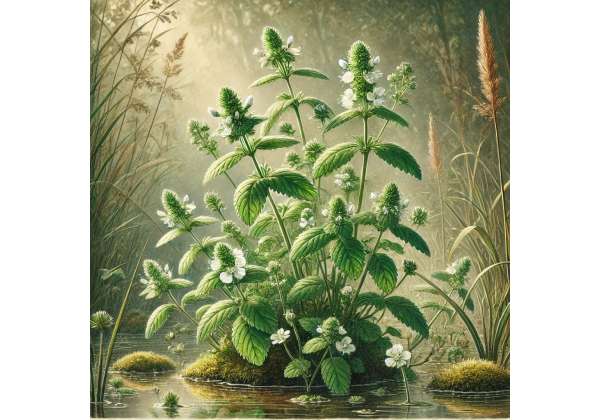
Bhringraj is a small, hardy plant in the daisy family (Asteraceae) that grows in warm, moist climates and is commonly found near fields and waterways. In Ayurveda it is often described as a “rejuvenating” herb for the head and skin, and its traditional name is closely tied to hair: bhringraj is used in oils, powders, and pastes aimed at helping hair look healthier and more deeply conditioned.
Because labeling varies, you may see bhringraj listed as Eclipta alba or Eclipta prostrata. Many modern botanical references treat them as the same plant for practical purposes, but the key takeaway is this: quality and standardization matter more than the exact synonym on the front label. If a product does not clearly identify the species, plant part, extraction ratio, or testing, it is harder to predict what you are getting.
Key active compounds
Bhringraj contains several groups of phytochemicals that help explain why it is used for both cosmetic and wellness goals:
- Coumestans (commonly discussed: wedelolactone and related compounds)
Often associated with antioxidant activity and inflammation-modulating pathways in laboratory studies. - Flavonoids (such as luteolin and apigenin in some preparations)
These are widely found in medicinal plants and are often linked to oxidative balance, skin-calming effects, and vascular resilience. - Triterpenes (including ursolic-acid-type compounds reported in the plant family)
Traditionally associated with skin and scalp applications and sometimes explored for hair follicle support in preclinical work. - Saponins and sterols
These may contribute to the “conditioning” feel of bhringraj pastes and oils and are often part of why the herb is used topically.
What “medicinal properties” means in real life
People tend to use bhringraj for three practical reasons:
- Hair ritual support: improving the scalp environment (less dryness, less irritation), reducing breakage behaviors through oiling and massage, and supporting a consistent routine.
- Liver and digestion support: traditionally used when appetite feels sluggish, skin looks dull, or after periods of heavier eating or alcohol.
- Skin calming and recovery: used in pastes or oils when the skin feels reactive.
A helpful way to think about bhringraj is that it is not a fast-acting “stimulator.” It is more like a conditioning herb—one that may help the body and scalp handle stressors better when used steadily. If you want quick results, bhringraj is rarely dramatic. If you want a long-game routine, it can be a useful tool.
Does bhringraj help hair growth
Bhringraj is one of the most searched herbs for “hair growth,” but the most realistic promise is slightly different: bhringraj is best positioned to support scalp health and hair quality, which can indirectly support fuller-looking hair over time. When the scalp is calmer and hair breaks less, density often looks better—even if follicle biology has not changed dramatically.
What bhringraj may help with
In everyday use, bhringraj is commonly used for:
- Hair fall from breakage: oiling reduces friction and dryness, which can reduce snapping and split ends.
- Scalp comfort: some people report less tightness, dryness, or itch when the scalp is regularly conditioned.
- Hair appearance: shine, smoothness, and a darker, “inkier” look are often mentioned in traditional use (especially when paired with consistent oiling).
- Stress-related shedding support: not as a direct anti-stress herb, but as a routine that encourages sleep-friendly habits and gentle self-care.
What bhringraj is unlikely to do
It is less likely to reverse significant androgen-driven hair loss on its own. If hair loss is driven by genetics, hormones, autoimmune issues, iron deficiency, thyroid imbalance, or medication effects, bhringraj should be treated as supportive care, not primary treatment.
How to get the most value from bhringraj for hair
Bhringraj works best when you treat it as part of a system:
- Scalp environment: regular cleansing that fits your scalp type (not over-stripping, not leaving heavy buildup).
- Mechanical protection: oiling, gentle detangling, protective styles, and reduced heat damage.
- Nutrient basics: adequate protein, iron status, zinc, and overall calorie sufficiency.
- Time: hair cycles are slow. A fair trial is usually 8–12 weeks, and many people judge it best at 3–6 months.
If you want to build a traditional “hair tonics” approach, bhringraj is often paired with amla. Amla is used in many hair oils and masks because it supports a glossy finish and provides a strong antioxidant profile that fits scalp care routines. If that pairing fits your goals, you can explore amla uses for hair vitality and antioxidant support as a complementary option.
A simple expectation check
A good bhringraj result often looks like this: less scalp reactivity, fewer broken hairs around the hairline, and hair that feels softer and more manageable. If those things improve, overall fullness may improve secondarily. If you are looking for rapid regrowth in sparse areas, bhringraj alone is usually not the highest-yield strategy.
Used consistently, bhringraj can be a meaningful “foundation habit” for hair—especially for people whose main issue is dryness, breakage, or an irritated scalp that benefits from regular conditioning.
Does bhringraj support liver health
Bhringraj has a strong traditional reputation as a liver-supportive herb, often used in Ayurvedic contexts for sluggish digestion, jaundice-like symptoms in traditional descriptions, and skin concerns thought to reflect internal “heat.” In modern terms, it is best framed as a plant that may support oxidative balance and inflammatory signaling, which are relevant to liver resilience—especially when lifestyle factors are already improving.
What “liver support” can realistically mean
The liver has several major jobs: processing nutrients, managing fats, metabolizing hormones, and helping neutralize compounds for elimination. When people say a herb “supports the liver,” they usually mean one of these practical outcomes:
- supporting antioxidant defenses during periods of higher oxidative stress
- supporting healthy bile flow and digestion comfort for some individuals
- supporting lab markers in certain contexts (often studied in animals, less often in humans)
- supporting recovery habits by anchoring routines (consistent meals, less alcohol, improved sleep)
Bhringraj is not a substitute for medical evaluation if you have symptoms of liver disease, persistent fatigue, yellowing of the eyes, dark urine, unexplained itching, or abnormal liver enzymes. In those cases, the priority is clinical care.
Where bhringraj may fit best
Bhringraj is most often used as supportive care when someone is working on:
- reducing alcohol frequency or quantity
- improving diet quality after a stretch of heavier food intake
- supporting metabolic patterns tied to fatty liver risk (weight gain around the waist, high triglycerides, insulin resistance)
- skin dullness or breakouts that worsen with dietary stress
In practice, bhringraj tends to be “one piece” in a liver-support plan, not the plan itself. If you want a clear contrast, milk thistle is often chosen specifically for liver-focused protocols and has a long history of use in that lane. Comparing approaches can be helpful, and milk thistle liver support strategies and active compounds offers a useful reference point.
How to judge whether it is helping
Subjective signs (which can be influenced by many factors) may include steadier digestion, less heaviness after meals, or improved skin clarity. More objective signals depend on your reason for using it:
- If you are using bhringraj as part of a clinician-guided plan, trends in ALT, AST, GGT, and triglycerides may be tracked.
- If you are using it for general resilience, consistency may matter more than measuring.
A practical way to use bhringraj for liver support is to pair it with the behaviors that reduce liver workload: more fiber, fewer ultra-processed foods, consistent movement, and alcohol moderation. In that context, bhringraj can serve as a steady, low-drama companion—an herb that supports the broader direction you are already taking.
Other health benefits and uses
While hair and liver support get most of the attention, bhringraj is also used for a wider set of wellness goals. The most credible way to interpret these uses is through the lens of anti-inflammatory and antioxidant support, plus practical topical applications that help the skin barrier stay calm.
Skin calming and barrier support
Bhringraj pastes and oils are often used traditionally for:
- dry, reactive patches
- post-sun discomfort (as a soothing oil blend, not as sun protection)
- minor irritation that benefits from gentle occlusion and plant-based antioxidants
If you are using bhringraj topically, it helps to think like a dermatologist: most “herbal results” come from improving barrier function and lowering irritation triggers, not from forcing the skin to change overnight. Patch testing matters, especially for sensitive skin types.
Inflammation and recovery balance
Many people reach for bhringraj during times of higher stress, poor sleep, or heavy schedules. Some use it because they feel it supports recovery, particularly when paired with scalp massage or evening routines that downshift the nervous system. The herb itself may support oxidative balance, but the ritual around it often does a lot of the work: slower breathing, less screen time, and a consistent wind-down habit.
Metabolic and cardiovascular context
A smaller body of human research exists for Eclipta leaf preparations in metabolic and cardiovascular contexts, with traditional use as a diuretic-like herb in some systems. Practically, that means some people may notice:
- increased urination when taken in higher doses
- mild blood pressure lowering tendencies
- better tolerance when dosing is split and taken with food
This is not a reason to self-treat hypertension, but it is a reason for caution if you already run low on blood pressure or take antihypertensives.
Scalp microbiome and “itch cycles”
Some scalp problems are driven by cycles: irritation leads to scratching, scratching worsens inflammation, and product buildup adds fuel. A bhringraj oil routine can help break that cycle for some people by adding slip, reducing friction, and encouraging gentler handling. If you also want a stronger antimicrobial-leaning botanical comparison for skin and scalp issues, neem medicinal properties and natural ingredients is often discussed in traditional skin care routines, though it has a different scent profile and tolerance varies.
The main message: bhringraj has a broad traditional footprint, but its best use is still practical and grounded—supporting hair routines, skin comfort, and resilience habits rather than acting as a dramatic standalone cure.
How to use bhringraj in practice
Bhringraj can be used topically, internally, or both, but the method you choose should match your goal. For hair and scalp, topical use is usually the first-line approach. For liver and general resilience, standardized oral preparations are more common.
Common forms you will see
- Bhringraj oil: either infused herb in a carrier oil or blended oil formulas.
- Powder (churna): used in teas, pastes, or mixed into food.
- Capsules or tablets: often standardized extracts, sometimes combined with other herbs.
- Liquid extracts: tincture-style products (alcohol or glycerin-based).
Topical use for hair and scalp
A practical, low-effort routine looks like this:
- Warm a small amount of bhringraj oil between your palms.
- Apply to the scalp in sections and massage gently for 3–5 minutes.
- Pull the remaining oil through the lengths, focusing on ends.
- Leave on for 30–120 minutes (or overnight if your scalp tolerates it).
- Wash out with a gentle cleanser; double-cleansing may help if the oil is heavy.
If you are choosing a carrier oil, coconut oil is a common base in hair traditions because it is stable and can reduce the feeling of dryness and friction in many hair types. If you want a deeper overview of how coconut-based routines fit into hair and skin care, coconut uses, active compounds, and practical applications may help you choose between coconut, sesame, or lighter oils depending on your scalp.
Powder masks and pastes
Powder is popular for DIY masks. A simple paste can be made by mixing bhringraj powder with warm water, aloe gel, or yogurt (if tolerated), then applying to the scalp and hair for 10–20 minutes before rinsing. Keep these points in mind:
- Pastes can be drying if left on too long.
- If you have a sensitive scalp, avoid acidic add-ins and keep contact time short.
- Rinse thoroughly; residue can cause itch.
Internal use for wellness goals
If you are using bhringraj internally:
- choose products intended for ingestion (not essential oils)
- prefer labels with clear plant part, extraction ratio, and testing
- take with food at first to assess tolerance
Choosing a quality product
Because herbal quality varies, look for:
- species clearly listed (Eclipta alba or Eclipta prostrata)
- the plant part used (leaf, aerial parts, whole plant)
- third-party testing for contaminants (especially heavy metals and microbes)
- a clear dosage per serving and no vague “proprietary blend” hiding the amount
The best bhringraj routine is the one you can repeat. Topical consistency usually beats “perfect recipes,” and internal use should be approached like a structured trial rather than a forever habit by default.
How much bhringraj per day
Bhringraj dosage depends on whether you are using a traditional powder, a standardized extract, or topical oil. Label strength varies widely, so it helps to think in ranges and then anchor your choice to the product you have.
Typical oral dosage ranges
These are practical ranges commonly used in wellness routines:
- Powder (churna): 1–3 g/day
Often split into 1–2 doses. Many people start at 1 g/day for a week, then increase if well tolerated. - Standardized extract capsules: 250–500 mg/day
Some people use up to 1,000 mg/day depending on concentration, but higher dosing should be approached cautiously and ideally with clinician guidance if you take medications. - Tea or infusion: amounts vary, but a common approach is 1–2 cups/day made from a measured teaspoon of powder or dried herb, taken with food if the taste is bitter or the stomach is sensitive.
If your product combines bhringraj with other herbs, use the bhringraj amount as the reference point and avoid stacking multiple “hair blends” during your first month. Clarity matters more than complexity.
Timing and duration
- For hair goals, a fair trial is usually 8–12 weeks, with the most meaningful “feel” changes often appearing earlier (less dryness, easier detangling).
- For liver and resilience goals, many people use bhringraj for 4–12 weeks, then reassess whether it is still needed.
A practical schedule that improves consistency:
- Morning: with breakfast (capsule or powder in warm water)
- Evening: topical oiling 2–4 nights per week, or a second oral dose if your routine calls for it
Topical oil frequency
- 2–4 times per week is a realistic rhythm for most people.
- If scalp dryness or irritation is the main issue, lighter, more frequent use may be better than heavy oiling once weekly.
- If you have an oily scalp or buildup-prone hair, shorter contact time (30–60 minutes) and thorough cleansing often works better than overnight oiling.
How to adjust dose safely
Reduce the dose or pause if you notice:
- lightheadedness or unusually low energy (especially if you run low on blood pressure)
- increased urination that feels excessive or dehydrating
- stomach upset that persists beyond several days
- new skin irritation from topical use
The safest approach is to start low, increase slowly, and keep other changes steady so you can tell what is helping. If you want bhringraj to be a reliable tool, treat dosing like a calm experiment, not a guess.
Is bhringraj safe and effective
Bhringraj is widely used and often well tolerated, but “safe” depends on the form, dose, and your health context. This is especially important because bhringraj can appear in highly concentrated extracts, multi-herb blends, and topical oils that may include other strong ingredients.
Common side effects
Oral use may cause:
- mild stomach upset, nausea, or bitterness-related reflux (often improved by taking with food)
- increased urination in some people
- mild lightheadedness if blood pressure runs low
Topical use may cause:
- irritation if the product is heavily fragranced or mixed with other essential oils
- follicle clogging or itch from buildup if oil is not washed out thoroughly
- sensitivity reactions, especially in people who react to plants in the daisy family
Interactions and who should avoid it
Use caution or avoid bhringraj supplements if you are:
- pregnant or breastfeeding (insufficient safety data for concentrated extracts)
- taking blood pressure medications or have naturally low blood pressure
- taking diuretics, since overlapping effects may increase dehydration risk
- taking blood sugar-lowering medications, because supportive metabolic herbs can sometimes add to glucose-lowering strategies
- allergic to Asteraceae (daisy family) plants, especially if you have a history of contact dermatitis
Also consider a quality issue that is often overlooked: some traditional herbal products can be contaminated with heavy metals, pesticides, or microbes if sourcing and testing are poor. This is not a reason to avoid bhringraj entirely, but it is a strong reason to choose brands that publish contaminant testing.
What the evidence actually supports
The strongest support for bhringraj is:
- long-standing traditional use for hair and scalp routines
- preclinical and laboratory research exploring antioxidant and anti-inflammatory pathways
- limited human research suggesting physiological effects in specific contexts
The weakest area is high-quality, large-scale human trials for hair regrowth. That matters because “hair growth” is a high-hope category. If your expectation is dramatic regrowth, bhringraj will often disappoint. If your expectation is improved scalp condition and hair manageability over months, it is a better fit.
How to use it responsibly
A responsible bhringraj plan looks like this:
- choose one form (oil or capsule) and use it consistently
- track one meaningful outcome (hair breakage, scalp itch, shedding counts, or lab markers if clinician-guided)
- reassess at 8–12 weeks
- discontinue if adverse effects appear, and seek guidance if you take prescriptions
In short, bhringraj is often safe for many adults when used as intended and sourced carefully. Its effectiveness is most convincing for supportive care—especially routines that reduce scalp irritation and hair breakage—while stronger clinical claims should be treated as “promising but not proven.”
References
- Eclipta prostrata (L.) L. (Asteraceae): Ethnomedicinal Uses, Chemical Constituents, and Biological Activities 2021 (Review)
- Antioxidant Effects of E. alba: A Narrative Review 2024 (Review)
- Identification and Integrative Discovery of Anti-Inflammatory Compounds Isolated from Eclipta prostrata (L.) L. by Network Pharmacology, Molecular Docking, and In Vitro Evaluation 2025 (Mechanistic Study)
- The Future of Alopecia Treatment: Plant Extracts, Nanocarriers, and 3D Bioprinting in Focus 2025 (Review)
- Diuretic, hypotensive, and hypocholesterolemic effects of Eclipta alba in mild hypertensive subjects: a pilot study 2007 (Human Study)
Disclaimer
This article is for educational purposes only and does not provide medical advice, diagnosis, or treatment. Herbal products can vary widely in strength, purity, and quality. Bhringraj supplements may interact with prescription medications, including drugs that affect blood pressure, fluid balance, or blood sugar. If you are pregnant, breastfeeding, managing a medical condition, or taking any prescription medications, consult a qualified clinician or pharmacist before using bhringraj internally. Discontinue use and seek medical guidance if you experience allergic symptoms, significant dizziness, persistent gastrointestinal upset, or worsening skin or scalp irritation.
If this guide was useful, consider sharing it on Facebook, X (formerly Twitter), or your preferred platform so others can make more informed decisions about herbal self-care.