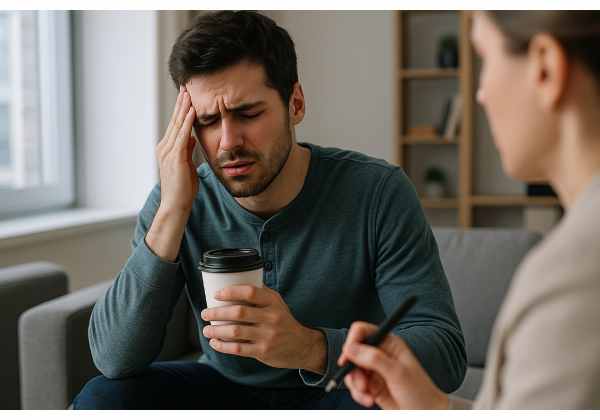
Caffeine can sharpen alertness for some people, but in others it can push the body into a state that feels frighteningly similar to anxiety or panic. Caffeine-induced anxiety disorder refers to anxiety or panic symptoms that are closely linked to caffeine exposure, intoxication, or withdrawal and are significant enough to cause distress or interfere with daily functioning.
This is different from simply feeling a little jittery after coffee. The key issue is not caffeine use alone, but a clear pattern in which caffeine is capable of producing prominent anxiety symptoms, the timing fits, and other explanations are less likely. Understanding that distinction matters because caffeine can mimic anxiety disorders, intensify existing anxiety, disturb sleep, and create physical symptoms that are easy to misread as a heart, thyroid, neurological, or other medical problem.
Table of Contents
- What Caffeine-Induced Anxiety Disorder Means
- How Caffeine Can Trigger Anxiety
- Symptoms and Signs to Recognize
- Causes and Caffeine Exposure Patterns
- Risk Factors That Increase Vulnerability
- Diagnostic Context and Similar Conditions
- Complications and Urgent Warning Signs
What Caffeine-Induced Anxiety Disorder Means
Caffeine-induced anxiety disorder is a substance-related anxiety condition in which anxiety or panic symptoms develop because of caffeine’s physiological effects. The symptoms are more intense, persistent, impairing, or clinically significant than ordinary alertness or mild restlessness.
Caffeine is a psychoactive stimulant. It is found in coffee, espresso, tea, matcha, yerba mate, cola, energy drinks, pre-workout products, caffeine tablets, some headache medicines, and concentrated powders or liquids. Because caffeine is legal, familiar, and socially accepted, people may not immediately consider it a possible cause when anxiety suddenly worsens.
The condition is usually considered within the broader category of substance- or medication-induced anxiety. In practical terms, that means the anxiety is not being viewed only as a separate mental health disorder. Instead, the timing, dose, source, and physiological plausibility of caffeine exposure are central to understanding what is happening.
Several features make caffeine-induced anxiety disorder more likely:
- Anxiety, panic, fear, or intense nervous system arousal appears during or soon after caffeine use, intoxication, or withdrawal.
- The amount and timing of caffeine are capable of producing the symptoms.
- The symptoms cause meaningful distress or interfere with work, school, sleep, relationships, driving, exercise, or routine activities.
- The symptoms are not better explained by another anxiety disorder, medical condition, medication effect, substance use, or delirium.
- The pattern changes when caffeine exposure changes, though this observation alone is not enough for diagnosis.
This distinction is important because many people have occasional caffeine side effects without having a disorder. Mild shakiness after a strong coffee, for example, may be uncomfortable but brief and expected. By contrast, caffeine-induced anxiety disorder may involve repeated panic-like episodes, persistent apprehension, avoidance of situations because of symptoms, or repeated medical worry after caffeine-related palpitations, tremor, dizziness, or chest tightness.
It can also overlap with existing anxiety. Someone with panic disorder, generalized anxiety, social anxiety, trauma-related symptoms, or health anxiety may find that caffeine acts like an amplifier. In that situation, the clinical question becomes whether caffeine is the main driver, a trigger layered onto another condition, or one of several contributing factors. Related reading on caffeine and anxiety can help clarify why dose and individual sensitivity matter, but diagnosis depends on the full clinical picture rather than caffeine intake alone.
How Caffeine Can Trigger Anxiety
Caffeine can trigger anxiety because it stimulates the central nervous system and body systems involved in alertness, heart rate, breathing, and stress arousal. In sensitive people, those normal stimulant effects can cross the line into fear, panic, or a sense of being physically unsafe.
The main mechanism involves adenosine. Adenosine is a chemical messenger that helps promote sleepiness and dampen arousal. Caffeine blocks adenosine receptors, which can make a person feel more awake. That same blocking effect can also make the body feel “switched on” when the person is not emotionally prepared for that level of activation.
Caffeine can also increase catecholamine activity, including adrenaline-like effects. This may lead to a faster heartbeat, stronger heartbeat awareness, higher blood pressure in some situations, sweating, tremor, and a feeling of internal urgency. These sensations are not inherently dangerous in most healthy adults, but they can be interpreted by the brain as signs of threat. Once that interpretation starts, fear can further intensify the body’s stress response.
This creates a feedback loop:
- Caffeine increases physical arousal.
- The person notices sensations such as palpitations, shakiness, or shortness of breath.
- The sensations are interpreted as alarming.
- Fear increases sympathetic nervous system activation.
- The body feels even more activated, which reinforces the fear.
This loop is especially relevant for panic symptoms. Panic attacks often involve sudden surges of intense fear with physical symptoms such as racing heart, chest tightness, trembling, dizziness, nausea, chills, heat sensations, tingling, or fear of losing control. Caffeine can create several of those same sensations even before panic begins.
Sleep disruption is another major pathway. Caffeine can remain active long enough to affect nighttime sleep, especially when taken later in the day or in high doses. Poor sleep increases emotional reactivity, reduces stress tolerance, and can make ordinary sensations feel more threatening the next day. That is one reason the relationship among caffeine, anxiety, focus, and sleep can become self-reinforcing.
Caffeine’s effects also vary widely. A dose that feels neutral to one person may feel overwhelming to another. Genetics, liver metabolism, usual caffeine intake, body size, age, sleep debt, medications, hormone states, and underlying anxiety sensitivity can all influence the response. Habitual users may develop tolerance to some effects, but tolerance is not complete protection. A change in dose, brand, brew strength, timing, health status, medication, or sleep can make a previously tolerated routine suddenly feel too stimulating.
Symptoms and Signs to Recognize
The main symptoms are anxiety, panic, fear, or excessive nervous system arousal that appears in a caffeine-linked pattern. The signs can be emotional, cognitive, physical, behavioral, or sleep-related.
Caffeine-induced anxiety often feels physical first. A person may notice their heart pounding, hands trembling, body heating up, breathing feeling shallow, or stomach turning before they consciously feel worried. Because those sensations can be intense, the anxiety may quickly become focused on the body itself.
Common emotional and cognitive symptoms include:
- Sudden nervousness, dread, fear, or unease
- Racing thoughts or a sense that the mind cannot slow down
- Feeling overstimulated, keyed up, or unable to settle
- Irritability or agitation
- Fear of fainting, choking, losing control, or “going crazy”
- Worry that physical sensations signal a serious medical problem
- Heightened sensitivity to noise, light, crowds, or social pressure
Common physical signs include:
- Fast, pounding, or irregular-feeling heartbeat
- Trembling hands or internal shaking
- Sweating, flushing, chills, or heat sensations
- Chest tightness or pressure
- Shortness of breath or air hunger
- Nausea, stomach upset, reflux, or urgent bowel sensations
- Dizziness, lightheadedness, or unsteady feelings
- Muscle tension, jaw clenching, or restlessness
- Headache
- Frequent urination
- Insomnia or lighter, more fragmented sleep
Heart symptoms deserve careful wording. Palpitations can occur with anxiety and stimulant use, and many are not dangerous, but they can feel alarming. A pattern of heart palpitations with anxiety may be caffeine-related in some people, while other cases require medical evaluation to rule out rhythm problems, thyroid disease, medication effects, or other causes.
Behavioral signs may include avoiding exercise because it raises the heart rate, leaving social situations after consuming caffeine, repeatedly checking pulse or blood pressure, avoiding driving or public places after caffeine, or seeking repeated reassurance about bodily sensations. These behaviors can make the condition more disruptive even when the caffeine exposure itself is brief.
The timing can provide an important clue. Symptoms may begin within minutes to a few hours after caffeine intake, depending on the product, dose, food intake, and individual metabolism. In some people, symptoms appear later through sleep disruption, next-day nervous system strain, or withdrawal-related discomfort after a usual caffeine pattern is interrupted.
Causes and Caffeine Exposure Patterns
The direct cause is caffeine’s stimulant effect on the brain and body, but the exposure pattern often explains why symptoms appear. Many episodes are not caused by one obvious cup of coffee but by the total caffeine load across a day.
Caffeine dose can be difficult to estimate because serving sizes and product strengths vary widely. Coffee can differ by bean, brewing method, cup size, and café preparation. Energy drinks may contain caffeine from multiple sources, including guarana or other stimulant ingredients. Pre-workout powders, caffeine tablets, and concentrated products can deliver larger amounts more quickly than a typical beverage.
| Source | Why it matters for anxiety symptoms |
|---|---|
| Brewed coffee and espresso drinks | Strength and serving size vary, and large café drinks may contain multiple espresso shots. |
| Tea, matcha, and yerba mate | Often viewed as gentler, but repeated servings can add up over the day. |
| Energy drinks | May combine caffeine with sugar, guarana, or other stimulants, and labels can be overlooked. |
| Pre-workout products | Can contain high caffeine amounts taken quickly, often before exercise-related heart rate increases. |
| Caffeine pills, powders, or liquids | More concentrated forms increase the risk of dosing errors and toxic exposure. |
| Some medicines and supplements | Headache products, cold remedies, and stimulant-like supplements may add caffeine or caffeine-like effects. |
Several patterns commonly raise concern for caffeine-induced anxiety:
- A sudden increase in intake, such as adding energy drinks to an existing coffee routine
- Larger servings than usual, especially strong café drinks or multiple shots of espresso
- Caffeine taken on an empty stomach, which may make sensations feel more abrupt
- Caffeine combined with poor sleep, dehydration, illness, stress, or intense exercise
- Late-day caffeine that disrupts sleep and worsens next-day anxiety
- Concentrated caffeine products that deliver high doses rapidly
- Hidden caffeine from medications, supplements, chocolate, or multiple beverages
Withdrawal can also be relevant. Caffeine withdrawal is more commonly associated with headache, fatigue, low mood, irritability, and concentration problems, but some people experience anxious agitation or heightened body awareness when their usual intake drops suddenly. In diagnostic terms, caffeine-induced anxiety symptoms may occur during intoxication or withdrawal, provided the timing and symptom pattern fit.
The clinical significance depends on more than milligrams. Many health authorities cite up to 400 mg per day as an amount not generally associated with negative effects for most adults, but this is not a personal safety guarantee. Some people develop anxiety symptoms at much lower amounts, while others tolerate more without prominent anxiety. For psychiatric assessment, the important question is whether caffeine is producing anxiety symptoms in that individual, at that dose, in that context.
Risk Factors That Increase Vulnerability
A person is more vulnerable when caffeine sensitivity, high exposure, anxiety-prone interpretation of body sensations, sleep disruption, or medical factors converge. Risk is not limited to people who consume extreme amounts.
One major risk factor is a history of panic attacks or anxiety disorders. People with panic disorder may be especially sensitive to caffeine because the bodily sensations caffeine produces overlap with panic symptoms. A racing heart, tremor, breathlessness, or dizziness may be enough to trigger catastrophic interpretations, even when the initial stimulant effect is modest.
Anxiety sensitivity is another important factor. This means a person is more likely to fear anxiety-related sensations themselves. For example, a person may interpret a caffeine-related heartbeat change as evidence of a heart attack, or caffeine-related dizziness as a sign they will faint. That fear can escalate symptoms quickly. Distinguishing panic attacks and anxiety disorders from caffeine-triggered episodes may require attention to both timing and broader symptom history.
Sleep loss strongly increases vulnerability. Caffeine is often used to compensate for poor sleep, but insufficient sleep makes the nervous system more reactive. This can create a cycle in which caffeine is used for fatigue, worsens sleep, increases next-day anxiety, and leads to more caffeine use.
Other risk factors include:
- Low or inconsistent caffeine tolerance
- Low body weight or smaller body size
- Adolescence or young adulthood, especially with energy drink use
- Pregnancy or breastfeeding, when caffeine handling and safety considerations differ
- High baseline stress, trauma exposure, or recent major life changes
- Mood disorders with agitation or mixed symptoms
- Certain heart rhythm conditions or blood pressure sensitivity
- Hyperthyroidism or other endocrine conditions that already increase arousal
- Gastrointestinal sensitivity, reflux, or nausea that caffeine may aggravate
- Use of stimulant medications, decongestants, nicotine, or other activating substances
- Medications that slow caffeine metabolism or otherwise change stimulant response
Genetic differences in caffeine metabolism also matter. Some people clear caffeine more slowly, which can make effects last longer or accumulate across the day. Others may be more sensitive to caffeine’s subjective effects even at moderate levels. Smoking status can also affect caffeine metabolism; changes in smoking patterns may change how strongly caffeine is felt.
Medical overlap is especially important because caffeine-induced anxiety can resemble other health problems. Thyroid overactivity, low blood sugar, arrhythmias, asthma medication effects, postural orthostatic tachycardia syndrome, anemia, vestibular problems, and medication side effects can all contribute to anxiety-like symptoms. When symptoms are new, severe, or atypical, clinicians often consider medical conditions that can mimic anxiety rather than assuming caffeine is the only explanation.
Diagnostic Context and Similar Conditions
Diagnosis depends on the relationship between caffeine exposure and anxiety symptoms, not on caffeine intake by itself. A clinician would usually consider timing, dose, symptom type, impairment, medical history, medication use, and whether another condition better explains the presentation.
A careful evaluation may include questions such as:
- What caffeine sources are used, and in what amounts?
- When do symptoms begin after caffeine intake?
- Do symptoms occur on low-caffeine or caffeine-free days?
- Did symptoms start after a change in dose, product, medication, sleep, stress, or health status?
- Are there panic attacks, persistent worry, avoidance behaviors, or sleep changes outside caffeine exposure?
- Are there signs of caffeine intoxication, withdrawal, another substance effect, or a medical condition?
- Has anxiety caused impairment in work, school, caregiving, relationships, driving, or routine functioning?
Screening tools may help identify anxiety severity, but they do not prove that caffeine is the cause. A high score on an anxiety questionnaire can show symptom burden while still leaving open whether the anxiety is primary, caffeine-induced, medically driven, medication-related, or multifactorial. This is why anxiety screening is only one part of the diagnostic picture.
Several conditions may look similar:
- Generalized anxiety disorder: Worry is persistent and not limited to caffeine timing.
- Panic disorder: Panic attacks may occur unexpectedly, with ongoing fear of more attacks.
- Social anxiety disorder: Fear centers on scrutiny, embarrassment, or performance.
- Illness anxiety or health anxiety: Distress centers on feared illness despite reassurance.
- Bipolar spectrum conditions: Agitation, reduced sleep, and increased energy may reflect mood elevation rather than caffeine alone.
- ADHD or stimulant medication effects: Restlessness and concentration changes may overlap.
- Substance-related anxiety from other substances: Nicotine, cannabis, stimulants, decongestants, and some supplements may contribute.
- Medical causes: Thyroid disease, arrhythmias, hypoglycemia, anemia, respiratory problems, and neurological conditions may produce anxiety-like symptoms.
Caffeine intoxication is related but not identical. Intoxication refers to a broader caffeine toxicity pattern after recent high intake, often involving restlessness, nervousness, excitement, insomnia, flushed face, diuresis, gastrointestinal symptoms, muscle twitching, rambling speech, fast or irregular heartbeat, periods of unusually high energy, or psychomotor agitation. Caffeine-induced anxiety disorder focuses specifically on clinically significant anxiety or panic symptoms caused by caffeine.
Clinicians may also consider whether toxicology information is relevant, especially when symptoms follow unknown supplements, energy products, stimulants, or mixed substance exposure. In some mental health and emergency settings, toxicology screening can help clarify whether substances are contributing to new or severe psychiatric symptoms.
A useful diagnostic clue is proportionality. If the symptoms are mild, brief, and expected after caffeine, a disorder diagnosis is less likely. If anxiety is intense, impairing, recurrent, or out of proportion to typical caffeine effects, a formal evaluation becomes more relevant.
Complications and Urgent Warning Signs
The main complications involve panic escalation, sleep disruption, avoidance, impaired functioning, and confusion with other medical or psychiatric conditions. Severe caffeine exposure can also produce dangerous physical effects, especially with concentrated products.
One common complication is a fear-of-sensations cycle. After a caffeine-triggered episode, a person may begin monitoring their heartbeat, breathing, digestion, or dizziness more closely. This monitoring can make normal body fluctuations feel threatening. Over time, the person may avoid exercise, meetings, driving, public transport, social events, or being alone after caffeine because they fear another episode.
Sleep disruption can become another complication. Even when caffeine is taken for fatigue, its effect on sleep can increase next-day emotional reactivity and anxiety. Poor sleep may also worsen concentration, irritability, low mood, and physical tension. This does not mean caffeine is always the only cause, but it can become part of a cycle that maintains symptoms.
Functional complications can include:
- Missed work, school, or appointments after panic-like episodes
- Reduced concentration because of overstimulation or poor sleep
- Repeated reassurance-seeking about heart or neurological symptoms
- Avoidance of normal activities because of fear of symptoms
- Strain in relationships when irritability, insomnia, or panic becomes recurrent
- Increased use of other substances to counteract caffeine effects or fatigue
There are also safety-sensitive situations where urgent professional evaluation may be needed. These include chest pain that is severe, persistent, or accompanied by shortness of breath, fainting, weakness on one side, confusion, seizure, severe agitation, hallucinations, suicidal thoughts, self-harm risk, very fast or irregular heartbeat, or suspected overdose from caffeine pills, powders, liquids, energy products, or mixed substances. Guidance on ER evaluation for mental health or neurological symptoms may be relevant when symptoms are severe, sudden, or difficult to interpret.
Caffeine powders and highly concentrated caffeine products deserve special caution because small measuring errors can produce very large doses. Toxic caffeine exposure can involve vomiting, severe tremor, dangerous heart rhythm changes, seizures, confusion, and in extreme cases death. These situations are not typical caffeine jitters and should not be minimized as ordinary anxiety.
Another complication is misattribution. A person may assume every panic symptom is “just caffeine,” which can delay assessment of a primary anxiety disorder, heart rhythm problem, thyroid condition, medication reaction, or other medical issue. The opposite can also happen: a person may undergo repeated anxiety evaluations without anyone asking about energy drinks, pre-workout powders, caffeine tablets, or strong coffee routines.
The safest interpretation is balanced: caffeine can be a real and clinically significant cause of anxiety symptoms, but it should be considered alongside the broader medical, psychiatric, sleep, medication, and substance-use context.
References
- What is the DSM? 2025 (Official Organization Resource)
- Caffeine 2024 (Clinical Review)
- Spilling the Beans: How Much Caffeine is Too Much? 2024 (Government Consumer Update)
- Caffeine intake and anxiety: a meta-analysis 2024 (Meta-Analysis)
- Effects of caffeine on anxiety and panic attacks in patients with panic disorder: A systematic review and meta-analysis 2022 (Systematic Review and Meta-Analysis)
- The effect of caffeine on subsequent sleep: A systematic review and meta-analysis 2023 (Systematic Review and Meta-Analysis)
Disclaimer
This content is for general educational purposes only and is not a substitute for professional medical advice, diagnosis, or treatment. Anxiety, panic-like symptoms, palpitations, chest discomfort, severe insomnia, or suspected caffeine overdose should be assessed by a qualified health professional, especially when symptoms are new, intense, recurrent, or difficult to explain.
Thank you for taking the time to read this article; sharing it may help someone recognize when caffeine could be playing a meaningful role in anxiety symptoms.