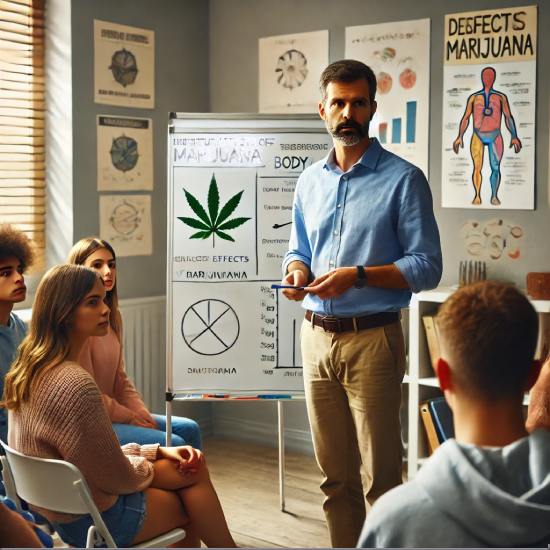
Cannabis addiction, also called marijuana addiction or cannabis use disorder, is often harder to recognize than people expect. The pattern may build slowly: using more often than planned, needing stronger products, struggling to sleep or relax without cannabis, or finding that motivation, mood, and concentration worsen when trying to cut back. For some people, treatment begins after years of saying the drug is “not that serious.” For others, the turning point is anxiety, school or work decline, relationship strain, panic, or repeated failed attempts to stop. Effective care starts with a realistic view of what cannabis treatment actually involves. It is rarely about dramatic detox alone. More often, it combines withdrawal support, practical behavior change, treatment for anxiety or sleep problems, and a recovery plan strong enough to hold up when cravings return. The goal is not only abstinence. It is steadier functioning, better judgment, and a life that does not keep circling back to cannabis.
Table of Contents
- When Cannabis Use Needs Formal Treatment
- Withdrawal and Early Stabilization
- Therapies With the Strongest Evidence
- Medication Research and Symptom Relief
- Anxiety, Sleep, and Co-Occurring Problems
- Outpatient, Family, and Program Support
- Relapse Prevention and Long-Term Recovery
When Cannabis Use Needs Formal Treatment
Cannabis treatment becomes necessary when use is no longer occasional or chosen freely, but starts to shape mood, behavior, time, and daily functioning in ways that are hard to control. Many people with cannabis addiction do not look like the stereotype of a person in crisis. They may still be working, studying, parenting, or socializing. The problem often shows up in quieter ways: delayed responsibilities, blunted motivation, repeated promises to cut back, rising tolerance, and the feeling that sleep, appetite, or calm are no longer reliable without marijuana.
Formal treatment is especially important when cannabis use has moved beyond preference into dependence or compulsion. Common signs include:
- using more often or in larger amounts than intended
- needing higher-potency products, concentrates, or more frequent doses
- repeated unsuccessful efforts to cut down
- cravings that shape the day
- irritability, insomnia, restlessness, or low appetite when trying to stop
- loss of interest in non-cannabis routines or rewards
- worsening school, work, money, or relationship problems
- continued use despite panic, paranoia, memory problems, or low motivation
For some people, the trigger for treatment is not the cannabis itself but the consequences around it. Parents may notice withdrawal from family life, slipping grades, or emotional flattening. Adults may notice they are organizing every evening around getting high, avoiding activities that interfere with use, or needing cannabis to soften stress that once felt manageable. Reviewing the broader pattern of cannabis use disorder signs can help clarify whether the issue is occasional overuse or a more entrenched addiction process.
Treatment should also be considered sooner when the pattern includes high-potency products, frequent vaping, daily edibles, or morning use. These patterns often make withdrawal more noticeable and recovery more complicated. The same is true when cannabis is being used with alcohol, nicotine, stimulants, or sedatives, or when the person has anxiety, depression, trauma, or psychosis risk.
What makes cannabis treatment distinct is that people often delay help because they assume the drug is too common or too mild to require formal care. But common does not mean harmless, and familiar does not mean easy to leave behind. Treatment is warranted when cannabis use repeatedly overrides intention, narrows daily life, or becomes the main tool for sleep, relief, or escape. That is enough to justify structured help.
Withdrawal and Early Stabilization
Cannabis withdrawal is real, clinically meaningful, and one of the main reasons people return to use after trying to stop. It is usually not medically dangerous in the way alcohol or benzodiazepine withdrawal can be, but it can still be disruptive enough to derail recovery. Early treatment works best when people know what withdrawal may feel like, how long it may last, and when symptoms point to a need for closer care.
Withdrawal symptoms usually begin within 24 to 48 hours after abrupt stopping or major reduction. They often peak during the first week, especially around days 2 through 6, though sleep disturbance, irritability, vivid dreams, and craving can last several weeks in heavier users. Common symptoms include:
- irritability or anger
- anxiety and inner restlessness
- insomnia or broken sleep
- disturbing dreams
- reduced appetite
- depressed mood
- physical tension, sweating, chills, or headache
- stomach discomfort
- strong urges to resume use
Early stabilization focuses on making those symptoms understandable and survivable. The first line is usually supportive counseling, practical coaching, hydration, sleep structure, nutrition support, and a short-term plan for the highest-risk hours of the day. People do better when they know that worse sleep and mood in the first week do not mean they are failing. They usually mean the nervous system is adjusting.
Most cannabis withdrawal can be managed in outpatient settings. Inpatient care is considered more often when there is severe psychiatric instability, psychosis, suicidality, heavy polysubstance use, major medical illness, or an environment that makes abstinence nearly impossible. This is important because the difficult cases are often not caused by cannabis alone. They are caused by cannabis withdrawal layered on top of trauma, depression, unstable housing, or multiple substances.
It also helps to distinguish cannabis withdrawal from other drug-related states. For example, people who use high-risk synthetic products may face different complications than those stopping natural cannabis. That is one reason clinicians do not assume that marijuana withdrawal follows the same pattern as synthetic cannabinoid withdrawal.
The practical aim of early stabilization is simple: lower immediate distress enough that the person does not feel forced back into cannabis just to eat, sleep, or stop feeling on edge. Once that first phase is managed, the next question is not whether treatment is over, but which recovery tools are most likely to keep the person moving forward.
Therapies With the Strongest Evidence
The strongest evidence for cannabis addiction treatment still favors psychosocial care rather than medication alone. That does not mean therapy is vague or soft. In cannabis use disorder, structured therapy is the main treatment because it addresses craving, routines, triggers, ambivalence, and the false sense that life will be dull, anxious, or unmanageable without marijuana. Good therapy helps people change both behavior and interpretation: not only what they do when the urge hits, but how they understand stress, boredom, sleep loss, and emotional discomfort.
Several approaches stand out. Motivational enhancement therapy helps people move from half-committed quitting to clearer personal reasons for change. This matters because many people with marijuana addiction are ambivalent. They can name the costs of use and still fear life without it. Motivation-focused work helps resolve that split rather than treating it like dishonesty.
Cognitive behavioral therapy is another major pillar. It is useful because cannabis use often follows predictable thought-and-routine loops. A person feels overwhelmed, bored, lonely, or under-stimulated, tells themselves cannabis will help them reset, then reinforces the pattern again. CBT breaks that cycle into steps and teaches alternatives. It often includes identifying triggers, planning ahead for high-risk situations, challenging all-or-nothing thinking, and replacing cannabis-centered habits with specific actions. People who want a broader explanation of this model may find it helpful to review cognitive behavioral therapy as a general approach.
Contingency management can also help, especially when motivation is inconsistent. It uses structured rewards for treatment attendance or abstinence milestones. This approach may sound simple, but it can be powerful because addiction narrows the reward system. Small, immediate reinforcement can help compete with the short-term pull of getting high.
Other helpful models include acceptance and commitment-based approaches, family therapy for adolescents, and digital or app-based supports when access to care is limited. What matters most is that treatment is structured, repeated over time, and specific to cannabis patterns rather than limited to general advice like “avoid bad influences.”
Therapy works best when it is practical. A good session should leave the person with something usable before the next urge arrives: a trigger map, a sleep plan, a script for turning down use, a replacement evening routine, or a strategy for handling the thought that one lapse means starting over has no point. That kind of therapy changes the odds because it meets cannabis addiction where it actually lives: in ordinary hours, repeated decisions, and familiar emotional shortcuts.
Medication Research and Symptom Relief
People often ask whether there is a medication that can “treat marijuana addiction” the way methadone or buprenorphine can help in opioid treatment. At this point, the answer is no. There is no medication currently approved specifically for cannabis use disorder in the United States, and no pharmacologic option has shown strong enough evidence to replace behavioral treatment as the main approach.
That does not mean medication has no role at all. It means the role is limited, selective, and usually symptom-focused rather than curative. Clinicians may use short-term medication support to manage specific problems during withdrawal or early recovery, especially when insomnia, nausea, severe anxiety, or irritability are interfering with treatment engagement. The goal is not to swap one dependency for another. It is to reduce enough distress that the person can stay with the treatment plan.
Research has explored several categories of medications, including cannabinoid agonists, gabapentin, N-acetylcysteine, antidepressants, mood stabilizers, and cannabidiol-related strategies. The overall picture remains mixed. Some studies show promise for certain symptoms or for certain subgroups, but benefits have not been consistent enough to establish any single medication as a standard first-line treatment for cannabis addiction.
In practice, medication discussions usually fall into three groups:
- Symptom relief during withdrawal
This may include carefully chosen short-term support for sleep, nausea, headaches, or severe anxiety symptoms. - Treatment of co-occurring disorders
Depression, anxiety disorders, ADHD, trauma symptoms, or bipolar disorder may need active medical treatment because those conditions often drive relapse. - Experimental or off-label approaches
Some clinicians may consider off-label options in selected cases, but these decisions are individualized and should be framed honestly as limited-evidence strategies.
Patients should be cautious about online claims that a supplement or one prescription drug can quickly erase cannabis cravings. The current evidence does not support that kind of certainty. Medication, when used, works best as an adjunct to therapy, structure, and ongoing monitoring.
This section also matters for people who use cannabis alongside other prescribed or nonprescribed drugs. A person who has developed broader prescription medication misuse or is combining substances may need a more complex plan than cannabis-focused care alone.
The most grounded way to understand medication in marijuana addiction is this: it may support comfort, sleep, mood stability, or treatment retention, but it does not replace the core recovery work. The strongest treatment gains still come from changes in behavior, environment, coping, and ongoing support.
Anxiety, Sleep, and Co-Occurring Problems
Cannabis addiction treatment often succeeds or fails based on what happens around anxiety, sleep, and other co-occurring problems. Many people do not use marijuana only for pleasure. They use it to turn down social discomfort, quiet racing thoughts, slow a stressed nervous system, blunt boredom, or force themselves into sleep. If those drivers are ignored, treatment can feel like simple deprivation. If they are addressed directly, treatment becomes much more sustainable.
Anxiety is one of the most common complicating factors. Some people began using cannabis because they felt chronically tense, self-conscious, or overstimulated. Others developed worsening anxiety over time, especially with frequent use of high-THC products. Treatment has to sort out whether the person is dealing with baseline anxiety, cannabis-triggered anxiety, rebound anxiety during withdrawal, or a mix of all three. That matters because the right response may include therapy for panic, social anxiety, trauma, perfectionism, or chronic stress, not just generic recovery coaching. When cannabis is tied closely to self-consciousness or avoidance, treatment may overlap with work typically used for social anxiety.
Sleep is another major issue. Many patients believe cannabis is the only reason they can fall asleep. During early abstinence, insomnia and vivid dreams can feel like proof that quitting is unsustainable. Treatment should prepare for that rather than minimizing it. Sleep-focused behavioral work, regular wake times, morning light exposure, caffeine limits, and short-term symptom management often matter more than one perfect sleep aid. If sleep improves only gradually, patients need to know that gradual does not mean abnormal.
Co-occurring depression, attention problems, trauma, and nicotine use also affect recovery. Someone who smokes cannabis with tobacco, vapes both nicotine and THC, or uses cannabis to cope with intrusive memories will need a broader plan than cannabis counseling alone. In adolescents and young adults, family stress, academic strain, and social environment may matter as much as the drug itself.
Psychosis risk deserves special caution. Cannabis withdrawal is usually defined more by irritability and sleep disturbance than by medical instability, but clinicians should take severe paranoia, disorganized thinking, hallucinations, or major behavioral change seriously, especially in heavy users or those with prior psychiatric vulnerability.
The central treatment principle here is not complexity for its own sake. It is precision. People do better when the plan names the real problems cannabis was covering up or making worse. Once those problems are actively treated, quitting no longer feels like losing the only thing that helped.
Outpatient, Family, and Program Support
Most cannabis addiction treatment happens outside the hospital. That is one of the reasons people underestimate how much structure good outpatient care may require. A person may not need medical detox, but they may still need weekly therapy, routine symptom monitoring, contingency planning, family involvement, and frequent adjustment of goals during the first months of recovery. Outpatient treatment is common because cannabis withdrawal is usually manageable without inpatient medical care, but common does not mean casual.
A useful way to think about treatment setting is to ask how much support the person needs between appointments. Some people do well with standard outpatient care because they have stable housing, clear motivation, a workable schedule, and modest psychiatric risk. Others need more contact. Intensive outpatient programs or day treatment can help when cannabis is tied to school failure, repeated relapse, major emotional dysregulation, or a social environment full of triggers.
Program selection often depends on age and life context:
- Adolescents and young adults may benefit from family-based care, school coordination, and close supervision of routines.
- Adults with long-standing dependence may need more relapse planning around work stress, parenting, and social circles built around use.
- People with multiple mental health conditions may need integrated treatment rather than separate services that barely communicate.
Family involvement can help, especially when it moves beyond accusation and panic. Helpful family support usually includes clear limits, calm accountability, safe storage of money or substances when needed, and consistent communication. Less helpful patterns include constant surveillance, shaming, and unrealistic deadlines. Families often need coaching on what support actually looks like.
Program support can also include digital tools, group treatment, peer recovery, and regular check-ins by phone or video. These are especially useful when transportation, cost, or geography makes specialty care harder to access. Some patients who struggle with attention, planning, or inertia may benefit from structured reminders, daily logs, or coaching-style follow-up that keeps treatment from fading into the background of ordinary life.
The key question is not whether cannabis addiction “deserves” formal care compared with other substances. The question is whether the level of care matches the actual difficulty of change. Many people fail in recovery not because treatment was unnecessary, but because it was too thin for the level of habit, craving, and environmental pull they were facing.
Relapse Prevention and Long-Term Recovery
Long-term recovery from cannabis addiction is usually less about dramatic crisis management and more about repeated prevention of small, familiar returns to use. A person may get through withdrawal and still relapse two weeks later because they are bored after work, lonely on weekends, unable to sleep, or convinced that one edible or one evening of smoking will not undo progress. Recovery plans need to be built for that ordinary reality.
Relapse prevention starts with honest pattern recognition. Many people have a narrow set of predictable triggers: being home alone, gaming late at night, arguments, social settings where smoking is routine, payday, weekends, certain music or locations, or the belief that cannabis is needed to eat, relax, or be creative. Good treatment turns those triggers into action plans rather than vague warnings.
A strong relapse plan usually includes:
- a written list of high-risk situations
- a same-day response for cravings
- specific ways to handle sleep problems without returning to use
- changes to routines, devices, or social habits tied to marijuana
- accountability with a clinician, coach, family member, or peer
- a plan for lapses that does not collapse into shame
That last point matters. A lapse should trigger analysis, not surrender. Recovery becomes stronger when patients ask: What happened just before I used? Was I hungry, isolated, sleep deprived, overstimulated, or around people who still normalize it? Did I stop therapy? Did I assume I was “cured” too early? When lapses are treated as information, the plan improves.
Long-term recovery may also include addressing linked habits. Many cannabis users continue nicotine, social avoidance, or screen-heavy routines that pull them back toward the same emotional states that once led to smoking. In some cases, marijuana recovery overlaps with rebuilding attention, routine, and relationships rather than focusing only on the substance itself.
Success often becomes visible in subtle ways before it becomes dramatic. Sleep stabilizes. Morning anxiety softens. Appetite returns. Work gets more consistent. Social life feels less built around getting high. Cravings become less commanding and more temporary. These shifts matter because they are the real architecture of recovery.
In the end, treating cannabis addiction is not just about stopping marijuana. It is about learning how to rest, cope, connect, and function without needing cannabis to regulate every uncomfortable edge of life. That is what makes recovery durable instead of temporary.
References
- Clinical management of cannabis withdrawal 2022 (Review)
- Treatments for Cannabis Use Disorder across the Lifespan: A Systematic Review 2024 (Systematic Review)
- Effectiveness and safety of psychosocial interventions for the treatment of cannabis use disorder: A systematic review and meta-analysis 2025 (Systematic Review)
- Pharmacotherapies for cannabis use disorder 2025 (Systematic Review)
Disclaimer
This article is for educational purposes only and is not a substitute for medical advice, diagnosis, or emergency care. Cannabis withdrawal is often manageable, but it can still be distressing enough to trigger relapse, worsening mental health symptoms, or unsafe behavior. Anyone with severe anxiety, suicidal thoughts, hallucinations, psychosis, major mood changes, or heavy polysubstance use should be evaluated by a licensed clinician promptly. Treatment plans should be individualized based on product type, frequency of use, psychiatric history, age, social environment, and the presence of other substance use or medical conditions.
If this article was useful, please consider sharing it on Facebook, X, or another platform that helps practical recovery information reach the people who need it.