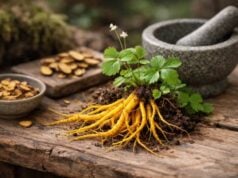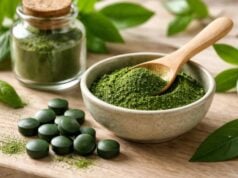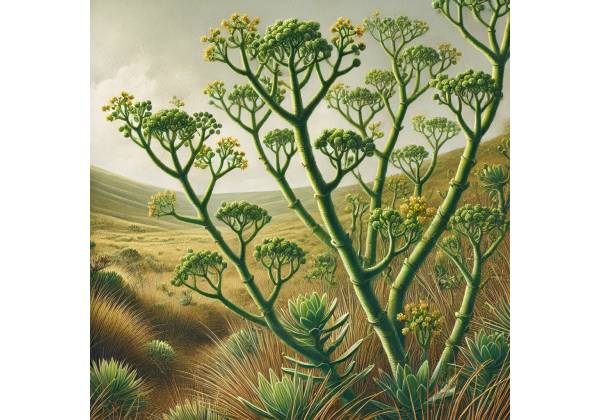
Carqueja is a traditional South American bitter herb, most associated with Brazil, Uruguay, Paraguay, and Argentina. The name usually refers to Baccharis trimera, a shrub with winged green stems that are dried and used in teas, tinctures, and capsules. In folk medicine, carqueja is often described as a “digestive and liver herb,” taken before or after meals when the stomach feels heavy, appetite feels off, or the body seems sluggish. Modern interest focuses on its flavonoids and phenolic acids—plant compounds linked to antioxidant and anti-inflammatory activity—along with bitter diterpenes that may influence digestive secretions and metabolic signaling.
Carqueja can be both practical and easy to overdo. Its bitterness is part of the point, but strong brews can irritate sensitive stomachs, worsen reflux, or contribute to nausea in some people. Another important nuance is identity: “carqueja” may be sold under several Baccharis species, which can change strength and safety. This guide explains what’s in carqueja, what it may realistically help with, how to use it well, and how to keep safety at the center.
Core Points for Carqueja
- Carqueja is a bitter herb traditionally used for post-meal heaviness, bloating, and liver-adjacent digestive support.
- Strong or frequent use may lower blood sugar or blood pressure in susceptible people, especially alongside medications.
- Typical tea range: 1–2 g dried herb per 200 mL hot water, 1–3 times daily.
- Avoid during pregnancy and breastfeeding unless a clinician specifically advises it.
- People with severe reflux, daisy-family allergies, or sodium and fluid restrictions should choose forms and doses cautiously.
Table of Contents
- What is carqueja and whats in it
- How carqueja works in the body
- Does carqueja help digestion
- Carqueja for liver support
- Carqueja for blood sugar and lipids
- Best ways to use carqueja
- How much carqueja per day
- Side effects interactions and who should avoid
What is carqueja and whats in it
Carqueja is most often sold as the dried aerial parts of Baccharis trimera—especially the green, winged stems (sometimes called cladodes) and small leaves. It has a sharp, clean bitterness that stands out even in modest doses. That bitterness is not only a flavor; it is a clue that you are dealing with a plant rich in polyphenols and terpene-like compounds that the body tends to “notice.”
A practical issue with carqueja is that the common name is shared across multiple Baccharis species. In markets and online listings, you may see products labeled simply “carqueja,” with no species listed, or with a different species name than you expected. From a real-world safety perspective, that matters because different species can vary in chemical profile and intensity. If you want repeatable effects, prioritize products that clearly label Baccharis trimera and that come from suppliers with basic identity and contaminant testing.
Carqueja’s key compound families are often described like this:
- Flavonoids: These include quercetin, luteolin, and related compounds (sometimes present as glycosides). Flavonoids are frequently discussed for antioxidant activity and for their influence on inflammatory signaling.
- Phenolic acids and caffeoylquinic acids: These compounds are common in bitter digestive herbs. They are often linked to oxidative balance and to liver-adjacent metabolic pathways.
- Clerodane-type diterpenes: These contribute to the plant’s bitterness and have been studied for diverse bioactivities in lab and animal models.
- Volatile components: Present in smaller amounts than in strongly aromatic herbs, but still relevant for taste and tolerability.
- Minerals and trace elements: Not a primary reason to use carqueja, but important as a quality consideration. Some medicinal plants can accumulate environmental contaminants depending on where they grow, which is another reason reputable sourcing matters.
Because carqueja is commonly used as a tea, extraction matters. Short steeps emphasize a cleaner bitter edge. Longer steeps pull more intensity and can be more likely to upset a sensitive stomach. Capsules and tinctures remove taste from the equation, but they can also remove the built-in “self-limiting” feedback that bitterness provides.
In short, carqueja is a traditional bitter herb whose usefulness depends heavily on species identity, preparation method, and dose. If you keep those three variables under control, the herb becomes far easier to evaluate fairly.
How carqueja works in the body
Carqueja is often described with broad terms—“detox,” “cleansing,” “liver tonic”—that can sound vague or overstated. A more useful way to understand it is through three practical mechanisms: bitter taste signaling, polyphenol activity, and metabolic-inflammation cross-talk.
Bitter taste is a physiological signal
Bitter compounds do not just sit on the tongue. Bitter receptors are involved in digestive reflexes that can increase saliva, stomach acid, and other secretions in some people. This is one reason bitter herbs are traditionally taken before meals. The goal is not to “stimulate” endlessly; it is to support a smoother digestive rhythm—especially when meals are rich, late, or heavier than usual.
Carqueja’s bitterness can also influence appetite and cravings indirectly. Many people notice that a small bitter tea makes sweet cravings less urgent, especially in the late afternoon. This is not a guaranteed effect, but it is a common pattern with bitters: they can make the palate feel more “reset,” which makes simpler foods more satisfying.
Polyphenols support oxidative balance
Flavonoids and phenolic acids are often grouped under the umbrella of antioxidants. In everyday terms, this means they can support the body’s ability to manage oxidative stress—an everyday process that increases with poor sleep, metabolic strain, alcohol intake, and chronic inflammation. The most realistic benefit here is not a dramatic sensation; it is subtle support that may show up over weeks as better tolerance, steadier energy, or modest shifts in lab markers when paired with lifestyle changes.
Metabolic and inflammatory pathways overlap
Modern research on plant polyphenols often emphasizes that metabolism and inflammation are tightly linked. When blood sugar regulation is strained, inflammatory signaling tends to rise. When inflammatory signaling stays high, insulin sensitivity often worsens. Carqueja is studied within this overlap because its compounds have shown anti-inflammatory and metabolic effects in animal and lab models. That does not automatically translate into strong human outcomes, but it helps explain why carqueja is discussed for blood sugar, lipids, and liver-adjacent markers in traditional contexts.
A key practical point is dose. The same herb can be supportive at a modest dose and irritating at a strong dose. With carqueja, the “more is better” mindset is usually the wrong one. A smaller, consistent dose used at the right time often delivers a better net result than an intensely bitter brew that you force down and then abandon.
If you think of carqueja as a gentle “signal and support” herb—rather than a cure—you are much more likely to use it in a way that is both safer and more realistic.
Does carqueja help digestion
Carqueja’s most classic use is digestive: people take it when meals feel heavy, when the stomach feels slow, or when bloating and gassiness follow rich foods. The herb’s bitterness is central to this tradition, because bitters often work through timing and sensation as much as through chemistry.
What digestion support can realistically look like
If carqueja helps you, the improvement is usually practical and specific, such as:
- Less “stuck” or overly full sensation after eating
- Easier transition from meal to normal energy
- Reduced bloating that seems meal-related
- Less desire for sweets immediately after dinner
- A steadier appetite across the day
These are functional outcomes, not diagnoses. Carqueja is not a stand-in for evaluation if you have persistent pain, unexplained weight loss, vomiting, black stools, or severe reflux symptoms.
Timing matters more than strength
For many bitter herbs, a small amount taken before meals is more useful than a large amount taken whenever. A helpful pattern is 10–20 minutes before your main meal. If you are sensitive or prone to nausea, taking it with food may be gentler. If you have reflux, a bitter tea on an empty stomach may worsen symptoms, so start with a weaker infusion and avoid late-night dosing.
Carqueja and bile-adjacent digestion
People often associate carqueja with “liver and gallbladder” support because bile release is part of fat digestion. When bile timing is off, fatty meals can feel uncomfortable. Bitter herbs are traditionally used here, but they are not appropriate for everyone. If you have known bile duct obstruction, gallstone complications, or severe right-upper-quadrant pain, do not self-treat with bitter stimulants.
If you want a comparison point, carqueja sits in the broader category of bitter digestives that includes herbs such as artichoke leaf digestive support. The shared theme is not that every bitter works the same, but that timing, dose, and individual tolerance often matter more than hype.
When carqueja may be the wrong choice
Carqueja is sometimes too bitter for very sensitive stomachs. If you have active gastritis symptoms, frequent heartburn, or nausea that worsens with bitter foods and coffee, a gentler strategy may work better: smaller doses, shorter steep times, or choosing a different type of digestive aid.
A useful rule is this: if the tea consistently makes you feel worse within an hour, the “benefit” is not hiding somewhere else. Reduce the dose or stop. Digestive support should feel supportive, not like a trial of endurance.
Carqueja for liver support
Carqueja is often called a “liver herb,” but it helps to define what that means in a measurable and responsible way. The liver is not something you can reliably “feel” working better. Many liver issues have few symptoms until they are advanced. For that reason, a grounded liver-support plan focuses on risk reduction and measurable trends rather than chasing a dramatic sensation.
What people usually mean by liver support
Most people are looking for one of these outcomes:
- Better tolerance of richer meals and fats
- Support during periods of higher metabolic strain (weight gain, higher triglycerides, higher fasting glucose)
- Help maintaining healthy liver enzyme patterns alongside lifestyle changes
- A way to reduce the “sluggish” feeling after alcohol, travel eating, or stress
Carqueja’s compounds have been studied in animal and lab models for antioxidant and hepatoprotective activity. That makes the herb interesting, but it does not mean it “detoxes” the liver in the way marketing sometimes implies. The liver already detoxifies continuously. The more meaningful question is whether a plant can support healthier signaling and reduce oxidative strain in contexts where the liver is challenged.
Where carqueja may fit
A reasonable way to use carqueja is as a short-term support during a lifestyle reset—especially when the focus is improving diet quality, reducing alcohol, improving sleep, and increasing physical activity. In that setting, carqueja may help with appetite patterns and digestive comfort, which indirectly supports the habits that actually move liver-related risk.
If your goal is specifically liver-focused supplementation, many people compare carqueja with more liver-researched herbs such as milk thistle liver support. They are not interchangeable. Milk thistle is usually discussed in terms of silymarin and liver enzymes, while carqueja is usually discussed as a bitter herb with broader digestive and metabolic overlap. Some people prefer one; others do better with neither.
Important cautions
- If you have diagnosed liver disease, do not assume herbs are automatically safe. Herbs can interact with medications and can stress the liver in rare cases.
- If you have gallbladder disease complications or bile duct obstruction, do not experiment with strong bitters without clinician guidance.
- If you are trying to improve fatty liver risk, avoid the trap of adding a “liver tea” while keeping the main drivers unchanged. Alcohol reduction, weight management, sleep, and diet quality matter more than any single herb.
A sensible benchmark is this: if you use carqueja for a liver-adjacent goal, pair it with a defined plan and a defined endpoint, such as follow-up labs under clinical supervision. That approach protects you from both unrealistic expectations and unnecessary risk.
Carqueja for blood sugar and lipids
Carqueja is frequently discussed for metabolic support, especially in traditional contexts where “digestive health” and “blood sugar balance” are closely linked. Modern studies explore this connection because plant polyphenols often influence oxidative stress and inflammatory signaling—two processes that overlap with insulin sensitivity and lipid metabolism. Still, it is important to separate plausible mechanisms from proven clinical outcomes.
What carqueja may help with
In research settings, carqueja preparations have been studied for effects on:
- Fasting blood sugar patterns and glucose handling
- Triglycerides and other lipid markers
- Weight gain and fat accumulation signals in animal models
- Inflammatory markers linked to metabolic strain
If carqueja helps a real person in daily life, the improvement often looks like steadier appetite, fewer intense cravings, and better tolerance of meals—changes that support better choices, which then support better metabolic outcomes. In other words, the behavior pathway may be as important as the biochemical pathway.
Who should be especially careful
If you take medication for diabetes, carqueja deserves caution because bitter herbs and polyphenol-rich extracts can sometimes lower glucose modestly. The risk is not that the herb is “dangerous” by default; the risk is stacking effects without monitoring. The safest approach is to:
- Start with a food-like form (tea) rather than a concentrated extract
- Keep the dose modest and consistent
- Track fasting and post-meal readings more closely for the first 1–2 weeks
- Coordinate with your clinician if readings trend lower than usual
People sometimes compare carqueja with more established metabolic supplements. If you are specifically seeking an evidence-forward option for glucose and lipid markers, berberine for blood sugar and cholesterol is often discussed more frequently in clinical-style summaries, though it also has meaningful interaction considerations and is not appropriate for everyone.
How to stack the odds in your favor
Carqueja is more likely to be helpful when it is paired with a realistic metabolic plan:
- A fiber-forward diet pattern with adequate protein
- Regular movement (even daily walking makes a difference)
- Reduced sugary beverages and late-night eating
- Improved sleep timing and stress management
A common mistake is using carqueja as a “shortcut” while leaving the main drivers untouched. A better approach is using it as a small support tool that helps you stay consistent with the larger plan.
If you have prediabetes or mild metabolic strain, a time-limited trial can be reasonable. If you have diabetes, kidney disease, or complex medications, treat carqueja as something to discuss, not something to improvise.
Best ways to use carqueja
Carqueja can be used as a tea, tincture, or capsule. The best choice depends on your goal, your tolerance for bitterness, and how much consistency you need.
1) Tea as the traditional starting point
Tea is the most traditional form and often the easiest way to judge tolerance. It is also naturally self-limiting: if the tea is too bitter, you will know quickly. Tea tends to work well for digestive goals because timing and sensation matter.
Practical tips for tea use:
- Use measured amounts rather than “a handful,” so you can judge effects fairly.
- Start with a shorter steep to reduce harshness, then adjust as needed.
- If bitterness triggers nausea for you, drink it with food rather than on an empty stomach.
2) Tinctures and liquid extracts for flexible dosing
Tinctures can be useful when you want small, adjustable doses without brewing tea. They often taste very bitter, but the volume is small. They can fit well for people who want “a little bitter before meals” without drinking a full cup. If you are sensitive to alcohol, choose glycerin-based extracts or stick with tea.
3) Capsules for convenience and consistency
Capsules remove taste and are easy to travel with. The drawback is that they make it easier to take a higher dose than your body would choose if you had to taste it. If you use capsules, choose products that clearly label the species, plant part, and dose per capsule. Avoid multi-herb blends until you know how carqueja alone affects you.
4) Making bitterness easier to tolerate
You do not need to drown carqueja in sweeteners to make it usable. A pinch of citrus peel or a warming spice can make the bitterness feel cleaner without adding sugar. Ginger is a common pairing when people want digestive comfort without making the tea taste like medicine; see ginger uses and active compounds if you want a deeper look at why it is often used in digestive blends.
5) A practical “trial” structure
If you want to learn whether carqueja truly helps you:
- Pick one form (tea is usually best).
- Use it at the same time each day for 10–14 days.
- Track one or two outcomes that matter (post-meal comfort, cravings, fasting glucose if relevant).
- Stop if side effects appear, and restart only at a lower dose if you choose to continue.
This approach protects you from guesswork and from attributing every good or bad day to the herb.
How much carqueja per day
Carqueja dosing varies widely because products vary widely. The most reliable approach is to start with traditional tea-style dosing, then consider extracts only if you need more convenience or more consistent dosing.
Tea dosing (most common)
A practical adult range is:
- 1–2 g dried carqueja per 200 mL hot water, steeped 5–10 minutes
- 1–3 cups daily, depending on tolerance and goal
For digestive purposes, many people prefer one cup before the main meal and a second cup earlier in the day if needed. If you are sensitive, start with one cup daily and keep the steep time short.
Tinctures and liquid extracts
Because tinctures vary (plant-to-solvent ratio, alcohol percentage, extract strength), labels matter. A common traditional pattern is small pre-meal doses. If your tincture label provides a suggested serving, treat that as an upper boundary for the first week and start at half.
Capsules and dry extracts
Capsule products may contain dried herb powder or an extract. Extract labels may list a ratio (such as 4:1) or may list a standardized marker, though many do not. In general:
- Dried herb powder is often used in the low-gram range per day, divided.
- Extracts are often used in the hundreds of milligrams per day, divided.
If a product does not clearly explain what the dose represents, it is harder to use responsibly.
Timing and duration
- For digestive comfort, you may know within 1–2 weeks whether carqueja is helpful.
- For metabolic goals, a more realistic trial is 8–12 weeks, with tracking (weight trend, glucose readings, or clinician-ordered labs).
- Consider breaks if you use it daily. Many traditional bitter-herb routines are seasonal or intermittent, not continuous year-round use.
Adjustments that improve tolerance
- If nausea appears, reduce the dose, shorten steep time, or take with food.
- If sleep feels lighter, avoid late-day use.
- If you feel “too lowered” (lightheadedness, unusually low readings), stop and reassess.
Carqueja dosing is about finding the lowest effective amount that fits your body. If you need to push the dose high to feel anything, that is often a sign to choose a different strategy rather than escalating indefinitely.
Side effects interactions and who should avoid
Carqueja is often tolerated as a tea in modest amounts, but it is not a universal fit. Its bitterness and metabolic activity are exactly why it can be helpful for some people and uncomfortable for others.
Common side effects
- Stomach upset, nausea, or increased heartburn: More likely with strong brews, longer steeps, or use on an empty stomach.
- Headache or “washed out” feeling: Sometimes reported when bitter herbs are used in higher doses or when hydration is low.
- Lower blood sugar symptoms: Such as shakiness, irritability, or unusual hunger, especially in people already using glucose-lowering medication.
- Lower blood pressure or lightheadedness: More likely if you already run low, use diuretics, or are dehydrated.
Allergy and sensitivity risks
Carqueja belongs to the daisy family (Asteraceae). People with strong sensitivities to related plants may react with skin symptoms, mouth itching, or digestive discomfort. If you have a history of pollen-related plant reactions, start with a very small dose or avoid.
Interactions to take seriously
- Diabetes medications: Carqueja may add to glucose-lowering effects. Monitoring is important.
- Blood pressure medications and diuretics: Carqueja may contribute to lower pressure or increased fluid shifts in susceptible people.
- Complex medication regimens: If you take multiple prescriptions, treat carqueja extracts like any other bioactive supplement and discuss with a clinician.
Pregnancy and breastfeeding
Avoid carqueja during pregnancy and breastfeeding unless a qualified clinician specifically recommends it. Safety data are not strong enough to justify experimentation, and older toxicology findings raise caution for pregnancy use in particular.
Who should avoid carqueja or use only with professional guidance
- Pregnant or breastfeeding individuals
- People with uncontrolled reflux, active gastritis symptoms, or frequent nausea
- Anyone on glucose-lowering medication who cannot monitor reliably
- People with significant kidney disease or fluid balance restrictions
- Individuals with strong Asteraceae plant allergies
What the evidence actually supports
Most of carqueja’s strongest research signals come from lab and animal studies, not large human trials. That means the herb is best used for modest, functional goals (digestive comfort, appetite rhythm, supportive metabolic routines) rather than as a treatment replacement. It also means product identity and quality control matter more than usual, because inconsistent species and inconsistent extracts can produce inconsistent results.
A safe, evidence-aligned approach is simple: keep the dose modest, track outcomes you care about, and stop if side effects outweigh benefits.
References
- Authentication and Quality Control of the Brazilian Traditional Herb ‘Carquejas’ (Baccharis Species) Using Morpho-Anatomy and Microscopy 2024 (Quality Control Study)
- Baccharis trimera Infusion Reduces Macrophages Activation and High-Fat Diet-Induced Metabolic Disorders in Mice 2022 (Preclinical Study)
- Bioactive Neo-Clerodane Diterpenoids from Baccharis trimera: Identification and Hepatoprotective mechanisms 2026 (Mechanistic Study)
- Baccharis trimera (Less.) DC: An Innovative Cardioprotective Herbal Medicine Against Multiple Risk Factors for Cardiovascular Disease 2020 (Preclinical Study)
- Baccharis trimera: effect on hematological and biochemical parameters and hepatorenal evaluation in pregnant rats 2008 (Safety Study)
Disclaimer
This article is for educational purposes only and does not provide medical advice, diagnosis, or treatment. Herbal products can vary widely in species identity, strength, and contamination risk, and carqueja may affect blood sugar, blood pressure, and digestive comfort in ways that are not appropriate for everyone. Avoid carqueja during pregnancy and breastfeeding unless a qualified clinician advises it. If you have diabetes, kidney disease, gallbladder disease, significant reflux, or you take prescription medications (especially glucose-lowering drugs, diuretics, or blood pressure medicines), consult a licensed clinician before using carqueja extracts or making major changes to your routine. Seek prompt medical care for severe allergic reactions, persistent vomiting, fainting, or symptoms of dangerously low blood sugar.
If this guide helped you, consider sharing it on Facebook, X (formerly Twitter), or any platform where you discuss evidence-informed herbal and nutrition choices.