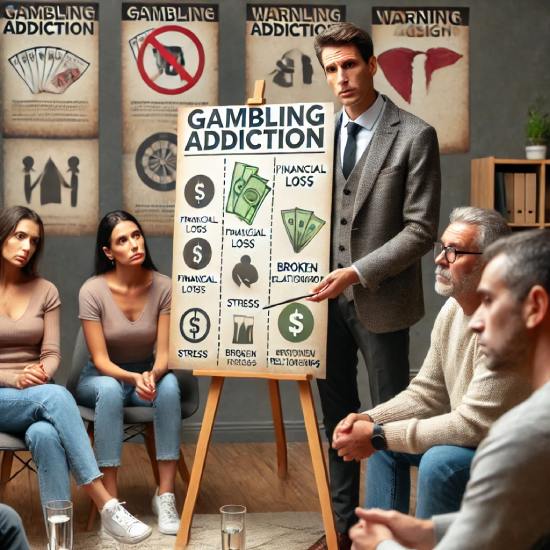
Casino gambling addiction rarely begins with a dramatic collapse. More often, it grows through repetition: one night meant to be entertainment becomes a way to escape stress, recover a loss, numb loneliness, or chase a feeling that ordinary life no longer provides. Over time, the pattern can tighten around money, secrecy, mood, relationships, and judgment. Treatment works best when it addresses that full picture rather than the betting behavior alone. Unlike alcohol or opioid addiction, casino gambling addiction usually does not require a medical detox, but it can still create urgent crises involving debt, suicidal thoughts, panic, family conflict, or co-occurring substance use. Effective care may include structured assessment, gambling-specific therapy, financial safeguards, medication in selected cases, family support, and long-term relapse planning. Recovery is rarely about one dramatic decision. It is usually built through many practical protections that make the next harmful bet less likely.
Table of Contents
- When Help Should Start
- Assessment and Treatment Planning
- Detox and Crisis Stabilization
- Therapy That Targets Gambling
- Medication and Co-Occurring Conditions
- Financial Safeguards and Family Support
- Relapse Prevention and Long-Term Recovery
When Help Should Start
Many people wait too long to seek treatment for casino gambling addiction because the problem can stay hidden longer than a substance addiction. There may be no smell of alcohol, no visible paraphernalia, and no obvious withdrawal at first. Instead, the damage shows up in other ways: missing rent, secret credit card use, repeated cash withdrawals, lying about time spent away from home, irritability after losses, frantic attempts to win money back, and a growing sense that gambling is controlling the calendar. By the time help feels “officially necessary,” the pattern may already be affecting mental health, work, sleep, and safety.
Treatment is usually warranted when gambling becomes repetitive, distressing, and hard to interrupt even after clear harm. Warning signs include:
- repeated failed attempts to cut back or stop
- chasing losses after a bad casino session
- borrowing, selling, or hiding money to keep gambling
- gambling longer or with more money than planned
- neglecting work, family, or basic responsibilities
- using gambling to escape anxiety, anger, shame, or emptiness
- feeling panicked, depressed, or desperate after losses
- returning quickly after periods of promising to quit
Urgent help is even more important when the gambling problem is mixed with acute risk. That can include suicidal thinking, threats of self-harm after a major loss, domestic conflict, economic abuse, severe panic, homelessness risk, or heavy alcohol and drug use around casino visits. In those moments, treatment is not just about behavior change. It is about stabilizing a dangerous situation before more damage occurs.
One reason early treatment matters is that gambling addiction often worsens through momentum. A person may begin by chasing excitement, then move into chasing losses, and finally into gambling simply to escape the emotional crash created by the previous session. Once that cycle is established, shame becomes a major barrier. People may delay help not because the problem is mild, but because it feels too humiliating to describe. That silence can make the condition look less severe than it really is.
For readers comparing their experience with the broader clinical pattern, a gambling disorder overview can help clarify how repeated casino gambling crosses from risky behavior into a condition that deserves formal care. The earlier treatment begins, the more options people usually have, and the less cleanup recovery requires.
Assessment and Treatment Planning
Casino gambling addiction responds best to treatment when the first step is a careful assessment rather than generic advice. Clinicians need to understand not only how often a person gambles, but what role casino gambling plays in that person’s life. For some, the main driver is excitement and reward. For others, it is loneliness, depression, trauma-related avoidance, social identity, impulsivity, or a desperate effort to repair financial losses with one more “lucky” night. Treatment planning becomes much more effective once that function is clear.
A thorough assessment usually looks at several areas at once:
- Gambling pattern: how often the person goes, how long sessions last, what games they choose, how much money is risked, and whether losses are chased.
- Financial impact: debts, unpaid bills, borrowing, stolen money, hidden accounts, or legal problems.
- Mental health: depression, anxiety, insomnia, ADHD symptoms, trauma history, anger, and suicidal thoughts.
- Substance use: alcohol, cocaine, sedatives, or stimulants that may increase risk-taking and poor judgment.
- Social environment: who gambles with the person, what triggers casino visits, and whether home is supportive or chaotic.
- Motivation for change: whether the person wants abstinence, reduction, or simply relief from the fallout.
Good treatment planning also accounts for the fact that gambling severity can fluctuate. A person may have weeks of control and then one catastrophic relapse that causes more harm than months of smaller episodes. That is why clinicians do not rely only on how much gambling happened in the last few days. They look at the full trajectory: increasing time at casinos, rising secrecy, worse losses, emotional instability, and the person’s own fear that control is slipping.
This stage is where care goals become concrete. In current clinical practice, abstinence is often treated as the clearest and safest target, especially for people whose gambling is severe, repetitive, or financially destructive. But treatment also has to address secondary goals that matter to patients, such as repairing relationships, reducing panic, protecting wages, restoring sleep, or stopping lying. Recovery tends to strengthen when it is tied to visible life improvements, not only the absence of casino visits.
If the assessment shows that gambling is intertwined with alcohol misuse, stimulant use, or another addiction pattern, the treatment plan may need to become more integrated. Some people arrive for gambling treatment and discover that the casino has been only one part of a larger cycle of impulsive coping. Good planning names that clearly and builds the right level of support from the start.
Detox and Crisis Stabilization
Casino gambling addiction does not usually create the kind of physical withdrawal syndrome that requires a medical detox. There is no standard detox protocol comparable to alcohol or opioid withdrawal management, and that is an important point to explain clearly. Still, the absence of a classic detox does not mean recovery begins casually. Many people need a period of crisis stabilization before they can do real treatment work.
The early phase often feels intense. After stopping casino gambling, some people experience agitation, insomnia, anxiety, irritability, restlessness, low mood, and a powerful urge to “fix everything” by returning for one last attempt to recover losses. These symptoms can feel withdrawal-like even when they are not medically dangerous in the traditional sense. What makes them serious is their effect on judgment. A distressed person may re-enter the casino, take out a new loan, drink heavily, or become suicidal after another loss.
Immediate stabilization may include:
- urgent mental health assessment when there is suicidal thinking or self-harm risk
- temporary separation from casino access
- removal of easy access to cash, credit, and betting apps
- rapid involvement of a spouse, friend, or relative when appropriate
- short-term support for sleep, panic, and acute distress
- assessment for co-occurring alcohol or drug withdrawal if substances are also involved
This is where the treatment pathway differs sharply from substance detox articles. With casino gambling addiction, the most urgent first step is often environmental containment rather than medical detox. Clinicians may help the person self-exclude from land-based casinos, block gambling transactions, pause access to online accounts, or hand over financial control for a defined period. These are not side details. In gambling treatment, they are often part of the equivalent of stabilization.
Crisis care becomes even more important when the person has lost a major sum, fears exposure, or is facing family breakdown or legal trouble. The emotional aftermath of a casino binge can be extreme. A person may move quickly from shame to panic to hopelessness. In severe cases, inpatient psychiatric care or intensive outpatient care may be more appropriate than routine weekly therapy, not because the gambling itself needs detox, but because the surrounding crisis is too dangerous to manage lightly.
For people who also gamble while drinking heavily, the first treatment question may be whether there is a second addiction that truly does require medical withdrawal management. When casino gambling and alcohol travel together, clinicians often need to treat both problems, not whichever one seems more visible on the day of intake.
Therapy That Targets Gambling
Therapy is the core treatment for casino gambling addiction because the problem is rarely just a matter of liking risk. More often, gambling becomes tied to distorted thinking, emotional escape, sensation seeking, ritual, and environmental cues that keep the cycle alive. Effective therapy makes those patterns visible and then gives the person practical ways to interrupt them.
Cognitive behavioral therapy is the best-supported psychological approach for gambling disorder and related gambling harms. In practice, CBT helps people challenge beliefs such as “I’m due for a win,” “I can win it back if I stay longer,” or “If I leave now, the loss becomes real.” It also targets the routines around casino gambling: payday triggers, route-based habits, secret ATM withdrawals, drinking before gambling, and the emotional spike that follows near-misses. Therapy becomes most useful when it treats the whole sequence rather than focusing only on the bet itself.
A strong therapy plan may include:
- identifying triggers, urges, and distorted gambling beliefs
- learning how to leave the scene before a binge escalates
- building alternatives for stress, boredom, loneliness, or anger
- practicing refusal skills for invitations to go to casinos
- creating a relapse response plan instead of a shame spiral
- addressing depression, trauma, or anxiety that fuel the gambling cycle
Motivational interviewing also plays an important role, especially early on. Many people with casino gambling addiction feel split. One part of them wants life to stabilize, while another still misses the rush, the fantasy of a comeback, or the temporary escape from ordinary distress. Motivational work helps resolve that ambivalence without turning treatment into a battle of wills.
Some people do well in group treatment, where shame decreases as they hear familiar stories from others. Others need individual therapy because their financial situation, trauma history, or privacy concerns make one-to-one work more effective. Remote care can also help, especially for people who feel too embarrassed to walk into a clinic or who live far from specialist services.
Structured therapy approaches are most helpful when they are adapted to gambling rather than borrowed loosely from general counseling. Casino gambling involves specific distortions about chance, streaks, near-wins, and loss recovery. Therapy that names those directly tends to be more effective than broad advice about “healthier habits.” In the best cases, patients begin to recognize that the casino did not merely take their money. It trained their attention, beliefs, and emotions in ways that need deliberate retraining.
Medication and Co-Occurring Conditions
Medication is not the first-line treatment for casino gambling addiction in the same way that therapy is, but it can play a meaningful role in selected cases. The key point is that there is no universally approved medication specifically for casino gambling addiction, and drug treatment usually sits alongside therapy rather than replacing it. In current clinical practice, medication is considered most often when gambling remains severe after a solid course of psychological treatment, when relapses keep returning, or when co-occurring psychiatric symptoms are making recovery much harder.
The medication with the strongest current support is naltrexone. Recent evidence and guideline recommendations suggest it may reduce gambling severity in some patients, particularly when therapy alone has not produced the desired result or when repeated relapses continue despite appropriate psychological care. In specialist settings, naltrexone may be used off-label with careful review of liver function, opioid use, side effects, and follow-up planning.
Medication may also be considered when another condition is clearly contributing to the gambling pattern. Examples include:
- major depression, when hopelessness and low mood fuel escape gambling
- anxiety disorders, when casino gambling becomes a form of emotional avoidance
- ADHD or impulsivity-related problems, when urge control is weak
- bipolar symptoms, especially if gambling surges during elevated mood states
- substance use disorders, when alcohol or cocaine remove inhibitions around betting
In those situations, the goal is not to “medicate away” gambling behavior. It is to reduce the psychiatric pressure that keeps the gambling cycle active. Sometimes treating insomnia, depression, or severe anxiety improves judgment enough for therapy to work better. Sometimes it becomes clear that the person’s impulsive behavior intensified after a medication known to affect impulse control. That possibility should be assessed rather than ignored.
Even when medication is used, expectations should stay realistic. The evidence base is improving, but it is still less robust than the evidence for gambling-focused CBT. Medication can lower urge intensity or help stabilize a co-occurring disorder, but it does not by itself rebuild trust, protect bank accounts, or change the rituals that lead a person back to the casino floor.
The most useful framing is practical: medication can help some people create enough distance from urges to make better decisions, but long-term recovery still depends on psychological treatment, environmental safeguards, and repeated follow-through. Used thoughtfully, it can strengthen recovery. Used as a stand-alone shortcut, it usually disappoints.
Financial Safeguards and Family Support
Casino gambling addiction is unusual among addictions because money is not just a consequence of the problem. It is also part of the trigger, the fantasy, the concealment, and the relapse pathway. That is why treatment often has to address finances much more directly than people expect. A person can be sincere about wanting to stop and still relapse quickly if access to cash, credit, and gambling opportunities remains unchanged.
Financial safeguards often need to start early, even before insight is fully stable. Useful protections may include:
- Self-excluding from casinos and related venues.
- Blocking gambling payments through bank tools where available.
- Removing stored cards from gambling-linked devices and wallets.
- Handing temporary control of accounts or cards to a trusted person.
- Limiting access to cash withdrawals, credit lines, and rapid loans.
- Meeting with a debt adviser, financial counselor, or legal support service when losses have created broader damage.
These measures are not punishment. They are treatment tools. In gambling recovery, relying on insight alone is often not enough, because craving and loss-chasing can narrow judgment very quickly. A person may feel clear-headed at noon and still rationalize a casino visit by evening if access remains easy.
Family support is also central, but it has to be handled carefully. Partners and relatives are often carrying deep anger, fear, and exhaustion by the time treatment begins. They may have been lied to repeatedly, drawn into covering debts, or pressured to keep the problem secret. Good treatment does not treat them as passive observers. It recognizes that they may need support in their own right. That can include advice on boundaries, help avoiding rescue patterns, and guidance on how to communicate without constant interrogation or blame.
At the same time, involving family can be clinically powerful when everyone agrees to it. A relative may help monitor warning signs, hold agreed financial limits, accompany the person to appointments, or support a safety plan after a major trigger. For many people, recovery becomes more stable when the household is no longer organized around secrecy.
Some patients also need specific help with the emotional fallout of losses. Debt can generate intense shame, dread, and physical anxiety. In those cases, work around financial anxiety may be part of the recovery process, not a separate issue. Money repair, communication repair, and gambling recovery often have to move together if progress is going to hold.
Relapse Prevention and Long-Term Recovery
Long-term recovery from casino gambling addiction depends less on dramatic motivation than on repeated protection against predictable risk. A person may be deeply committed to change and still relapse if they walk past the same casino after work, carry unrestricted credit, spend time with gambling peers, or keep telling themselves that one controlled visit will prove they are “fine now.” Relapse prevention works when it is specific, rehearsed, and honest about how quickly old gambling logic can return.
A useful long-term plan often includes:
- a written list of personal triggers, including stress states, social cues, and money-related events
- practical barriers such as self-exclusion, blocked payments, and limited cash access
- ongoing therapy or booster sessions after the first treatment phase ends
- rapid re-entry to care after a lapse instead of disappearing in shame
- regular review of debts, financial stress, and relationship strain
- support for co-occurring depression, anxiety, trauma, or substance use
One of the most important clinical messages is that relapse is not evidence that treatment failed or that the person lacks character. In gambling recovery, relapse often follows a recognizable sequence: exposure to a trigger, a short period of fantasy or bargaining, contact with money, then a narrowing of attention that makes the next bet feel inevitable. When people learn to recognize that sequence earlier, relapses often become shorter, less destructive, and easier to interrupt.
Long-term recovery also means watching for migration rather than only repetition. Some people stop going to casinos but drift into sports betting, online slots, or high-risk trading because the underlying reward-seeking pattern was not fully addressed. That is one reason treatment has to focus on the function of gambling, not only the venue. A person who is vulnerable to rapid, dissociative betting may need to be especially careful about the move into online gambling, where access is constant and secrecy is easier.
Recovery tends to become steadier when life gets fuller. That does not mean every problem disappears. It means gambling is no longer the main tool for stimulation, escape, or emotional anesthesia. Work becomes more reliable, shame loses some power, relationships become less defensive, and money becomes something to protect rather than something to risk in search of relief.
For most people, long-term success is built through maintenance, not intensity. A smaller number of safer days, repeated often enough, gradually becomes a different life.
References
- Gambling-related harms: identification, assessment and management 2025 (Guideline)
- Psychological intervention for gambling disorder: A systematic review and meta-analysis 2023 (Systematic Review and Meta-Analysis)
- Cognitive-behavioral treatment for gambling harm: Umbrella review and meta-analysis 2023 (Umbrella Review and Meta-Analysis)
- Pharmacological management of gambling disorder: A systematic review and network meta-analysis 2025 (Systematic Review and Network Meta-Analysis)
- Pharmacological interventions for the treatment of disordered and problem gambling 2022 (Cochrane Review)
Disclaimer
This article is for educational purposes only and is not a substitute for medical, psychiatric, legal, or financial advice. Casino gambling addiction can be associated with severe debt, suicidal thoughts, family harm, domestic abuse, and co-occurring mental health or substance use problems. Urgent professional help is needed if there is self-harm risk, threats of suicide, severe panic, violence, or inability to stay safe. Treatment decisions about therapy, medication, crisis care, and financial safeguards should be made with qualified professionals who can assess the full situation.
If this article was helpful, please consider sharing it on Facebook, X, or another platform you use so more people can find clear, evidence-based guidance on casino gambling addiction treatment and recovery.