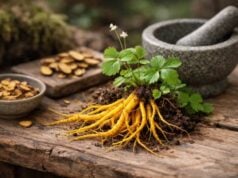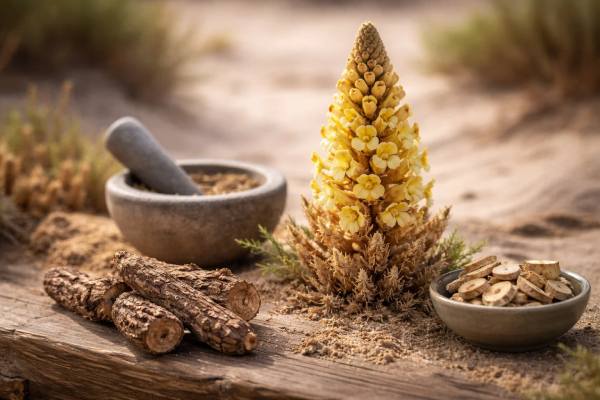
Cistanche (Cistanche deserticola) is a desert-dwelling, parasitic plant used for centuries in East Asian herbal traditions. You may also see it sold as “Rou Cong Rong” or marketed as “desert ginseng,” a nickname that points to its reputation for supporting vitality, stamina, and healthy aging. Today, cistanche is most often used as a dried herb, powder, or standardized extract in capsules and functional foods.
What makes cistanche especially interesting is its mix of phenylethanoid glycosides and polysaccharides—compounds studied for antioxidant activity, stress response support, and effects on the gut–brain axis. People commonly reach for it when they want steadier energy, sexual health support, easier bowel regularity, or cognitive support as they age. Still, the quality of evidence varies by claim, and product strength can differ dramatically across brands. A smart approach focuses on realistic outcomes, careful dosing, and clear safety boundaries—especially if you take medications or manage a chronic condition.
Quick Overview
- May support energy, fatigue resilience, and physical performance in some adults when used consistently.
- Traditionally used for libido and bowel regularity, with growing interest in gut–brain support.
- Start low and avoid “mega-doses” unless supervised; extracts vary widely in strength and standardization.
- Typical adult range is 500–2,000 mg/day of standardized extract or 6–12 g/day dried herb as a decoction.
- Avoid during pregnancy and breastfeeding, and use caution with hormone-sensitive conditions or complex medications.
Table of Contents
- What is cistanche deserticola?
- Key ingredients and medicinal properties
- What does cistanche help with?
- How to use cistanche
- How much cistanche per day?
- Side effects and interactions
- What the evidence actually says
What is cistanche deserticola?
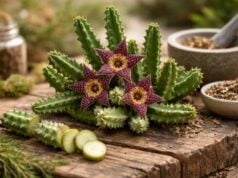
Cistanche deserticola is a leafless, sandy-brown plant that survives by parasitizing the roots of desert shrubs. Instead of relying on photosynthesis the way most plants do, it taps into a host plant for water and nutrients—one reason it thrives in harsh, arid environments. The part used most often is the fleshy stem, typically harvested, sliced, and dried. In traditional practice, it is described as a warming tonic associated with “kidney yang,” a framework that maps broadly onto modern goals like libido, stamina, and age-related decline.
In the supplement world, “cistanche” is sometimes used as a loose label. Products may contain Cistanche deserticola, Cistanche tubulosa, or blends that do not clearly specify species. That matters because the active compound profile can shift with species, cultivation, harvest timing, and extraction method. If you want consistent results, look for products that list the full botanical name and provide standardization details (for example, a stated percentage of phenylethanoid glycosides).
Cistanche also shows up in different cultural preparations. You may see it:
- Boiled as a decoction (traditional tea-like preparation)
- Powdered and mixed into warm drinks
- Extracted into capsules, tablets, or functional beverages
- Processed with wine in some traditional formulas (a method used to modify taste and perceived effects)
A practical point many people miss: cistanche is not a “one-and-done” stimulant. It is usually taken as a steady, cumulative herb—more like training the baseline than flipping an on-switch. For many users, the most noticeable changes, if they occur, show up after 2–6 weeks of consistent use rather than after a single dose. That timing expectation helps you judge whether a product is working for you without escalating the dose too quickly.
Key ingredients and medicinal properties
Cistanche’s reputation comes from a handful of compound families that repeatedly show up in quality testing. Understanding what they do will help you choose products wisely and set realistic expectations.
1) Phenylethanoid glycosides (PhGs)
These are often treated as the “signature” actives in cistanche. Two names appear again and again:
- Echinacoside
- Acteoside (also known as verbascoside)
In laboratory and animal research, these compounds are associated with antioxidant defenses, support for cellular stress responses, and anti-inflammatory signaling. For consumers, the key takeaway is practical: if an extract is standardized, it is often standardized around total PhGs, and higher PhG content usually means a more concentrated product.
2) Polysaccharides and oligosaccharides
These carbohydrate-based compounds are linked to immunomodulatory effects and growing interest in the gut–immune–brain connection. They are also one reason some people use cistanche for bowel regularity. Not every extract preserves polysaccharides well—hot water extracts tend to highlight them, while some alcohol-heavy extracts emphasize other fractions.
3) Iridoids, lignans, and other polyphenols
These contribute to the “supportive” profile—antioxidant activity, metabolic signaling, and tissue-protective effects observed in non-human studies. You will not always see these listed on labels, but they can be part of why whole-herb preparations feel different from highly standardized extracts.
What “medicinal properties” means in real life
Cistanche is commonly described using overlapping actions that translate into everyday use patterns:
- Adaptogenic-style support: Not a strict scientific category, but many users take it for steadier energy and better stress tolerance rather than a jolt.
- Neuroprotective interest: Research explores pathways involved in memory, oxidative stress, and inflammation, which is why cistanche is sometimes included in “brain health” blends.
- Intestinal and motility support: Traditional use emphasizes bowel regularity, and modern research increasingly looks at gut signaling and microbiome-related mechanisms.
- Sexual and reproductive support: Historically framed as libido and fertility support; modern marketing often leans into testosterone or performance, even though outcomes vary by individual and study design.
One more quality issue matters: cistanche is a high-demand botanical, and supply chains can be inconsistent. If a product does not disclose species, extraction ratio, or active compound standardization, you may be buying a weaker (or simply different) preparation than you expect. When people report “it did nothing,” inconsistent product chemistry is often part of the story.
What does cistanche help with?
Most people consider cistanche for a short list of goals: energy, sexual health, bowel regularity, and healthy aging. The most helpful way to think about benefits is as “probable, possible, and uncertain,” based on how well human experience and modern evidence align.
Energy, fatigue, and physical performance
Cistanche is widely used for fatigue resilience—especially the kind that feels like low drive rather than sleepiness. In some human research, concentrated cistanche preparations have been explored for performance outcomes like strength, recovery markers, and subjective fatigue. Realistically, if it helps, most people notice:
- steadier energy across the day (less “crash”)
- better tolerance of training volume or long workdays
- improved recovery comfort rather than instant performance boosts
Expect gradual changes over weeks, not hours.
Libido and sexual function support
Traditional use strongly emphasizes sexual vitality. Modern users often describe improvements in:
- sexual desire and arousal
- confidence and sexual stamina
- mood-related contributors to libido (stress and fatigue)
These are meaningful outcomes, but they are also influenced by sleep, relationship factors, alcohol intake, and endocrine health. If your goal is libido, cistanche is often compared with botanicals such as maca for libido and fertility support, which is commonly used for similar reasons but with a different active compound profile.
Bowel regularity and “dry constipation” patterns
Cistanche has a long-standing reputation for supporting regularity, especially when stools are dry or difficult to pass. Users often prefer:
- whole herb or hot water extracts
- consistent dosing for 1–3 weeks before judging results
If constipation is persistent, painful, or associated with bleeding, weight loss, or sudden change in bowel habits, self-treatment is not enough—get medical evaluation.
Cognitive support and healthy aging interest
Cistanche is included in some brain-health formulas because of research interest in oxidative stress, neuroinflammation, and neurotransmitter-related pathways. In daily life, the most plausible effects people report are subtle:
- better mental stamina
- less “wired and tired” stress
- improved motivation and clarity when fatigue is the driver
If memory symptoms are significant or worsening, treat cistanche as a supportive tool, not a solution. A clinician-led plan matters more.
Immune and metabolic support (secondary reasons)
Some users take cistanche for general resilience—immune balance, metabolic signaling, and inflammation comfort. These areas have interesting early research, but they are not the strongest “primary reason” to use the herb unless it fits your overall routine and you tolerate it well.
How to use cistanche
The best form of cistanche depends on your goal, your sensitivity, and how much control you want over dosing. Many frustrations come from mismatching the form to the intended benefit.
Common forms and when they fit best
1) Dried herb for decoction (tea-like preparation)
This is the most traditional approach. It tends to be chosen for:
- bowel regularity support
- a steady “tonic” effect over time
Preparation usually involves simmering sliced herb for 20–40 minutes, often with other herbs. The taste is earthy and mildly sweet-bitter.
2) Powder
Powder is convenient and flexible:
- mix into warm water, milk, or smoothies
- add to oatmeal or soups
Powdered whole herb can be gentler than strong extracts, but quality and authenticity matter. It is also easier to accidentally take “a lot,” so measuring is important.
3) Standardized extract capsules or tablets
This is the most practical option for consistent dosing. Look for labels that specify:
- species (ideally Cistanche deserticola)
- extraction ratio (such as 10:1) or a drug-to-extract ratio
- standardization (such as a percentage of phenylethanoid glycosides)
Extracts are usually preferred when the goal is energy, training support, or cognitive support, because dosing is more predictable.
4) Blends and stacks
Cistanche is often combined with other botanicals. Sensible pairings focus on complementary goals rather than “everything at once.” For example:
- training and fatigue support blends
- cognitive support blends for midlife and older adults
- gut-support blends for regularity
If you are building a simple stack for stress resilience, consider comparing effects with a single-herb baseline first. Some people find that rhodiola for adaptogenic energy support feels more immediately noticeable, while cistanche feels steadier and more gradual. Trying one at a time helps you learn what your body actually responds to.
Practical routine tips
- Take it with food if you are prone to nausea or stomach upset.
- Be consistent for at least 2–4 weeks before deciding it is not for you (unless side effects occur).
- Avoid late-evening dosing if it makes you feel more alert.
- Use a single product first before moving to complex blends, so you can judge tolerance.
The “how” is as important as the “what.” With cistanche, measured, consistent use usually beats aggressive dosing.
How much cistanche per day?
Cistanche dosing depends heavily on whether you are using whole herb, powder, or a concentrated extract. Because products vary, the safest approach is to start with a conservative dose, track response, and adjust gradually.
Typical adult dosing ranges
Dried herb (decoction)
- Common traditional range: 6–12 g/day dried stem
- Sometimes used higher in traditional formulas, but higher doses are better handled with professional guidance.
Whole herb powder
- Typical range: 1–3 g/day, often split into 1–2 doses
Powder can be a good middle ground: more accessible than decoction, usually gentler than strong extracts.
Standardized extract (capsules or tablets)
- Common range: 500–2,000 mg/day, depending on concentration and standardization
If the label lists a percentage of phenylethanoid glycosides, higher percentages usually mean you need less total material.
Research-style higher dosing
Some human studies use much higher daily amounts of extract than typical supplement labels. That does not automatically mean higher is better for you. Higher dosing increases the chance of gastrointestinal side effects and makes it harder to know what is causing changes in sleep, mood, or appetite.
Timing, cycling, and duration
- Timing: Many people prefer morning or early afternoon dosing, especially if the herb feels energizing. If your goal is bowel regularity, splitting doses with meals can be helpful.
- Duration: A fair trial is often 4–8 weeks, then reassess. If you notice benefits, consider taking periodic breaks (for example, 1 week off every 6–8 weeks) to confirm the effect is real and to reduce “background tolerance.”
- Tracking: Use a simple note system: energy (1–10), sleep quality, bowel regularity, libido, and any side effects.
If constipation is your main goal
Cistanche can be part of a broader regularity plan, but it rarely replaces basics. Hydration, fiber, and movement matter. Many people pair a tonic herb approach with practical tools like psyllium husk dosing for bowel regularity, especially if low fiber intake is part of the problem. If you do this, introduce only one new change at a time so you can judge what actually helped.
If you are pregnant, breastfeeding, have unexplained symptoms, or take prescription medications, do not treat these dosing ranges as personal medical advice. Get individualized guidance.
Side effects and interactions
Cistanche is often described as well tolerated, but “well tolerated” is not the same as “risk-free.” Side effects are more likely when dosing is high, when products are very concentrated, or when multiple stimulating or hormone-targeting supplements are used together.
Common side effects
- Digestive upset: nausea, abdominal discomfort, loose stools, or diarrhea (often dose-related)
- Headache or restlessness: more likely in sensitive individuals or with late-day dosing
- Sleep disruption: if the product feels energizing, evening dosing can interfere with sleep
- Allergy-type reactions: uncommon, but possible with any botanical (rash, itching, swelling)
If you develop hives, facial swelling, or breathing difficulty, treat it as urgent and seek medical care.
Who should avoid cistanche or use only with professional guidance
- Pregnancy and breastfeeding: avoid unless specifically advised by a qualified clinician familiar with botanical medicines.
- Children and teens: not a typical self-care herb for this age group.
- Hormone-sensitive conditions: if you have a history of hormone-sensitive cancers or complex endocrine disorders, use caution and consult a clinician before trying it.
- Severe constipation or alarming symptoms: persistent constipation with bleeding, fever, severe pain, unexplained weight loss, or sudden change in bowel habits needs medical evaluation, not supplement experimentation.
Interaction considerations
Direct interaction research is limited, but caution is reasonable if you take:
- blood pressure medications (especially if your blood pressure is already low or unstable)
- diabetes medications (if a supplement changes appetite, weight, or glucose patterns, dosing may need adjustment)
- immunosuppressants (because parts of cistanche research explore immune signaling)
- multiple libido or performance supplements at once (because side effects like restlessness, insomnia, or gastrointestinal upset can compound)
Quality and contamination risks
Because cistanche is a high-demand plant, quality issues matter:
- unclear species labeling
- variable standardization
- poor testing for contaminants
Choose brands that provide third-party testing, clear botanical identification, and dosing transparency. If a product promises dramatic testosterone increases or “instant results,” treat that as a red flag. With cistanche, responsible claims are usually about gradual support, not guaranteed transformation.
What the evidence actually says
Cistanche has a stronger research footprint than many traditional herbs, but the evidence is uneven: there is a large base of laboratory and animal research, and a smaller number of human trials that vary in quality, population, and dosing. The most useful way to interpret the evidence is to separate “biological plausibility” from “proven clinical effect.”
Where the evidence is most encouraging
Physical performance and fatigue-related outcomes
There are human studies exploring cistanche for strength, recovery markers, and functional performance. Some trials report improvements in measures like walking ability in older adults or changes in strength and recovery outcomes in trained and untrained participants. These are promising, but they still need more replication across different populations and standardized products.
Function and aging-related measures
Cistanche is often framed as an “aging support” herb. Human work in this area tends to focus on functional outcomes (walking tests, daily performance, subjective vitality) rather than hard endpoints. That is appropriate for a supplement, but it also means results can be influenced by expectations, training, and diet.
Where evidence is emerging but not settled
Cognitive support
Mechanistic research supports interest in oxidative stress and neuroinflammation pathways, but consistent, large human trials are still limited. There is also interest in combination formulas that pair cistanche with other botanicals. For example, cistanche is sometimes studied alongside ginkgo for cognitive and circulatory support, which makes it harder to attribute effects to one ingredient.
Sexual health and hormone-related claims
Traditional use supports the idea of sexual vitality support, and some modern discussions focus on testosterone. Human evidence is not strong enough to treat cistanche as a reliable hormone therapy. If it helps libido, it may do so indirectly by improving fatigue resilience, mood, or stress balance—factors that strongly shape sexual function.
Constipation and gut signaling
Traditional use is clear, and modern research is increasingly interested in gut motility and microbiome-related mechanisms. Still, constipation is a symptom with many causes. For some people, cistanche may help as part of a routine, but it should not delay evaluation when symptoms are persistent or severe.
What would strengthen the evidence base
To make cistanche easier to evaluate clinically, future research needs:
- better product standardization and reporting (species, extraction method, active content)
- larger trials with clearer endpoints
- consistent safety reporting across dose ranges
- replication by independent groups
For now, the most evidence-aligned way to use cistanche is as a measured, time-limited trial for a specific goal (energy, function, or regularity), with careful dosing and clear stop rules if side effects occur.
References
- Effects of Cistanche deserticola Y.C. Ma Supplementation on Muscle Strength and Recovery: A Randomized Controlled Trial – PMC 2025 (RCT)
- Effects of Cistanche tubulosa Wight Extract on Locomotive Syndrome: A Placebo-Controlled, Randomized, Double-Blind Study – PMC 2021 (RCT)
- Bioactive Components, Pharmacological Properties, and Applications of Cistanche deserticola Y. C. Ma: A Comprehensive Review 2025 (Review)
- Chemical composition, pharmacological effects, and parasitic mechanisms of Cistanche deserticola: An update – PubMed 2024 (Review)
- Analysis of the active ingredients and health applications of cistanche – PMC 2023 (Review)
Disclaimer
This article is for educational purposes only and does not provide medical advice, diagnosis, or treatment. Herbal supplements can cause side effects and may interact with medications or medical conditions. Product quality and dosing vary widely across cistanche preparations, so follow label directions, start with conservative amounts, and stop use if adverse effects occur. If you are pregnant, breastfeeding, trying to conceive, managing a chronic condition, or taking prescription medications, consult a qualified healthcare professional before using cistanche. Seek medical care promptly for severe, persistent, or worsening symptoms.
If this guide was useful, please share it on Facebook, X (formerly Twitter), or any platform you prefer to help others make safer, better-informed choices.