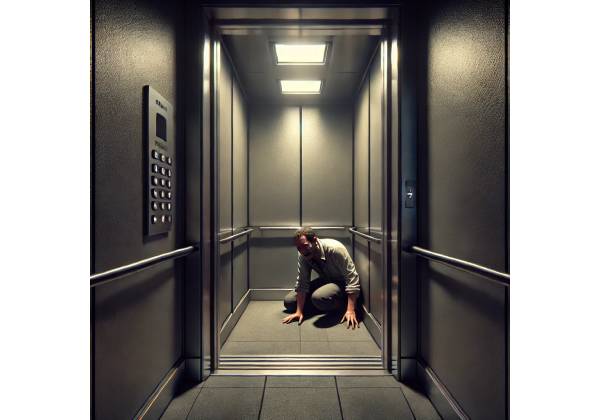
Claustrophobia can make ordinary situations feel unsafe: an elevator ride, a crowded train, a windowless room, an MRI scanner, a tunnel, or even the thought of being unable to leave. For some people, the fear is uncomfortable but manageable. For others, it changes travel plans, medical care, work, social life, and daily routines.
The most effective care usually focuses on helping the brain relearn safety in enclosed or restricted spaces, not simply “calming down” in the moment. Treatment may include cognitive behavioral therapy, carefully planned exposure practice, practical coping skills, support from family or clinicians, and, in selected cases, medication for broader anxiety or procedure-related distress. Recovery is possible, but it works best when treatment is gradual, collaborative, and specific to the situations a person wants to reclaim.
Table of Contents
- Claustrophobia Treatment Starting Point
- Assessment and Diagnosis
- Exposure Therapy and CBT
- Daily Management and Coping
- Medication and Medical Procedure Support
- When to Seek Specialist or Urgent Care
- Recovery, Support, and Relapse Prevention
Claustrophobia Treatment Starting Point
Claustrophobia is usually treated as a situational specific phobia, meaning the fear is tied to particular enclosed, crowded, or hard-to-leave settings. Treatment becomes worth considering when avoidance, anticipatory anxiety, or panic-like symptoms interfere with health care, travel, work, family life, or personal freedom.
The fear is not always about the space itself. Many people fear what might happen inside the space: suffocating, losing control, fainting, being trapped, having a panic attack, embarrassing themselves, or being unable to get help. That distinction matters because effective treatment targets the feared prediction, not only the location. An elevator may feel dangerous because it is small, but the deeper fear may be, “I will not be able to breathe,” or “I will panic and be stuck.”
Common triggers include elevators, tunnels, airplanes, subway cars, small rooms, windowless offices, crowded venues, locked doors, car washes, medical scanners, and seats where movement feels restricted. Some people also feel claustrophobic in hair salons, dental chairs, movie theaters, traffic, or clothing that feels tight around the neck or chest. A companion article on common claustrophobia symptoms can be useful when someone is still trying to name what is happening.
The first treatment decision is not “Can I force myself through this?” but “What level of help fits the severity and risks?” Mild claustrophobia may improve with education, planned practice, and anxiety-management skills. Moderate claustrophobia often responds best to structured therapy. Severe claustrophobia, especially when it blocks necessary medical care or co-occurs with panic disorder, PTSD, agoraphobia, depression, or substance use, deserves professional assessment.
A helpful starting point is to define the specific life goals affected by the fear. Examples include completing an MRI, using elevators at work, taking public transit, flying to visit family, sitting through a meeting in a small room, or entering crowded places without needing to map every exit. Concrete goals make treatment more focused and less overwhelming.
Claustrophobia treatment also works better when it separates coping from avoidance. Coping helps a person stay present long enough to learn that the feared outcome does not occur or can be tolerated. Avoidance gives short-term relief but often teaches the brain that escape was necessary for survival. The same behavior can be either coping or avoidance depending on how it is used. For example, standing near an elevator exit during early practice may be reasonable; refusing to enter unless escape is guaranteed may keep the fear cycle alive.
Assessment and Diagnosis
A good assessment clarifies whether the problem is claustrophobia alone, part of another anxiety condition, related to trauma, or connected to medical symptoms. This matters because treatment for a specific phobia may differ from treatment for panic disorder, PTSD, agoraphobia, or a medical condition that causes shortness of breath or dizziness.
A clinician will usually ask about the situations that trigger fear, how long the fear has been present, how intense the reaction becomes, what the person avoids, and how much life has narrowed around the fear. They may ask whether symptoms occur only in enclosed spaces or also appear unexpectedly in neutral settings. Panic attacks that occur only in elevators or scanners fit a different pattern than panic attacks that come “out of the blue” at home, while driving, or while resting.
Assessment may include questions such as:
- Which spaces or situations are avoided?
- What is the feared outcome: suffocation, panic, fainting, being trapped, humiliation, or loss of control?
- Does anxiety rise before the situation, during it, or both?
- What safety behaviors are used, such as sitting near exits, keeping doors open, checking air vents, carrying sedatives, or needing a companion?
- Has the fear affected medical care, travel, work, school, or relationships?
- Are there symptoms of trauma, depression, substance use, obsessive-compulsive symptoms, or broader anxiety?
Screening tools can help organize symptoms, but they do not replace a clinical interview. In primary care or mental health settings, anxiety screening may be used to identify broader patterns that deserve follow-up. For claustrophobia specifically, clinicians may use structured questions, fear ratings, behavioral approach tasks, or phobia questionnaires to understand severity and track progress.
The differential diagnosis is important. Claustrophobia can overlap with panic disorder because both can involve racing heart, chest tightness, trembling, sweating, dizziness, and fear of losing control. It can overlap with agoraphobia when the central fear is being unable to escape or get help. It can overlap with PTSD when enclosed spaces resemble elements of a traumatic event. It can also be confused with medical problems that cause breathlessness, palpitations, faintness, or heat intolerance.
The goal of diagnosis is not to label someone as “irrational.” Many people with claustrophobia know the elevator, scan room, or subway car is not objectively dangerous, yet their body reacts as if escape is urgent. A careful assessment validates the experience while identifying the most effective path forward.
Exposure Therapy and CBT
Exposure-based cognitive behavioral therapy is the best-established treatment approach for claustrophobia. It helps a person approach feared situations in a planned, repeated, and tolerable way so the nervous system can learn that danger is lower than predicted and discomfort can pass without escape.
Exposure therapy is not the same as being thrown into the most frightening situation without preparation. Good exposure work is collaborative. The therapist and patient identify feared situations, rank them by difficulty, predict what the person expects will happen, practice entering those situations, and review what was learned. The aim is not to eliminate anxiety instantly. The aim is to build new learning: “I can stay,” “My body can calm down,” “This sensation is uncomfortable but not dangerous,” or “I can handle uncertainty better than I thought.”
CBT may also address the thoughts that intensify claustrophobia. These can include overestimating danger, underestimating coping ability, misreading normal anxiety sensations, or interpreting temporary breathlessness as proof of suffocation. Therapy may involve testing these beliefs through experience rather than debating them only in conversation. For example, a person who fears running out of air in an elevator may practice short elevator rides while noticing that air supply remains adequate and anxiety naturally rises and falls.
A structured hierarchy is often used. The person may begin with lower-intensity steps, such as standing near an elevator, then entering with the door held open, riding one floor with a therapist or support person, riding alone for one floor, and later taking longer rides at busier times. Someone preparing for an MRI may begin by looking at photos of scanners, listening to scanner sounds, lying on a narrow surface, practicing with a towel near the face, visiting the imaging center, and then completing a scan with agreed supports.
| Treatment option | How it helps | Best fit |
|---|---|---|
| Exposure therapy | Builds new safety learning through planned contact with feared spaces | Most people with situation-specific claustrophobia |
| Cognitive behavioral therapy | Addresses fear predictions, avoidance patterns, and coping behaviors | Claustrophobia with strong catastrophic thoughts or panic symptoms |
| Virtual reality exposure | Provides simulated practice when real-world exposure is hard to arrange | Selected cases with trained guidance and appropriate technology |
| Skills-based anxiety management | Improves breathing, grounding, and tolerance of body sensations | Useful support, especially early in treatment |
| Medication support | May reduce broader anxiety or help with specific procedures | Not usually the main treatment for specific phobia, but sometimes helpful |
Some people benefit from interoceptive exposure, which means safely practicing feared body sensations such as breathlessness, warmth, dizziness, or a racing heart. This may be useful when the enclosed space triggers fear of panic sensations. A therapist might guide brief exercises that create mild sensations and then help the person learn that the sensations are temporary and manageable.
More general resources on exposure therapy for anxiety and CBT for anxiety can help explain the broader treatment principles, but claustrophobia work should still be tailored to the person’s actual triggers.
Virtual reality exposure therapy may be an option when real-world practice is difficult, expensive, or unsafe to arrange repeatedly. It can simulate elevators, airplanes, tunnels, crowded rooms, or medical settings. It is not necessary for everyone, and it should not replace real-life practice when real-life practice is available and appropriate. Its main value is creating a bridge between imagining the feared situation and facing it directly.
Daily Management and Coping
Daily management works best when it supports gradual approach rather than helping avoidance become more elaborate. The goal is to reduce the power of claustrophobia while keeping life as functional and flexible as possible.
A useful self-management plan starts with a written fear map. List the situations that trigger anxiety, rate each from 0 to 100, and note the feared outcome. A person may discover that a small office with an unlocked door is a 35, a packed elevator is a 70, and an MRI is a 95. This makes progress easier to plan because treatment can begin below the panic zone rather than at the hardest possible step.
Breathing and grounding skills can help, but they should be used carefully. Slow breathing, lengthened exhale, orienting to the room, feeling the feet on the floor, and naming visible objects can reduce panic escalation. However, if a person believes, “I can only survive an elevator if I do this breathing exercise perfectly,” the skill may become another safety behavior. A better frame is, “This helps me stay present while I learn I can handle the space.”
Practical coping strategies may include:
- Practicing at predictable times before trying peak-hour crowds.
- Starting with short, repeatable exposures rather than rare high-stakes events.
- Using a support person as a coach, not a rescuer.
- Reducing reassurance rituals gradually.
- Repeating a step until confidence grows, then increasing difficulty.
- Tracking what actually happened compared with what was feared.
Support people should avoid two extremes: dismissing the fear or organizing life entirely around it. Helpful support sounds like, “I’ll practice with you for one floor, and we’ll stay until the anxiety drops a little,” not “You’re being dramatic,” and not “We’ll never use elevators again.” Family accommodation can be compassionate in the short term but limiting over time when it reinforces the idea that the feared space must always be avoided.
For children and teens, management should be developmentally appropriate. A child who panics in small rooms or crowded school spaces may need a pediatric or child mental health assessment, especially if school refusal, sleep problems, separation anxiety, or trauma symptoms are also present. Parents can help by praising brave behavior, using predictable practice steps, and avoiding repeated warnings that make enclosed spaces seem more dangerous.
Lifestyle habits do not cure claustrophobia by themselves, but they affect anxiety tolerance. Poor sleep, heavy caffeine use, alcohol withdrawal, hunger, dehydration, and chronic stress can make the body more reactive. Someone who has strong physical anxiety symptoms may also benefit from learning about panic attack coping, especially if claustrophobic situations trigger sudden surges of fear.
Medication and Medical Procedure Support
Medication is not usually the primary treatment for claustrophobia itself, but it may play a role when symptoms are severe, when another anxiety disorder is present, or when a necessary medical procedure cannot otherwise be completed. Medication decisions should be individualized with a licensed clinician.
For a pure specific phobia, exposure-based therapy is usually preferred because it can create lasting learning. Medication taken only before a feared situation may reduce distress temporarily but may not teach the brain that the situation is safe. In some cases, relying on medication before every exposure can make it harder to know whether progress came from new learning or from the belief that medication was required.
That said, medication can be appropriate in selected circumstances. A clinician may consider an SSRI or SNRI when claustrophobia is part of broader anxiety, panic disorder, depression, or multiple impairing fears. These medications are not quick fixes; they are usually taken regularly and monitored over time. They can have side effects and should not be started, stopped, or changed without professional guidance.
Short-term medications may sometimes be used for a specific medical procedure, such as an MRI, radiation treatment setup, dental procedure, or scan in a narrow machine. This requires careful planning. Sedating medication can affect driving, breathing risk, falls, memory, coordination, and interactions with alcohol, opioids, sleep medications, or other sedatives. Imaging centers and prescribing clinicians need to know what was taken and when. Some procedures require a driver afterward.
Benzodiazepines may be prescribed for acute procedural anxiety in some cases, but they are not ideal as a routine long-term strategy because of risks such as sedation, impaired coordination, tolerance, dependence, withdrawal, and dangerous interactions. Beta blockers may help some physical symptoms of performance-type anxiety, but they do not treat the underlying fear of being trapped and are not safe for everyone. People with asthma, certain heart conditions, low blood pressure, or specific medication interactions need medical review before using them. A separate discussion of propranolol for anxiety may be relevant for people considering beta blockers with a clinician.
Medication fear can also become part of the problem. Some people avoid treatment because they worry about side effects, loss of control, or feeling sedated in an enclosed space. Those concerns deserve a calm, specific conversation rather than pressure. A resource on anxiety about medication decisions may help people prepare questions for a prescriber.
For MRI-related claustrophobia, non-medication supports may include asking about wide-bore or open MRI options, visiting the scanner room beforehand, using mirrors or music when available, agreeing on a stop signal, practicing stillness in advance, and scheduling extra time. These supports should reduce unnecessary distress while still helping the person complete needed care safely.
When to Seek Specialist or Urgent Care
Specialist care is important when claustrophobia severely limits life, blocks necessary medical treatment, or occurs alongside complex symptoms. Urgent care is needed when symptoms could reflect a medical emergency, suicide risk, psychosis, mania, intoxication, withdrawal, or unsafe behavior.
Because claustrophobia can produce intense physical symptoms, people sometimes assume every episode is “just anxiety.” That can be risky. New chest pain, fainting, severe shortness of breath, one-sided weakness, confusion, irregular heartbeat, allergic reaction symptoms, or symptoms after a medication or substance change should be medically assessed. Panic can feel dramatic, but medical evaluation is appropriate when symptoms are new, severe, unusual, or different from a person’s known pattern.
Mental health urgency also matters. Seek immediate help if claustrophobia is accompanied by thoughts of self-harm, feeling unable to stay safe, severe depression, hallucinations, paranoia, extreme agitation, or behavior that could put the person or others at risk. Guidance on when to seek emergency help for mental health or neurological symptoms can support decision-making when the situation feels unclear.
A mental health specialist may be especially helpful when:
- Avoidance is spreading to more and more places.
- The person cannot complete necessary medical tests or treatments.
- Panic attacks occur outside enclosed spaces.
- Trauma memories or flashbacks are triggered by confinement.
- Alcohol, cannabis, sedatives, or other substances are being used to get through feared situations.
- Depression, suicidal thoughts, obsessive fears, eating problems, or severe sleep problems are also present.
- Previous attempts at exposure felt overwhelming or made avoidance worse.
- A child or teen is missing school, activities, or medical care because of the fear.
Specialist care may involve a psychologist, psychiatrist, licensed therapist trained in CBT and exposure therapy, or an anxiety-disorders clinic. For medical-procedure claustrophobia, coordination between the ordering clinician, imaging center, anesthesiology or sedation team, and mental health professional may be needed.
It is also worth seeking help when accommodations have become the main treatment. Avoiding all elevators, refusing travel, declining medical scans, or only entering rooms after checking every exit may feel practical, but these patterns can quietly shrink life. Therapy can help preserve genuine safety needs while reducing fear-driven rules.
Recovery, Support, and Relapse Prevention
Recovery from claustrophobia usually means regaining choice, not never feeling anxious again. A person may still prefer open spaces or feel a brief surge of discomfort in a crowded elevator, but the fear no longer controls major decisions.
Progress often comes in uneven steps. Early gains may be specific: one elevator, one scanner, one route, one room. Later work helps generalize progress to different buildings, times of day, levels of crowding, and situations where the person has less control. This is why relapse prevention should include variety. Practicing only one “safe” elevator may not fully transfer to airports, hospitals, older buildings, or packed trains.
A relapse-prevention plan should identify warning signs early. These may include taking stairs again “just this once,” canceling appointments that involve waiting rooms, needing more reassurance before entering small spaces, or avoiding travel plans that used to feel manageable. The response is not self-criticism. It is a return to practice.
Long-term maintenance may include:
- Scheduling occasional elevator, tunnel, transit, or small-room practice.
- Revisiting harder steps before major events such as flights or scans.
- Reducing safety behaviors that are no longer needed.
- Keeping a written record of successful exposures.
- Practicing in different locations and with different levels of crowding.
- Asking support people to encourage approach rather than rescue.
- Returning to therapy for booster sessions if avoidance grows again.
Support groups, peer stories, and trusted family support can reduce shame, but they should not replace treatment when the fear is impairing. Some online communities unintentionally reinforce avoidance by focusing only on worst-case experiences. The most useful support normalizes fear while encouraging workable steps forward.
Recovery can also change how a person sees themselves. Claustrophobia often creates a private story of weakness, embarrassment, or being “difficult.” Successful treatment challenges that story. The person learns that anxiety can be intense and still survivable, that the body can send false alarms, and that confidence often returns through repeated evidence rather than willpower alone.
The best outcome is practical freedom: taking the elevator when it saves time, completing medical care without days of dread, traveling with less planning around escape, sitting through meetings, using public transportation, or entering crowded settings with realistic confidence. Those gains are meaningful because they return time, options, and attention to the rest of life.
References
- Claustrophobia 2023 (Review)
- Specific Phobia 2024 (Review)
- Cognitive Restructuring Before Versus After Exposure: Effect on Expectancy and Outcome in Individuals With Claustrophobia 2022 (Research Article)
- Mechanisms of Change in Exposure Therapy for Anxiety and Related Disorders: A Research Agenda 2025 (Review)
- A systematic review of randomized controlled trials on immersive virtual reality for treating anxiety disorders 2025 (Systematic Review)
- Clinical Practice Guideline for the Assessment and Treatment of Children and Adolescents With Anxiety Disorders 2020 (Guideline)
Disclaimer
This article is for general educational purposes only and is not a substitute for professional medical advice, diagnosis, or treatment. Claustrophobia, panic symptoms, medication decisions, and procedure-related anxiety should be discussed with a qualified clinician, especially when symptoms are severe, new, medically complex, or interfere with necessary care.
Share this article on Facebook, X, or your preferred platform to help others better understand claustrophobia treatment and recovery.