“Cognitive behavioral disorder” is not usually used as a single formal diagnosis in major psychiatric classification systems. In clinical language, it is better understood as a descriptive phrase for conditions in which changes in thinking and behavior appear together. These changes may involve memory, attention, judgment, impulse control, emotional regulation, social behavior, or the ability to carry out daily responsibilities.
Because the phrase can point to several different underlying conditions, the most important question is not only “What are the symptoms?” but also “What pattern do the symptoms follow, and what might be causing them?” A sudden change in confusion, behavior, or awareness has a different meaning from a slow decline over years. Symptoms that began in childhood differ from changes that appear after a head injury, infection, mood episode, substance exposure, sleep disorder, or neurodegenerative disease.
Table of Contents
- What Cognitive Behavioral Disorder Means
- Cognitive and Behavioral Symptoms
- Signs in Daily Life
- Causes and Contributing Conditions
- Risk Factors and Vulnerability Patterns
- Diagnostic Context and Differential Diagnosis
- Complications and Urgent Warning Signs
What Cognitive Behavioral Disorder Means
The safest way to understand cognitive behavioral disorder is as a broad descriptive term, not a precise diagnosis by itself. It refers to a pattern in which cognitive symptoms and behavioral symptoms occur together and affect daily functioning, relationships, safety, work, school, or independence.
“Cognitive” symptoms involve thinking skills. These may include attention, memory, language, planning, judgment, decision-making, processing speed, problem-solving, or awareness of one’s own difficulties. “Behavioral” symptoms involve observable actions, habits, impulses, social conduct, emotional expression, motivation, or changes in personality.
This distinction matters because many conditions can create a cognitive-behavioral pattern. In one person, the main issue may be memory loss and poor judgment from a neurocognitive disorder. In another, it may be inattention, impulsivity, and emotional reactivity related to a neurodevelopmental condition. In someone else, depression, bipolar disorder, trauma, psychosis, sleep deprivation, substance use, medication effects, infection, or metabolic illness may be driving the change.
A helpful way to think about the term is to ask three questions:
- Is the change mainly new, lifelong, or episodic?
- Are thinking problems, behavior changes, or mood symptoms most prominent?
- Is the person’s functioning clearly different from their usual baseline?
A cognitive-behavioral pattern can be mild and subtle, such as increasing forgetfulness with small changes in organization. It can also be severe, such as unsafe wandering, marked disinhibition, paranoia, sudden confusion, aggression, or inability to manage basic needs.
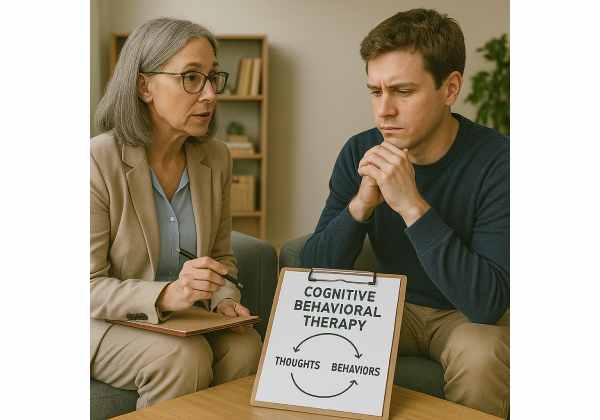
The phrase is sometimes confused with cognitive behavioral therapy, often called CBT. These are different concepts. Cognitive behavioral therapy is a type of psychotherapy. Cognitive behavioral disorder, as used here, refers to symptoms or conditions involving both thinking and behavior.
In formal medical settings, clinicians usually try to identify a more specific diagnosis rather than stop at this broad label. Depending on the symptoms, that process may involve mental health screening, cognitive testing, neurological evaluation, medical history, medication review, sleep assessment, laboratory testing, or brain imaging. For readers trying to understand how thinking symptoms are measured, cognitive testing can help clarify which abilities are being evaluated and why.
Cognitive and Behavioral Symptoms
The central feature is a combined change in thinking and behavior that is noticeable, persistent, recurrent, or disruptive. The exact symptom pattern depends on the underlying cause, the person’s age, the speed of onset, and which brain or psychological systems are most affected.
Cognitive symptoms may include problems with:
- Attention, such as losing track of conversations, tasks, or instructions
- Working memory, such as forgetting what was just said or why one entered a room
- Learning and recall, such as repeating questions or misplacing items frequently
- Executive function, such as poor planning, disorganization, or difficulty starting tasks
- Judgment, such as risky decisions, scams, unsafe driving, or poor money choices
- Language, such as word-finding trouble, reduced fluency, or difficulty following complex speech
- Processing speed, such as needing much longer to understand or respond
- Social cognition, such as misreading social cues, losing empathy, or acting out of character
Behavioral symptoms may include apathy, agitation, irritability, impulsivity, repetitive actions, emotional outbursts, social withdrawal, disinhibition, suspiciousness, wandering, compulsive behaviors, sleep-wake disruption, appetite changes, or reduced self-care. Some people seem “not like themselves.” Others appear outwardly normal but struggle with organization, inhibition, emotional control, or mental flexibility.
| Domain | Possible symptoms | What it may look like |
|---|---|---|
| Attention | Distractibility, mental drifting, poor concentration | Cannot finish tasks, loses the thread of conversation |
| Memory | Forgetfulness, repetition, missed appointments | Asks the same question or relies heavily on reminders |
| Executive function | Poor planning, weak inhibition, disorganization | Bills, work tasks, cooking, or errands become difficult |
| Social behavior | Disinhibition, reduced empathy, poor boundaries | Says inappropriate things or ignores social cues |
| Emotional regulation | Irritability, apathy, anxiety, mood swings | Reacts more strongly than usual or seems emotionally flat |
Symptoms may be more obvious to family members, coworkers, teachers, or caregivers than to the person experiencing them. Some conditions reduce insight, meaning the person may not recognize the severity of the change. In other cases, the person is highly aware of the symptoms and may feel distressed, embarrassed, or fearful.
Cognitive-behavioral symptoms can also overlap with ordinary stress, grief, exhaustion, or sleep loss. The difference is usually persistence, severity, change from baseline, and impact. Occasional forgetfulness is common. Forgetting how to perform familiar tasks, repeatedly getting lost, showing sudden personality change, or becoming unable to manage normal responsibilities is more concerning.
Signs in Daily Life
A cognitive-behavioral problem often becomes visible when ordinary routines start breaking down. The signs may appear at home, school, work, in relationships, or in tasks that require judgment, memory, flexibility, and self-control.
At home, a person may leave appliances on, forget medications, neglect hygiene, lose important documents, or become unusually suspicious about misplaced items. They may struggle with cooking steps, online banking, household repairs, or following through on plans. A previously careful person may make impulsive purchases, fall for scams, or stop noticing risks that once would have been obvious.
At work or school, signs may include missed deadlines, careless mistakes, difficulty following instructions, reduced productivity, emotional outbursts, poor attendance, or trouble adapting to changes. Some people compensate for a long time by using lists, reminders, extra effort, or help from others. As demands increase, the underlying difficulty may become more visible.
In relationships, cognitive-behavioral changes may look like reduced empathy, irritability, withdrawal, blunt comments, repetitive reassurance-seeking, suspiciousness, poor boundaries, or sudden conflict. Family members may describe the person as more rigid, impulsive, apathetic, emotionally unpredictable, or socially inappropriate.
Daily-life signs are especially important because many diagnostic decisions depend on function, not symptoms alone. A person can have measurable cognitive weakness but still manage daily life independently. Another person may have fewer test abnormalities but significant real-world impairment because behavior, judgment, awareness, or safety has changed.
It can help to notice the pattern of change:
- Sudden onset over hours or days may suggest delirium, intoxication, withdrawal, infection, seizure activity, stroke, medication effects, or another acute medical issue.
- Stepwise worsening may occur after repeated vascular events or certain neurological injuries.
- Slow progression over months to years raises concern for neurocognitive disorders or chronic medical contributors.
- Lifelong patterns beginning in childhood may fit neurodevelopmental conditions such as ADHD, autism, learning disorders, or intellectual developmental disorders.
- Episodic changes may suggest mood disorders, psychosis, sleep disorders, substance-related problems, migraine, seizures, or trauma-related symptoms.
When forgetfulness, confusion, or behavior change is the main concern, a structured evaluation of memory loss and mental confusion can help distinguish normal variation from patterns that need closer assessment. If the person’s symptoms involve concentration, sleep, anxiety, or attention problems, testing trouble concentrating may help separate overlapping causes.
Causes and Contributing Conditions
There is no single cause of cognitive behavioral disorder because the phrase describes a symptom pattern rather than one disease. The main possibilities include neurocognitive, psychiatric, neurodevelopmental, neurological, medical, sleep-related, substance-related, and medication-related causes.
Neurocognitive disorders are a major category. Mild neurocognitive disorder involves cognitive decline that is greater than expected but does not fully remove independence. Major neurocognitive disorder, often called dementia in everyday language, involves cognitive decline severe enough to interfere with independent daily functioning. Alzheimer’s disease, vascular dementia, Lewy body dementia, frontotemporal dementia, Parkinson disease dementia, and other neurological conditions can all produce cognitive and behavioral symptoms. Frontotemporal dementia, for example, may first appear as personality change, disinhibition, apathy, or loss of empathy rather than obvious memory loss.
Delirium is different. It is usually acute, fluctuating, and medically urgent. It can involve confusion, inattention, altered alertness, hallucinations, agitation, sleep-wake reversal, or sudden behavioral change. Delirium can be triggered by infection, surgery, dehydration, medication effects, substance withdrawal, metabolic problems, pain, or severe illness.
Psychiatric conditions can also affect thinking and behavior. Depression may cause slowed thinking, poor concentration, indecision, memory complaints, withdrawal, and reduced motivation. Bipolar disorder may involve impulsivity, reduced sleep, distractibility, risky behavior, agitation, or poor judgment during manic or mixed states. Psychotic disorders may involve disorganized thinking, hallucinations, delusions, social withdrawal, or impaired reality testing. Trauma-related and anxiety disorders can affect attention, threat perception, sleep, memory, and emotional regulation.
Neurodevelopmental conditions often begin early in life but may be recognized later. ADHD can involve inattention, impulsivity, time blindness, emotional reactivity, and executive dysfunction. Autism can involve differences in social communication, sensory processing, flexibility, and behavior. Learning disorders and intellectual developmental disorders can affect academic, practical, and adaptive functioning.
Medical and neurological contributors must also be considered. Traumatic brain injury, stroke, epilepsy, brain tumors, autoimmune disorders, endocrine problems, vitamin deficiencies, chronic pain, sleep apnea, insomnia, infections, liver or kidney disease, and sensory loss can all affect cognition and behavior. Alcohol, sedatives, cannabis, stimulants, opioids, anticholinergic medications, steroid exposure, and drug withdrawal may also contribute.
Because mood, medical, and neurological causes can resemble one another, clinicians often consider conditions that mimic psychiatric symptoms. For example, medical causes that mimic anxiety and depression may also create concentration problems, sleep disturbance, irritability, or mental slowing.
Risk Factors and Vulnerability Patterns
Risk factors depend on the underlying condition, but several patterns increase vulnerability to cognitive and behavioral symptoms. Some risks are biological, some are medical, and others involve sleep, substances, stress, injury, or social environment.
Age is an important factor for neurocognitive disorders, but it is not the only one. Cognitive-behavioral symptoms can occur in children, teens, adults, and older adults. In older adults, increasing age raises the likelihood of mild cognitive impairment, dementia, delirium during illness, medication sensitivity, sensory loss, and vascular disease. In younger people, symptoms may be more likely to reflect neurodevelopmental conditions, mood disorders, sleep deprivation, substance exposure, trauma, head injury, or medical illness.
Family history can matter, especially for some neurodegenerative, psychiatric, and neurodevelopmental conditions. A family history does not guarantee that a person will develop the same condition, but it can increase suspicion when symptoms fit the pattern.
Vascular and metabolic risks are particularly relevant to cognition. High blood pressure, diabetes, smoking, high cholesterol, obesity, heart disease, and prior stroke can affect blood flow and brain health. These factors may contribute to vascular cognitive impairment and can also worsen other brain conditions.
Sleep disruption is another common vulnerability. Chronic insomnia, untreated sleep apnea, shift-work sleep disruption, and severe sleep deprivation can impair attention, memory, impulse control, mood stability, and decision-making. In some people, sleep problems may look like ADHD, depression, anxiety, or cognitive decline.
Substance use and medication effects are frequent contributors. Alcohol use, sedative use, intoxication, withdrawal states, and combinations of medications can affect cognition and behavior. Older adults may be especially vulnerable to medications with anticholinergic or sedating effects. Sudden changes after a new medication, dose increase, or drug interaction deserve careful attention.
Psychological and social factors can also shape risk. Chronic stress, trauma exposure, social isolation, bereavement, financial strain, and caregiving stress may worsen mood, sleep, attention, and emotional control. These factors do not mean symptoms are “not real.” They can produce measurable changes in functioning and may interact with biological vulnerabilities.
Head injury is a distinct risk. Even mild traumatic brain injury can cause short-term cognitive, emotional, and behavioral symptoms, while repeated or more severe injuries may increase the risk of longer-lasting impairment. For readers trying to separate trauma, attention, and psychiatric overlap, the relationship between ADHD and trauma overlap is one example of how different causes can look similar on the surface.
Diagnostic Context and Differential Diagnosis
A diagnosis usually focuses on identifying the specific condition behind the cognitive-behavioral pattern. Clinicians look at onset, duration, symptom clusters, functional impact, medical history, mental status, neurological signs, medications, substance use, sleep, and changes from the person’s usual baseline.
The first distinction is often timing. Sudden confusion or altered awareness suggests a different pathway from lifelong inattention or gradual memory decline. A fluctuating state over hours may point toward delirium, intoxication, withdrawal, seizure activity, or another acute medical cause. A slow decline in memory and function may suggest a neurocognitive disorder. Episodic changes in energy, sleep, mood, or reality testing may suggest mood or psychotic disorders.
The second distinction is the main symptom domain. Prominent forgetfulness may suggest memory-based cognitive impairment, depression-related cognitive symptoms, sleep deprivation, medication effects, or early neurocognitive disease. Prominent disinhibition and personality change may raise concern for frontal-lobe involvement, substance effects, mania, traumatic brain injury, or frontotemporal dementia. Prominent fear, avoidance, intrusive thoughts, or hypervigilance may point toward anxiety, OCD, or trauma-related disorders.
The third distinction is functional impact. Clinicians consider whether the person can still manage finances, medications, transportation, cooking, work, school, self-care, and relationships. A key difference between mild and major neurocognitive disorders is whether independence is preserved or substantially impaired.
Diagnostic evaluation may include:
- A detailed history from the person and, when appropriate, someone who knows them well
- Review of onset, course, triggers, and examples of real-world change
- Screening for depression, anxiety, bipolar symptoms, psychosis, trauma, substance use, and suicide risk when relevant
- Cognitive screening or formal neuropsychological testing
- Physical and neurological examination when medical or neurological causes are possible
- Medication and substance review
- Laboratory testing for reversible contributors such as thyroid disease, vitamin deficiency, metabolic disturbance, infection, or inflammatory conditions when clinically indicated
- Brain imaging, EEG, sleep testing, or specialist evaluation when symptoms suggest a neurological or sleep-related cause
Screening tools can support evaluation, but they do not replace clinical judgment. A positive screen does not automatically mean a diagnosis, and a normal screen does not always rule out a problem. This is why the difference between screening and diagnosis in mental health matters. For broader assessment, a mental health evaluation may include history, symptom review, risk assessment, and consideration of medical or substance-related contributors.
Complications and Urgent Warning Signs
The main complications are loss of function, safety problems, worsening relationships, diagnostic delay, and missed medical causes. Cognitive-behavioral symptoms can affect nearly every part of daily life because thinking, judgment, emotion, and behavior guide how a person manages responsibilities and risk.
Functional complications may include missed work, academic decline, unpaid bills, unsafe driving, medication errors, poor nutrition, self-neglect, falls, getting lost, conflict with others, legal problems, or vulnerability to exploitation. People with reduced insight may reject help or deny risks, even when others can clearly see the change.
Relationship complications are also common. Apathy may be misread as laziness or lack of care. Irritability may be seen as intentional hostility. Disinhibition may cause embarrassment, conflict, or social consequences. Memory problems can create repeated arguments about forgotten plans, accusations, or misunderstandings. Families may struggle to know whether the person is choosing the behavior or experiencing symptoms they cannot fully control.
Emotional complications can include shame, fear, depression, anxiety, anger, isolation, or loss of confidence. Some people withdraw because they notice mistakes and feel overwhelmed. Others become defensive because the symptoms threaten their independence or identity.
A major risk is delayed recognition of urgent causes. Sudden cognitive or behavioral change can be a sign of delirium, stroke, seizure, infection, head injury, intoxication, withdrawal, metabolic disturbance, or another serious medical problem. Urgent professional evaluation is especially important when symptoms include sudden confusion, new weakness or facial droop, severe headache, seizure, loss of consciousness, fever with altered mental status, new hallucinations with danger, suicidal thoughts, threats of harm, inability to care for basic needs, or rapidly worsening behavior after a medication or substance change.
Another complication is mislabeling. A person with depression-related cognitive symptoms may be assumed to have dementia. A person with early neurocognitive disease may be dismissed as stressed. A person with trauma, ADHD, autism, sleep apnea, or substance-related symptoms may receive an incomplete explanation if only one symptom is considered. When symptoms include hallucinations, delusions, or disorganized thinking, a focused psychosis evaluation may be needed to clarify the pattern and level of risk.
The most useful way to interpret complications is to look for change, impairment, and safety. Mild forgetfulness without functional decline is different from a clear shift in personality, judgment, awareness, or independence. The more sudden, severe, risky, or progressive the change is, the more important it is to identify the underlying cause promptly.
References
- Clinical descriptions and diagnostic requirements for ICD-11 mental, behavioural and neurodevelopmental disorders (CDDR) 2024 (Guideline)
- Cognitive Deficits 2023 (Review)
- Behavioral and Psychological Symptoms in Dementia 2024 (Review)
- Depressive Cognitive Disorders 2025 (Review)
- Mild Cognitive Impairment 2024 (Review)
- Major Neurocognitive Disorder (Dementia) 2022 (Review)
Disclaimer
This content is for general educational purposes only and is not a substitute for professional medical advice, diagnosis, or treatment. Cognitive and behavioral changes can have many causes, including urgent medical conditions, so new, sudden, severe, or unsafe symptoms should be evaluated by a qualified health professional.
Thank you for taking the time to read this article; sharing it may help someone else recognize when cognitive and behavioral changes deserve careful attention.