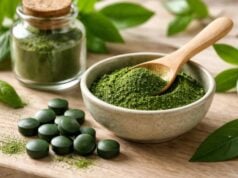
Costmary (Tanacetum balsamita) is a fragrant, old-world herb that has quietly moved between kitchen and apothecary for centuries. It belongs to the daisy family, and its long, soft leaves carry a pleasant, balsamic aroma that many people describe as minty-lemon with a gentle bitterness underneath. Historically, costmary earned names like “alecost” and “bible leaf” because it flavored drinks and foods, and its scented leaves were tucked into books as natural bookmarks.
Today, interest in costmary centers on its essential-oil chemistry and its traditional role in digestive comfort. In food-sized amounts, it is mainly used as a culinary aromatic and a soothing after-meal herb. In more concentrated forms, costmary extracts and essential oils are studied for antioxidant and antimicrobial activity, with early animal and laboratory work also exploring metabolic and enzyme-related effects. Still, human research is limited, so the best use is practical and conservative: choose the right form, keep the dose modest, and treat it as supportive rather than curative.
Essential Insights
- May ease mild bloating and post-meal discomfort when used regularly as a tea or culinary herb.
- Shows antioxidant and antimicrobial activity in laboratory studies, with early animal research suggesting metabolic support potential.
- Typical tea range: dried leaf 1–2 g per cup, up to 2 cups daily.
- Avoid essential oil internal use and use extra caution with concentrated products due to chemotype variability.
- Avoid high-dose use if pregnant, breastfeeding, allergic to Asteraceae plants, or prone to seizures.
Table of Contents
- What is costmary?
- Key ingredients in costmary
- What does costmary help with?
- How to use costmary
- How much costmary per day?
- Costmary side effects and interactions
- What the evidence says
What is costmary?
Costmary (Tanacetum balsamita) is a perennial herb in the Asteraceae family (the same broad family as chamomile and many other aromatic “tea herbs”). It typically grows as a clump-forming plant with elongated, slightly fuzzy leaves and small, yellow, button-like flowers. Gardeners value it because it is hardy, long-lived, and easy to propagate from divisions. Herbalists and cooks value it for a specific combination that is uncommon in one plant: a pleasant fragrance plus a mild bitter edge.
You may see costmary under several traditional names, including:
- Balsam herb (a nod to its balsamic scent)
- Alecost (historically used to flavor ales before hops became standard)
- Bible leaf (leaves tucked into prayer books for scent and as bookmarks)
- Sweet tongue (a folk name tied to its flavor and mouthfeel)
These names point to its main traditional roles: flavoring, freshening, and soothing. In practical modern use, costmary is most often approached in three ways:
- Culinary aromatic: leaves used sparingly like a seasoning herb, especially with rich or fatty foods where bitterness can feel balancing.
- Herbal tea: a mild infusion after meals for comfort and appetite support.
- Extract or essential oil (specialized): used far less commonly, and best treated with caution due to concentration and variability.
A helpful detail for safety is that costmary is sometimes confused with related plants, especially tansy (Tanacetum vulgare). While they share a genus name, they are not interchangeable in herbal practice. If you grow or buy costmary, confirm the botanical name on the label or plant tag.
Overall, costmary is best viewed as a “bridge herb” between culinary and medicinal use: gentle enough to live in everyday cooking, but chemically interesting enough to deserve respect when concentrated.
Key ingredients in costmary
Costmary’s effects are driven mainly by its volatile oils (aromatic compounds that evaporate easily) and its polyphenols (plant compounds often associated with antioxidant behavior). The exact profile can vary significantly based on where the plant is grown, when it is harvested, and which plant part is used.
1) Essential oils and chemotypes (the biggest variable)
Costmary is known for having multiple essential-oil “chemotypes,” meaning some plants are naturally dominated by different major compounds. In practical terms, this is why one costmary plant can smell more camphor-like while another leans more minty-citrus. Commonly discussed dominant compounds include:
- Carvone (often associated with spearmint-like notes)
- Camphor (a sharper, cooling aroma)
- 1,8-cineole and borneol (fresh, resinous tones)
- Thujones (present in some chemotypes and more relevant to safety conversations)
This variability matters most when you use concentrated forms (extracts, tinctures, essential oils). Culinary use tends to smooth out these differences because doses are small.
2) Polyphenols and phenolic acids (steady, supportive chemistry)
Costmary leaves and flowering tops contain a range of polyphenols, including phenolic acids and flavonoid derivatives. These are the compounds usually linked to antioxidant capacity in lab testing. For context, many Asteraceae tea herbs share this pattern of “aroma plus polyphenols.” If you want a familiar comparison point for how flavonoid-rich tea herbs are typically discussed, see chamomile’s key active compounds.
3) Bitter principles (why it pairs well with meals)
Beyond fragrance, costmary has a mild bitterness that can be useful in culinary and post-meal traditions. Many people find that gentle bitters help meals feel “complete,” especially heavy meals. This is less about a dramatic pharmacological effect and more about supporting normal digestive signaling and appetite rhythm.
4) Plant fibers and trace nutrients (food-level contributions)
Like most leafy herbs, costmary contributes small amounts of fiber and micronutrients when eaten. These are not the main reason people use it, but they add to the overall “food as function” value if you use it consistently.
The key takeaway is simple: costmary is not one ingredient. It is a plant with a flexible chemical profile, and the more concentrated your preparation is, the more you should care about sourcing, plant part, and product quality.
What does costmary help with?
Costmary is most often used for digestive comfort, supported by its traditional identity as a carminative-style herb (a category associated with easing gas, heaviness, and post-meal discomfort). Modern research is still limited in humans, but the combination of aromatic oils and plant polyphenols makes its traditional uses plausible, especially at gentle doses.
1) Bloating, gas, and “heavy meal” discomfort
Many people reach for costmary tea when they feel overly full, gassy, or sluggish after meals. The likely benefit is subtle: aroma compounds can support normal digestive secretions and motility, while the mild bitter edge may help normalize the “start-to-finish” digestive sequence for some individuals. Practically, this looks like:
- Less pressure or fullness after rich foods
- Easier belching or gas release when that is a normal response
- Better appetite regulation when stress dulls hunger or disrupts meal rhythm
If you already use mint-family herbs for similar reasons, costmary can feel like a cousin in function, though it comes from a different plant family. A useful comparison is peppermint for digestive comfort, which is often chosen for post-meal relief because of its aroma-driven effects.
2) Appetite support and “settling the stomach”
Costmary is sometimes described as a tonic herb in traditional settings. In modern language, that often means it is used to gently stimulate appetite, reduce mild nausea, or help people feel more comfortable eating after illness or stress. This is not a strong anti-nausea medication, but it can be a helpful ritual: warm tea, gentle bitterness, and a familiar scent.
3) Antioxidant and microbial balancing potential (mostly preclinical)
Laboratory studies of costmary extracts and essential oils frequently report antioxidant activity and antimicrobial effects. In real-world use, this does not translate into treating infections, but it does help explain why aromatic herbs have been valued in food preservation and digestive traditions.
4) Metabolic and enzyme-related effects (early evidence)
Some preclinical work explores how costmary extracts interact with enzymes involved in carbohydrate and fat processing, and animal studies have investigated impacts on lipid and glucose markers. These findings are interesting, but they are not yet a reason to self-treat metabolic disease with costmary. They are best seen as supportive evidence that the plant’s chemistry is biologically active.
What to expect realistically
- Short-term: a noticeable scent-and-comfort effect, especially as a tea after meals.
- Longer-term: possible supportive changes only if used consistently and paired with healthy routines, with the understanding that strong human data is limited.
How to use costmary
The most effective way to use costmary is to pick a form that matches your goal and keeps the dose reasonable. Because costmary can vary in strength, it helps to start small and build a routine you can repeat.
1) Culinary use (the safest and most sustainable)
Costmary leaves can be used fresh or dried, but they are usually best in small amounts. Think of it as a “seasoning leaf” rather than a salad green.
- With rich foods: add a little to roasted vegetables, beans, stews, or fatty fish dishes to balance heaviness.
- In sauces: finely chop fresh leaves into yogurt-based sauces, herb butters, or vinaigrettes.
- As a finishing herb: add near the end of cooking to preserve aroma.
A practical tip: costmary’s flavor can become dominant if overused. Start with a few chopped leaves, taste, and adjust slowly.
2) Tea or infusion (classic digestive routine)
For many people, costmary shines as a warm after-meal tea.
- Lightly chop or bruise the leaves (fresh or dried).
- Steep in hot water, then strain.
- Sip slowly after meals or in the evening.
If you want a gentler profile, blend costmary with milder herbs rather than increasing the dose. This keeps the ritual pleasant while limiting concentrated exposure.
3) Tinctures and extracts (use only with clarity and restraint)
If you use a tincture or extract, look for labels that clearly state:
- Plant part (leaf, aerial parts, flowering tops)
- Extract ratio or standardization
- Suggested serving size in mL or mg
Because products can vary, treat tinctures as short trials, not indefinite daily habits.
4) Essential oil (special caution)
Costmary essential oil is highly concentrated and more likely to cause adverse effects if misused. For most people, the safest approach is:
- Use only aromatically (for example, in a diffuser)
- Avoid internal use
- Avoid undiluted topical use
5) Storage and quality tips
- Store dried leaves in a cool, dark place in an airtight container.
- Replace older dried stock regularly, because aromatic strength fades.
- If growing at home, harvest leaves before flowering for a softer flavor.
If you enjoy working with aromatic leaves in cooking, you may also like the “small dose, big aroma” approach described in garden sage uses and benefits, which mirrors how many potent culinary herbs are best used: sparingly, consistently, and with attention to taste.
How much costmary per day?
Costmary dosing is best thought of in tiers: culinary use, tea-style use, and supplement-level use. Because strong human dosing data is limited, the goal is to stay conservative, track your response, and avoid escalating into high-dose routines without a clear reason.
1) Culinary amounts (daily wellness range)
For most adults, culinary use is the easiest and safest way to include costmary:
- Fresh leaves: 2–6 small leaves per day, chopped into food, depending on taste tolerance.
- Dried leaf: about 1/4–1/2 teaspoon mixed into a dish.
If you are new to costmary, start at the low end. The flavor can be assertive, and your body’s comfort response matters more than chasing a “stronger dose.”
2) Tea or infusion (digestive-focused range)
A common conservative tea approach is:
- Dried leaf: 1–2 g per cup (roughly 1–2 teaspoons, depending on how finely it is cut), steeped for 5–10 minutes.
- Fresh leaf: a small pinch or a few chopped leaves per cup.
Typical use is 1 cup after meals, up to 2 cups daily. If you notice stomach irritation, vivid dreams, headache, or unusual restlessness, reduce dose or discontinue.
3) Tinctures and extracts (product-dependent)
Because extracts differ widely, follow label directions, but consider these practical guardrails:
- Start with half of the labeled serving for 3–4 days.
- Increase only if well tolerated and if you have a clear goal (for example, after-meal discomfort).
- Avoid using multiple costmary products at once (tea plus tincture plus essential oil).
Timing tips
- For digestive comfort, use costmary after meals or with meals.
- If you find it mildly relaxing, keep it to the evening. If it feels stimulating, keep it earlier in the day.
How long to try it
- For digestion: 7–14 days is usually enough to judge fit.
- For broader wellness goals: consider a 4–6 week routine, then take a break and reassess.
A simple tracking method: note your post-meal comfort (bloating, heaviness, reflux sensation) on a 0–10 scale for a week before and after starting. That keeps the decision grounded in your actual response rather than expectations.
Costmary side effects and interactions
Costmary is generally well tolerated in food amounts, but concentrated preparations deserve more caution because costmary’s essential-oil profile can vary. Safety is also shaped by plant-family considerations (Asteraceae allergy risk) and by the possibility of thujone-containing chemotypes.
Common side effects (most likely with larger amounts)
- Stomach upset, nausea, or cramping
- Headache or lightheadedness
- Sleep changes (either drowsiness or restlessness, depending on the person)
- Skin irritation with topical exposure, especially with essential oils
Allergy risk (Asteraceae family)
If you have allergies to daisy-family plants (such as chamomile, ragweed, or some marigolds), costmary may trigger oral itching, rash, or respiratory symptoms. Stop use if you develop hives, swelling, wheeze, or significant itching.
Pregnancy and breastfeeding
Because traditional uses of related Tanacetum species include menstrual and reproductive applications, and because essential oils can be pharmacologically active, a cautious approach is:
- Food amounts may be reasonable for many people, but
- Avoid high-dose tea routines, tinctures, and essential oils during pregnancy and breastfeeding unless guided by a qualified clinician.
Neurologic caution and chemotype variability
Some Tanacetum plants and some essential-oil profiles can contain thujone-related compounds, which is why concentrated use raises more concerns than culinary use. If you are sensitive to essential oils, prone to migraines, or have a seizure disorder, avoid concentrated preparations. For a broader discussion of how thujone-containing herbs are typically approached with caution, see wormwood safety and thujone considerations.
Medication interactions (most relevant for concentrated products)
Human interaction data for costmary is limited, so these are conservative, mechanism-based cautions rather than proven effects:
- Sedatives and sleep medications: if costmary feels calming for you, combining it with sedatives may increase drowsiness.
- Diabetes and lipid medications: preclinical findings suggest metabolic enzyme interactions are possible, so monitor carefully if you use extracts.
- Anticoagulants or antiplatelet drugs: many aromatic herbs are used safely as foods, but concentrated extracts can be unpredictable. Ask your clinician before supplement-level use.
Before surgery
Stop costmary supplements (not normal culinary seasoning) about 2 weeks before surgery unless your clinician advises otherwise, because perioperative medication management is sensitive.
Who should avoid costmary supplements or essential oil
- Pregnant or breastfeeding individuals
- People with seizure disorders or a history of severe neurologic reactions to essential oils
- Those with Asteraceae allergies
- Anyone on complex medication regimens without clinician oversight
Food-first use remains the lowest-risk path. If you step into extracts or oils, treat costmary like a real intervention: go slow, monitor, and stop at the first sign of intolerance.
What the evidence says
Costmary is a classic “tradition-forward” herb: it has a long history of use, a clear chemical basis for aroma and bioactivity, and a growing body of modern studies. The main limitation is that high-quality human trials are scarce, so the best conclusions are careful and proportional.
What research supports well (so far)
- Phytochemical richness: multiple studies document that costmary contains abundant volatile oils and a broad range of polyphenols, including flavonoid and phenolic-acid derivatives. This supports why costmary is aromatic and why extracts often test well for antioxidant capacity in laboratory assays.
- Antimicrobial activity (laboratory): essential oils and extracts are frequently active in in vitro antimicrobial testing. This aligns with traditional food and household uses, but it is not evidence that costmary treats infections in humans.
Where evidence is promising but still preliminary
- Enzyme-related effects: some studies explore how extracts interact with enzymes involved in carbohydrate and fat digestion and metabolism. These findings help explain why costmary appears in some traditional “tonic” and “metabolic” discussions, but they do not yet justify strong health claims.
- Metabolic support (animal studies): animal research has investigated costmary extracts in metabolic and liver-related models, reporting improvements in certain markers under controlled conditions. These results are encouraging as mechanistic signals, but translation to humans requires careful clinical research.
Where evidence is weak or easily overstated
- Detox claims: costmary is sometimes marketed for cleansing or detoxification. While plants can support normal antioxidant systems, strong detox claims usually outpace the data. A more evidence-aligned approach is to use costmary as a supportive food herb while focusing on proven foundations: diet quality, sleep, movement, and appropriate medical care.
- Broad “cure-all” promises: costmary’s chemistry is real, but it is not a substitute for diagnosis or treatment of chronic disease.
How to use evidence responsibly in real life
- Choose a conservative form: culinary leaves or mild tea first.
- Use a clear trial window: 1–2 weeks for digestion, 4–6 weeks for general support.
- Track one meaningful outcome: post-meal comfort, appetite regularity, or tolerance.
- Avoid stacking multiple strong herbs at once, which makes it hard to know what is helping or causing side effects.
A balanced conclusion is that costmary is an aromatic, traditionally digestive herb with credible bioactivity, but it should be used as a supportive tool. Its best role is practical: improving meals, supporting comfort, and adding gentle botanical variety without turning it into a high-dose experiment.
References
- An In-Depth Study of Metabolite Profile and Biological Potential of Tanacetum balsamita L. (Costmary) – PMC 2022 (In vitro study)
- Chemical Composition and Biological Activity of Tanacetum balsamita Essential Oils Obtained from Different Plant Organs – PMC 2022 (In vitro study)
- Mitigating Effects of Tanacetum balsamita L. on Metabolic Dysfunction-Associated Fatty Liver Disease (MAFLD) – PMC 2024 (Animal study)
- Tanacetum balsamita L.: Botany, Traditional Uses, Phytochemical Profiling, and Biological Activities 2025 (Review)
Disclaimer
This article is for educational purposes only and does not provide medical advice. Herbal products can vary in strength and may cause side effects or interact with medications, especially when used as extracts or essential oils. If you are pregnant, breastfeeding, have allergies to daisy-family plants, have a seizure disorder, or take prescription medications (including sedatives, diabetes drugs, or blood thinners), consult a qualified healthcare professional before using costmary beyond normal culinary amounts. Do not delay or replace professional diagnosis or treatment based on this information.
If you found this guide useful, consider sharing it on Facebook, X (formerly Twitter), or your preferred platform to help others make informed and safer choices about herbs.