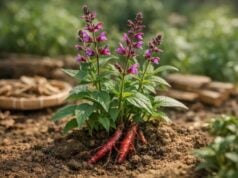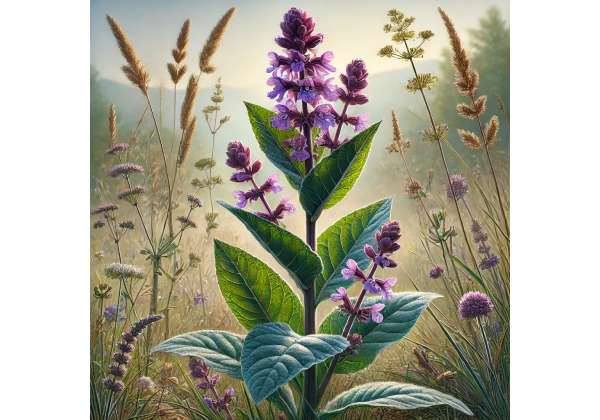
Deer tongue (Trilisa odoratissima) is a fragrant North American herb best known for its vanilla-like aroma when the leaves dry. That scent comes largely from coumarin-related chemistry, which explains both the plant’s traditional appeal and its modern safety cautions. Historically, deer tongue was used to freshen rooms and clothing, flavor tobacco, and appear in folk preparations for coughs, mild nervous tension, and “tonic” teas. Today, interest often centers on whether it can support relaxation, respiratory comfort, or digestion in a gentle, plant-based way.
The practical reality is more nuanced. Deer tongue is primarily an aromatic herb, not a daily wellness tea. Coumarin content can be meaningful, varies by preparation, and raises concerns for people with liver disease, bleeding risk, or medication interactions. In this guide, you will learn what deer tongue contains, what benefits are realistic, how it is typically used, conservative dosage guidance for occasional use, and the safety rules that matter most so you can make informed choices.
Essential Safety Highlights
- May provide calming aromatic support and gentle “comfort” effects when used occasionally.
- Avoid concentrated extracts; coumarin exposure can be significant, especially with alcohol-based preparations.
- If used as tea, keep it conservative: 0.5–1 g dried leaf per cup, up to 1 cup per day, short-term only.
- Avoid if pregnant or breastfeeding, if you have liver disease, a bleeding disorder, or you take blood thinners or antiplatelet medicines.
Table of Contents
- What is deer tongue?
- Key ingredients and aroma chemistry
- Does deer tongue help health?
- How to use deer tongue
- How much deer tongue per day
- Side effects and interactions
- What research actually supports
What is deer tongue?
Deer tongue is a perennial herb native to the southeastern United States, valued for its broad, “tongue-shaped” basal leaves and tall flowering stalk topped with purple blooms. You may also see it called vanilla leaf or deer’s-tongue, names that point to the sweet scent the leaves develop as they dry. Botanically, it belongs to the Asteraceae family, which includes many aromatic and bitter herbs.
Why identity matters
Common names create confusion. “Vanilla leaf” is sometimes used for other fragrant plants in different regions, and “deer tongue” is occasionally mixed up with unrelated grasses or woodland herbs that also smell sweet. If you plan to use deer tongue at all (even just as a sachet), accurate identification is the first safety step. Reputable sellers will list the botanical name Trilisa odoratissima and the plant part (typically leaf).
Traditional role versus modern expectations
Much of deer tongue’s reputation comes from folk use rather than modern clinical practice. Traditionally, people used dried leaves to:
- Freshen drawers, closets, or rooms (a practical, low-risk use)
- Add fragrance to potpourri blends
- Flavor tobacco products (historical practice, not a health use)
- Prepare occasional teas or syrups for comfort, especially during seasonal respiratory irritation
Modern searches often ask for clear “health benefits” comparable to common herbal teas. Deer tongue does not fit neatly into that category because the same chemistry that creates its signature aroma also creates reasonable safety limits for internal use. Think of deer tongue as an herb where aromatic use is the main lane, and internal use—if considered at all—should be conservative and occasional.
What parts are used
- Leaf (dried): the primary traditional material for scenting and occasional tea
- Flowering tops: used less often; not a standard wellness ingredient
- Concentrated extracts: not a traditional household item and generally not a good idea for self-use
If you want the pleasant scent without the risk of concentrated ingestion, dried leaf sachets or drawer bundles are the most practical and historically consistent option.
Key ingredients and aroma chemistry
Deer tongue’s defining feature is its fragrance—often described as vanilla-like, hay-sweet, or “new-mown”—and that aroma is closely tied to a small set of plant chemicals that become more noticeable as leaves dry. Understanding this chemistry helps you predict both what it might do and where the risks come from.
Coumarin and related precursors
The headline compound associated with deer tongue is coumarin, an aromatic molecule found in a variety of plants. A key nuance is that fresh leaves can contain coumarin in “bound” or precursor forms, and drying processes can increase the recognizable coumarin scent. In practical terms, the more intensely sweet the dried leaves smell, the more likely it is that coumarin-related compounds are present in meaningful amounts.
Coumarin is sometimes casually described as “blood-thinning,” but that needs context. Coumarin itself is not the same as prescription anticoagulants. Its main safety relevance for most people is potential liver sensitivity in a subset of individuals, plus caution around overall exposure and interactions.
Supporting plant compounds
Like many aromatic herbs, deer tongue likely contains smaller amounts of:
- Phenolic compounds and flavonoids that contribute to general antioxidant potential
- Volatile aromatics that shape scent and may influence perceived relaxation or comfort through smell
- Bitter and astringent constituents that can affect taste and digestion
These supporting compounds are not what makes deer tongue unique; they help explain why it has a “herbal” character beyond sweetness, especially when brewed.
Why preparation changes the chemistry
How you use deer tongue strongly shapes what you get:
- Aromatic use (sachets, potpourri): primarily volatile scent exposure at low levels
- Water infusion (tea): extracts a portion of soluble compounds; tends to be gentler than alcohol
- Alcohol extraction (tinctures, liqueurs): can pull out more aromatic compounds and potentially concentrate them, which matters for safety
This is why deer tongue is not a good candidate for experimentation with strong extracts. If you are drawn to it for relaxation, it is worth comparing it to more mainstream calming botanicals with clearer safety norms, such as chamomile’s active compounds and traditional calming uses, which typically offer a wider margin of safety for everyday use.
Does deer tongue help health?
Deer tongue is best understood as an herb that supports comfort and atmosphere more than it targets specific medical outcomes. Many reported “benefits” are experiential—how people feel after smelling it or sipping a mild infusion—rather than clinically measured effects. That does not make it useless; it simply changes how you should evaluate claims.
Most realistic benefits
For most people, the most plausible benefits fall into three areas:
- Relaxation and mood settling: The sweet, familiar scent can feel soothing. Aromatic herbs often work through sensory pathways—smell, ritual, warmth of a drink—rather than through strong pharmacological effects at household doses.
- Respiratory comfort: Traditional use often frames deer tongue as a “comfort herb” during seasonal throat or chest irritation. The aroma and warm infusion may help you feel more comfortable, even if it does not directly treat infection.
- Digestive ease after meals: Mild bitter or aromatic notes can support the “digestive ritual” effect—sipping something warm, lightly flavored, and not overly stimulating.
These are supportive outcomes: easing discomfort, encouraging calm, and making rest easier—not curing disease.
Benefits that are commonly overstated
Some online claims present deer tongue as strongly antimicrobial, antimalarial, or broadly curative. Those claims are not a safe foundation for self-care because:
- Deer tongue is not widely studied in human trials for those outcomes.
- A stronger “effect” is not automatically desirable; it can also mean a narrower safety window.
- Relying on deer tongue for serious illness can delay appropriate care.
Who may notice it most
People who respond well to deer tongue tend to be those who benefit from aroma-based calming and structured wind-down routines—an evening cup, a scented sachet near linens, or a gentle room fragrance. If relaxation is your main goal, a better-studied aromatic option is lavender for sleep and stress routines, which also requires safety awareness but has a more established modern use pattern.
In summary, deer tongue can be a pleasant part of a comfort routine, but it is not an “everyday tonic,” and it should not be framed as a high-power medicinal herb.
How to use deer tongue
Deer tongue is unusually versatile in how it is used, but not all methods make equal sense for wellness. The safest uses are the ones that keep exposure modest and predictable, emphasizing aroma rather than concentrated ingestion.
Aromatic uses (best safety-to-benefit ratio)
These methods capture what deer tongue historically did well:
- Drawer and closet sachets: Place a small bundle of dried leaves in a breathable cloth pouch to scent linens. Replace when the scent fades.
- Room freshening bundles: Hang a small bunch in a well-ventilated area away from children and pets.
- Potpourri blending: Mix dried deer tongue with non-irritating botanicals. Use sparingly; strong fragrance can be overpowering.
Practical tip: if you are sensitive to fragrances, start with a small amount and keep it across the room rather than on your bedside table.
Tea and warm infusions (occasional and conservative)
If you choose to try deer tongue as a tea, treat it as an occasional comfort infusion, not a daily beverage. Keep the brew mild, avoid long steep times, and do not combine it with many other strongly active herbs. A short infusion also helps limit overly strong flavor.
A simple approach is to steep a small amount of dried leaf in hot (not aggressively boiling) water for 5–10 minutes, then discard the leaf. If the tea tastes intensely sweet or heavy, that is a sign to use less next time.
What to avoid
- Alcohol-based tinctures or homemade extracts: These can concentrate aromatic compounds and make dosing unpredictable.
- Smoking or inhalation through combustion: Any “herbal smoking blend” carries the core risks of smoke exposure. The history of use in tobacco products is not a wellness recommendation.
- High-dose blending: Avoid combining deer tongue with other coumarin-containing plants or multiple “blood-thinning” herbs.
If your goal is respiratory comfort without concentrated ingestion, a more conventional approach is gentle steam practices and aromatics like eucalyptus applications and traditional steam use, used appropriately and with attention to contraindications.
The guiding principle is to let deer tongue be what it is: a fragrant leaf that can support comforting rituals—without forcing it into high-dose, high-frequency supplementation.
How much deer tongue per day
Because deer tongue is not a mainstream dietary herb and its coumarin content can vary, there is no universally accepted “optimal dose.” The safest approach is to think in terms of minimum effective ritual rather than maximum tolerated intake. Dosage should be conservative, occasional, and adjusted for personal risk factors.
Conservative tea guideline (for adults)
If you choose to use deer tongue internally, a cautious range is:
- 0.5–1 g dried leaf per cup, steeped 5–10 minutes
- Up to 1 cup per day, used short-term (for example, a few days rather than weeks)
This is intentionally conservative. If you are smaller-bodied, have low tolerance for fragrant herbs, or take any interacting medication, use the lower end or skip internal use entirely.
Timing and duration
- Evening use: Many people prefer deer tongue later in the day because it feels settling and because fragrance can pair well with bedtime routines.
- Short durations: If you are using it during a stressful week or a brief seasonal discomfort window, keep it to a short course, then stop.
- Avoid daily long-term use: Repeated exposure increases the chance of accumulating more coumarin than you intended, especially if you also consume coumarin-containing foods.
How to “dose” aromatic use
For sachets and potpourri, the “dose” is really the intensity of scent:
- Start with a small pinch to a small bundle of dried leaf in a sachet.
- If the scent is strong enough to cause headache or nausea, reduce quantity or move it farther away.
- Replace rather than adding more and more as your nose adapts.
Variables that change the effective dose
- Drying and storage: Older, well-dried leaves may smell stronger and act “more concentrated” aromatically.
- Extraction method: Alcohol extracts tend to be more concentrated than water infusions.
- Your baseline risk: Liver history, medication use, and bleeding risk should push you toward avoidance or minimal exposure.
If you want to be extra cautious, build your routine around aroma and supportive habits rather than ingestion, and prioritize liver-healthy basics such as minimizing alcohol and avoiding unnecessary supplement stacking. For broader context on liver-focused wellness strategies, see milk thistle and liver-support considerations, while remembering that “liver detox” claims should always be approached carefully and realistically.
Side effects and interactions
Safety is the deciding factor for deer tongue. Most concerns relate to coumarin exposure, individual susceptibility, and how deer tongue is prepared. While many people may tolerate occasional mild use, some individuals are more sensitive—especially with concentrated preparations or frequent intake.
Possible side effects
Side effects are more likely with higher exposure, stronger extracts, or frequent use:
- Nausea or stomach upset (especially if brewed strong)
- Headache or dizziness (sometimes from strong fragrance exposure)
- Skin irritation in fragrance-sensitive individuals handling dried leaves repeatedly
- Fatigue or “heavy” feeling if used in a way that is too sedating for you
A more serious concern is liver sensitivity, which may show up as unusual fatigue, dark urine, abdominal discomfort, itching, or yellowing of the eyes or skin. These signs require prompt medical evaluation and are a reason to avoid deer tongue entirely if you have any liver vulnerability.
Medication interactions to take seriously
Be cautious or avoid deer tongue if you take:
- Anticoagulants or antiplatelet medicines (blood thinners), due to additive bleeding-risk concerns with certain plant compounds and overall supplement stacking
- Medicines processed heavily by the liver, where adding additional potentially hepatotoxic exposure is not wise
- Multiple sedating agents (prescription or herbal), if deer tongue makes you drowsy
Even without a clear “direct interaction,” deer tongue can complicate risk management simply by adding another variable to your regimen.
Who should avoid deer tongue
Avoid internal use (and consider avoiding even strong aromatic exposure) if you are:
- Pregnant or breastfeeding
- Under 18 years old
- Living with liver disease, a history of elevated liver enzymes, or heavy alcohol use
- Managing a bleeding disorder, scheduled for surgery, or using anticoagulants or antiplatelets
- Highly sensitive to fragrances or prone to migraines triggered by scent
Accidental overuse: what to do
If you feel unwell after deer tongue tea or exposure, stop using it. For mild nausea or headache, hydration and fresh air may help. If you have severe symptoms, signs of allergic reaction, or any symptom suggesting liver trouble, seek medical guidance promptly.
The safest overall stance is to treat deer tongue as an herb for occasional, low-dose comfort—and to avoid concentrated extracts and daily use.
What research actually supports
When you look closely, the evidence base for deer tongue separates into two layers: (1) what is known about coumarin and related plant compounds in general, and (2) what is known specifically about Trilisa odoratissima as used by people. Most rigorous research focuses on the broader chemical family, not on deer tongue as a daily-use herb.
Where evidence is stronger
The strongest, most consistent scientific discussion involves:
- Coumarin exposure and safety thresholds: Food-safety and toxicology work has established that coumarin can pose liver risk for a small subset of people, and that intake should not be casually increased through concentrated botanical sources.
- Mechanisms and pharmacology of coumarin-class compounds: Researchers study coumarins for diverse biological effects, but these findings often come from laboratory models or purified compounds rather than household tea use.
- Botanical documentation: Credible plant references support deer tongue’s identity, habitat, and traditional roles as a fragrant leaf used historically in scenting and tobacco flavoring.
Where evidence is limited
Areas with limited direct human evidence for deer tongue include:
- Clear proof that deer tongue tea reliably improves sleep, anxiety, cough, or digestion beyond placebo-level comfort effects
- Dose-response studies that define a safe and effective daily intake of deer tongue leaf
- Comparative trials against better-studied calming or respiratory herbs
This is why a responsible article emphasizes conservative use and avoids “miracle herb” framing.
How to interpret popular comparisons
Many people encounter deer tongue through conversations about coumarin in everyday foods, especially cinnamon. That comparison can be useful: it shows that coumarin exposure is a real, measurable topic, and that “natural” does not always mean “unlimited.” If you want a familiar reference point, cinnamon benefits and coumarin-related considerations can help you think more clearly about cumulative exposure from multiple sources.
A practical evidence-based takeaway
- Deer tongue’s most defensible “benefit” is as a fragrant comfort herb used occasionally.
- The most defensible “risk” is that coumarin exposure can be higher than people expect, especially with extracts or frequent use.
- The most evidence-aligned choice for many readers is to use deer tongue aromatically and choose other, better-studied herbs if you want a daily internal routine.
If you treat deer tongue as a special-purpose aromatic rather than a daily supplement, your choices will align much more closely with what the evidence can actually support today.
References
- Natural Coumarins: Exploring the Pharmacological Complexity and Underlying Molecular Mechanisms 2021 (Review)
- Coumarin-Induced Hepatotoxicity: A Narrative Review 2022 (Review)
- Combined Risk Assessment of Food-derived Coumarin with in Silico Approaches 2022 (Risk Assessment)
- Trilisa odoratissima (Deer’s-tongue) – FSUS 2025 (Botanical Reference)
- 21 CFR § 189.130 – Coumarin. | Electronic Code of Federal Regulations (e-CFR) | US Law | LII / Legal Information Institute 2026 (Regulation)
Disclaimer
This article is for educational purposes only and is not medical advice. Deer tongue (Trilisa odoratissima) contains coumarin-related compounds and is not appropriate for routine self-treatment or high-dose supplementation. Individual sensitivity and medication interactions can increase risk, including potential liver-related adverse effects in susceptible people. If you are pregnant or breastfeeding, have liver disease or a bleeding disorder, take anticoagulants or antiplatelet medicines, or manage any chronic condition, consult a qualified clinician before using any herbal product. Seek urgent medical care if you develop severe symptoms, signs of allergy, or symptoms that could suggest liver injury.
If you found this guide useful, please consider sharing it on Facebook, X (formerly Twitter), or your favorite platform so others can make safer, better-informed choices.