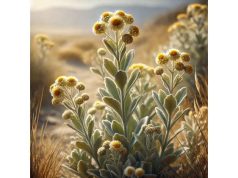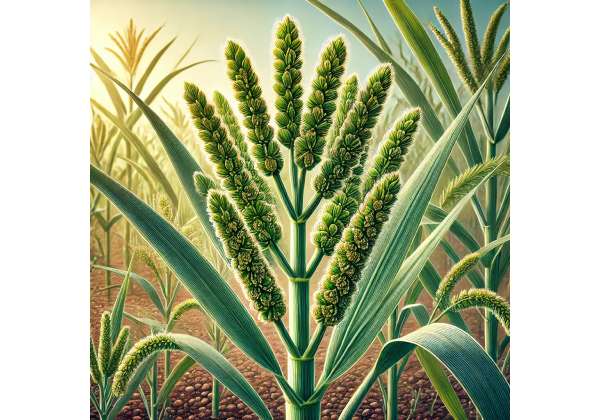
Eleusine coracana, better known as finger millet or ragi, is a small ancient grain with a surprisingly modern appeal. Although it is often grouped with herbal wellness foods, Eleusine is best understood as a functional whole grain: nutrient-dense, naturally gluten-free, and especially valued for its fiber, calcium, iron, and polyphenol-rich outer layer. In everyday use, it appears as flour, porridge, flatbreads, malted drinks, and fermented batters. In nutrition-focused conversations, it draws attention for steady energy, gentler blood sugar response than many refined starches, and practical support for digestive and bone health.
Its medicinal reputation is more food-based than drug-like. That distinction matters. Eleusine is not a standardized botanical extract with a fixed therapeutic dose; it is a staple grain whose benefits depend on portion size, processing method, and the rest of the diet. For most people, its value lies in what it can replace: refined grains, low-fiber breakfasts, and repetitive carbohydrate choices. Used well, it is a smart, affordable ingredient with real strengths and some important limits.
Essential insights
- Replacing refined grains with Eleusine may help support steadier post-meal glucose and better fullness.
- Its main strengths are fiber, calcium, iron, and seed-coat polyphenols, but processing affects how much you absorb.
- A practical intake is about 30 to 60 g dry flour or grain per serving, or 15 to 30 g malted powder.
- Start slowly if you are not used to high-fiber grains, and use enough fluid with meals.
- People with a known millet allergy, or those on highly restricted medical diets, should avoid self-prescribing high intakes.
Table of Contents
- What is Eleusine coracana?
- Key ingredients and active compounds
- Health benefits and medicinal properties
- How to use Eleusine daily
- How much per day?
- Side effects, interactions, and who should avoid it
- What the evidence really says
What is Eleusine coracana?
Eleusine coracana is a cereal grain in the grass family, not a classic medicinal herb. It is commonly called finger millet because its seed heads branch in a shape that resembles fingers. Across South Asia it is often called ragi, while in parts of Sri Lanka and East Africa it may appear under regional names such as kurakkan. For centuries it has been used as a hardy staple crop in dry climates because it tolerates poor soils and uneven rainfall better than many common grains.
From a nutrition perspective, Eleusine stands out for three reasons. First, it is naturally gluten-free, which makes it useful for people who avoid wheat, rye, and barley. Second, it contains more fiber and more minerals than many refined grain products. Third, its dark seed coat carries phenolic compounds that are being studied for antioxidant and metabolic effects. That combination has pushed it from a traditional staple into the broader “functional food” conversation.
Its texture and taste matter too. Finger millet flour is earthy, slightly nutty, and darker than rice flour. That means it behaves differently in cooking. It makes dense porridges, hearty flatbreads, rustic baked goods, and malted drinks with a toasty flavor. It is less airy than refined flours, but often more filling. Many people notice that meals built around it feel more sustaining, especially when paired with protein or legumes.
In practical terms, Eleusine is most useful when seen as a whole-diet ingredient rather than a miracle food. It works well for people who want:
- a more nutrient-dense breakfast grain,
- an alternative to refined wheat or white rice,
- a gluten-free staple with more body and fiber,
- a traditional food that fits modern blood sugar and satiety goals.
It also belongs to a broader group of ancient grains and grain-like staples that are valued for nutrient density and culinary versatility. People who already cook with ancient grains like amaranth usually find finger millet easy to add to their routine.
One important point: Eleusine is health-promoting, but it is not automatically gentle for everyone. Whole-grain forms can be fibrous, mineral absorption can be affected by phytates, and very large portions are not always better. Its best role is steady, moderate use in place of less nourishing starches, not aggressive overuse in the name of wellness.
Key ingredients and active compounds
The value of Eleusine comes from a mix of nutrients and bioactive plant compounds rather than from a single “active ingredient.” That is why its effects are broad but usually modest. You are getting a food matrix, not a pill.
Its main nutritional building blocks include:
- Complex carbohydrates: These provide slow-release fuel, especially when the grain is minimally processed.
- Dietary fiber: Whole-grain finger millet contains insoluble fiber and some resistant starch, both of which can slow digestion and support bowel regularity.
- Protein: It is not a complete protein on its own, but it contributes useful amino acids, including sulfur-containing amino acids that are relatively notable for a grain.
- Minerals: Calcium is the headline mineral, but Eleusine also contributes iron, magnesium, phosphorus, and potassium.
- Low total fat: This makes it easy to pair with nuts, seeds, yogurt, eggs, or legumes for a more balanced meal.
The bioactive side is just as interesting. The seed coat contains polyphenols, tannins, and other phytochemicals that may influence oxidation, digestion, and carbohydrate metabolism. Researchers often highlight phenolic acids and flavonoids because they may help inhibit carbohydrate-digesting enzymes and reduce oxidative stress after meals. That is one reason finger millet is repeatedly discussed in metabolic health reviews.
These compounds are not static. Milling, fermenting, sprouting, malting, and cooking can all change them. That means two bowls of “the same grain” may not behave the same way. Whole-grain flour generally keeps more fiber and polyphenols than heavily refined flour. Fermentation and sprouting can reduce phytates and improve mineral availability. Malting may alter digestibility and flavor, often making the grain easier to use in beverages or porridges.
A practical way to think about Eleusine is to separate its components into three roles:
- Fuel
- starch,
- slowly digested carbohydrates,
- meal-building bulk.
- Structure
- fiber,
- resistant starch,
- bran-associated satiety effects.
- Protection
- polyphenols,
- antioxidant compounds,
- minerals involved in bone, muscle, nerve, and red blood cell function.
Compared with many gluten-free staples, finger millet offers more mineral density and a stronger whole-food profile. It is different from white rice flour, which is easier to digest but far less robust nutritionally. It also differs from buckwheat in gluten-free cooking, which tends to bring more protein and a different flavonoid pattern, while Eleusine usually stands out more for calcium and seed-coat phenolics.
The main caution is that some of the same compounds that make it interesting nutritionally can also reduce mineral absorption. Tannins and phytates are not automatically harmful, but they do mean that raw composition is not the same as usable nutrition. Preparation matters, and so does the rest of the meal.
Health benefits and medicinal properties
Eleusine’s health benefits are best understood as pattern effects. It is most helpful when it regularly replaces refined starches, sugary breakfast cereals, or low-fiber flour products. In that role, it shows the strongest promise for metabolic health, digestive support, and nutrient quality.
1. Gentler blood sugar handling
This is the most discussed benefit. Finger millet’s fiber, resistant starch, and polyphenol-rich outer layers may slow digestion and blunt the sharp post-meal rise that often follows refined carbohydrate foods. Human research is still limited, but the direction is consistent enough to make it reasonable for people trying to build steadier meals. This is especially relevant when Eleusine appears in minimally refined forms rather than ultra-processed snack products that merely contain some millet flour.
2. Better fullness and meal satisfaction
Dense texture matters. Foods made with finger millet often require more chewing and digest more slowly than refined flour foods. That can make meals feel more substantial. This does not mean Eleusine causes weight loss on its own, but it can support appetite control by helping meals feel less flimsy. The effect is strongest when it is paired with protein, vegetables, or healthy fats.
3. Digestive support
Whole-grain Eleusine contributes bulk and fiber, which may support regular bowel movements and healthier gut fermentation patterns over time. It is not the same as a purified fiber product, and it will not act as quickly as psyllium-based fiber support, but it is often easier to use as a daily food habit. For many people, that makes it more sustainable.
4. Bone and mineral support
Finger millet is famous for its calcium content, and it also contributes magnesium and phosphorus. That does not make it a direct treatment for bone disease, but it can improve the mineral quality of the diet, especially in populations that rely heavily on cereals. The catch is that bioavailability depends on processing and food pairing.
5. Heart-friendly substitution effect
When used instead of refined grains, Eleusine may support a more favorable overall dietary pattern. More fiber, more intact structure, and lower glycemic impact often translate into better cardiometabolic quality. The benefit here is indirect but important: better grain choice can improve the whole meal.
6. Gluten-free versatility
For people with celiac disease or non-celiac gluten sensitivity, Eleusine can widen the menu without defaulting to starch-heavy, nutrient-light gluten-free products. It adds flavor, color, and body.
The medicinal language around Eleusine should still stay modest. It shows antioxidant, anti-diabetic, and hypolipidemic potential in lab and review literature, but those effects are not a license to treat it like a drug. The realistic takeaway is simpler: used consistently, it can make a good diet better.
How to use Eleusine daily
Eleusine is easiest to use when you stop treating it as a supplement and start treating it as a pantry grain. It can fit breakfast, lunch, snacks, and light dinners, but the form matters. Some people do best with whole-grain flour, while others tolerate fermented or malted versions better.
Common forms include:
- whole grain or cracked grain,
- whole-grain flour,
- malted finger millet flour,
- porridge mixes,
- fermented batters for pancakes, dosas, or steamed preparations,
- blended flour for rotis, flatbreads, muffins, and breads.
The most practical uses are usually these:
- Breakfast porridge
Mix the flour with water or milk, cook gently until thick, and add protein or fat so the meal is not just starch. Yogurt, nuts, eggs on the side, or nut butter all help. - Flatbreads and fermented batters
Finger millet flour works well when mixed with another flour or used in fermented preparations. Fermentation often improves flavor and may improve tolerance. - Baking
In muffins, pancakes, or quick breads, Eleusine adds density and color. It usually works best as part of a flour blend rather than the only flour, unless the recipe is designed for it. - Malted drinks
Malted finger millet can be stirred into warm beverages or thin porridges. This is popular for people who want something lighter than a dense bowl of porridge.
To get more benefit from it, use a few simple rules:
- Prefer whole-grain or minimally refined versions.
- Start with mixed recipes before moving to 100 percent finger millet.
- Pair it with vitamin C–rich foods if iron quality matters.
- Pair it with protein to improve satiety and meal balance.
- Use soaking, sprouting, or fermentation when possible.
A practical meal formula looks like this:
- finger millet base,
- protein source,
- colorful fruit or vegetables,
- enough fluid,
- some fat for texture and staying power.
One easy example is a breakfast bowl made from finger millet porridge topped with yogurt, berries, and nuts. Another is a fermented millet dosa served with lentils or chutney. If you want extra texture and gel-forming fiber in bowls or puddings, a small topping of chia-rich seed toppings can round out the meal well.
Avoid a common mistake: using finger millet in sugary instant mixes and assuming the presence of millet automatically makes the food healthy. The grain itself is useful; the final product still depends on added sugar, fat quality, and portion size.
How much per day?
There is no standardized medicinal dose for Eleusine coracana. That is the most important point in this section. It is a food, not a standardized extract, so the best “dose” is really a practical portion that fits your calorie needs, digestive tolerance, and carbohydrate goals.
For most adults, these ranges are sensible starting points:
- Dry flour or grain: 30 to 60 g per serving.
- Cooked grain or porridge: about 1/2 to 1 cup cooked per meal, depending on the recipe and what else is on the plate.
- Malted finger millet powder: 15 to 30 g once or twice daily in beverages or light porridges.
- Higher-intake patterns: up to 2 servings per day can fit well in a balanced diet, especially when replacing refined grains.
A good rule is to begin at the low end if you are new to high-fiber grains. Starting with 15 to 20 g dry equivalent, then moving upward over several days, may reduce bloating or heaviness.
Timing also matters:
- Breakfast or lunch is often the easiest entry point.
- Before long gaps between meals, its density may help with fullness.
- For blood sugar goals, it usually makes more sense to replace refined grains at one or two meals than to add it on top of an already high-carbohydrate day.
In human feeding research, portion sizes have generally been food-like rather than supplement-like. That supports a practical view of dosage: think in servings, not in capsules. The benefits people care about most, such as steadier energy or improved meal quality, usually come from regular use over weeks rather than from a single dose.
Duration is similar. A single millet meal may change how full you feel or how your glucose rises after eating, but broader effects are pattern-based. Give it at least a few weeks of consistent use before judging whether it helps:
- replace one refined grain meal each day,
- keep the rest of the meal similar,
- watch digestion, fullness, and energy,
- adjust texture and portion before increasing frequency.
Two practical examples:
- Metabolic-support pattern: 40 g dry flour at breakfast in porridge form, most days of the week.
- Traditional staple pattern: 1 serving at breakfast and another at dinner as porridge, flatbread, or fermented batter.
Do not chase larger portions just because the grain is healthy. Excess intake can crowd out meal balance, worsen digestive tolerance, and add more carbohydrate than intended. For most people, consistency beats intensity.
If you use it for children, older adults, or people with swallowing or digestive limitations, choose softer forms and smaller portions first. Texture matters as much as quantity.
Side effects, interactions, and who should avoid it
Eleusine is generally well tolerated as a food, but “natural” does not mean risk-free. Most problems come from portion size, preparation method, or a mismatch between the grain and the person’s medical needs.
The most common side effects are digestive:
- bloating,
- gas,
- abdominal fullness,
- constipation if fluid intake is low,
- occasional loose stools in people who sharply increase fiber all at once.
These effects are more likely with whole-grain flour, large servings, or a sudden increase from a low-fiber diet. Starting small and using enough water usually solves the problem.
A second issue is mineral bioavailability. Finger millet contains phytates and tannins, especially in less processed forms. These compounds can reduce absorption of minerals such as iron and zinc. This does not mean Eleusine is “bad” for mineral status, but it does mean that raw nutrient numbers can overpromise. Soaking, sprouting, fermenting, or malting often helps. Pairing millet meals with vitamin C–rich foods can also improve non-heme iron absorption.
A third issue is cross-contact and allergy. Finger millet itself is gluten-free, but packaged products can be contaminated during processing. Anyone with celiac disease should choose products that are clearly labeled gluten-free when possible. True millet allergy appears to be rare, but it can happen. People with a known millet allergy should avoid it completely.
Possible interaction points include:
- Glucose-lowering plans: If you are replacing refined grains with finger millet while also using diabetes medication, your meal response may change. Monitor patterns rather than assuming the same carbohydrate effect.
- High-fiber meal timing: Very fiber-heavy meals can sometimes affect how comfortably certain medicines are taken. Some people do better spacing medicines and very dense grain meals apart.
- Restricted medical diets: People on low-fiber, low-residue, or specialized renal diets should not assume finger millet fits automatically.
Who should be especially cautious or avoid it?
- people with a confirmed millet allergy,
- people with active digestive flare-ups who are currently on low-fiber diets,
- people with swallowing difficulties unless using soft, well-cooked forms,
- people with complex metabolic or kidney-related nutrition prescriptions unless a clinician says it fits.
The strongest safety message is simple: Eleusine is safest as a normal food, in normal portions, prepared well. Trouble usually begins when a healthy staple is turned into an extreme wellness strategy. It is a useful grain, not a cure-all, and it should not replace individualized nutrition care when medical conditions are present.
What the evidence really says
The evidence for Eleusine is promising, but it is uneven. That is the fairest summary.
The strongest case for finger millet is not that it acts like a medicine. It is that it functions as a better carbohydrate choice than many refined staples. Reviews consistently describe a favorable nutrient profile, a meaningful amount of fiber and polyphenols, and plausible benefits for blood sugar control, satiety, and overall dietary quality. That part is credible.
Where the evidence becomes thinner is in the jump from “helpful food” to “therapeutic agent.” Human trials are still limited, often small, and sometimes use specially prepared test foods rather than the way most people eat at home. Results also depend heavily on:
- whether the grain is whole, refined, fermented, or malted,
- what food it replaces,
- portion size,
- whether the meal contains protein or fat,
- the person’s baseline metabolic health.
The best-supported outcome so far is improved glycemic handling when millets replace refined grains. Finger millet appears to contribute to that pattern, and small human trials point in the same direction. But claims about dramatic cholesterol lowering, major weight loss, or disease reversal go beyond what current evidence can support with confidence.
The mechanism story is stronger than the clinical story. Researchers can plausibly explain why finger millet may help:
- more intact fiber structure,
- slower starch digestion,
- phenolic compounds that may affect digestive enzymes,
- better whole-meal satiety,
- a more nutrient-dense grain profile than refined starches.
That does not mean the effect will be dramatic in every person. It means the food makes sense physiologically and has enough early human support to deserve a place in a health-conscious diet.
So how should readers interpret the evidence?
- Strongest takeaway: Eleusine is a sensible whole-grain option for better meal quality.
- Reasonable expectation: It may support steadier post-meal glucose and fullness when used regularly in place of refined grains.
- Uncertain area: Precise medicinal dosing, disease-specific outcomes, and long-term therapeutic effects.
- Best use of the evidence: Build it into a consistent eating pattern rather than expecting a supplement-like result.
That is the honest middle ground. Eleusine deserves more respect than it gets as a staple grain, but less hype than it sometimes receives in superfood marketing. It is most impressive when it quietly improves the quality of ordinary meals.
References
- Finger millet (Eleusine coracana L.): from staple to superfood—a comprehensive review on nutritional, bioactive, industrial, and climate resilience potential 2024 (Review)
- Exploration of nutritional, pharmacological, and the processing trends for valorization of finger millet (Eleusine coracana): A review 2023 (Review)
- Varietal and processing influence on nutritional and phytochemical properties of finger millet: A review 2022 (Review)
- Finger millet-based muffin decreases insulin response in individuals with prediabetes in a randomised controlled trial 2022 (RCT)
- A Systematic Review and Meta-Analysis of the Potential of Millets for Managing and Reducing the Risk of Developing Diabetes Mellitus 2021 (Systematic Review)
Disclaimer
This article is for educational purposes only and is not a substitute for medical advice, diagnosis, or treatment. Eleusine coracana is a food ingredient, not a proven medical therapy. Responses to it vary with portion size, processing, total diet, and individual health conditions. People with diabetes, celiac disease, food allergies, digestive disorders, kidney conditions, or prescribed medical diets should review significant dietary changes with a qualified clinician or registered dietitian.
If this guide helped you, please consider sharing it on Facebook, X, or any platform you prefer.