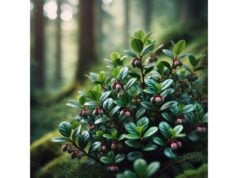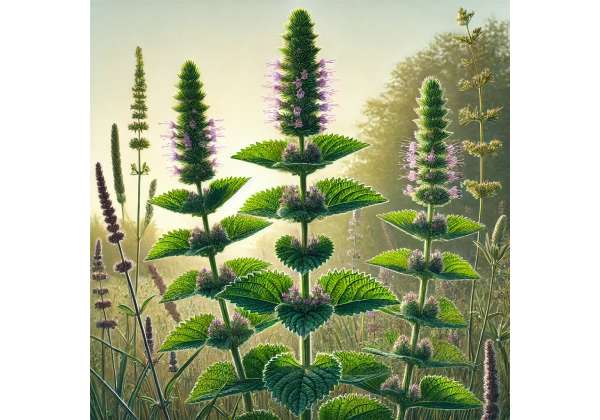
Elsholtzia ciliata is an aromatic herb in the mint family that is valued both as a traditional remedy and as a strongly scented culinary plant. In different regions, it may be called Vietnamese balm or grouped with related East Asian aromatic herbs used for “summer cold,” digestive upset, and a heavy, damp feeling in the body. Its leaves and flowering tops contain a fragrant essential oil along with polyphenols such as rosmarinic acid, chlorogenic acid, and flavonoid glycosides. Together, these compounds help explain why the plant has been explored for anti-inflammatory, antimicrobial, antioxidant, and smooth-muscle-relaxing effects.
Even so, Elsholtzia is not a simple herb to summarize. Its chemistry can change sharply depending on where it is grown, when it is harvested, and whether you use the whole herb, a tincture, or the essential oil. Most modern evidence is still preclinical, not based on large human trials. That means the herb is best approached as a cautious, short-term support option rather than a proven treatment. A useful guide should balance its traditional strengths with a clear view of what is known, what remains uncertain, and who should be careful.
Quick Overview
- Elsholtzia is best known for anti-inflammatory, antimicrobial, and digestive-support potential, but most evidence is still from laboratory and animal research.
- Whole-herb tea or decoction is the most practical traditional form; concentrated essential oil should not be self-dosed internally.
- A traditional whole-herb range often discussed is about 3 to 10 g per day, with beginners better staying near the low end.
- Avoid medicinal use during pregnancy, breastfeeding, childhood, and with heart-rhythm, blood-pressure, or complex prescription medicines unless a clinician approves.
- Do not rely on Elsholtzia alone for infection, urinary symptoms, chest symptoms, or ongoing abdominal pain.
Table of Contents
- What is Elsholtzia ciliata
- Key compounds and actions
- Does Elsholtzia ciliata help
- How to use it well
- How much per day
- Safety and who should avoid it
- What the evidence really says
What is Elsholtzia ciliata
Elsholtzia ciliata is a strongly aromatic annual herb from the Lamiaceae family, the same broad family that includes mint, basil, thyme, and lemon balm. Like many mint-family plants, it tends to have square stems, opposite leaves, and a pronounced scent that becomes obvious when the leaves are rubbed or steeped. The aerial parts are the usual medicinal material: leaves, flowering tops, and tender stems.
Traditionally, the herb has been used in parts of China, Korea, Vietnam, and nearby regions for complaints that combine digestive discomfort with exposure symptoms such as chills, mild feverishness, lack of sweating, headache, abdominal pain, nausea, vomiting, diarrhea, or a sense of heaviness. In culinary settings, the fresh herb may also be added to soups or used as a fragrant seasoning. That overlap between food and medicine is important. It suggests Elsholtzia has often been valued not as a dramatic rescue herb, but as an aromatic plant that supports comfort, digestion, and recovery.
One important detail is identity. In older texts and commercial herbal language, Elsholtzia may be connected with “xiang ru,” yet the source material used under that name can vary across time, region, and modern pharmacopoeial practice. In plain terms, not every product sold under a traditional name is automatically the same plant as Elsholtzia ciliata. That matters because botanical confusion can lead to mismatched expectations about flavor, dose, and safety.
In practical use, Elsholtzia ciliata shows up in several forms:
- Dried herb for tea or decoction
- Fresh herb for food or soup
- Ethanolic or hydroalcoholic extracts
- Essential oil
- Topical or aromatic preparations
The form changes the experience quite a bit. A warm tea made from the herb is relatively gentle and broad. The essential oil is much more concentrated, more variable, and more likely to cause irritation if misused. That is why most home users do better with the whole herb first.
The best way to think about Elsholtzia is as an aromatic support herb with traditional digestive and seasonal uses, not as a plant with one single “main” effect. Its value comes from the combination of scent, mild warmth, volatile oils, and polyphenols rather than from one isolated compound alone.
Key compounds and actions
Elsholtzia ciliata contains both volatile and non-volatile compounds, and both groups matter. The essential oil creates the herb’s strong aroma and likely drives much of its fast sensory effect. The polyphenols and flavonoids contribute more to antioxidant and anti-inflammatory activity.
A helpful way to understand the plant is to divide its chemistry into two broad layers.
- Volatile oil compounds: These are the fragrance molecules. Depending on origin and extraction, Elsholtzia oil may be rich in dehydroelsholtzia ketone, elsholtzia ketone, carvone, limonene, carvacrol, p-cymene, phellandrene, and related terpenes.
- Phenolic compounds: These include chlorogenic acid, caffeic acid, rutin, hyperoside, avicularin, luteolin-7-O-glucoside, apigenin-7-O-glucoside, quercitrin, apigenin, diosmetin, and rosmarinic acid.
This split helps explain why the herb can feel both aromatic and soothing. The oil-rich fraction may affect microbes, odor, and smooth muscle tone. The phenolic fraction fits better with the herb’s antioxidant and cytokine-modulating profile.
Several compounds deserve special attention:
- Rosmarinic acid: A common mint-family polyphenol linked with antioxidant and inflammation-modulating effects. Readers interested in that compound specifically may want a deeper look at rosmarinic acid.
- Chlorogenic acid: Often associated with antioxidant activity and broader metabolic interest.
- Apigenin-related compounds: Known in many plants for calming and inflammation-related research interest.
- Carvacrol and p-cymene: Volatile compounds with antimicrobial relevance in some Elsholtzia oils.
- Dehydroelsholtzia ketone and elsholtzia ketone: Signature aroma compounds in certain chemotypes, especially in some essential oil samples.
The word chemotype matters here. Elsholtzia ciliata is not chemically identical from one batch to another. Two products labeled with the same plant name can differ because of climate, soil, harvest timing, drying, and extraction method. One sample may be ketone-dominant. Another may be richer in carvacrol-type compounds. That variation changes both scent and likely biological effects.
From a user’s point of view, the likely actions of these compounds include:
- Mild support for digestive comfort
- Antioxidant activity
- Anti-inflammatory signaling effects
- Antimicrobial activity against selected bacteria
- Smooth-muscle relaxation in preclinical models
This is also why whole-herb use and essential-oil use should never be treated as interchangeable. A tea exposes you to a broad and gentler spectrum of compounds. An essential oil isolates the volatile fraction and can produce a sharper, less forgiving effect. If you want the traditional style of use, the dried or fresh herb is usually the better match.
Does Elsholtzia ciliata help
Elsholtzia ciliata has several plausible benefits, but the word plausible is doing important work. The herb shows promising activity in laboratory, animal, and ex vivo studies, while robust human evidence is still thin. So the most honest answer is that it may help in certain mild, short-term situations, especially when used traditionally as a whole herb, but it is not yet a strongly proven clinical herb.
The most realistic benefit areas are these.
- Digestive comfort: Traditional use strongly points to bloating, nausea, loose stools, and abdominal discomfort associated with cold, damp, or heavy meals. In practice, a warm aromatic herb can sometimes help when the problem is mild sluggish digestion rather than severe disease.
- Inflammatory support: Extract studies suggest the plant can reduce inflammatory signaling in cells and may help explain why the herb has been used for headache, aching, and irritated tissue states.
- Antimicrobial potential: Essential-oil studies show activity against selected microbes, including oral bacteria of interest. That does not mean the herb cures infections, but it does support its use in oral-care research and in traditional seasonal formulas.
- Mild respiratory or seasonal support: Aromatic herbs are often valued for congestion, chills, and “stuck” symptoms. Elsholtzia fits that pattern, though it is not as well established in modern practice as some better-known mint-family herbs.
- Smooth-muscle relaxation: Preclinical findings suggest possible relaxing effects on vascular and other smooth muscle. This is interesting, but not enough to recommend self-treatment for blood pressure, urinary flow, or prostate symptoms.
For readers who already use aromatic mint-family herbs such as peppermint, Elsholtzia may feel familiar in principle: warming, fragrant, and most useful when discomfort is functional and early, not severe or complicated.
Realistic outcomes are usually modest. A person might notice:
- Less heaviness after a meal
- A warmer, more open feeling after sipping tea
- Mild easing of nausea or cramping
- Fresher breath when used in a properly designed oral-care product
- A supportive role during short-lived seasonal discomfort
Unrealistic expectations would be using it alone for:
- High fever
- Severe vomiting or dehydration
- Confirmed bacterial infection
- Chronic reflux, ulcer pain, or blood in the stool
- Low blood pressure or heart-rhythm problems
- Persistent urinary symptoms
That distinction is what keeps herbal use practical and safe. Elsholtzia seems most promising as a supportive herb for mild digestive-inflammatory patterns, not as a substitute for diagnosis or prescription therapy. When the pattern is vague, short-lived, and uncomplicated, it may be a reasonable traditional option. When symptoms are intense, prolonged, or medically significant, the evidence does not justify relying on it alone.
How to use it well
The best way to use Elsholtzia depends on why you want it. Most people do best with the whole herb rather than the essential oil. Whole-herb preparations are closer to traditional use, easier to dose, and less likely to overwhelm the stomach or skin.
A practical way to think about form is this:
- Tea or infusion
This is the most accessible option for mild digestive unease, chills, or post-meal heaviness. The herb is steeped in hot water and taken warm. This form favors a gentler aromatic effect and is usually the best first step for home use. - Decoction
A decoction is more concentrated than a light tea and is closer to formal traditional practice. It is better for short-term medicinal use than for casual sipping. Because Elsholtzia is aromatic, overly long boiling can dull some of its fragrance, so moderate simmering is usually more sensible than aggressive cooking. - Fresh herb in food
In regions where the plant is eaten, fresh shoots or leaves may be added to soups or broths. This culinary use is often the mildest way to get acquainted with the herb. It also reduces the temptation to treat it like a high-potency supplement. - Steam or aromatic inhalation
Some people use aromatic herbs in hot water for a brief inhalation experience during seasonal discomfort. This should be kept gentle. Strong vapor from essential oils can irritate the eyes or airways, especially in sensitive users. - Topical essential-oil use
This is the form that requires the most care. Essential oil should be diluted well and patch-tested. It is not a simple substitute for the dried herb. If you are already familiar with how concentrated aromatic herbs behave, it may be useful to compare it conceptually with thyme essential oil applications, where dilution and tissue sensitivity also matter.
A few practical tips make Elsholtzia work better:
- Use it for a clear purpose, not as a random daily tonic.
- Prefer short-term use when symptoms are mild and early.
- Choose reputable, clearly labeled botanical material.
- If the product is an extract, check whether it standardizes whole-herb compounds or just volatile oil.
- Do not treat the essential oil as a drop-in replacement for a tea.
The herb is especially suited to use patterns where warmth, aroma, and digestive lightness are desired. It is less suited to long-term unsupervised use for chronic conditions. If a person wants an everyday beverage, Elsholtzia is better used occasionally and intentionally rather than as an unlimited daily tea. That restraint is part of using aromatic herbs wisely.
How much per day
There is no well-established, evidence-based modern human dose for Elsholtzia ciliata that applies across teas, extracts, and oils. That is the first thing to know. Most dosing advice comes from traditional use and from the broader history of East Asian whole-herb preparations, not from large dose-finding trials in humans.
For that reason, the safest dosing approach is simple: match the form, stay conservative, and avoid equating one form with another.
A practical framework looks like this:
- Dried whole herb, traditional range: about 3 to 10 g per day
- Starter approach for beginners: stay near the low end of that range
- Tea strength for one serving: often around 2 to 3 g dried herb in one cup of hot water
- Duration: usually short-term, often a few days to about one week unless guided by a qualified practitioner
- Essential oil: no routine internal self-dosing
That range is best understood as a whole-herb range, not as permission to use any extract freely. A capsule, tincture, essential oil, or concentrated powder may deliver very different chemistry from 3 to 10 g of the dried aerial parts.
Timing matters too:
- For digestive heaviness, people often prefer it after food or between meals.
- For chill-heavy seasonal discomfort, a warm preparation is usually more aligned with traditional use than a cold drink.
- For short-term acute use, it is generally more appropriate than indefinite daily use.
A sensible home routine might be:
- Start with one modest cup made from the dried herb.
- See how your stomach, mouth, and general comfort respond.
- Increase only if it is well tolerated and the purpose is clear.
- Stop if symptoms worsen, if dizziness or irritation appears, or if the issue is not resolving.
What should not be done:
- Do not swallow essential oil casually.
- Do not combine multiple Elsholtzia products at once just because each looks “natural.”
- Do not assume a strong aroma means a better or safer product.
- Do not scale up the dose rapidly because of slow results.
If you are using a commercial extract, follow the label first, then compare it with the traditional whole-herb range only as loose context. A 10:1 extract, a tincture, and an essential oil are not interchangeable. In real life, low-end dosing and careful observation are more useful than chasing an aggressive number.
For people with chronic health conditions or prescription medicines, practitioner guidance matters more than the exact gram amount. With Elsholtzia, the form is often as important as the dose.
Safety and who should avoid it
Elsholtzia ciliata appears reasonably safe in moderate, traditional-style use for many healthy adults, but that does not make it risk-free. The herb’s safety profile depends heavily on preparation type. Tea made from the herb is one thing. Concentrated essential oil is another.
Possible side effects may include:
- Stomach irritation or nausea
- Reflux or a warming, burning feeling in sensitive people
- Mouth or throat irritation if the preparation is too concentrated
- Skin irritation or rash with topical oil use
- Headache, lightheadedness, or palpitations in sensitive users
The essential oil deserves extra caution. Because preclinical work suggests cardiovascular and smooth-muscle effects, people should avoid assuming that “a few drops” are harmless. Essential oils can be pharmacologically active at very small amounts, and self-dosing them internally is a poor idea unless guided by a trained clinician with specific product knowledge.
Groups who should avoid medicinal use or seek professional advice first include:
- Pregnant or breastfeeding people: there is not enough reliable human safety data.
- Children: especially for internal use or inhalation of concentrated oil.
- People with low blood pressure: because the plant’s oil has shown hypotensive and vascular effects in preclinical work.
- People with arrhythmias or heart disease: because cardiac-electrophysiology findings raise a caution flag, even if they do not prove harm in routine herb use.
- People taking blood-pressure, antiarrhythmic, sedative, or complex multi-drug regimens: interaction data are incomplete, so caution is the responsible default.
- People with very sensitive stomachs, active ulcers, or severe reflux: aromatic herbs may aggravate symptoms.
- People with known essential-oil sensitivity or fragrance-triggered asthma: inhaled or topical use may provoke irritation.
If you want a gentler everyday aromatic tea, some readers prefer starting with herbs that have a broader comfort reputation, such as lemon balm, while still checking their own precautions.
Stop using Elsholtzia and seek medical advice if you notice:
- Chest discomfort
- Faintness
- Significant rash or swelling
- Wheezing
- Ongoing vomiting or diarrhea
- Symptoms that are getting worse rather than better
The smartest safety rule is to match intensity to need. Mild symptoms justify mild forms. Severe symptoms do not justify stronger self-experimentation. In home practice, Elsholtzia is best used thoughtfully, briefly, and at conservative doses.
What the evidence really says
The research on Elsholtzia ciliata is promising, but it is not mature enough to support sweeping claims. That is the central takeaway. The strongest evidence today comes from phytochemical analysis, cell studies, antimicrobial work, animal models, and ex vivo tissue experiments. Those studies are valuable because they help explain how the herb might work. They do not automatically prove meaningful benefits in everyday human use.
What the evidence supports reasonably well:
- The plant contains a rich mixture of volatile oils and polyphenols.
- Different plant parts and extraction methods produce different chemical profiles.
- Extracts and oils can show anti-inflammatory, antioxidant, and antimicrobial activity in preclinical settings.
- Some essential-oil fractions appear to relax smooth muscle and influence cardiovascular parameters in experimental models.
- Safety signals in animals are encouraging but still incomplete.
What the evidence does not support yet:
- A standard human dose for all forms
- Reliable long-term safety data in ordinary users
- Strong proof for treating infections, hypertension, prostate symptoms, or chronic inflammatory disease
- Direct comparison with established drugs in real-world clinical settings
- Consistent results across all commercial products
This gap between chemistry and clinic is common in herbal medicine. A plant can have impressive laboratory behavior and still remain clinically uncertain because no one has yet done the right human trials. Elsholtzia is a good example of that pattern.
Another limitation is standardization. One study may examine a ketone-rich essential oil. Another may examine a carvacrol-rich oil. Another may focus on ethanolic extracts from flowers or whole herb. Those are not the same intervention. So when people say, “Elsholtzia works,” the next question should be, “Which Elsholtzia preparation?”
The most balanced conclusion is this: Elsholtzia ciliata deserves interest, especially as an aromatic digestive and inflammation-related support herb, but current evidence supports cautious use rather than confident medical claims. It is better framed as a potentially useful traditional herb with strong preclinical rationale and weak-to-moderate direct human proof.
For readers and clinicians alike, the next research priorities are clear:
- Better botanical authentication
- Chemotype standardization
- Human dose-finding studies
- Interaction and safety studies
- Small, focused clinical trials for digestive, oral, and seasonal-support uses
Until then, the herb is worth respecting, not exaggerating.
References
- Elsholtzia ciliata (Thunb.) Hyland: A Review of Phytochemistry and Pharmacology 2022 (Review)
- Elsholtzia ciliata (Thunb.) Hyl. Extracts from Different Plant Parts: Phenolic Composition, Antioxidant, and Anti-Inflammatory Activities 2020
- Elsholtzia ciliata Essential Oil Exhibits a Smooth Muscle Relaxant Effect 2023
- Acute and Sub-Chronic Intraperitoneal Toxicity Studies of the Elsholtzia ciliata Herbal Extract in Balb/c Mice 2023
- Evaluation of the antibacterial activity of Elsholtzia ciliate essential oil against halitosis-related Fusobacterium nucleatum and Porphyromonas gingivalis 2023
Disclaimer
This article is for educational purposes only and is not medical advice. Herbs can affect the body differently depending on the dose, preparation, medical history, and other medicines being used. Elsholtzia ciliata should not replace professional evaluation for infection, chest symptoms, severe digestive symptoms, urinary problems, or ongoing illness. Pregnant or breastfeeding people, children, and anyone with heart, blood-pressure, or medication-related concerns should consult a qualified healthcare professional before using medicinal amounts of this herb.
If you found this article useful, please share it on Facebook, X, or your preferred platform to help more readers discover it.