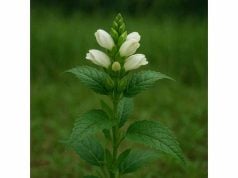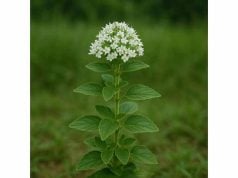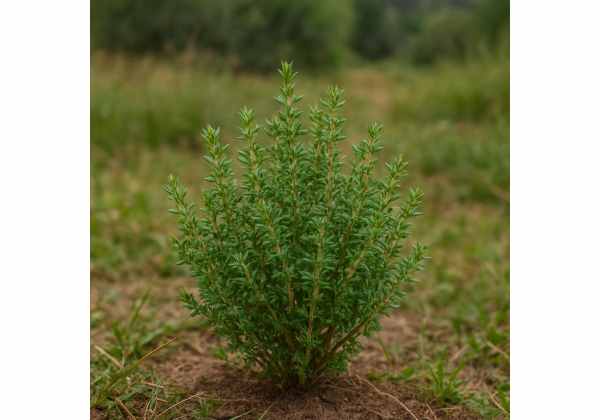
Thyme, or Thymus vulgaris, is one of those herbs that feels comfortably familiar in the kitchen yet has a much deeper medicinal history than many people realize. Native to the Mediterranean region and widely cultivated around the world, thyme has long been used for coughs, chesty colds, digestive discomfort, mouth and throat care, and everyday food preservation. Its reputation comes from more than aroma alone. The leaves and flowering tops contain essential oils and polyphenols, especially thymol, carvacrol, rosmarinic acid, and flavonoids, which help explain its antimicrobial, antioxidant, and soothing effects. Modern research supports several of these traditional uses, particularly in respiratory support, oral care, and antimicrobial applications, though the strength of evidence still varies by preparation. A cup of thyme tea, a standardized extract, and thyme essential oil are not equivalent in strength or safety. That difference matters. Used thoughtfully, thyme can be a practical medicinal herb and a valuable culinary ally, but concentrated forms deserve more care than the dried herb most people know from cooking.
Quick Summary
- Thyme is best known for supporting productive coughs and chesty colds in traditional herbal use.
- Its strongest modern strengths are antimicrobial, antioxidant, and mouth-and-throat support.
- A common adult tea range is 1 to 2 g dried thyme in 150 mL hot water, up to 3 or 4 times daily.
- Thyme essential oil is much stronger than culinary thyme and should not be used like a simple tea herb.
- Avoid medicinal use during pregnancy and breastfeeding, and avoid oral essential oil unless guided by a qualified professional.
Table of Contents
- What Thyme Is and Why the Form Matters
- Key Ingredients and Medicinal Properties
- Thyme Health Benefits and What the Evidence Actually Supports
- Where Thyme Seems Most Useful for Cough, Mouth, and Mild Infections
- How to Use Thyme as Tea, Tincture, Syrup, and Essential Oil
- Dosage, Timing, and Duration
- Safety, Side Effects, Interactions, and Who Should Avoid It
What Thyme Is and Why the Form Matters
Thyme is a small woody perennial in the mint family, Lamiaceae, prized for its warm, resinous aroma and its long-standing role in both food and herbal medicine. The medicinal plant most often referred to in official monographs is Thymus vulgaris, sometimes considered alongside Thymus zygis in European herbal practice. The parts traditionally used are the leaves and flowering tops. These are the portions richest in the volatile oils and polyphenols that give thyme its characteristic scent, taste, and medicinal activity.
One reason thyme deserves careful explanation is that people often assume all thyme products are interchangeable. They are not. Dried thyme leaf in soup, thyme tea, liquid extract, cough syrup, tincture, and essential oil can behave very differently. The dried herb is relatively mild and works well as a food herb or infusion. A tincture or standardized extract is more concentrated and more clearly medicinal. Essential oil is another category entirely. It is potent, irritating when misused, and unsuitable for casual swallowing just because it comes from a plant. Much of the confusion around thyme comes from failing to distinguish these forms.
That difference also helps explain why thyme has remained relevant for centuries. It is one of the rare herbs that functions comfortably in several roles. As a food herb, it adds depth to broths, vegetables, beans, and roasted dishes. As a tea, it has a traditional place in winter respiratory care and mild digestive support. As a medicinal preparation, it is most strongly associated with productive coughs and chesty colds. As an essential oil, it becomes a concentrated antimicrobial aromatic that demands respect rather than routine use.
Thyme also shares features with other aromatic Mediterranean herbs. Its chemistry overlaps with several mint-family plants, which is why people often compare it with oregano’s closely related aromatic profile. Both herbs contain thymol- and carvacrol-type compounds, but thyme usually has its own balance of pungency, flavor, and traditional use. That overlap is helpful because it reminds us that thyme belongs to a broader family of strongly aromatic herbs whose culinary and medicinal identities often meet in the same plant.
For practical use, it helps to think of thyme in four levels:
- Culinary herb, used regularly in food
- Tea or infusion, used more intentionally
- Extract or syrup, used medicinally
- Essential oil, used most cautiously
Once that structure is clear, thyme becomes easier to understand. It is not a miracle herb, but it is a dependable traditional plant whose value becomes much more believable when the preparation is matched to the purpose.
Key Ingredients and Medicinal Properties
Thyme’s medicinal reputation comes from a distinct chemical pattern. The best-known compounds are thymol and carvacrol, two phenolic monoterpenes found in the essential oil fraction. These are the names most often associated with thyme’s antimicrobial strength, warm pungent aroma, and many of its laboratory-demonstrated effects. Thymol is especially central to the identity of Thymus vulgaris and is often treated as the herb’s signature compound, although thyme works as a whole plant rather than as thymol alone.
Beyond thymol and carvacrol, thyme contains a broader network of biologically active compounds. These include p-cymene, gamma-terpinene, linalool, rosmarinic acid, caffeic acid, apigenin, luteolin, quercetin-type flavonoids, and related phenolics. The result is a chemically layered herb that offers more than one kind of action. The volatile oil fraction contributes pungency, antimicrobial activity, and aromatic intensity. The nonvolatile polyphenols contribute antioxidant depth and broader tissue-supportive effects. This is why a tea, an extract, and an essential oil do not behave the same way even when all come from thyme.
From these compounds arise thyme’s main medicinal properties:
- Antimicrobial: long associated with antibacterial and antifungal activity
- Antioxidant: supported by both phenolic content and experimental studies
- Mildly anti-inflammatory: especially relevant to irritated mucosa and upper airways
- Expectorant and secretolytic in traditional use: useful when cough is chesty rather than dry
- Carminative: meaning it may help ease gas and mild digestive heaviness
- Antiseptic for oral use: especially in rinses, gargles, and selected mouthwash formulas
Thymol deserves special attention because it helps explain several of these actions at once. It has been studied for antimicrobial activity, anti-inflammatory effects, and use in cough-related products and oral formulations. Carvacrol broadens this profile with additional membrane-active and inflammation-modulating effects. Rosmarinic acid and other phenolics add to thyme’s antioxidant identity, giving the whole plant a more complete medicinal picture than the essential oil alone. In that sense, thyme resembles rosemary’s antioxidant-rich herb chemistry, though thyme is generally more closely tied to coughs, chest congestion, and antimicrobial applications.
A practical point that readers often miss is that thyme has chemotypes. That means the exact proportions of thymol, carvacrol, linalool, and related compounds can vary according to species, region, harvest time, and growing conditions. One thyme oil may be rich in thymol, another less so. That variation partly explains why studies do not always line up perfectly and why commercial products can differ more than their labels suggest.
So when people ask what gives thyme its medicinal value, the best answer is not a single ingredient. It is a coordinated chemistry built around thymol and carvacrol, supported by polyphenols and aromatic compounds that make thyme useful as both a food herb and a medicinal plant.
Thyme Health Benefits and What the Evidence Actually Supports
Thyme is one of those herbs that enjoys a strong reputation, but the strength of evidence varies by use. The most honest way to discuss benefits is to separate what is traditionally established, what is supported in laboratory and formulation research, and what has at least some human clinical backing. When that is done, thyme still looks impressive, just more realistic.
The clearest traditional benefit is support for productive cough associated with colds. This is the use recognized in European herbal monographs, though the official conclusion is based mainly on long-standing use rather than robust modern trials. In other words, thyme’s role in chesty coughs is considered plausible and historically well supported, even if the human trial base is not as deep as people might assume. This makes thyme more suited to mucus-heavy coughs and winter chest congestion than to every kind of throat or lung complaint.
A second likely benefit is oral and throat support. Thyme’s antimicrobial and anti-inflammatory profile makes it a sensible ingredient in mouth rinses, gargles, and selected oral-care products. Human research in gingivitis and halitosis suggests that thyme mouthwash may help improve bad breath and gum-related inflammation when used as part of a broader oral-care routine. This is a good example of a benefit that is modest, practical, and more believable than broad promises about systemic infection control.
A third area is antimicrobial activity. Laboratory studies repeatedly show that thyme oil and thyme-derived preparations can inhibit bacteria, fungi, and biofilms. This matters because it helps explain traditional uses in respiratory formulas, oral care, and preservation. Still, in vitro activity does not mean thyme can replace antibiotics or treat serious infections on its own. The leap from a lab dish to a human body is large, and concentration, delivery, and tolerance all matter.
A fourth area is antioxidant and inflammation-modulating support. Thyme extracts and oils have demonstrated antioxidant activity and the capacity to influence inflammatory markers in experimental systems. These findings are important because they help explain why thyme feels soothing in irritated airways, mouth tissues, and mild digestive discomfort. But they do not justify sweeping disease claims. Thyme is far more credible as a supportive herb than as a stand-alone treatment for chronic inflammatory illness.
A sensible ranking of evidence looks like this:
- Strong traditional support for productive cough and chesty colds
- Good laboratory support for antimicrobial and antioxidant activity
- Limited but interesting human support in oral care and selected cough-related settings
- Weak support for broad disease-treatment claims
That ranking matters because it keeps thyme useful. It is an excellent medicinal herb when placed in the right lane. It becomes misleading only when people try to turn it into a cure-all. Readers looking for a related but more mint-like herb for upper-airway comfort often compare thyme with eucalyptus in respiratory support traditions, though their chemistry and uses are not identical.
Where Thyme Seems Most Useful for Cough, Mouth, and Mild Infections
If thyme has a best-fit zone in modern self-care, it is in everyday problems where its aromatic, antimicrobial, and mildly soothing actions line up with how people actually use it. The first and strongest example is the classic winter cough with mucus. Thyme tea, syrup, or extract makes the most sense when a cough feels chesty, sticky, or hard to clear. This fits both traditional use and official herbal guidance. It does not mean thyme is the answer to every cough. A dry cough from reflux, asthma, medication side effects, or a serious lung infection is a different situation. But when congestion is part of the picture, thyme is one of the most credible traditional herbs to consider.
There is also some direct modern clinical support for this respiratory role. A 2024 randomized pediatric study found that Thymus vulgaris syrup improved activity-related cough in children with mild to moderate asthma exacerbation when used as an adjunct treatment. That does not suddenly make thyme an asthma treatment, and the study should not be stretched beyond what it showed. Still, it adds a useful modern signal that thyme may have practical cough-related value in the right setting.
The second especially plausible use is oral care. Thyme’s chemistry makes it well suited to mouthwashes and gargles, especially when halitosis, mild gingival irritation, or throat discomfort are part of the picture. A randomized trial in gingivitis patients found that thyme mouthwash helped improve bad breath and gingival outcomes after periodontal treatment. This is the kind of evidence that matters because it reflects real-world use. A person is far more likely to swish thyme in the mouth than to take a high-dose capsule for an unproven systemic effect.
The third area is support for mild infections and microbial overgrowth in a general sense, but this is where restraint matters. Thyme oil and extracts clearly show antimicrobial power in laboratory studies. That is important and useful. It supports thyme’s role in oral care, food preservation, and some topical applications. But it does not justify self-treating a serious infection with thyme alone. A mild sore throat rinse is one thing. Pneumonia, recurrent urinary symptoms, or a spreading skin infection are something else entirely.
A practical way to think about thyme is to match it to small, ordinary situations:
- Productive cough during a cold
- Gargles for mild throat irritation
- Mouth rinses for bad breath or gum care
- Culinary support in meals when digestion feels sluggish
- Carefully diluted topical use in professionally made products
For digestive discomfort, thyme often works best when the issue involves heaviness, gas, or post-meal sluggishness rather than severe pain. In that way it overlaps somewhat with peppermint for digestive and upper-airway comfort, although thyme is usually warmer, more resinous, and less cooling in effect.
Used in this narrower, practical way, thyme remains believable and genuinely useful. The moment it is asked to do too much, its strengths become easier to exaggerate than to prove.
How to Use Thyme as Tea, Tincture, Syrup, and Essential Oil
Thyme is one of the easier medicinal herbs to use because the dried herb itself already works well. For many people, thyme tea is the most sensible starting point. It is simple, familiar, and well matched to the herb’s traditional respiratory and digestive roles. A hot infusion can be sipped for chesty coughs, used as a gargle for mild throat irritation, or taken after meals when digestion feels heavy. This is also the form least likely to cause trouble when used reasonably.
Tinctures and liquid extracts are the next step up in intensity. These are often used when someone wants a more concentrated preparation than tea but not the aggressive strength of essential oil. They are common in traditional cough formulas and multi-herb syrups. A liquid extract may be especially practical for people who do not want to drink several cups of tea a day. The drawback is that concentration varies widely, so product instructions matter more than general herbal advice.
Syrups are often the most user-friendly form for cough support. They combine thyme with a soothing base and sometimes with companion herbs. Syrup does not make thyme stronger in a pharmacological sense, but it can make it easier to take consistently and may feel more comforting when the throat is irritated. This partly explains why thyme remains popular in cold-season formulas.
Gargles and mouth rinses are especially worth highlighting because they use thyme where it can act locally. A cooled infusion can be swished or gargled for mild mouth or throat irritation. This avoids some of the guesswork involved in internal dosing and fits the herb’s antimicrobial and oral-care reputation well.
Essential oil is the form that needs the most caution. It should never be treated as if it were simply “strong thyme.” It is a concentrated essential oil with real irritant potential. Undiluted oral use is not a casual home remedy, and many people are better off avoiding internal essential-oil use altogether unless guided by a qualified professional. Even topical use should be diluted appropriately and patch tested. When people want a more direct antimicrobial aromatic herb, they sometimes compare thyme oil with tea tree’s topical antimicrobial profile, but that comparison should reinforce caution, not encourage improvisation.
A practical use guide looks like this:
- Tea: best for gentle respiratory and digestive support
- Gargle or rinse: useful for mild mouth and throat care
- Tincture or extract: more concentrated and medicinal
- Syrup: practical for cough support
- Essential oil: strongest form, best treated with the most restraint
The main principle is simple: start with the least intense form that matches the job. For most readers, that means dried thyme and tea first, not essential oil first.
Dosage, Timing, and Duration
Thyme dosage depends heavily on the preparation, and this is where official monograph guidance becomes especially helpful. For the dried herb as a tea, a common adult range is 1 to 2 g of comminuted thyme in 150 mL of boiling water, taken 3 to 4 times daily. This is one of the clearest traditional dose patterns and fits thyme’s long-standing use for productive cough associated with colds. It also provides a practical benchmark for people using plain dried thyme rather than a branded extract.
For extracts, the range is broader because products vary in strength and extraction ratio. Official herbal guidance includes examples such as dry extracts in the rough range of 75 to 200 mg taken 3 times daily, or other dry extracts at 100 to 200 mg taken 3 to 4 times daily, depending on the preparation. Tinctures and liquid extracts also vary, with some traditional adult doses measured in milliliters and taken several times per day. That spread is exactly why it is safer to follow a labeled extract than to transfer a tea dose onto a concentrate.
Timing is usually straightforward. For cough and chest congestion, thyme is often taken throughout the day in divided doses, rather than all at once. Warm tea or syrup can be especially useful in the evening when cough tends to interfere with sleep, but daytime use matters too because thyme is traditionally relied on for repeated support, not as a one-time knockdown herb. For digestive support, thyme tea is often best after meals.
Duration should be limited and purposeful. Official guidance advises seeking medical help if symptoms persist longer than one week, worsen, or are accompanied by warning signs such as fever, shortness of breath, or purulent sputum. That is an important boundary. Thyme is meant for uncomplicated self-limited complaints, not for stretching out treatment while something more serious is developing.
Children require extra care. Most thyme preparations in official guidance are not recommended under age 12, though some specific liquid extracts are used in children aged 4 to 12 under product-specific directions. That distinction matters because people often assume a herb is automatically simpler for children than for adults. With thyme, form matters just as much in pediatric use as it does in adult use.
A sensible dosing framework is:
- Use tea or mild syrup first
- Follow extract labels closely
- Avoid guessing with essential oil
- Divide doses rather than taking one large dose
- Reassess after several days if there is no clear benefit
The overall rule is that thyme works best as a short-term, well-matched herb. Readers who enjoy aromatic culinary herbs sometimes think of it alongside sage’s more astringent medicinal style, but thyme is usually the more cough-oriented and mucus-moving choice.
Safety, Side Effects, Interactions, and Who Should Avoid It
Thyme is generally well tolerated in culinary amounts, but medicinal use deserves a more careful view. The biggest safety mistake people make is assuming the dried herb, the tincture, and the essential oil all share the same risk level. They do not. Ordinary food use is usually low risk. Tea and standard herbal preparations are commonly manageable for most adults when used briefly and appropriately. Essential oil is the form most likely to cause irritation or misuse.
The most common problems with thyme are digestive or irritant in nature. Some people may experience stomach upset, nausea, or a general feeling of gastric irritation, especially with concentrated products. Official herbal guidance also notes that gastric disorders may occur. People with very sensitive stomachs are often better off starting with weaker tea preparations instead of extracts or essential oil.
Allergy is another concern, especially for people sensitive to other Lamiaceae plants. Those with a known allergy to mint-family herbs should be cautious. Topical use can also irritate the skin if the essential oil is too concentrated or inadequately diluted. Patch testing is sensible whenever thyme oil is used on the skin.
Pregnancy and breastfeeding deserve special caution. Official guidance states that safety during pregnancy and lactation has not been established, so medicinal use is not recommended in the absence of sufficient data. That does not mean a small culinary sprinkle is automatically dangerous, but it does mean concentrated medicinal use is not a wise casual choice.
Interaction data are not especially extensive, and official monographs report none clearly established. Even so, caution still makes sense with concentrated preparations, especially if you take multiple medicines, have chronic gastrointestinal disease, or are considering oral essential oil. Lack of reported interactions is not the same as proof of no interactions. It often simply reflects limited study.
The people who should be most cautious include:
- Pregnant or breastfeeding people
- Children using concentrated products without guidance
- People with mint-family allergies
- People with reflux, gastritis, or sensitive stomachs
- Anyone tempted to swallow essential oil casually
- Anyone with fever, wheezing, shortness of breath, or symptoms lasting longer than a week
It is also important not to use thyme to delay care. A chesty cough that becomes prolonged, a sore throat with severe swelling, or oral symptoms that do not improve deserve evaluation. Thyme is a good home-support herb, but it is not a substitute for diagnosis.
The safest way to think about thyme is this: culinary use is gentle, tea is usually reasonable, standardized herbal preparations require label awareness, and essential oil requires the most restraint. When that hierarchy is respected, thyme remains one of the more practical and trustworthy herbs in everyday care.
References
- Community herbal monograph on Thymus vulgaris L. and Thymus zygis L., herba 2013 (Monograph)
- Phytochemical Profiling and Therapeutic Potential of Thyme (Thymus spp.): A Medicinal Herb 2024 (Review)
- Anti-Inflammatory and Antimicrobial Properties of Thyme Oil and Its Main Constituents 2023 (Review)
- Effects of thyme on halitosis in gingivitis patients: Can thyme mouthwash prevent halitosis-A randomized trial 2023 (Randomized Trial)
- Thymus vulgaris ameliorates cough in children with asthma exacerbation: a randomized, triple-blind, placebo-controlled clinical trial 2024 (Randomized Controlled Trial)
Disclaimer
This article is for educational purposes only and does not replace medical advice, diagnosis, or treatment. Thyme has a meaningful traditional record and promising modern research, but the safety and effectiveness of different preparations vary widely. Tea, extracts, syrups, and essential oil are not equivalent. Do not use thyme to self-treat persistent cough, breathing difficulty, significant infection, or serious oral symptoms. Speak with a qualified healthcare professional before using medicinal thyme if you are pregnant, breastfeeding, giving it to a child, taking prescription medicines, or considering essential-oil use.
If this guide was helpful, please consider sharing it on Facebook, X, or your preferred platform so others can learn about thyme with clearer expectations and safer habits.