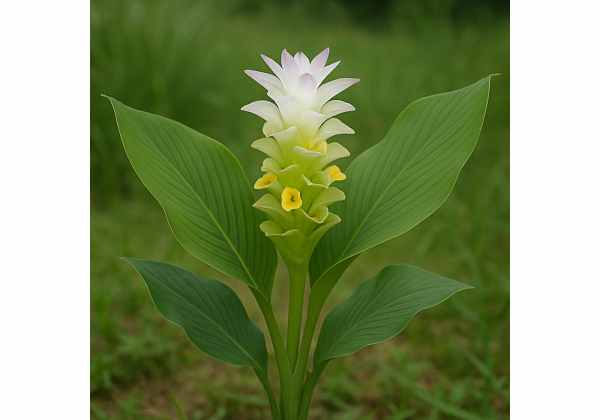
Tumeric, more commonly spelled turmeric, is the deep golden rhizome of Curcuma longa, a member of the ginger family long valued in South Asian cooking and traditional medicine. Its reputation rests on more than color. Turmeric contains curcuminoids, essential oils, and other plant compounds that help explain its long-standing use for digestive discomfort, joint complaints, and inflammatory conditions. Modern research has given some of these traditional uses better support, especially in osteoarthritis and functional dyspepsia, but it has also clarified an important point: culinary turmeric, traditional powdered rhizome, and concentrated curcumin supplements are not equivalent in strength, effect, or safety. Food use is generally gentle. High-potency extracts are far more pharmacologically active and deserve more caution. That difference matters because turmeric is often marketed as though every form works the same way for pain, digestion, metabolism, and “detox.” It does not. Used well, turmeric can be a practical food-based herb and a useful short-term supplement in selected situations. Used carelessly, especially in high-bioavailability formulas, it can cause side effects and occasionally more serious problems.
Quick Overview
- Tumeric may help reduce osteoarthritis pain and stiffness in some people when used consistently.
- Traditional rhizome preparations are also used for fullness, slow digestion, and flatulence.
- A common studied supplement range is 500 to 1500 mg curcuminoids daily, while traditional herbal tea uses 0.5 to 1 g rhizome per cup, 2 to 3 times daily.
- Food turmeric and concentrated curcumin supplements do not act the same way and should not be treated as interchangeable.
- Avoid self-treating with high-dose supplements if you are pregnant, breastfeeding, have liver or biliary disease, or take blood thinners.
Table of Contents
- What Tumeric Is and Why the Form Matters
- Key Ingredients and Medicinal Properties
- Tumeric Health Benefits and Where the Evidence Is Strongest
- Where Turmeric Seems Most Useful for Joints and Digestion
- How to Use Tumeric as Spice, Tea, Extract, and Supplement
- Dosage, Timing, and Duration
- Safety, Side Effects, Interactions, and Who Should Avoid It
What Tumeric Is and Why the Form Matters
Tumeric comes from the underground rhizome of Curcuma longa, a tropical plant in the Zingiberaceae family. It is closely related to ginger, and that botanical relationship is helpful because many readers already understand turmeric best through its culinary identity. Like ginger’s long-standing food and medicinal role, turmeric sits at the border between kitchen ingredient and therapeutic herb. But unlike ginger, turmeric’s modern supplement culture revolves much more heavily around isolated or concentrated compounds.
That is the first practical point a good turmeric article needs to make. There are really four common “turmerics” people mean in daily life. The first is the dried spice used in food. The second is traditional herbal rhizome in teas, powders, and tinctures. The third is turmeric extract standardized to curcuminoids. The fourth is isolated curcumin or curcuminoid-rich formulations, often marketed for joint pain, inflammation, or antioxidant support. These are related, but they are not interchangeable.
Culinary turmeric is relatively mild. It contains curcuminoids, but not in the same concentration as a supplement. A curry seasoned with turmeric is not the same as taking 500 mg of concentrated curcuminoids. Traditional herbal preparations sit in the middle. They are stronger than food use, but still different from modern concentrated products. Once turmeric is standardized to 75% or more curcuminoids, the conversation changes from everyday herb use to pharmacologically meaningful supplementation.
This difference matters because people often read one headline about curcumin and then assume turmeric lattes, turmeric capsules, and bioavailability-enhanced formulations all carry the same benefits and risks. They do not. Food use is generally low risk and appropriate for long-term dietary inclusion. Traditional digestive use is more measured and symptom-directed. Concentrated extracts may offer more clinically relevant effects for pain or inflammation, but they are also more likely to cause side effects, drug interactions, or rare liver-related problems.
Turmeric’s traditional profile is also narrower than modern marketing suggests. Official herbal guidance in Europe emphasizes digestive disturbances such as fullness, slow digestion, and flatulence. Modern supplement advertising, by contrast, often promises everything from joint relief to cognitive protection to metabolic repair. Some of those areas have emerging evidence, but not all are equally convincing.
So before asking what turmeric can do, it helps to ask which turmeric is being used. That single question often makes the difference between a sensible, evidence-aware decision and an overhyped expectation.
Key Ingredients and Medicinal Properties
The best-known compounds in turmeric are the curcuminoids, especially curcumin, demethoxycurcumin, and bisdemethoxycurcumin. Curcumin gets most of the attention because it is the main yellow-orange pigment and the compound most often studied in supplements. It is strongly associated with turmeric’s anti-inflammatory and antioxidant reputation. But turmeric is not only curcumin. The rhizome also contains volatile oils such as ar-turmerone, alpha-turmerone, beta-turmerone, zingiberene, and other sesquiterpenes, along with polysaccharides and smaller phenolic compounds.
This wider chemistry helps explain why turmeric behaves differently as a whole herb than as isolated curcumin. Whole-rhizome preparations bring a broader balance of compounds, while concentrated supplements emphasize curcuminoids far more heavily. That does not automatically make one better than the other. It means the expected use should match the preparation.
Turmeric’s main medicinal properties are usually described in five broad ways:
- Anti-inflammatory, especially through effects on inflammatory signaling pathways
- Antioxidant, by scavenging reactive species and supporting cellular defense systems
- Digestive-supportive, particularly in traditional use for fullness, slow digestion, and flatulence
- Joint-supportive, mainly through symptom relief rather than structural joint repair
- Mild choleretic and bile-related effects, which may help digestion in some people but create safety issues in others
One of the most practical modern discussions around turmeric is bioavailability. Curcumin is absorbed relatively poorly on its own, which is why supplement companies frequently combine it with phospholipids, nanoparticles, or piperine from black pepper. This is where readers often hear about piperine’s absorption-enhancing role. The concept is real: some absorption enhancers do increase curcumin exposure. But that improvement in absorption is not purely a benefit. It may also increase the likelihood of interactions and adverse reactions, especially in susceptible users.
This is why turmeric’s medicinal properties should never be discussed without also discussing formulation. A plain turmeric spice blend in food has modest systemic exposure. A high-bioavailability curcumin supplement may have far stronger systemic effects. The body does not treat them as the same thing.
In practical terms, turmeric’s chemistry supports a believable but not magical profile. It makes sense as a digestive herb, a food-based anti-inflammatory adjunct, and a supplement with some clinical value in joint symptoms. It makes far less sense when described as a cure-all for every chronic inflammatory, metabolic, or age-related problem. The science is strongest when turmeric is kept grounded in the actual actions of its compounds rather than inflated into a universal wellness symbol.
Tumeric Health Benefits and Where the Evidence Is Strongest
The strongest human evidence for turmeric or curcumin supplements does not cover every popular claim. The most convincing support is for osteoarthritis-related symptom relief and, to a lesser extent, certain digestive complaints such as functional dyspepsia. That distinction matters because turmeric is often marketed for cognition, cancer prevention, depression, liver cleansing, and metabolic syndrome all at once. Some of those areas remain preliminary or inconsistent.
Joint comfort is the clearest modern use-case. Multiple analyses of randomized trials suggest that curcumin or turmeric extracts can reduce pain and improve function in people with knee osteoarthritis. In some comparisons, these effects appear roughly similar to nonsteroidal anti-inflammatory drugs, though usually with fewer gastrointestinal complaints. That does not mean turmeric rebuilds cartilage or reverses osteoarthritis. It means that some concentrated formulations may help symptom control, especially in mild to moderate cases. For readers looking at non-drug joint options, this places turmeric among the more plausible evidence-based botanicals, alongside boswellia in joint-support research.
Digestive benefit is the second important category, but it needs careful phrasing. Traditional herbal guidance supports turmeric rhizome for feelings of fullness, slow digestion, and flatulence. More recent clinical data suggest curcumin may help functional dyspepsia, with at least one randomized controlled trial showing outcomes comparable to omeprazole over a short treatment period. That is useful and clinically interesting, but it should not be stretched into a claim that turmeric treats ulcers, severe reflux, or every chronic stomach complaint.
Beyond these areas, the picture becomes more mixed. There are many studies suggesting anti-inflammatory, antioxidant, or metabolic benefits, but real-world results depend heavily on the formulation, dose, study population, and outcome chosen. For example, turmeric may improve some inflammatory markers in selected groups, yet this does not automatically translate into large, noticeable improvements in everyday symptoms.
A realistic evidence ranking looks like this:
- Most convincing: symptom relief in osteoarthritis, especially knee osteoarthritis
- Reasonably supported: digestive discomfort such as fullness or functional dyspepsia
- Possible but less settled: broader inflammatory and metabolic support
- Too preliminary for strong claims: cancer prevention, major cognitive protection, and broad disease reversal
This ranking helps keep expectations useful. Turmeric is not ineffective. It is simply strongest in a smaller set of applications than popular marketing suggests. When used for those more grounded goals, it is easier to evaluate honestly. If a person takes turmeric for knee discomfort or dyspepsia and tracks symptoms, they may notice something real. If they take it expecting total-body repair, they are more likely to be disappointed or misled.
Where Turmeric Seems Most Useful for Joints and Digestion
In practical self-care, turmeric seems most useful in two common situations: ongoing joint discomfort, especially knee osteoarthritis, and upper-digestive discomfort marked by fullness, slow digestion, or meal-related unease. These are the areas where traditional use, mechanistic plausibility, and human trial data overlap most cleanly.
For joints, turmeric is best thought of as a symptom-support herb rather than a structural remedy. People with osteoarthritis may notice less stiffness, less pain on movement, and somewhat easier daily function after several weeks of steady use. The improvement is usually gradual, not dramatic. It is also more likely with concentrated products than with food-only use. Adding turmeric to soup is healthy and worthwhile, but it is unlikely to reproduce the same effect seen in trials using standardized curcuminoid doses.
That distinction matters because many people want to use food-level turmeric as a gentle foundation while also wondering whether they need a stronger supplement. The most practical answer is that food turmeric supports general dietary quality, while concentrated extracts are the form more likely to reach clinically meaningful anti-inflammatory or analgesic levels. These uses can overlap, but they should not be confused.
For digestion, turmeric works best when the complaint is functional and non-ulcer-like. A person who feels heavy, overfull, slow to digest, or mildly bloated after meals is the kind of user most consistent with traditional herbal guidance. This is different from someone with severe abdominal pain, unexplained weight loss, recurrent vomiting, or black stools. In those situations, turmeric is not a self-care solution.
Turmeric can also be appealing because it bridges food and medicine. Someone may start by using it more often in cooking, then move to tea or capsules if symptoms persist. For mild meal-related discomfort, that stepwise approach often makes more sense than immediately taking a highly concentrated supplement. Readers comparing digestive herbs may find that artichoke’s digestive support profile overlaps with turmeric in the realm of fullness and sluggish digestion, though the two herbs work differently and suit different people.
What about broader uses such as blood sugar, fatty liver, or general inflammation? These remain areas of interest, but the evidence is less dependable for routine recommendations. Turmeric may be reasonable as an adjunct in a larger health plan, especially when diet quality, movement, and sleep are already being addressed. But it is not a substitute for those foundations.
The best real-world position for turmeric is this: helpful for certain joint symptoms, helpful for certain digestive symptoms, and possibly supportive elsewhere, but not strong enough to justify treating it as a universal therapeutic answer. That framing gives the herb enough credit without making it carry more than the evidence can support.
How to Use Tumeric as Spice, Tea, Extract, and Supplement
Turmeric can be used in several forms, and each makes sense for a different purpose. The simplest is culinary use. Adding turmeric to soups, lentils, rice dishes, roasted vegetables, egg dishes, or warm drinks gives regular low-level exposure and often pairs well with black pepper and fat-containing foods. This is the gentlest and most sustainable way to include turmeric in daily life, even though it is not the strongest therapeutic form.
The second form is traditional rhizome use as tea, powder, or tincture. Herbal tea made from comminuted rhizome fits best with turmeric’s older digestive role. It is more medicinal than food use, but still relatively modest compared with modern extracts. Tinctures and traditional dry extracts offer another step up, especially for people who want a more standardized herbal product without moving fully into the concentrated curcuminoid category.
The third form is concentrated turmeric extract or curcumin supplement. This is where most osteoarthritis and high-exposure anti-inflammatory trials sit. These products vary widely. Some are standardized to 75% curcuminoids or more. Others isolate curcumin. Some add phospholipids or piperine. Some emphasize absorption technology as their main selling point. The practical problem is that better absorption is not always a simple advantage. A stronger formulation may increase both the desired effect and the chance of adverse effects.
A practical way to choose the form is:
- Food turmeric: best for long-term culinary and general wellness use
- Traditional tea or tincture: best for mild digestive support
- Standardized extract: best when trying to match joint-related trial evidence
- High-bioavailability curcumin formulas: best approached carefully, especially if you take medicines
People sometimes try to use turmeric in the same way they use peppermint for everyday digestive comfort, but the fit is different. Peppermint is often used for cramping, gas, and a cooling digestive effect. Turmeric is warmer, more bitter, and more appropriate for fullness, sluggish digestion, and inflammatory-support goals.
One helpful rule is to choose the least aggressive form likely to match the purpose. Start with food or traditional preparations when the goal is general support or mild digestive discomfort. Move to a reputable standardized supplement only when the goal is more clearly symptom-directed, such as osteoarthritis support. That approach keeps turmeric useful without assuming every situation requires the strongest product on the shelf.
Dosage, Timing, and Duration
Turmeric dosage depends heavily on the form. For traditional digestive use, the European herbal monograph describes the following adult and elderly oral ranges:
- Powdered herbal substance: 0.5 to 1 g, 2 to 3 times daily
- Herbal tea: 0.5 to 1 g comminuted rhizome in 150 mL boiling water, 2 to 3 times daily
- Tincture 1:10: 0.5 to 1 mL, 3 times daily
These doses fit turmeric’s traditional role for fullness, slow digestion, and flatulence. They are far lower in curcuminoid exposure than modern concentrated supplement regimens.
For concentrated extracts and isolates, recent Health Canada monograph guidance offers a clearer frame for adult oral products:
- Standardized extract with 75% curcuminoids or more: up to 1500 mg curcuminoids daily, not more than 500 mg per single dose
- Curcuminoids: up to 1500 mg daily, not more than 500 mg per single dose
- Curcumin: up to 1200 mg daily, not more than 400 mg per single dose
These numbers are useful because they reflect a modern regulatory approach rather than supplement marketing. They also align reasonably well with many joint-related studies, which often use 500 to 1500 mg curcuminoids per day over several weeks.
Timing also matters. Turmeric supplements are usually best taken with meals, especially meals containing some fat, because curcuminoids dissolve poorly in water. Food also tends to improve stomach tolerance. Some people split the daily dose into two or three servings rather than taking everything at once, which can reduce nausea or reflux-like symptoms.
Duration should match the purpose. For digestive discomfort, it is sensible to reassess after 2 to 4 weeks. For osteoarthritis, trials often run 8 to 12 weeks or longer before full effect is judged. That said, a longer trial is not always a better trial. If a supplement causes stomach upset, worsens gallbladder symptoms, or produces new warning signs such as dark urine or yellowing of the skin, it should be stopped.
There is also an important practical difference between food use and supplement use. Cooking with turmeric can continue long-term as part of a normal diet. Concentrated supplementation deserves more periodic review, especially if it includes absorption enhancers or if the user takes prescription medicines. Consistency matters, but so does restraint.
Safety, Side Effects, Interactions, and Who Should Avoid It
Food-level turmeric is generally well tolerated, but concentrated turmeric and curcumin supplements deserve more caution than their reputation sometimes suggests. The main reason is not that turmeric is broadly dangerous. It is that higher-potency products have real physiological effects, and those effects can create problems in susceptible people.
The most common issues are gastrointestinal. These may include nausea, loose stools, abdominal discomfort, reflux, or a sense of stomach irritation. This is more likely with concentrated products than with food use. Turmeric’s bile-related effects also matter. People with gallstones, biliary obstruction, or known liver or biliary disorders should be cautious, because stimulation of bile flow is not always helpful in those settings.
Drug interactions are another practical concern. Recent monograph guidance advises caution if the user is taking medications including blood thinners. This does not mean every turmeric supplement will cause a dangerous interaction, but it does mean supplement use should not be casual in people taking anticoagulants, antiplatelet drugs, or multiple prescriptions. High-bioavailability products deserve especially careful consideration.
The most important newer safety point is liver injury. For many years turmeric was considered broadly safe, and in many contexts it still is. But recent case reports and clinicopathological series show that turmeric supplements can, in rare cases, be associated with clinically meaningful liver injury. The risk does not appear to apply equally to every form. It seems more relevant to concentrated supplements, especially some high-absorption formulations and products combined with piperine. This is one of the clearest examples of why food turmeric should not be mentally equated with concentrated supplement turmeric.
People who should avoid or use turmeric supplements only with professional guidance include:
- those who are pregnant or breastfeeding
- those with liver or biliary disease
- those taking blood thinners or multiple prescription medicines
- those with gallstones or suspected bile duct obstruction
- those who have previously reacted badly to turmeric supplements
- those with unexplained jaundice, dark urine, or persistent upper abdominal pain
A final point is that “natural” does not mean unlimited. Turmeric is one of the best examples of a herb that is gentle in food, helpful in some traditional uses, and yet still capable of causing harm when concentrated, enhanced, or overused. Used thoughtfully, it can be a valuable herb. Used indiscriminately, especially in aggressive supplement form, it can become more trouble than benefit.
References
- European Union herbal monograph on Curcuma longa L., rhizoma 2018 (Monograph)
- CONCENTRATED TURMERIC EXTRACTS AND ISOLATES (CURCUMINOIDS/CURCUMIN) 2025 (Monograph)
- Curcumin and proton pump inhibitors for functional dyspepsia: a randomised, double blind controlled trial 2023 (Randomized Controlled Trial)
- Efficacy and safety of curcumin therapy for knee osteoarthritis: A Bayesian network meta-analysis 2024 (Network Meta-Analysis)
- Turmeric supplement-associated hepatitis: a clinicopathological series of 11 cases highlighting pan-lobular and zone 3 injury 2025 (Case Series)
Disclaimer
This article is for educational purposes only and does not replace medical advice, diagnosis, or treatment. Tumeric can be a useful food herb and, in some cases, a helpful supplement, but it is not appropriate for every person or every goal. Concentrated extracts and high-bioavailability formulas may have stronger effects and stronger risks than culinary turmeric. Speak with a qualified healthcare professional before using turmeric supplements if you are pregnant, breastfeeding, have liver or biliary problems, take prescription medicines, or are considering long-term high-dose use.
Please share this article on Facebook, X, or your preferred platform if you found it helpful.