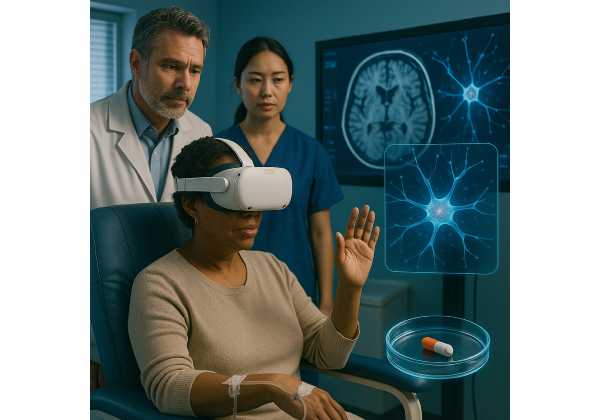
Brain aging is no longer viewed as one slow, inevitable slide. Researchers now study it as a set of biological stress patterns that include cellular senescence, chronic neuroinflammation, impaired protein cleanup, mitochondrial strain, vascular injury, and reduced synaptic resilience. That shift matters because emerging therapies are moving beyond “boosting memory” toward changing the cellular environment that makes neurons vulnerable.
The most discussed candidates include senolytics, which aim to remove harmful senescent cells; senomorphics, which try to quiet inflammatory secretions from those cells; and integrated stress response modulators, which adjust how cells handle misfolded proteins and metabolic stress. None of these therapies is a proven general brain-longevity treatment today. Some are already in early human studies, while others remain preclinical. Their promise lies in targeting aging biology directly, but their risk lies in disturbing systems the brain also needs for repair, learning, and survival.
Table of Contents
- How Neuroprotection Is Changing
- Senolytics and Senomorphics for Brain Aging
- ISR Modulators and Proteostasis
- Neuroinflammation, Blood–Brain Barrier, and Vascular Targets
- Mitochondria, Synapses, and Cell Energy
- Trial Design, Biomarkers, and Who Might Benefit
- Safety, Access, and Realistic Timelines
- A Practical Way to Follow the Field
How Neuroprotection Is Changing
Neuroprotective therapy used to mean trying to keep neurons alive after damage had already started. Modern brain-aging research takes a wider view. Neurons depend on glial cells, blood vessels, immune signals, protein-folding systems, energy metabolism, and waste clearance. A therapy that protects synapses, calms overactive microglia, improves blood–brain barrier function, or removes toxic senescent cells could support cognition even without acting directly on neurons.
This broader view explains why several emerging therapies overlap with longevity science. The same aging processes that weaken muscle, blood vessels, and immune function also affect the brain. Cellular senescence increases inflammatory signaling. Mitochondrial dysfunction reduces energy flexibility. Chronic stress signaling disrupts protein synthesis and synaptic plasticity. Vascular aging damages white matter. These mechanisms do not replace classic Alzheimer’s and Parkinson’s biology, such as amyloid, tau, alpha-synuclein, and dopamine neuron loss. They help explain why those disease processes accelerate in some people and stay slower in others.
A useful way to judge emerging neuroprotective therapies is to separate three goals:
- Disease modification: slowing a diagnosed disease process, such as early Alzheimer’s disease.
- Risk reduction: lowering the biological stress load that raises future cognitive risk.
- Resilience support: improving the brain’s ability to recover from inflammation, vascular strain, injury, poor sleep, or metabolic stress.
Those goals require different evidence. A drug that changes cerebrospinal fluid markers in a 12-week pilot study has not proven that it prevents dementia. A therapy that improves cognition in a mouse model does not automatically work in humans. A biomarker improvement also means less when it does not connect to daily function, memory, gait, independence, or disease progression.
Approved anti-amyloid antibody treatments for early Alzheimer’s disease show how demanding brain trials have become. They require biomarker confirmation, brain imaging, careful risk screening, and monitoring for brain swelling or bleeding. Senolytics, ISR modulators, and other longevity-linked approaches will need the same level of seriousness before they move from exciting biology to routine care.
The strongest near-term future is likely combination medicine. Brain aging rarely follows one pathway. A person with insulin resistance, hypertension, poor sleep, hearing loss, and early amyloid biology has several overlapping drivers of decline. That is why emerging drugs will work best alongside proven risk-reduction steps, not as replacements for them. Vascular control, exercise, sleep treatment, hearing correction, medication review, and metabolic health remain the base layer of neuroprotection.
For a broader foundation, cognitive aging differs from dementia risk in ways that shape how these therapies should be interpreted. A clear starting point is cognitive aging versus dementia risk, because normal age-related slowing and disease-driven decline call for different levels of testing and intervention.
Senolytics and Senomorphics for Brain Aging
Senescent cells are damaged or stressed cells that stop dividing but remain metabolically active. In short bursts, senescence helps with wound healing, cancer suppression, and tissue repair. With age or chronic disease, senescent cells accumulate and release inflammatory molecules, growth factors, proteases, and immune signals known as the senescence-associated secretory phenotype, or SASP.
In the brain, senescence is complicated because many brain cells do not divide in the same way as skin or gut cells. Researchers still describe senescence-like states in astrocytes, microglia, oligodendrocyte precursor cells, endothelial cells, and even neurons. These cells can contribute to inflammation, impaired myelin repair, blood–brain barrier dysfunction, and synaptic stress. For readers who want the cellular background before the drug discussion, cellular senescence basics explain why senescent cells are both protective and harmful depending on timing and tissue context.
Senotherapeutics fall into two main groups. Senolytics aim to kill senescent cells by blocking survival pathways that keep them alive. Senomorphics aim to reduce harmful SASP signaling without removing the cell. The distinction matters in the brain. Removing the wrong cell population could harm repair, while suppressing inflammation too broadly could weaken immune defense or cleanup.
The best-known first-generation senolytic combination is dasatinib plus quercetin. Dasatinib is a prescription tyrosine kinase inhibitor used in oncology. Quercetin is a plant flavonoid available as a supplement, but trial-style senolytic use is not the same as casual supplementation. The rationale for intermittent dosing is that senescent cells do not need constant exposure; short pulses may reduce senescent-cell burden while allowing recovery between treatments.
Early Alzheimer’s research has tested dasatinib plus quercetin in very small studies. In a phase 1 feasibility trial in mild Alzheimer’s disease, five participants completed a 12-week open-label protocol. Dasatinib was detected in cerebrospinal fluid in most participants, while quercetin was not detected there. The treatment was reported as feasible and tolerated in that small group, but the trial was not designed to prove cognitive benefit. A separate pilot study in older adults at risk for Alzheimer’s disease studied intermittent dasatinib plus quercetin in people with mild cognitive impairment and slow gait, looking at feasibility, safety, mobility, cognition, and inflammatory markers.
These studies are important because they move senolytics from animal models into human brain-aging research. They are also easy to overread. Small open-label trials cannot separate drug effects from expectation, practice effects on cognitive testing, regression to the mean, or normal short-term variation. They are best viewed as safety-and-signal studies that help design larger randomized trials.
| Strategy | Main idea | Examples under study | Main caution |
|---|---|---|---|
| Senolytics | Remove selected senescent cells | Dasatinib plus quercetin, fisetin-like approaches, BCL-2 family targeting | Cell selectivity, immune effects, off-target toxicity |
| Senomorphics | Reduce harmful SASP signaling without killing cells | JAK/STAT modulation, NF-κB-related pathways, anti-inflammatory signaling | Over-suppressing repair or host defense |
| Immune clearance | Help immune cells recognize and remove senescent cells | Vaccines, engineered immune-cell concepts, antibody-based targeting | Autoimmunity, tissue targeting, long-term surveillance effects |
Senolytics also raise a delivery problem. A therapy for brain aging must reach the relevant tissue or alter peripheral signals that affect the brain. Blood levels alone do not prove central nervous system action. Cerebrospinal fluid sampling, imaging, and fluid biomarkers help, but they still do not show whether the right cells were targeted. Future trials need better markers of senescent astrocytes, microglia, endothelial cells, and oligodendrocyte-lineage cells.
The safest interpretation is that senolytics are promising but not ready as self-directed cognitive-longevity treatments. They deserve attention because senescence connects aging biology to neuroinflammation and tissue dysfunction. They deserve caution because the brain uses inflammatory and stress responses for repair, plasticity, and immune defense. A more detailed therapy-focused discussion sits naturally beside senolytics for healthy aging and senomorphic strategies, which cover the broader longevity context beyond the brain.
ISR Modulators and Proteostasis
The integrated stress response, often shortened to ISR, is a cellular control system that changes protein production during stress. Cells activate it when they face viral infection, amino acid shortage, mitochondrial stress, endoplasmic reticulum stress, heme deficiency, or misfolded proteins. The pathway reduces general protein synthesis while allowing selected stress-response proteins to rise.
This response is useful in short bursts. A stressed cell needs time to restore balance. In the brain, though, chronic ISR activation can interfere with synaptic plasticity, memory formation, and proteostasis, the process of keeping proteins correctly made, folded, repaired, and cleared. Neurodegenerative diseases often involve protein stress: amyloid and tau in Alzheimer’s disease, alpha-synuclein in Parkinson’s disease, TDP-43 in some forms of ALS and frontotemporal dementia, and prion-like misfolding in rarer disorders.
ISR modulation is attractive because it sits near the intersection of protein quality control, inflammation, and synaptic function. Instead of targeting one misfolded protein, it adjusts the cell’s stress setting. The challenge is that the ISR is not simply “bad.” Too little stress signaling leaves cells vulnerable. Too much stress signaling suppresses normal function and may push cells toward degeneration.
ISRIB is the best-known experimental ISR inhibitor. It acts downstream in the ISR pathway by influencing eIF2B, a protein complex involved in translation initiation. In animal models, ISRIB-like approaches have improved learning and memory under some conditions and shown effects in models of traumatic brain injury, prion disease, and age-related cognitive impairment. These findings made ISRIB a powerful research tool, but it is not an approved cognitive therapy.
Other approaches target specific ISR kinases such as PERK, GCN2, PKR, or HRI. PERK inhibition drew interest because PERK activation contributes to endoplasmic reticulum stress signaling. Yet broad PERK inhibition has raised safety concerns in preclinical work, including pancreatic toxicity. This is a recurring theme in neuroprotection: a pathway that looks harmful in diseased neurons may be essential in another tissue.
A more refined future may involve partial, timed, or tissue-specific ISR modulation rather than blunt suppression. The best candidate might not be “turn off the ISR.” It may be “restore a healthy stress-response rhythm.” Brain cells need stress responses during infection, injury, intense metabolic strain, and normal learning. Chronic activation is the problem.
Proteostasis also connects ISR modulators with autophagy, lysosomal function, the unfolded protein response, and mitochondrial quality control. These systems overlap but are not identical. Autophagy helps recycle cellular components. The unfolded protein response reacts to protein-folding stress in the endoplasmic reticulum. The ISR coordinates broader translation control. A therapy that improves one branch while impairing another could create mixed results.
This is why emerging neuroprotective drugs need biomarker panels rather than single readouts. Researchers need to know whether a compound changes phosphorylated eIF2α signaling, ATF4-related gene expression, protein aggregation, synaptic markers, neurofilament light, inflammatory markers, and cognitive outcomes in the same direction. A therapy that improves a stress marker while worsening protein clearance would not be a clear win.
ISR modulators remain earlier in the human translation path than anti-amyloid antibodies and many senotherapeutic trials. Their scientific appeal is strong, especially for diseases driven by protein misfolding and synaptic failure. Their clinical future depends on finding a therapeutic window wide enough to improve brain resilience without weakening essential stress defenses.
For readers tracking adjacent cellular quality-control pathways, proteostasis and the unfolded protein response provide useful context for understanding why protein-folding stress is central to neurodegeneration.
Neuroinflammation, Blood–Brain Barrier, and Vascular Targets
The aging brain often shifts toward a low-grade inflammatory state. Microglia, the brain’s resident immune cells, become more reactive. Astrocytes change their support functions. Endothelial cells lining brain blood vessels lose some barrier integrity. Peripheral inflammation sends stronger signals into the central nervous system. Over years, this environment can damage synapses, reduce myelin maintenance, and amplify disease proteins.
Neuroinflammation is not one pathway. It includes microglial activation states, complement signaling, inflammasome activity, cytokines, lipid mediators, vascular adhesion molecules, and immune-cell trafficking. That complexity creates many drug targets, but it also makes “anti-inflammatory” a vague label. The brain does not need inflammation erased. It needs immune responses that clear debris, respond to injury, and then resolve.
Several emerging strategies aim to tune this immune environment:
- Microglial modulators seek to shift microglia away from chronic inflammatory patterns and toward cleanup and repair.
- Complement inhibitors target immune proteins that tag synapses or cells for removal. This approach is relevant because excess complement activity may contribute to synapse loss.
- Inflammasome-targeted therapies aim to reduce inflammatory cascades such as NLRP3-related signaling.
- Senomorphic drugs may lower SASP-driven cytokine release from senescent glia or vascular cells.
- Blood–brain barrier support aims to reduce leakage, immune activation, and vascular injury.
The blood–brain barrier deserves special attention. It is not a wall; it is a living interface made of endothelial cells, pericytes, astrocyte end-feet, basement membrane, and transport systems. With aging, hypertension, diabetes, smoking, sleep disruption, and small vessel disease, this interface becomes more vulnerable. A leaky or inflamed barrier exposes the brain to signals it normally controls tightly.
This is one reason vascular prevention remains a major form of neuroprotection. Blood pressure, atrial fibrillation, insulin resistance, sleep apnea, kidney disease, and lipids all influence brain microvascular health. Emerging therapies may eventually repair or stabilize barrier function, but proven vascular risk reduction already lowers the burden placed on the brain. The biology of blood–brain barrier health helps explain why cardiovascular and metabolic control show up repeatedly in cognitive-longevity research.
Anti-inflammatory therapy also needs patient selection. A person with high systemic inflammation, poor sleep, visceral adiposity, and vascular risk may have a different inflammatory profile from someone with strong amyloid positivity and low vascular burden. Future trials may separate participants by inflammatory markers, microglial PET imaging, plasma GFAP, neurofilament light, amyloid and tau status, or vascular imaging.
The greatest risk in this area is oversimplification. Supplements or drugs marketed as “brain anti-inflammatories” rarely prove that they reach the right brain cells, change the right immune signals, and improve outcomes. Real neuroinflammation therapy needs target engagement, dosing clarity, safety monitoring, and evidence that cognition or function changes in a meaningful way.
Mitochondria, Synapses, and Cell Energy
The brain uses a large share of the body’s energy despite making up only a small share of body weight. Neurons need steady ATP production to maintain ion gradients, release neurotransmitters, recycle synaptic vesicles, and support plasticity. Mitochondria also regulate calcium handling, oxidative signaling, apoptosis, and local energy supply at synapses.
Mitochondrial dysfunction appears in aging and neurodegenerative disease, but it is not a single defect. Some cells show impaired oxidative phosphorylation. Others show poor mitochondrial transport along axons, reduced mitophagy, excess reactive oxygen species, or damage to mitochondrial DNA. A good mitochondrial therapy must match the problem it targets.
Several emerging approaches are under investigation:
- Mitochondria-targeted peptides aim to stabilize mitochondrial membranes or improve energy efficiency.
- Mitophagy enhancers try to improve removal of damaged mitochondria.
- NAD-related strategies seek to support redox balance and repair pathways, though brain-specific human outcomes remain uncertain.
- Metabolic therapies explore ketone biology, insulin signaling, and substrate flexibility.
- Gene and RNA-based approaches may eventually address specific inherited mitochondrial or neurodegenerative mechanisms.
Synapses are another central target. Cognitive decline often tracks synapse loss more closely than neuron count alone. Therapies that preserve synaptic structure, reduce toxic protein effects at synapses, or restore local protein synthesis could have outsized benefits. ISR modulators belong partly in this category because protein translation control affects synaptic plasticity and memory.
The same logic applies to physical training and metabolic health. Exercise increases brain-derived neurotrophic factor signaling, vascular function, insulin sensitivity, and mitochondrial capacity across tissues. Zone 2 conditioning, resistance training, balance work, and adequate protein intake do not replace emerging drugs, but they improve the biological terrain those drugs would act on. A therapy designed to support mitochondrial resilience will likely perform better in a person with controlled sleep apnea, stable glucose, and regular movement than in a body under constant metabolic stress.
Mitochondrial therapies for neuroprotection also face the blood–brain barrier problem. A compound that improves mitochondrial markers in muscle does not automatically improve neuronal mitochondria. Trials need brain-relevant endpoints: cognitive measures, functional outcomes, imaging, cerebrospinal fluid markers, plasma markers linked to neurodegeneration, and safety signals.
The field is moving away from broad antioxidant thinking. Reactive oxygen species are not only damaging waste products; they also act as signals for adaptation. Over-suppressing redox signaling could blunt beneficial stress responses. Better therapies aim to restore balance, protect membranes, improve quality control, or reduce specific toxic signaling rather than flooding the system with nonspecific antioxidants.
For a deeper look at this family of interventions, mitochondrial therapies for longevity cover candidates such as elamipretide-style approaches and future mitochondrial editing concepts.
Trial Design, Biomarkers, and Who Might Benefit
Emerging neuroprotective therapies need better trial design than the field used in the past. Many older cognition trials enrolled broad groups, used short follow-up, and relied on tests that changed slowly or varied with sleep, mood, practice, and education. Aging-biology therapies need sharper selection and more layered outcomes.
The first design issue is stage. Prevention, early disease, and established neurodegeneration are different settings. A senolytic might work best when senescent-cell burden contributes to early inflammatory stress. An anti-amyloid antibody fits people with confirmed amyloid pathology and early symptoms. An ISR modulator might make sense in diseases with strong protein-misfolding stress or synaptic translation abnormalities. Using the wrong stage can make a useful therapy look ineffective.
The second issue is biology matching. Future trials will likely combine several markers:
- amyloid and tau status for Alzheimer’s disease biology
- neurofilament light for neuronal injury
- GFAP for astrocyte activation
- inflammatory cytokines and chemokines
- vascular imaging and white matter lesion burden
- APOE genotype where relevant
- gait speed, grip strength, and dual-task performance
- sleep, metabolic, and blood pressure measures
A therapy should show target engagement before researchers expect clinical benefit. For senolytics, that may mean changes in SASP markers, senescence-related proteins, or cell-type-specific signals. For ISR modulators, that may mean changes in ISR pathway markers and synaptic or proteostasis readouts. For vascular or barrier therapies, that may mean imaging or fluid markers tied to barrier integrity.
The third issue is outcome choice. Memory tests matter, but brain aging affects more than memory. Processing speed, executive function, gait, balance, reaction time, mood, sleep quality, fatigue, and daily function often change together. Slow gait plus mild cognitive impairment, for example, signals higher risk than either issue alone. This is why some senolytic pilot work includes mobility measures as well as cognition.
The fourth issue is duration. A 12-week study can show feasibility, tolerability, drug penetration, and short-term biomarker shifts. It rarely proves slower neurodegeneration. Disease-modifying claims need longer follow-up, larger randomized groups, and outcomes that matter to daily life. Trials in Alzheimer’s disease often measure change over 18 months or longer because decline is gradual and variable.
Candidate selection will likely become more precise. People most likely to benefit from emerging neuroprotective therapies may include those with:
- early-stage disease rather than advanced neuronal loss
- measurable target biology, such as senescence, amyloid, inflammation, or ISR activation
- preserved enough function for slowing decline to matter
- controlled vascular and metabolic risks
- ability to complete imaging, labs, and follow-up safely
- no major contraindications to the therapy being tested
This is also where healthspan thinking can help. Biomarkers are useful when they guide action, not when they create noise. The difference between surrogate markers and real-world benefit is central to interpreting trial headlines. A careful guide to biomarkers versus outcomes helps keep early results in perspective.
Safety, Access, and Realistic Timelines
Brain-directed longevity therapies carry higher stakes than many wellness interventions. The brain has limited tolerance for swelling, bleeding, immune misfiring, mitochondrial disruption, and protein-synthesis errors. A treatment that looks safe in a small pilot study still needs larger safety data, especially in older adults who take anticoagulants, antiplatelet drugs, blood pressure medications, diabetes drugs, antidepressants, sleep medications, or cancer therapies.
Senolytics illustrate the issue. Dasatinib is not a benign supplement. It can cause low blood counts, fluid retention, bleeding risk, infection risk, cardiac effects, and drug interactions. Quercetin also affects enzymes and transporters involved in drug metabolism. Intermittent dosing may reduce exposure, but it does not remove the need for medical oversight. People with cancer histories, immune suppression, liver or kidney disease, bleeding risk, or multiple medications need especially careful review.
ISR modulators raise a different safety problem. Stress-response pathways protect cells during infection, nutrient shortage, and protein overload. Suppressing them too strongly or at the wrong time could harm tissues outside the brain. PERK-related pathways, for example, matter in the pancreas and other organs. A central nervous system benefit is not enough if the same drug harms metabolic or immune function.
Anti-inflammatory and immune-targeted therapies can also backfire. Microglia clear debris and help maintain tissue homeostasis. Complement proteins participate in immune defense. Cytokines coordinate repair after injury. Blunting these systems without precision could create infection risk, impaired repair, or unexpected cognitive effects.
Access will develop unevenly. Approved disease-modifying Alzheimer’s treatments already require specialist evaluation, amyloid confirmation, MRI monitoring, infusion infrastructure, and risk counseling. Emerging aging-biology therapies may require even more complex biomarker selection at first. The first practical uses will likely appear in trials and specialty clinics, not as general prescriptions for healthy adults.
Realistic timelines vary by category:
| Therapy area | Current maturity | What is needed next |
|---|---|---|
| Anti-amyloid antibodies | Approved for selected early Alzheimer’s patients | Better access, risk prediction, combination strategies, long-term monitoring |
| Senolytics | Early human feasibility and pilot studies | Larger randomized trials, brain target markers, safer next-generation agents |
| Senomorphics | Strong rationale, mixed target landscape | Clearer SASP biomarkers, cell-specific effects, dosing windows |
| ISR modulators | Mostly preclinical and mechanistic human relevance | Safer compounds, tissue selectivity, proof of cognitive benefit |
| Mitochondrial therapies | Varies by compound and disease area | Brain-specific endpoints, patient selection, durable functional outcomes |
The field will probably not produce one universal brain-longevity pill. A more likely future is layered treatment: vascular risk control, sleep and metabolic optimization, disease-specific therapy when biomarkers confirm disease, and aging-biology drugs for selected subgroups. The most valuable compounds may be those that make existing therapies work better or slow the background biology that drives relapse and progression.
Self-experimentation deserves restraint. Cognitive decline creates understandable urgency, but early-stage neuroprotective therapies are not ideal do-it-yourself experiments. Many require lab monitoring, imaging, medication review, and careful stopping rules. A safer approach is to track the research, participate in legitimate trials when appropriate, and optimize proven risk factors while the evidence matures.
A Practical Way to Follow the Field
The easiest mistake is treating every promising mechanism as a near-ready therapy. A better approach is to ask specific questions about each candidate.
First, identify the target. “Neuroprotective” is too broad. Does the therapy remove senescent cells, reduce SASP signaling, modulate ISR activity, improve mitochondrial membrane function, lower microglial overactivation, stabilize the blood–brain barrier, or clear a disease protein? Clear targets make trial results easier to judge.
Second, look for human target engagement. Animal cognition improvements are useful but not enough. In humans, researchers should show that the therapy reaches the relevant compartment or changes a meaningful biomarker. For brain therapies, that often means cerebrospinal fluid, imaging, blood markers linked to brain injury, or validated cognitive and functional measures.
Third, check the study design. Randomized, placebo-controlled trials matter most. Open-label pilot studies are valuable for feasibility and safety, but they do not prove efficacy. Small studies with 5, 20, or 40 participants should change curiosity, not clinical practice.
Fourth, separate short-term cognitive changes from disease modification. Better attention, sleep, mood, or energy can improve test performance without slowing neurodegeneration. That improvement still matters, but it is not the same as preserving brain tissue or delaying dementia progression.
Fifth, review safety in the population that would actually use the therapy. Older adults with mild cognitive impairment often take several medications and may have vascular disease, kidney impairment, arrhythmias, sleep apnea, or frailty. Safety data from young animals or healthier adults do not answer those questions.
A practical reading checklist looks like this:
- Was the study done in humans or only in animals?
- Were participants randomized and blinded?
- Did the therapy show target engagement?
- Did cognition, function, imaging, or daily-life outcomes improve?
- Were adverse events actively monitored?
- Was the study long enough to support the claim?
- Do the participants resemble the people likely to use the therapy?
- Is the dose realistic, standardized, and medically supervised?
This framework keeps excitement useful. Senolytics, senomorphics, ISR modulators, mitochondrial therapies, and immune-targeted drugs all point toward a future where brain aging is treated through mechanisms, not vague memory support. The next step is proving which mechanisms matter most, in which people, at which stage, and at what risk.
The most durable neuroprotection today still comes from combining established actions with careful attention to emerging science. Control blood pressure. Treat sleep apnea. Build aerobic fitness and strength. Correct hearing and vision problems. Review anticholinergic medication burden. Address depression, loneliness, diabetes, and atrial fibrillation. These steps reduce the stress load that emerging drugs are trying to target at a molecular level.
Emerging therapies are most exciting when they are viewed as additions to that foundation. The future of brain longevity will likely include targeted drugs, biomarker-guided prevention, and earlier treatment of disease biology. Until larger trials mature, the wisest stance is engaged caution: follow the science closely, avoid premature self-treatment, and judge each therapy by human outcomes rather than mechanism alone.
References
- Therapeutic targeting of senescent cells in the CNS 2024 (Review)
- Senolytic therapy in mild Alzheimer’s disease: a phase 1 feasibility trial 2023 (Clinical Trial)
- A pilot study of senolytics to improve cognition and mobility in older adults at risk for Alzheimer’s disease 2025 (Pilot Study)
- The integrated stress response in neurodegenerative diseases 2025 (Review)
- The integrated stress response in brain diseases: A double-edged sword for proteostasis and synapses 2024 (Review)
Disclaimer
This article is educational and does not replace medical care from a qualified clinician. Emerging neuroprotective therapies, including senolytics and ISR modulators, require professional oversight in research or clinical settings because they can affect immune function, medication safety, and brain health in complex ways. Anyone with memory symptoms, gait changes, or concern about cognitive decline should seek medical evaluation rather than self-treating with experimental protocols.