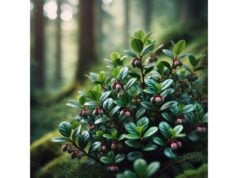
Ephedra, best known in traditional East Asian medicine as ma huang, is one of the most pharmacologically active herbs in common herbal history. Unlike gentler botanicals used mainly for flavor or mild support, ephedra has clear stimulant, bronchodilating, and decongestant effects that come largely from ephedrine-type alkaloids. That combination explains both its long-standing medicinal use and its unusually important safety concerns.
Historically, the herb has been used for short-term respiratory complaints such as wheezing, nasal congestion, and cold-related chills, and it later became widely marketed in the West for energy, weight loss, and athletic performance. Modern readers should know that these are not equal use cases. The respiratory rationale is older and more coherent, while the weight-loss story is tied to higher risk, short-term outcomes, and a poor safety tradeoff for routine self-use.
A helpful way to think about ephedra is this: it is not a wellness herb for casual experimentation. It is a potent medicinal plant whose possible benefits must always be weighed against dose, formulation, timing, personal health status, and interaction risk.
Key Insights
- Ephedra is best known for short-term decongestant and bronchodilating effects, especially in traditional respiratory formulas.
- Its main alkaloids, especially ephedrine and pseudoephedrine, drive both the desired effects and most of the safety concerns.
- Traditional oral intake is commonly discussed in the range of about 1.5 to 9 g/day of decocted herb, and many modern references cap total daily use at 10 g.
- Avoid ephedra during pregnancy, breastfeeding, childhood, or with heart disease, high blood pressure, arrhythmias, insomnia, or stimulant medications.
Table of Contents
- What is ephedra and what is in it?
- Does ephedra help with anything?
- How is ephedra used?
- How much ephedra per day?
- Side effects, interactions, and who should avoid it
- What does the evidence actually say?
What is ephedra and what is in it?
Ephedra is a shrub-like genus of plants, but when people discuss medicinal ephedra they usually mean Ephedra sinica or closely related species used in traditional Chinese medicine. The medicinal material is typically the dried stem rather than the leaf or root. You will often see it referred to as ma huang, though that name is sometimes used loosely in commerce, which can create confusion.
What makes ephedra distinctive is its chemistry. The plant contains a group of sympathomimetic alkaloids, the best known being ephedrine and pseudoephedrine. It may also contain related compounds such as norephedrine and methylephedrine. These compounds act on the nervous system and airways in ways that can increase alertness, raise heart rate, open bronchial passages, and reduce nasal swelling. In plain language, they can make breathing feel easier and the body feel more stimulated, but they can also push the cardiovascular system harder than many people realize.
Ephedra is not only about alkaloids. Reviews also describe flavonoids, tannins, polysaccharides, volatile oils, and organic phenolic acids. These nonalkaloid constituents may contribute antioxidant, anti-inflammatory, and other biological actions. That is part of why researchers still study the herb even though the classic stimulant alkaloids dominate most practical discussions. Some of the newer scientific interest is actually aimed at separating the herb’s nonalkaloid effects from the older stimulant-heavy profile.
A simple way to understand ephedra’s medicinal properties is to divide them into two layers:
- Fast, noticeable effects, mostly tied to alkaloids:
- decongestion
- bronchodilation
- stimulation
- thermogenesis
- Broader, less direct effects, more likely linked to the plant’s wider chemistry:
- anti-inflammatory signaling
- antioxidant activity
- possible immune or antiviral relevance
- pain-modulating effects in early research
This is why ephedra can seem confusing. It is both an old respiratory herb and a powerful stimulant source. Those identities overlap, but they are not interchangeable. The same chemistry that may help a congested person breathe more freely can also cause palpitations, anxiety, insomnia, or blood pressure spikes in someone who is sensitive, overdosed, or combining it with other stimulants.
For practical readers, the key point is that ephedra’s “active ingredients” are not gentle plant nutrients. They are pharmacologically meaningful compounds. That makes the herb more like a strong medicinal tool than a general wellness tonic.
Does ephedra help with anything?
Yes, but the answer depends heavily on what problem you are trying to solve and how much risk is acceptable.
The most traditional and believable uses are short-term respiratory ones. Ephedra has long been used for wheezing, chest tightness, nasal congestion, and early cold patterns involving chills and a “closed up” feeling in the airways. These uses make pharmacologic sense because the herb can relax bronchial smooth muscle and reduce nasal stuffiness. In practice, that means its effects are more about opening and stimulating than about soothing.
For weight loss, the story is more mixed. Ephedra-containing products have shown modest short-term effects on body weight and body mass index in clinical research, especially when stimulant alkaloids were present and sometimes paired with caffeine. The problem is that the benefit is not dramatic, long-term data are weak, and the safety tradeoff is poor for routine self-directed use. A small drop in weight is not very compelling when the same product can also raise heart rate, disturb sleep, or increase the risk of serious adverse events in susceptible users.
Athletic performance is even less convincing. Ephedra was heavily marketed for energy and training intensity, but the evidence has never been strong enough to make it a smart performance herb for the average person. Feeling more activated is not the same as meaningful, safe, repeatable performance improvement.
There are also areas where ephedra looks promising in theory but remains too early for strong conclusions. These include:
- anti-inflammatory activity
- anti-allergic effects
- antiviral potential
- analgesic or pain-related actions
- metabolic effects beyond weight change
This matters because a reader may see headlines about ephedra helping inflammation, immunity, or viral illness and assume the case is settled. It is not. Much of that work comes from lab studies, animal research, or formula-based clinical settings rather than strong, stand-alone proof for casual use of the whole herb.
It also helps to compare ephedra’s role with gentler respiratory herbs. Someone seeking mild throat or airway support might do better with mullein as a milder respiratory herb, because ephedra is not the best first choice when safety margin is the main priority.
So what can ephedra realistically help with?
- It may temporarily ease congestion and support easier breathing.
- It may modestly assist short-term weight reduction in some settings.
- It may increase alertness and perceived energy.
- It may contribute to broader formula effects in traditional medicine.
What should not be assumed?
- That “natural” means safer than a drug.
- That old use automatically proves modern safety.
- That short-term weight loss means long-term benefit.
- That stimulation equals better health or athletic output.
For most modern readers, ephedra’s potential benefits are real but narrow. Its risks are broader than its marketing history often admitted.
How is ephedra used?
Ephedra has been used in several very different ways over time, and that difference matters because preparation changes both effect and risk.
In traditional practice, the herb is commonly prepared as a decoction, meaning the dried stems are boiled in water and taken as part of a multi-herb formula rather than as a stand-alone daily tonic. In that setting, ephedra is usually used for a reason, for a limited duration, and in combination with other herbs chosen to direct or moderate its action. Classical respiratory formulas often pair it with warming, moistening, or harmonizing ingredients, including herbs such as licorice root used for formula balance.
In modern retail markets, however, ephedra became famous for very different reasons. It was sold in capsules, powders, “fat burners,” energy stacks, and sports-performance blends. Those products often pushed the stimulant angle rather than the traditional one. That shift in use pattern is important because a supervised short-course formula is not the same thing as repeated stimulant self-dosing for body shaping or workouts.
Common preparation styles include:
- Decoction or herbal tea
This is the traditional form. It is usually used for short-term therapeutic purposes rather than indefinite daily use. - Granules or concentrated formula powders
These are more common in professional traditional medicine settings because dosing can be more standardized. - Capsules or extracts
These are more common in supplement markets and require extra caution because the label may not clearly communicate alkaloid strength. - Combination formulas
In East Asian herbal practice, ephedra is often only one part of a broader prescription tailored to the pattern being treated.
In practical terms, ephedra is usually selected for one of three reasons:
- To open the airways or ease tight, cold-type respiratory symptoms.
- To reduce nasal blockage and improve airflow.
- To stimulate metabolism or energy, which is the use case most associated with safety problems.
A useful consumer warning is that “ephedra-free” and “ephedrine-free” do not mean the same thing. Some products use the name for marketing history, while others remove the classic alkaloids and emphasize different fractions of the plant. That can change both expected effect and expected risk.
A second practical point is timing. Because ephedra can feel activating, it is not usually a late-evening herb. People who are prone to insomnia, nervousness, or a racing heart tend to tolerate it poorly even when the goal is respiratory relief.
The safest mindset is to treat ephedra as a clinician-guided herb, not a casual add-on. If a person wants something for occasional congestion, steam inhalation, hydration, and milder botanicals such as eucalyptus for congestion-focused support are often easier starting points than a strong stimulant herb.
How much ephedra per day?
Dosage is the most important practical question, and with ephedra it should never be separated from supervision, formulation, and personal risk.
Traditional references commonly describe the crude herb in decocted form at roughly 1.5 to 9 g per day, while modern reviews often state that total daily use should not exceed 10 g. Clinical and formula-based studies have also used ranges that cluster around the middle of that span, with 6 g per day appearing in some modern supervised settings. At the same time, clinical trials in obesity have used broad, variable amounts across products and formulas, which is one reason casual comparison across labels is unreliable.
That does not mean 1.5 to 9 g is a safe self-prescribed range for everyone. It only means that this is the historical or study-based range most often discussed in the literature. Actual safety depends on much more than crude weight:
- the species used
- alkaloid content
- whether the product is whole herb, extract, or formula
- whether it is combined with caffeine or other stimulants
- the person’s age, body size, and cardiovascular status
- the intended duration of use
For most readers, the safest interpretation is this:
- lower doses may still cause side effects in sensitive people
- higher doses increase risk disproportionately
- longer duration is not automatically better
- stacking ephedra with stimulants is especially unwise
In traditional use, ephedra is usually not taken endlessly. It tends to be used for a focused purpose and then stopped. That is very different from the old supplement habit of taking it daily for weeks to chase weight loss, energy, or workout intensity.
Timing also matters. Because ephedra can cause sleeplessness, jitters, and a faster pulse, it is generally more suitable earlier in the day when it is used at all. People who notice agitation or poor sleep should treat that as a warning sign, not something to push through.
A practical dosing framework looks like this:
- Short-term, clinician-guided use is more reasonable than open-ended self-use.
- Whole-herb traditional dosing should not be confused with concentrated extract dosing.
- Products that do not clearly state alkaloid content are poor choices.
- Combining ephedra with coffee, pre-workouts, decongestants, or stimulant weight-loss products can make an otherwise moderate dose act like a high one.
The biggest dosing mistake is to think of ephedra as adjustable by feel: “I do not notice much, so I will take more.” That logic is risky because cardiovascular strain can rise before benefit rises in a useful way. With this herb, more is not better. More is often just less forgiving.
Side effects, interactions, and who should avoid it
This is the section that matters most, because ephedra’s safety profile is the main reason modern use demands restraint.
The common side effects are predictable from the herb’s stimulant pharmacology. They include:
- nervousness
- anxiety
- insomnia
- irritability
- dry mouth
- headache
- nausea
- dizziness
- sweating
- palpitations
- a faster pulse
- raised blood pressure
For some people, those effects are not just uncomfortable. They can be dangerous. Serious harms linked to ephedra-containing products have included heart attack, stroke, seizure, psychosis, and sudden death. Case reports and safety reviews have also linked ephedra to acute liver injury in a smaller number of users. That does not mean every use leads to major harm, but it does mean the herb has a narrower safety margin than many people assume.
Interaction risk is a major concern. Ephedra can act additively with anything that stimulates the nervous system or raises cardiovascular load. That includes:
- caffeine-heavy drinks
- decongestants
- ADHD stimulants
- some antidepressants, especially those with stimulating effects
- pre-workout formulas
- thermogenic blends
- fat burners featuring guarana as a concentrated caffeine source
Who should generally avoid ephedra altogether?
- pregnant or breastfeeding people
- children
- anyone with high blood pressure
- anyone with coronary artery disease or prior stroke
- people with arrhythmias or a history of palpitations
- people with panic disorder or severe anxiety
- people with chronic insomnia
- people with hyperthyroidism
- people with seizure disorders
- people who are already taking stimulant medicines
There are also users who may underestimate risk because they are young and otherwise healthy. That group is not immune. The old pattern of combining ephedra with caffeine for weight loss or gym performance is exactly the kind of use most likely to turn a potent herb into a reckless stimulant stack.
Another safety point is label ambiguity. Products sold online may use historic branding, proprietary blends, or incomplete ingredient language. When the chemistry is unclear, caution should increase, not decrease.
Red-flag symptoms that should prompt urgent medical attention include chest pain, fainting, severe headache, shortness of breath, confusion, jaundice, or a pounding irregular heartbeat.
In simple terms, ephedra is not just “an herb with some side effects.” It is an herb whose side effects are inseparable from its main mechanism. The same stimulant action that can create a noticeable medicinal effect can also create the problem.
What does the evidence actually say?
The evidence on ephedra is strongest where many readers least want it to be: safety. The benefit picture is more limited and more context-dependent.
For weight reduction, human trials and meta-analyses suggest that ephedra-containing oral products can produce modest short-term improvements in body weight, body mass index, and sometimes waist circumference. That is the clearest modern evidence of efficacy. But even here, there are major qualifiers. Studies vary in dose, formula, co-ingredients, study length, and population. Many older commercial products also combined ephedra with caffeine, which makes it harder to separate the herb’s independent effect from a broader stimulant effect.
For athletic performance, the evidence remains weak. Historically, marketing outran the data. A person may feel more energized, but that subjective boost does not reliably translate into a strong evidence base for safe performance enhancement.
For respiratory use, the evidence is plausible but uneven. Traditional use is longstanding and the pharmacology fits the classic indications: airway opening, stimulation, and decongestion. What is missing is a large modern body of high-quality, stand-alone randomized trials on the whole herb for routine Western self-care decisions. In other words, the traditional rationale is coherent, but the modern clinical proof is not as robust as many supplement advertisements once implied.
For broader claims such as antiviral, anti-inflammatory, analgesic, or immune-modulating effects, much of the literature is still preclinical or formula-based. That means these ideas are interesting, but they are not yet the same as practical, proven indications for self-treatment.
One of the most important recent themes in the research is an effort to study ephedra without its classic alkaloid burden. Investigators are exploring ephedrine-alkaloid-free extracts to see whether some useful nonalkaloid effects can be retained while reducing stimulation-related harm. That line of work is promising conceptually, but it also underlines a larger truth: researchers themselves recognize that the herb’s main historic actives are also its main liability.
So what is the balanced conclusion?
- Ephedra is pharmacologically real, not herbal folklore.
- Its respiratory and stimulant effects are believable.
- Its weight-loss effect is modest and short term, not transformative.
- Its evidence for sports performance is limited.
- Its safety concerns are substantial enough to change the risk-benefit equation for most casual users.
- Newer research is increasingly trying to separate the plant’s broader medicinal potential from the alkaloids that made it famous and controversial.
That last point is probably the most honest summary of the modern evidence base. Ephedra is not useless, but it is also not a sensible general supplement. The research supports respect, not routine use.
References
- Ephedra: Usefulness and Safety | NCCIH 2024 (Fact Sheet)
- Efficacy and safety of ephedra-containing oral medications: a systematic review, meta-analysis, and exploratory dose-response analysis for weight reduction 2024 (Systematic Review and Meta-Analysis)
- Ephedrae herba: A comprehensive review of its traditional uses, phytochemistry, pharmacology, and toxicology 2023 (Review)
- Ephedrae Herba: A Review of Its Phytochemistry, Pharmacology, Clinical Application, and Alkaloid Toxicity 2023 (Review)
- Ephedra – LiverTox – NCBI Bookshelf 2018 (Safety Review)
Disclaimer
This article is for educational purposes only and is not medical advice, diagnosis, or treatment. Ephedra is a stimulant herb with meaningful cardiovascular, neurologic, and interaction risks. It is not appropriate for self-treatment in many people, especially during pregnancy, breastfeeding, childhood, or in anyone with heart, blood pressure, anxiety, sleep, thyroid, or seizure-related conditions. Always review herbal products with a qualified clinician or pharmacist before use, especially if you take prescription medicines or other stimulants.
If this article was helpful, please share it on Facebook, X, or your preferred platform.