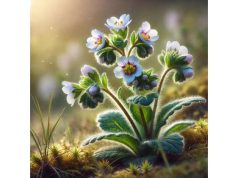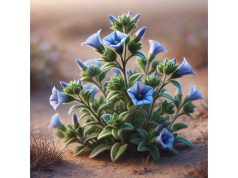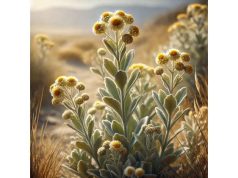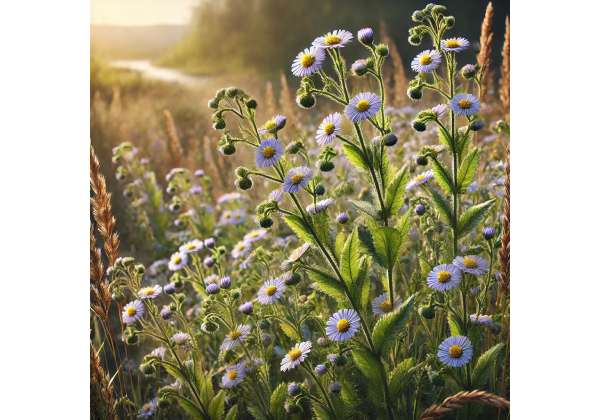
Erigeron, here referring to Erigeron canadensis, is a tall, aromatic annual herb in the daisy family that many readers know by its older name Conyza canadensis or by common names such as Canadian fleabane and horseweed. It grows easily in disturbed ground, roadsides, fields, and garden margins, yet its medicinal history is more interesting than its weedy reputation suggests. Traditional herbal systems have used the aerial parts and roots for diarrhea, dysentery, mild urinary complaints, cough, skin problems, and minor bleeding. Modern research adds another layer by identifying volatile oils, flavonoids, phenolic acids, tannins, and polyacetylene compounds that may help explain its astringent, antimicrobial, antioxidant, and anti-inflammatory reputation.
Still, Erigeron is best approached with balance. It has meaningful traditional use and several promising preclinical studies, but it does not have the kind of clinical evidence or standardized dosing seen with mainstream herbal medicines. That makes it a plant of genuine herbal interest, especially for short-term digestive, respiratory, and topical support, but one that still calls for modest expectations, careful dosing, and sensible safety boundaries.
Key Facts
- Erigeron appears most promising for mild astringent, anti-inflammatory, antimicrobial, and cough-supportive uses, but human evidence remains limited.
- Its major compounds include limonene, matricaria ester derivatives, rosmarinic acid, caffeic-acid-related phenolics, and flavonoids such as quercetin and apigenin.
- There is no validated human medicinal dose; preclinical oral extracts are often studied at about 100 to 200 mg/kg, which should not be translated directly into self-dosing.
- Concentrated essential oil should not be self-prescribed internally because its composition is variable and its safety is not well standardized.
- People who are pregnant, breastfeeding, very young, or sensitive to Asteraceae plants should avoid medicinal use unless guided by a qualified clinician.
Table of Contents
- What is Erigeron and why is it used
- Key ingredients and medicinal properties
- What can Erigeron realistically help with
- How Erigeron is used
- How much Erigeron per day
- Side effects, interactions, and who should avoid it
- What the evidence actually says
What is Erigeron and why is it used
Erigeron canadensis is an annual herb in the Asteraceae family. It is native to the New World but now grows widely across Europe, Asia, Africa, and other temperate regions. In many scientific papers and herbal references, especially older ones, it appears under the synonym Conyza canadensis. That naming split matters because readers who search for one name may miss important studies filed under the other. In practical herbal terms, both names usually point to the same plant: a slender, upright herb with narrow leaves, small clustered flower heads, and a noticeable aromatic character when crushed.
Historically, Erigeron was not valued because it looked rare or exotic. It was valued because it was available, pungent, and useful. Traditional uses often centered on three broad patterns. First, it was used internally as an astringent herb for diarrhea, dysentery, and loose bowel states. Second, it was used for mild urinary and inflammatory complaints, including fluid retention and irritation. Third, it developed a reputation in some traditions for cough, bronchial irritation, minor wounds, and small episodes of bleeding. Eclectic and folk medicine also described it as styptic, tonic, and rheumatic support, though those uses are much less standardized by modern evidence.
The plant part matters. Herbal traditions have used the aerial parts, flowering tops, roots, and volatile oil in different ways. The aerial herb is the most common starting point in folk practice. Roots and root-derived oil can differ chemically from the herb, which is important because one part of the plant may be richer in limonene, while another may concentrate acetylene compounds such as matricaria ester derivatives. In other words, “Erigeron” is not one perfectly uniform preparation.
A practical way to understand its reputation is to think of the herb as sitting at the intersection of aromatic and astringent medicine. Aromatic herbs often support airways, digestion, and surface circulation. Astringent herbs often tighten tissues, reduce excess secretions, and help with minor seepage or irritation. Erigeron has been placed in both camps, which helps explain why it shows up in traditional discussions of diarrhea, hemorrhoids, cough, urinary discomfort, and wound care.
That said, the plant’s older reputation is broader than its current evidence. Modern readers should resist the temptation to treat a long traditional use list as proof that the herb reliably works for all of those conditions. The smarter view is narrower. Erigeron is a historically important fleabane herb with credible traditional uses, especially where an aromatic and mildly tightening action would make sense, but it is not a modern cure-all.
Its continuing interest comes from four things:
- It has a well-documented folk history.
- It contains chemically active volatile and phenolic compounds.
- Different plant parts show different bioactive profiles.
- Early modern studies support several traditional directions without fully confirming them in humans.
That combination makes Erigeron worth learning about, but not worth romanticizing.
Key ingredients and medicinal properties
Erigeron’s medicinal character comes from a mixed chemistry rather than one signature molecule. Recent work on Erigeron canadensis and closely aligned Conyza canadensis material shows that the plant contains volatile oils, polyacetylenes, flavonoids, phenolic acids, tannins, sterols, and triterpenes. The exact profile changes with plant part, season, climate, and extraction method, which is one reason the herb can seem inconsistent across studies and traditions.
The volatile fraction is especially important. In aerial parts, limonene often appears as a dominant or major constituent, although some populations show strikingly high levels of polyacetylene compounds such as matricaria ester and lachnophyllum ester derivatives. These volatile compounds likely contribute to the herb’s aromatic, drying, and antimicrobial profile. They also help explain why the plant has been associated with respiratory use, topical applications, and insect-related folk functions.
Recent profiling work also found meaningful non-volatile phenolics and flavonoids in methanolic extracts. These include rosmarinic acid, caffeic-acid-related compounds, ferulic acid, syringic acid, vanillic acid, catechin, quercetin, luteolin, apigenin, hesperidin, and apigenin-7-O-glucoside. That is a useful list because it gives a biochemical reason for several of the plant’s reported actions. Phenolic acids and flavonoids often support antioxidant defense, help modulate inflammatory signaling, and may contribute to vascular or tissue-protective effects. Readers familiar with rosmarinic acid and its broader herbal role will recognize why this compound draws attention in Erigeron chemistry.
The herb’s best-supported medicinal properties are therefore not mysterious. They map reasonably well onto its compounds:
- Astringent potential from tannins and related phenolics.
- Antioxidant activity from phenolic acids and flavonoids.
- Anti-inflammatory potential from both volatile and non-volatile fractions.
- Antimicrobial and antifungal activity in some extracts and oils.
- Mild airway and cough support linked to complex polysaccharide and polyphenol fractions.
- Possible tissue-calming and secretion-reducing effects typical of aromatic-astringent herbs.
A useful insight is that Erigeron is chemically divided by plant part. Aerial herb oil often leans toward limonene and monoterpenes, while roots and some organ-specific extracts can be richer in polyacetylenes such as matricaria ester. That means a tea, tincture, whole-herb powder, and distilled oil are not interchangeable. The same species can produce a more respiratory-leaning aromatic profile in one preparation and a more antifungal or tissue-directed profile in another.
Another point worth keeping in view is variability. Research from different countries has shown that Erigeron oil chemistry shifts with geography and even with whether the sample came from stems, leaves, or inflorescences. One preparation may be limonene-heavy. Another may be dominated by matricaria ester derivatives. This matters for both benefits and safety, because a household user cannot assume all products have the same strength or effect.
So when people ask about Erigeron’s key ingredients, the most accurate answer is not a short list of miracle actives. It is a broader phytochemical pattern: volatile terpenes, polyacetylenes, phenolic acids, and flavonoids working together in a plant whose medicinal profile is plausible, active, and notably variable.
What can Erigeron realistically help with
A realistic Erigeron benefits list is narrower than its historical reputation, but it is still meaningful. The strongest case for the herb lies in mild digestive tightening, cough-related support, surface antimicrobial action, and modest anti-inflammatory activity. Those are not guarantees of clinical benefit, but they are the places where traditional use and early research overlap most clearly.
For digestion, Erigeron has long been associated with diarrhea, dysentery, and irritated bowel states where excess fluid and frequent stools are the main problem. This is exactly the kind of situation where an aromatic-astringent herb makes traditional sense. An herb that contains tannins, phenolic compounds, and volatile oils may help reduce secretions, calm irritation, and make the gut feel less reactive. That is still not the same as proof for infectious diarrhea, inflammatory bowel disease, or chronic gastrointestinal disorders. The herb belongs in the category of short-term supportive use, not disease-level treatment.
Respiratory use is another plausible area. A modern study on an Erigeron polyphenolic polysaccharide-protein complex found significant antitussive activity in guinea pigs, which gives laboratory support to the herb’s historical use for cough, bronchial irritation, and respiratory discomfort. That makes Erigeron more interesting than many casual readers assume. Even so, it is not yet a validated herbal replacement for standard cough treatment. For daily home use, better-known herbs such as great mullein for respiratory comfort are often easier to understand and dose.
Topical and tissue-supportive uses also fit the evidence. Traditional sources describe Erigeron for wounds, minor burns, swellings, and hemorrhoid-type complaints. This makes sense if the herb has both mild astringency and some antimicrobial or anti-inflammatory action. In practice, that could translate into a role for diluted external preparations on minor, non-serious irritation. It should not translate into using the plant on infected, deep, or medically significant wounds.
The herb may also have milder supportive roles in these areas:
- Temporary reduction of excess gastrointestinal fluid loss.
- Mild cough and airway irritation.
- Minor topical discomfort, especially where tightening and drying are desirable.
- General inflammatory stress in preclinical models.
- Mood-related or neurobehavioral effects in animal studies, though this remains very preliminary.
What it probably does not deserve is strong marketing for major depression, cancer, diabetes, or serious infection. Some of those directions appear in cell or animal research, but they are not the same as established clinical benefits. A common mistake in herb writing is to move from “shows activity in a model” to “helps people with the condition.” Erigeron does not justify that leap.
It also helps to compare realism with alternatives. If the goal is occasional digestive easing, more standardized options such as peppermint for digestive and respiratory support may be simpler to use. Erigeron is more of a specialized traditional herb than a first-choice universal remedy.
The best way to state its likely benefits is this: Erigeron may offer modest support when the picture includes irritation, secretions, cough, or mild tissue laxity, but it works best as a conservative, short-term herbal option rather than a broad-spectrum therapeutic answer.
How Erigeron is used
Erigeron has been used in several forms, but the most important distinction is between whole-herb preparations and concentrated volatile products. Traditional practice most often refers to the dried or fresh aerial parts prepared as infusions, decoctions, tinctures, or topical washes. Older texts also mention distilled oil and root use, but those forms are more specialized and less suitable for casual experimentation.
The most practical whole-herb forms are:
- Infusion of the aerial parts for short-term internal support.
- Tincture of the flowering herb for more concentrated use.
- Diluted wash or compress for topical applications.
- Steam or inhalation traditions in respiratory folk use.
- Powdered or processed herbal combinations in older systems.
Each form changes the herb’s effect. An infusion pulls water-soluble phenolics, tannins, and some polysaccharide material. A tincture captures a broader mix of constituents, depending on alcohol strength. An essential oil isolates the volatile fraction and should be viewed as far stronger, less forgiving, and less interchangeable with a simple tea. This is why the phrase “using Erigeron” is incomplete unless the preparation is named.
Traditional use patterns also reveal a practical logic. For diarrhea, the herb was typically taken internally in small, repeated amounts. For cough and bronchial irritation, teas and inhaled aromatic preparations were more common. For wounds, hemorrhoid-type discomfort, or surface irritation, external compresses or washes fit the plant’s astringent reputation better than oral use.
A few principles make modern use safer and more coherent:
- Use the herb, not the reputation.
A mild infusion, a tincture, and an essential oil are different tools. Choose the form based on the goal. - Keep external use conservative.
Erigeron’s astringency may suit minor irritation, but it should not replace proper wound care. Better-known options such as calendula for minor skin care are often more predictable for routine topical use. - Treat essential oil as a separate category.
Because Erigeron oil composition shifts by origin and plant part, concentrated oil should not be taken internally without expert oversight. - Use it short term.
Most of the herb’s plausible benefits fit self-limiting situations, not long-term disease management. - Watch the plant identity.
Since many papers and products still use Conyza canadensis, consumers should verify the botanical name rather than relying only on common names such as horseweed or fleabane.
People also ask whether Erigeron can be smoked, inhaled, or used as a folk ritual plant. Older traditions do include steam and aromatic respiratory use, but that is not a modern safety endorsement for smoking plant material. Inhaling combustion products introduces a completely different risk profile and does not reflect the gentler logic of teas or external preparations.
The herb is best used as a measured, form-specific plant. A cup of tea for a day or two, a diluted topical preparation, or a professionally made tincture is one thing. Concentrated home oil use, casual long-term dosing, or random mixing with other strong botanicals is another. With Erigeron, the line between useful and poorly controlled use often comes down to preparation.
How much Erigeron per day
There is no validated modern clinical dose for Erigeron canadensis. That is the most important fact in any dosage discussion. The herb has traditional use, modern phytochemical evidence, and several animal or laboratory studies, but it does not have a widely accepted human dosing monograph that clearly defines how much dried herb, tincture, or oil should be used for a specific condition.
That does not make dosage impossible to discuss. It simply means dosage has to be framed in layers.
The first layer is research dosing. Preclinical studies often use defined extract amounts, such as 100 to 200 mg/kg in animal work. These numbers are useful for understanding that the plant has biologic activity. They are not direct instructions for human self-dosing. Translating animal doses into household herbal use without pharmacokinetic guidance is one of the fastest ways to misuse a plant.
The second layer is traditional dosing. Folk and older herbal systems used Erigeron as an infusion, tincture, or external preparation rather than as a laboratory-standardized extract. Traditional amounts varied with plant part, freshness, and the goal of treatment. That means historical use gives a pattern, not a precise modern prescription.
The third layer is product dosing. Commercial tinctures, teas, and extracts may each provide very different constituent levels. A product rich in volatile compounds is not equivalent to a mild whole-herb tea. This is especially true for essential oil, which should never be treated like a simple household herb.
Because of those limits, the most responsible dosage guidance is conservative:
- No standardized evidence-based human daily dose exists.
- Preclinical oral doses around 100 to 200 mg/kg are research tools, not self-care instructions.
- Essential oil should not be self-dosed internally.
- Short-term, low-intensity use is more appropriate than long-term daily supplementation.
- External use should stay diluted and localized.
Timing depends on the intended use. An astringent digestive herb makes more sense around periods of loose stool or acute irritation than as a daily tonic. A cough-supportive infusion makes more sense during a short respiratory episode than as a chronic bedtime herb. A topical wash makes sense after cleansing the skin, not on dirty, deep, or clearly infected tissue.
Duration matters just as much as amount. When a herb has limited human safety data, shorter is usually smarter. A brief course for a few days is more defensible than taking it week after week. If symptoms last, worsen, or recur often, the problem is no longer a simple dosing question.
For readers who want gentler, easier-to-standardize soothing herbs, marshmallow root preparations are often more predictable for throat and mucosal comfort. Erigeron can still be useful, but it asks for more restraint.
So the dosage answer is honest rather than tidy: Erigeron has no established human medicinal dose, research doses should not be copied, and the herb is better approached as a cautious short-term traditional remedy than as a precisely standardized supplement.
Side effects, interactions, and who should avoid it
Erigeron’s safety profile is not fully mapped in humans, which means caution is part of responsible use. Most discussions of the herb focus on what it might do well, but for practical herbal decision-making, what is unknown matters just as much. The plant contains active volatile and phenolic compounds, and different preparations can behave differently.
The main likely side effects are relatively ordinary for an aromatic-astringent herb:
- Stomach irritation or nausea if taken in excessive amounts.
- Dryness or tightening that feels too harsh for already sensitive mucosa.
- Topical irritation on damaged or reactive skin.
- Headache or sensory irritation from strong aromatic exposure in some people.
- Possible allergic reaction in sensitive individuals.
One safety concern comes from family background. Erigeron belongs to the Asteraceae family, which includes ragweed, daisies, chrysanthemums, and many plants known to trigger sensitivity in some people. That does not prove that every Erigeron user will react, but it is enough to justify caution in people with known daisy-family allergies. Patch testing diluted topical preparations is sensible, especially on reactive skin.
Another concern is preparation strength. A tea made from the aerial herb is not equivalent to a concentrated essential oil or strong extract. Oils can concentrate volatile compounds that are useful in research but more irritating in casual use. Internal self-prescribing of the essential oil is therefore a poor idea.
Interaction data are limited, so the safest position is conservative. People using prescription drugs should be careful with concentrated Erigeron preparations simply because the herb’s interaction profile is not well defined. That is particularly relevant for people managing complex chronic illness, multiple medications, or fragile digestion. The same caution applies to combining Erigeron with many other strong astringent or aromatic herbs in large amounts. More complexity rarely makes a lightly studied herb safer.
Who should avoid medicinal use unless guided by a clinician:
- Pregnant people.
- Breastfeeding people.
- Children.
- Anyone with a known Asteraceae allergy.
- Anyone with chronic gastrointestinal disease, persistent bleeding, or unexplained urinary symptoms.
- Anyone wanting to use concentrated essential oil internally.
- Anyone relying on the herb instead of proper care for infection, severe cough, or significant wound problems.
It is also important not to confuse traditional hemostatic reputation with appropriate modern self-treatment. If someone has recurring rectal bleeding, blood in urine, prolonged diarrhea, or a cough that does not settle, the issue is not simply that they need a stronger herb. It is that they need a proper diagnosis.
Erigeron is sometimes described as gentle because it is an old field herb rather than an exotic drug plant. That can be misleading. Common plants can still be potent, irritating, or poorly suited to long-term unsupervised use. When safer or more standardized options exist, such as topical witch hazel for external astringent support, those may be the better first choice.
The bottom line is simple: Erigeron is not obviously dangerous for every adult in every form, but its safety depends heavily on preparation, dose, duration, and user sensitivity.
What the evidence actually says
The evidence for Erigeron canadensis is credible but mostly preclinical. That is the clearest and most useful summary. The plant has a solid ethnobotanical history, several chemical analyses, and a growing group of laboratory and animal studies. What it does not yet have is a robust body of human clinical trials showing that it consistently improves diarrhea, cough, inflammation, skin conditions, or mood in real patients.
The strongest modern evidence supports three broad conclusions.
First, the plant is genuinely bioactive. Recent profiling studies identified rich mixtures of polyacetylenes, volatile terpenes, phenolic acids, and flavonoids, and the exact chemistry changes by plant organ and geography. That means the herb is not simply folkloric. It contains compounds that plausibly act on microbes, inflammatory signaling, oxidation, and airway function.
Second, several preclinical findings align with older uses. Methanolic extracts have shown anti-inflammatory activity through pathways that involve heme oxygenase-1 and suppression of NFκB and MAPK signaling in macrophage models. A polyphenolic polysaccharide-protein complex showed meaningful antitussive activity in guinea pigs. Other studies reported antioxidant and selective antimicrobial activity, including notable activity of a Jordanian extract against Staphylococcus aureus. These are useful findings because they do not feel random. They point back toward the herb’s long-standing uses for cough, irritation, and infection-prone minor complaints.
Third, the evidence is still not strong enough for confident clinical claims. Most studies use extracts, oils, isolated fractions, cells, or animals. Human bodies are more complicated. A cell study can suggest a mechanism. A rodent study can suggest a direction. Neither automatically tells us how a tea, tincture, or topical wash will perform in everyday care.
This gap matters most when popular writing becomes too enthusiastic. It is fair to say Erigeron has promising anti-inflammatory, antimicrobial, antioxidant, and cough-supportive activity. It is not fair to say it has been clinically proven as a treatment for bronchitis, depression, diarrhea, or wound infection. Even the more interesting animal findings around mood-related behavior remain exploratory, not practice-changing.
The evidence is also uneven by preparation:
- Essential oils are well studied chemically, but they vary greatly.
- Extracts can show strong activity in lab settings, but they are not the same as household infusions.
- Whole-herb traditional use is broad, but modern clinical confirmation is sparse.
- Different plant parts may have different therapeutic potential.
For readers, that creates a sensible middle position. Erigeron is more evidence-backed than a purely legendary weed remedy, but much less proven than herbs with recognized monographs or repeated human trials. It is a plant where careful traditional use and modern phytochemistry point in the same direction, yet clinical certainty still lags behind.
That makes the herb worth respecting, studying, and using conservatively. It does not make it a miracle medicine. The best current interpretation is that Erigeron canadensis is a promising traditional herb with plausible actions, limited human evidence, and clear need for better standardization and clinical research.
References
- Compositional Variability of Essential Oils and Their Bioactivity in Native and Invasive Erigeron Species 2025 (Review)
- Conyza canadensis from Jordan: Phytochemical Profiling, Antioxidant, and Antimicrobial Activity Evaluation 2024
- Chemical characteristics and significant antitussive effect of the Erigeron canadensis polyphenolic polysaccharide-protein complex 2022
- Anxiolytic and Antidepressant-Like Effects of Conyza canadensis Aqueous Extract in the Scopolamine Rat Model 2021
- Anti-inflammatory effect of methanol extract from Erigeron Canadensis L. may be involved with upregulation of heme oxygenase-1 expression and suppression of NFκB and MAPKs activation in macrophages 2014
Disclaimer
This article is for educational purposes only and is not medical advice. Erigeron canadensis has a meaningful traditional record and promising laboratory research, but human clinical evidence is limited and dosing is not standardized. Do not use this herb as a substitute for professional care for persistent diarrhea, ongoing cough, bleeding, urinary symptoms, or infected wounds. Avoid medicinal use during pregnancy and breastfeeding, and use extra caution if you have allergies to daisy-family plants or take regular medications. A qualified healthcare professional or experienced clinical herbalist can help determine whether this herb is appropriate for your situation.
If this article was useful, please share it on Facebook, X, or your preferred platform.