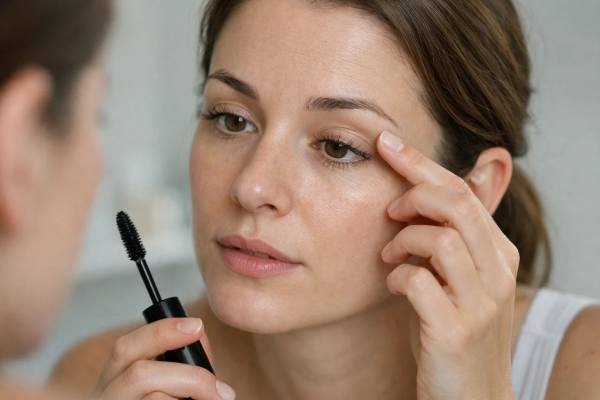
Eyelash loss can feel like a cosmetic problem, but it is often more than that. Eyelashes help protect the eye surface from dust, airflow, sweat, and small particles, so losing them can affect comfort as well as appearance. A few shed lashes here and there are normal. What raises concern is repeated thinning, visible gaps, breakage along the lash line, or lash loss that comes with itching, crusting, swelling, redness, or brow and scalp shedding.
The medical term for lash loss is madarosis, and the list of possible causes is broad. Common triggers include eyelid inflammation, allergy, thyroid disease, autoimmune hair loss, hair-pulling, harsh makeup removal, and long-term use of extensions or false lashes. Because lashes grow on a shorter cycle than scalp hair, they can thin quickly and regrow slowly enough to test anyone’s patience. Knowing what pattern you are seeing, what habits may be contributing, and when a doctor should take a closer look can make the difference between temporary shedding and prolonged damage.
Key Insights
- Most eyelash loss is reversible when the trigger is found early and removed.
- Blepharitis, allergy, thyroid shifts, alopecia areata, and hair-pulling are among the most common medical causes.
- Lash extensions, waterproof mascara, rough rubbing, and sleeping in eye makeup can thin lashes over time.
- Pain, crusting, lid swelling, light sensitivity, or vision changes mean the problem is no longer just cosmetic.
- A useful first reset is to pause extensions and false lashes, remove makeup gently, and replace liquid eye products every 3 months.
Table of Contents
- What Counts as Abnormal Shedding
- Medical Causes Behind Lash Loss
- Makeup and Beauty Habits That Matter
- How to Get Checked and What to Expect
- What Helps Regrowth and What Backfires
- When Lash Loss Needs Prompt Attention
What Counts as Abnormal Shedding
Not every fallen lash is a warning sign. Eyelashes cycle through growth, transition, rest, and shedding phases just like scalp hair does, only on a much shorter timeline. That means it is normal to notice an occasional lash on a cotton pad, pillowcase, or cheek. Many people never pay attention to this until they start using mascara or magnifying mirrors more often.
What is not normal is a pattern of loss. The biggest clues are repeated gaps along the upper or lower lash line, thinning that is obvious in photos, or lashes that seem shorter and stubbier than before. Some people describe “shedding,” but what they are really seeing is breakage. A lash that falls from the root is one thing. A lash that snaps halfway because it has been stiffened by waterproof mascara, clamped in a curler, or rubbed during removal points to mechanical damage instead.
The pattern matters. Sudden loss on one side may suggest local irritation, infection, trauma, or a lid problem. Gradual loss on both sides is more likely to reflect inflammation, a cosmetic habit, a medical condition, or a medication effect. If you are also losing eyebrow hair, noticing new scalp patches, or seeing more hair than usual in the shower drain, that widens the list of likely causes. If the skin at the lash margin looks smooth, shiny, scarred, or permanently altered, that is more concerning because it can signal scarring damage to the follicles.
Symptoms around the loss matter just as much as the amount. Itching, burning, crusts at the base of lashes, morning stickiness, recurrent styes, flaky lid margins, or red swollen eyelids often point toward blepharitis, allergy, or another inflammatory eyelid disorder. Soreness, light sensitivity, or blurred vision move the problem closer to the eye surface itself and deserve faster evaluation.
Time also helps sort the picture out. If a trigger is minor and the follicle is intact, recovery is usually measured in weeks to months, not overnight. That delay makes people panic and keep adding more products, more glue, and more friction, which often makes the cycle last longer. In practical terms, abnormal eyelash loss means any shedding or breakage that is persistent, visible, symptomatic, or paired with changes elsewhere on the face, scalp, or eyes.
Medical Causes Behind Lash Loss
The most common medical causes of eyelash loss are not rare diseases. They are everyday problems that affect the eyelid margin, the hair follicle, or the body systems that influence hair growth. Blepharitis sits high on that list. It causes inflammation at the lid edge and often brings itching, burning, crusting, collarettes at the lash base, watery eyes, or a gritty feeling. When inflammation becomes chronic, lashes can thin, grow in the wrong direction, or shed more easily. Demodex mites can also contribute, especially when there is stubborn itching and cylindrical debris at the base of the lashes.
Allergic and irritant reactions are another major category. Mascara, lash glue, eyeliner, removers, lash serums, preservatives, fragrance, and acrylic-based adhesives can inflame the eyelid skin and lash follicles. The eyelid is one of the thinnest areas of skin on the body, so it reacts fast and dramatically. The result may be redness, swelling, scaling, burning, and a temporary increase in lash shedding.
Autoimmune and systemic conditions matter too. Alopecia areata can affect eyelashes alone, but more often it appears with eyebrow or scalp loss. Thyroid disease is another classic cause, especially when lash loss comes with fatigue, weight change, dry skin, constipation, menstrual shifts, or eyebrow thinning. If those clues are present, it is worth knowing the broader pattern of thyroid-related hair loss signs rather than treating the lashes as an isolated cosmetic issue.
Nutritional deficiencies are possible, although they are often overestimated online. Low iron stores, low B12, zinc deficiency, inadequate protein intake, malabsorption, and very restrictive dieting can all interfere with hair growth, including the lashes. Usually, however, there are other clues: diffuse scalp shedding, brittle nails, fatigue, pale skin, or recent rapid weight loss. Medication-related loss should also be considered. Chemotherapy is the most obvious example, but some targeted therapies, endocrine medications, and other systemic drugs can affect brows and lashes too.
Then there are behavioral and local causes. Trichotillomania, a hair-pulling disorder, may affect lashes and brows, sometimes with hairs of uneven length or one-sided thinning. Repeated rubbing from allergies or dry eye can do similar damage even when there is no conscious pulling. Infections, though less common, can cause lash loss if there is follicular inflammation or more serious lid disease. The most important distinction is whether the cause is non-scarring, where regrowth is likely, or scarring, where follicles may be permanently damaged. That is why persistent lash loss deserves more respect than people usually give it.
Makeup and Beauty Habits That Matter
Many cases of eyelash loss start in the bathroom, not the lab. The problem is rarely one dramatic mistake. More often it is repeated low-grade trauma: tugging at waterproof mascara every night, curling stiff lashes after mascara has dried, sleeping in eye makeup, stacking strip lashes over tender lid skin, or using extensions continuously for months without a break.
Waterproof mascara is a common culprit because it encourages rough removal. The formula grips the lash shaft well, which is exactly why people like it, but that same staying power can make removal a friction event. If you rub cotton pads back and forth, pick off leftover product with your nails, or scrub at the inner corners, lashes can snap or loosen from the root. Mechanical stress from curlers adds to the problem. Using a curler on coated lashes can create a rigid bend point where breakage happens repeatedly.
False lashes and lash extensions bring a different set of risks. The added weight can create traction on natural lashes. Adhesives can trigger irritant or allergic reactions. Poor hygiene around extensions can trap debris close to the lash base and make lid inflammation harder to control. Some people develop swelling, itching, watering, discharge, or recurrent tenderness along the lid margin and still assume the issue is “just sensitivity.” In reality, ongoing exposure can keep the follicles inflamed for weeks.
Lash lifts and tints can also backfire. The chemicals used to reshape or color lashes sit close to the eye surface, so even small application errors matter. If the procedure is repeated too often, or if the products are too strong for the user’s skin and tear film, irritation and fragility may follow. The same goes for lash serums. Some are mainly conditioning products, while others rely on active ingredients that can irritate the lid margin or surrounding skin in susceptible users.
A good rule is to think in layers of risk. Heavy cosmetic wear, poor cleansing, expired products, shared tools, rough removal, and existing lid inflammation often combine. That is why learning the difference between allergy versus irritation clues can be useful when the eyelids flare after a new product. Allergy tends to worsen with repeat exposure, while irritation often reflects dose and friction.
Small habit changes can reduce risk quickly. Use an oil-based or dual-phase remover long enough to dissolve product before wiping. Press and hold rather than scrub. Replace mascara on schedule. Do not share eye cosmetics. And if lash loss has started, take a real break from extensions and strip lashes instead of switching brands and hoping the follicles will somehow catch up.
How to Get Checked and What to Expect
A proper check for eyelash loss is usually straightforward, but it works best when the timeline is clear. Before the visit, think about when the shedding started, whether it affects one eye or both, and what changed in the month or two before it began. Useful details include a new mascara, glue, lash lift, serum, skin care product, diet, illness, medication, major stressor, or period of frequent rubbing. Photos from a few months earlier can be surprisingly helpful because many people do not notice gradual thinning until it is advanced.
During the visit, the clinician will usually ask about more than lashes. Expect questions about eyebrow changes, scalp hair shedding, dry eye symptoms, lid crusting, eczema, rosacea, thyroid symptoms, nutritional risk, menstrual or hormonal shifts, and hair-pulling habits. If you wear extensions, say so. If you remove makeup roughly or sleep in mascara, say that too. These answers shape the workup more than most people realize.
The exam often focuses on the lash line and lid margin. A doctor may look for broken hairs, shortened regrowing hairs, collarettes, flakes, redness, skin thickening, pustules, misdirected lashes, or signs of scarring. If the eye itself is uncomfortable, the tear film and surface of the eye may be checked as well. That is one reason an eye care clinician can be especially helpful when lash loss comes with irritation, watering, pain, or blurred vision.
Testing is not automatic for everyone. If the cause looks obvious, such as recent glue allergy or clear mechanical breakage from cosmetics, the first step may simply be trigger removal and follow-up. But persistent, diffuse, or unexplained cases often justify targeted testing. That may include iron studies, ferritin, thyroid function, B12, or other labs based on symptoms and diet. If scalp shedding is part of the picture, a guide to common hair-loss blood tests can help you understand why those particular labs are often chosen.
Sometimes no blood test is needed because the key clue is on the lid itself. Demodex, chronic blepharitis, allergic dermatitis, or a scarring eyelid disorder can often be suspected from the exam. In rarer cases, especially when the lid margin looks scarred or distorted, referral to dermatology or ophthalmology becomes more important than broad lab screening. The main goal of the visit is not just to name the problem. It is to decide whether the follicle is inflamed, fragile, starved of support, mechanically damaged, or at risk of permanent loss.
What Helps Regrowth and What Backfires
The best treatment for eyelash loss is almost always cause-first. If inflammation, allergy, traction, or rubbing is driving the problem, regrowth begins by removing that pressure. In practical terms, that usually means stopping extensions, false lashes, and irritating eye products for a period long enough to let the follicles settle down. For many people, that means at least several weeks of a simplified routine rather than two makeup-free days followed by another round of glue.
Gentle eyelid care matters. That may include warm compresses if blepharitis is part of the picture, careful cleansing of the lid margin, and consistent removal of mascara without tugging. If the eyelids are red, flaky, or swollen, self-treating with random oils or over-the-counter steroid creams is risky because the eyelid skin is thin and the eye surface is nearby. Treatment near the eyes should be precise, not experimental.
When the underlying issue is medical, correction has to match the cause. Blepharitis improves with lid hygiene and condition-specific treatment. Allergic dermatitis improves with trigger avoidance and medical guidance. Thyroid, iron, or B12 problems do not resolve with better mascara technique. Alopecia areata, trichotillomania, and scarring conditions may require specialist care. In selected cases of true eyelash hypotrichosis, prescription bimatoprost may be considered under professional supervision, especially when the goal is to support fuller lash growth safely and the eye history has been reviewed.
What usually backfires is the search for a fast cosmetic fix. Castor oil can blur the issue because it may make lashes look shinier without addressing the cause, and it can irritate some eyes. DIY glue removers, essential oils, and internet recipes are especially risky around the eyelid margin. So is supplement stacking. Hair growth tablets are often marketed as harmless, but high doses are not automatically better and may be unnecessary if no deficiency exists. It is smart to know the broader landscape of supplement red flags before treating eyelash loss like a vitamin emergency.
Regrowth also requires realistic timing. If the follicle is still intact, improvement is gradual. Many people first notice less shedding, then short new lashes, then fuller density over a longer stretch. Trying a new serum, new extension style, or new lash lift during that recovery window can reset the problem. The most effective regrowth plan is usually boring: remove the trigger, calm the lid margin, treat any medical driver, and leave the follicles alone long enough to do their job.
When Lash Loss Needs Prompt Attention
Some eyelash loss can wait for a routine appointment. Some should not. The line between the two is mostly defined by the company the lash loss keeps. If lashes are falling out but the lids look calm and the story clearly points to recent cosmetic overuse, a short reset and nonurgent evaluation may be reasonable. If lash loss is paired with pain, thick crusting, pus, a swollen eyelid, light sensitivity, recurrent styes, or any change in vision, it moves into eye-health territory and should be checked sooner.
Asymmetry is another warning sign. Sudden or progressive loss on one side, especially with skin change, a persistent bump, notching of the lid margin, or missing lashes over the same small area, needs a closer look. The same is true if the eyelid skin appears shiny, scarred, or pale, because that can suggest scarring processes that threaten permanent follicle damage. Children and teens with lash loss deserve careful evaluation too, particularly when the pattern suggests pulling, anxiety-related habits, or inflammatory eyelid disease.
Look beyond the lashes themselves. New eyebrow thinning, scalp patches, body hair loss, weight change, marked fatigue, severe dry skin, brittle nails, or unexplained diffuse shedding widen the picture and raise the chance of an underlying systemic cause. That is also where the threshold for specialist review should drop. If you are unsure whether the pattern warrants escalation, the broader warning signs for signs it is time for specialist care can help frame the decision.
The right clinician depends on the symptoms. An ophthalmologist or optometrist is especially useful when there is pain, significant irritation, recurrent lid inflammation, or visual symptoms. A dermatologist may be the better first stop when the concern includes alopecia areata, scarring disease, eczema, seborrheic dermatitis, or unexplained eyebrow and scalp changes. A primary care clinician can help connect the dots when thyroid symptoms, nutritional risk, medication changes, or systemic illness are part of the story.
The reassuring part is that many cases are treatable and non-scarring. The part people should not ignore is duration. If the loss has been going on for weeks, keeps returning, or is getting more obvious despite changing products, that is enough reason to stop guessing. Eyelashes are small, but the conditions that affect them are not always small at all.
References
- Eyebrow and Eyelash Alopecia: A Clinical Review 2022 (Clinical Review)
- Impact and Management of Loss of Eyebrows and Eyelashes 2023 (Review)
- Demodex Blepharitis: A Comprehensive Review of the Disease, Current Management, and Emerging Therapies 2023 (Review)
- The effects of eyelash extensions on the ocular surface 2024 (Prospective Study)
- From tugs to treatments: a systematic review on pharmacological interventions for trichotillomania 2024 (Systematic Review)
Disclaimer
This article is for educational purposes and is not a diagnosis or a substitute for medical care. Eyelid skin and the eye surface are delicate, and treatment choices that seem minor on the scalp or face may be unsafe near the eyes. Seek prompt medical attention for eyelash loss with pain, light sensitivity, swelling, discharge, a persistent eyelid lump, or any vision change.
If this article was helpful, please share it on Facebook, X, or your preferred platform so others can recognize the difference between normal lash shedding and a problem worth checking.