False cardamom, Alpinia mutica, is an aromatic member of the ginger family that is valued more in regional traditional practice and botanical circles than in mainstream herbal medicine. Despite the name, it is not true cardamom. Its leaves, rhizome, and fruits carry a warm, spicy fragrance, and the plant has been used in parts of Southeast Asia for digestive complaints, aromatic food use, and inflammation-related discomfort. What makes it interesting today is not a large body of clinical research, but a growing chemical profile that includes volatile oils, flavonoids, chalcones, and other bioactive compounds with antioxidant, antimicrobial, enzyme-inhibitory, and cell-based cytotoxic activity.
That combination creates curiosity, but it also calls for restraint. False cardamom may have useful traditional and culinary value, yet the strongest evidence still comes from lab studies rather than human trials. A practical guide, then, should explain both sides: what the herb appears to contain, what it may realistically help with, how it is typically used, why dosage remains conservative, and where safety matters more than enthusiasm.
Quick Overview
- False cardamom may support digestion and provide mild aromatic, antimicrobial, and antioxidant effects, but direct human evidence is still limited.
- Its better-known constituents include camphor, camphene, beta-pinene, beta-sesquiphellandrene, pinostrobin, and flavokawin B.
- No standardized medicinal dose exists; a cautious traditional-style range is about 1 to 2 g dried rhizome or 2 to 5 g fresh rhizome daily.
- Concentrated extracts and essential oils are not interchangeable with food use and may carry greater side effect risk.
- Pregnant or breastfeeding people, children, and anyone using blood thinners or cancer medicines should avoid self-prescribing concentrated forms.
Table of Contents
- What is false cardamom
- Key ingredients and active compounds
- Does false cardamom have benefits
- How false cardamom is used
- How much false cardamom per day
- Side effects interactions and who should avoid it
- What the research actually shows
What is false cardamom
False cardamom is a tropical perennial herb in the Zingiberaceae family, the same broad plant family that includes ginger, galangal, turmeric, and other aromatic rhizomes. Botanically, Alpinia mutica is better understood as a ginger relative than as a direct substitute for true cardamom. That distinction matters because many readers assume the word “cardamom” means the familiar spice from Elettaria cardamomum. In practice, false cardamom has a different phytochemical pattern, a different evidence base, and a more limited history of formal medicinal use.
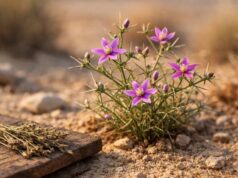
The plant is known for its long, lance-like leaves, attractive flowers, and orange-red fruits. When bruised, the foliage releases a spicy scent often described as warm, resinous, and lightly citrusy. That aroma gives a clue to its chemistry: the plant contains a mix of volatile compounds commonly found in fragrant ginger-family herbs.
Traditionally, the most relevant medicinal use appears to be simple and local rather than highly standardized. In Peninsular Malaysia, the rhizome has been used as an infusion for digestive discomfort, while the fruit has been associated with reducing inflammation. In food settings, the leaves may be used for fragrance, wrapping, or flavoring in ways similar to other aromatic tropical herbs. It is best thought of as a regional medicinal food plant rather than a globally established supplement.
A helpful way to place false cardamom is to compare it with better-known relatives such as galangal. Like galangal, it belongs to the Alpinia genus and combines culinary aroma with potential therapeutic value. Unlike galangal, however, false cardamom has far less human research and much less standardization in commercial products.
For readers trying to decide whether it is “worth using,” the most honest answer starts here: false cardamom is an interesting traditional herb with a promising chemical profile, but it remains under-studied. That means its safest role is still modest. It fits best as an aromatic culinary herb, a traditional-style digestive infusion, or a subject of cautious experimental interest rather than as a front-line medicinal supplement.
In other words, false cardamom is real, useful, and botanically distinct, but it is not yet a fully evidence-based herbal mainstay. Understanding that prevents two common mistakes: dismissing it because it is unfamiliar, or exaggerating it because early lab findings sound impressive.
Key ingredients and active compounds
The most important reason false cardamom attracts scientific attention is its compound profile. Researchers have identified both volatile and non-volatile constituents in different parts of the plant, and those compounds help explain why the herb smells distinctive and why it shows biological activity in laboratory assays.
The volatile fraction, especially in fruit and essential oil samples, includes compounds such as camphor, camphene, beta-pinene, and trans,trans-farnesol. These are the kinds of molecules that shape aroma, but they are not just fragrance markers. In other aromatic herbs, similar terpenes are often linked with antimicrobial, stimulating, carminative, or mild anti-inflammatory effects. That does not automatically prove clinical benefit in people, but it makes the traditional digestive use more plausible.
Leaf oil has also shown a different profile, with beta-sesquiphellandrene standing out as a notable component in some analyses. This matters because different plant parts can behave differently. A fruit oil, leaf oil, and rhizome extract should not be assumed to have the same strength or the same therapeutic target.
The non-volatile side is just as interesting. Rhizome studies have identified compounds such as 5,6-dehydrokawain, flavokawin B, pinostrobin, pinocembrin, and beta-sitosterol. Leaf work has also reported substances including auranamide and certain phenolic constituents. More recent metabolomic analysis of leaf extracts found broader patterns involving compounds such as catechin, isorhamnetin, apigenin, demethoxycurcumin, curcuzederone, curcumanggoside, ascorbic acid, and phenylalanine, with some of these correlating with antioxidant activity and enzyme inhibition.
A practical way to understand these ingredients is to group them by likely function:
- Volatile terpenes such as camphor and beta-pinene contribute aroma and may support antimicrobial or decongestant-like actions in lab models.
- Flavonoids and related phenolics such as pinostrobin, pinocembrin, catechin, and isorhamnetin are often studied for antioxidant and inflammation-modulating effects.
- Chalcones and kavalactone-like constituents such as flavokawin B and 5,6-dehydrokawain are especially interesting in cell studies because they may affect signaling pathways involved in growth, stress response, and microbial defense.
- Sterols and minor metabolites may add supporting bioactivity rather than serving as the main driver.
Readers familiar with ginger will recognize the broader pattern: a ginger-family herb often owes its reputation to a combination of fragrant oils and phenolic compounds rather than a single “magic” ingredient. False cardamom fits that model, but with its own chemical fingerprint.
The key point is that false cardamom is chemically rich enough to justify scientific interest. Still, the presence of active compounds is not the same as proven clinical effect. Chemistry tells us the plant has potential. Human research is what would tell us how much of that potential matters in everyday use.
Does false cardamom have benefits
False cardamom may offer benefits, but the realistic ones are narrower than many herb summaries suggest. The best approach is to separate traditional plausibility and early laboratory findings from confirmed human outcomes.
The most credible traditional use is digestive support. Because the rhizome is aromatic and warming, it makes sense as a simple infusion for bloating, heaviness after meals, and mild stomach discomfort. Herbs in this category often work less like a drug and more like a digestive nudge: they stimulate saliva, digestive secretions, and appetite while giving a soothing spicy aroma. For occasional use, that is a reasonable expectation.
There is also early support for antioxidant and antimicrobial potential. Extracts and essential oils from Alpinia mutica have shown activity in laboratory testing against certain microbes and in assays that measure free-radical scavenging or related antioxidant behavior. That does not mean a cup of false cardamom tea will act like an antibiotic, but it does suggest the plant contains compounds with defensive biological activity.
A third area of interest is inflammation and metabolic support. Traditional accounts connect the fruit with reducing inflammation, and newer lab work has explored enzyme inhibition relevant to carbohydrate and fat metabolism, including alpha-glucosidase and lipase. This creates a possible rationale for future research into post-meal glucose handling or weight-related applications. Still, these are early signals, not clinical recommendations.
The most easily misunderstood area is anticancer potential. Some isolated compounds and crude extracts from false cardamom have shown strong cytotoxic effects in cell lines. That finding is scientifically valuable, but it should be translated carefully. “Cytotoxic in a lab” does not mean “safe or effective cancer treatment in humans.” Many substances can damage cells in a dish without becoming useful medicines. So this is an area of research interest, not a reason for self-treatment.
A grounded summary looks like this:
- Most plausible everyday benefit: digestive comfort and aromatic food use.
- Potential but unproven benefit: mild support for inflammation, microbial balance, or oxidative stress.
- Research-only area: cancer-related cell studies and specialized extract use.
- Not established: proven treatment for diabetes, obesity, infection, or inflammatory disease.
This caution matters because lesser-known herbs are often marketed faster than they are studied. Compared with better-characterized ginger-family botanicals such as zedoary, false cardamom is still at an earlier stage of evidence development.
So, does false cardamom have benefits? Probably yes, especially as a traditional aromatic digestive herb. But the benefits are best framed as modest, supportive, and still under investigation. That keeps the herb useful without turning it into hype.
How false cardamom is used
False cardamom is used most sensibly in forms that stay close to traditional practice: aromatic food use, simple infusion, or mild decoction. Once it moves into concentrated extracts or essential oil products, the evidence becomes thinner and the safety margin less clear.
The rhizome is the most obvious medicinal part. It can be sliced fresh, lightly crushed, and steeped in hot water for a warming infusion. This is the form most aligned with traditional digestive use. The goal is not to extract everything aggressively, but to capture aroma and mild pungency. That makes it a practical option for a heavy stomach after meals or for people who prefer a food-based herbal approach.
The leaves are more aromatic than strongly medicinal in everyday use. In some culinary traditions, fragrant ginger-family leaves are used to wrap foods, scent rice, or add a subtle herbal note to broths and steamed dishes. False cardamom fits that pattern well. The leaf is especially useful when the reader wants gentle exposure rather than a stronger rhizome preparation.
The fruits are less commonly used by general readers, but they matter in traditional descriptions and in essential-oil analysis. Because the fruit oils have shown a distinct terpene profile, they are scientifically interesting. Still, fruit-based medicinal self-use is harder to standardize unless the plant source is known and clearly identified.
The most practical ways to use false cardamom are:
- As a meal-time aromatic herb
Add a few fresh rhizome slices to soups, broths, or rice dishes. - As a simple digestive infusion
Steep fresh or dried rhizome in hot water after meals. - As a culinary fragrance leaf
Use clean leaves to line or wrap food, or to perfume steaming liquid. - As a traditional-style short-term herb
Use it for brief periods when digestion feels sluggish, not as a daily high-dose supplement.
What is less advisable? Essential oil for internal use, home-made concentrated tinctures of uncertain strength, or imported powders without reliable botanical identification. These forms create more room for dosing error and contamination.
That is one reason false cardamom should not be treated like a standardized supplement category in the way many people think about curcuma products. Curcuma has a broad supplement market, measured extracts, and a larger evidence base. False cardamom does not.
The more practical message is this: use false cardamom the way many under-studied aromatic herbs are best used — gently, traditionally, and in forms that resemble food. That approach respects both its value and its limits.
How much false cardamom per day
There is no standardized human clinical dose for false cardamom. That is the most important sentence in this section. Because the herb lacks controlled dosing studies in people, any dosage guidance should be conservative and tied to traditional-style, food-like use rather than concentrated medicinal use.
A cautious framework looks like this:
- Fresh rhizome: about 2 to 5 g per day, usually divided across one or two preparations.
- Dried rhizome: about 1 to 2 g per day.
- Simple infusion: steep the equivalent of 1 to 2 g dried rhizome, or 2 to 5 g fresh rhizome, in 150 to 250 mL hot water.
- Frequency: once daily is the safest starting point; if well tolerated, some people may use it twice daily for short periods.
This is not a proven therapeutic dose. It is a practical, low-intensity range that keeps use close to culinary and traditional infusion practice.
Timing also matters. False cardamom is best taken:
- after meals for digestive heaviness,
- with food if the stomach is sensitive,
- and for short stretches rather than indefinitely.
For example, someone using it for temporary bloating might try a post-meal infusion for three to seven days. A person exploring it as a culinary herb could use small food amounts more casually. Ongoing daily medicinal use for weeks or months is harder to justify because there is no strong safety data for long-term supplementation.
What should be avoided in self-care?
- Essential oil dosing by mouth
- Concentrated extracts without a clear standardization
- High-dose use copied from unrelated Alpinia or ginger products
- Mixing multiple strong aromatic herbs at once without knowing tolerance
Dose is not only about weight in grams. It also depends on variables such as plant part, freshness, extraction method, body size, age, concurrent medicines, liver function, gallbladder status, and overall sensitivity to pungent herbs.
A sensible rule is to start lower than you think you need. If 2 g fresh rhizome as tea seems helpful, there is little reason to jump quickly to stronger preparations. When data are limited, conservative dosing is not timid; it is good herbal practice.
If symptoms are frequent enough that you feel tempted to escalate dose or use the herb daily for long periods, that usually signals a better next step: identify the underlying problem rather than pushing an under-studied herb harder.
Side effects interactions and who should avoid it
False cardamom appears relatively low-risk when used in modest food-like amounts, but that should not be mistaken for full safety certainty. The plant has meaningful biological activity, and the absence of strong human harm data is not the same as proof of safety.
The most likely side effects from simple use are similar to those seen with other aromatic rhizome herbs:
- stomach warmth or burning,
- nausea if taken too strong or on an empty stomach,
- loose stools in sensitive users,
- mouth or throat irritation from concentrated preparations,
- and skin irritation if essential oil or fresh juice is used topically without dilution.
Concentrated forms carry more uncertainty. Essential oils are especially important here. A volatile oil that smells pleasant can still irritate mucous membranes, aggravate reflux, or cause sensitization. Internal essential oil use should not be treated casually.
Interaction risk is harder to define because direct human data are limited, so the safest language is precautionary rather than absolute. People should be especially careful if they use:
- blood thinners or antiplatelet drugs, because many aromatic herbs with flavonoid content are approached cautiously around bleeding risk;
- diabetes medicines, because early enzyme-inhibitory findings raise the possibility of added glucose-lowering effects in concentrated forms;
- cancer medicines, because cell-based cytotoxic activity does not predict useful synergy and could complicate treatment decisions;
- multiple herbal extracts at once, especially formulas aimed at inflammation, metabolism, or antimicrobial effects.
Certain groups should avoid medicinal self-use altogether unless a qualified clinician approves it:
- pregnant people,
- breastfeeding people,
- children,
- people with active gastritis, ulcer symptoms, or severe reflux,
- people with significant liver disease,
- people with gallbladder or bile-flow problems,
- and anyone scheduled for surgery in the near term.
A practical safety distinction helps: culinary exposure is not the same as medicinal dosing. A leaf used to perfume rice or a few slices of rhizome in broth is one thing. A capsule, extract, or essential oil intended for daily therapeutic effect is another.
The herb should also be stopped if it causes persistent nausea, abdominal pain, rash, dizziness, palpitations, or worsening digestive symptoms. Those reactions do not necessarily mean the herb is dangerous in general, but they do mean it is not the right fit for that person or that preparation.
In short, false cardamom is safest when treated as a modest traditional herb, not a high-potency supplement. The less evidence a plant has in humans, the more important it becomes to respect small doses, short duration, and clear stop points.
What the research actually shows
The research on false cardamom is promising in chemistry and early bioactivity, but thin in clinical usefulness. That is the fairest summary.
What is relatively well established is the plant’s chemical complexity. Multiple papers have described essential-oil constituents, phenolic compounds, flavonoids, and other metabolites from leaves, fruits, and rhizomes. That part of the evidence is solid enough to say false cardamom is not an inert plant. It contains molecules that can plausibly affect microbial growth, oxidative processes, enzymes, and cellular signaling.
What comes next is mostly preclinical evidence. Extracts and isolated compounds have shown:
- antimicrobial effects against selected organisms,
- antioxidant activity in laboratory assays,
- inhibition of enzymes relevant to carbohydrate and fat metabolism,
- and cytotoxic effects in cancer cell models.
Those findings are useful because they help map the plant’s pharmacological potential. They also explain why the herb keeps appearing in phytochemistry and natural products research. But preclinical results should not be translated too aggressively into consumer health claims.
The weak point in the evidence chain is human testing. At present, false cardamom itself does not have a meaningful body of clinical trials showing clear benefit for digestion, inflammation, weight management, infection, or chronic disease. That means there is still no reliable answer to questions like:
- How effective is it in real patients?
- What dose works best?
- How long can it be used safely?
- Which preparation is superior?
- Which adverse effects appear in routine use?
Until those answers exist, the strongest claims remain off limits.
A good evidence-based interpretation is this:
- Traditional use: meaningful and worth noting.
- Phytochemistry: increasingly well described.
- Lab bioactivity: interesting and sometimes strong.
- Human evidence: still insufficient.
- Clinical recommendation strength: low to cautious.
That does not make false cardamom unimportant. Many valuable herbs begin exactly this way: clear traditional use, strong chemistry, intriguing preclinical results, and only later a better-defined clinical role. False cardamom may eventually earn a place as a niche digestive or metabolic support herb. It may also prove more useful as a source of isolated compounds than as a stand-alone household remedy.
For now, the most responsible conclusion is simple. False cardamom is best viewed as an aromatic traditional herb with real phytochemical interest and limited direct medical proof. It deserves attention, but not exaggeration. If you use it, use it in the cautious zone where tradition, culinary practice, and safety overlap.
References
- Phytochemical diversity of Alpinia mutica Roxb. leaves extracts and their bioactivity correlations elucidated by nmr-based metabolomics 2024
- Phytochemical and pharmacological properties of the genus Alpinia from 2016 to 2023 2024 (Review)
- Antimicrobial Potential of Natural Compounds of Zingiberaceae Plants and their Synthetic Analogues: A Scoping Review of In vitro and In silico Approaches 2024 (Scoping Review)
- Essential oil composition and antimicrobial activities of two closely related species, Alpinia mutica Roxb. and Alpinia latilabris Ridl., from Peninsular Malaysia 2014
- Phytochemical and cytotoxic investigations of Alpinia mutica rhizomes 2011
Disclaimer
This article is for educational purposes only and does not replace medical advice, diagnosis, or treatment. False cardamom is an under-studied herb with limited human research, so medicinal use should be conservative and individualized. Do not use concentrated extracts or essential oils to self-treat chronic disease, infection, cancer, or metabolic problems. Seek professional guidance before use if you are pregnant, breastfeeding, taking prescription medicines, preparing for surgery, or managing a liver, gallbladder, bleeding, or digestive condition.
If this article was useful, please consider sharing it on Facebook, X, or your preferred platform.