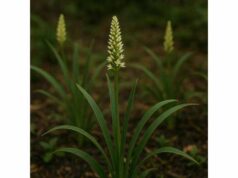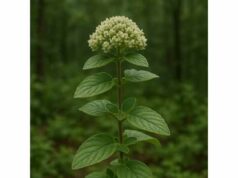
Zedoary, also known as Curcuma zedoaria or white turmeric, is an aromatic rhizome in the ginger family with a long history in Ayurveda, Unani medicine, and Southeast Asian herbal practice. It is often described as warming, bitter, and slightly camphor-like, with a profile that overlaps with turmeric and ginger yet remains distinct. Traditionally, zedoary has been used for digestive discomfort, sluggish appetite, menstrual complaints, and liver-related concerns, and modern research has focused on its volatile oils, sesquiterpenes, and antioxidant compounds.
What makes zedoary interesting is not a single headline claim, but a layered medicinal personality. It appears to act as a digestive stimulant, a modest anti-inflammatory herb, and a source of bioactive compounds with antimicrobial and hepatoprotective potential. At the same time, the evidence is uneven. Much of the literature is still preclinical, and human trials remain limited. Used thoughtfully, zedoary can be a practical traditional herb. Used carelessly, it is easy to ask more of it than the research can support.
Core Points
- Zedoary may help with dyspepsia, bloating, and poor appetite, especially when digestion feels heavy or stagnant.
- Its most researched modern potential is liver and metabolic support, but human evidence is still limited.
- A cautious human-studied capsule amount is 500 mg twice daily for up to 60 days.
- Avoid medicinal use during pregnancy, breastfeeding, and with blood thinners, diabetes medicines, or before surgery unless a clinician approves.
Table of Contents
- What Zedoary Is and How It Has Been Used
- Zedoary Compounds and Medicinal Properties
- Potential Benefits for Digestion and Liver Support
- What Research Says About Inflammation Microbes and Cell Studies
- How to Use Zedoary in Tea Powder and Extract Form
- Dosage Timing and Daily Use
- Zedoary Safety Side Effects and Interactions
What Zedoary Is and How It Has Been Used
Zedoary is the underground rhizome of Curcuma zedoaria, a tropical plant in the Zingiberaceae family. That family also includes turmeric, galangal, and ginger in the same botanical family, which helps explain why these plants share a warm, aromatic, resinous quality. Zedoary, however, is more bitter and camphor-like than common culinary turmeric, and it is usually approached as a medicinal rhizome rather than an everyday spice.
The plant is native to South and Southeast Asia and has been used for centuries in traditional systems of medicine. In Ayurvedic and Unani practice, zedoary has been valued as a stomachic, carminative, and aromatic bitter. Those older labels still describe it well. A stomachic herb is meant to support appetite and digestion. A carminative helps with bloating, gas, and abdominal discomfort. An aromatic bitter stimulates digestive awareness through taste and volatile oils. Zedoary appears to sit at the intersection of all three.
Traditional use has been broad, but there is a recognizable pattern. Zedoary has commonly been used for:
- Dyspepsia and post-meal heaviness
- Poor appetite or sluggish digestion
- Flatulence and abdominal discomfort
- Nausea and unsettled stomach
- Menstrual discomfort in some traditional systems
- Liver and bile-related complaints
- General “stagnation” in digestive or circulatory language
That list can sound diffuse, but many traditional herbs work this way. The same plant may be used for several complaints because it changes digestion, motility, circulation, or inflammatory tone in overlapping ways.
Zedoary has also been described as white turmeric, which creates confusion. It is not the same as Curcuma longa, the bright yellow culinary turmeric used in curries and curcumin supplements. Their chemistry overlaps, but zedoary tends to be richer in volatile oil compounds and sesquiterpenes, and it has a more pungent, medicinal profile. That difference matters because people often assume all Curcuma species are interchangeable. They are not.
The most realistic way to understand zedoary is as a traditional digestive and aromatic medicinal rhizome with possible broader effects on inflammation and liver function. It has a long record of use, but the strongest modern evidence still falls short of what people may expect from supplement marketing. That makes context important. Zedoary is best treated as a focused herbal tool, not as a cure-all.
Zedoary Compounds and Medicinal Properties
Zedoary’s medicinal profile begins with its chemistry. The rhizome contains essential oils, sesquiterpenes, phenolics, flavonoids, and smaller amounts of curcuminoid-related compounds. Recent profiling work shows that its volatile fraction is especially important, with constituents such as curzerenone, curzerene, germacrone, germacrene-B, curdione, 1,8-cineole, and related aromatic compounds appearing repeatedly in the literature. These compounds help explain the plant’s strong scent, bitter taste, and much of its pharmacological interest.
A useful way to think about zedoary is to separate its chemistry into two broad groups. The first is the volatile oil fraction. This is the part most closely tied to aroma, bitterness, digestive stimulation, antimicrobial activity, and some anti-inflammatory effects. The second is the nonvolatile fraction, which includes phenolic and antioxidant compounds that may contribute to tissue protection, inflammatory modulation, and liver-related actions.
From that chemistry, several medicinal properties are commonly discussed:
- Digestive stimulant action: Zedoary’s bitterness and aromatic oils may help stimulate appetite and digestive secretions.
- Carminative effects: Traditional use for gas and abdominal heaviness suggests it may help reduce digestive stagnation and discomfort.
- Anti-inflammatory potential: Animal and laboratory studies support activity against inflammatory pathways, though not yet at the level of strong clinical proof.
- Antioxidant activity: Extracts have shown free-radical scavenging capacity in laboratory testing.
- Antimicrobial activity: Some rhizome extracts demonstrate antibacterial and antifungal effects in vitro.
- Hepatoprotective potential: Several preclinical studies and one recent clinical study suggest interest in liver support, especially in metabolic settings.
The word “potential” matters here. Chemistry can tell us what a plant might do, but it does not automatically tell us how well it works in humans. Zedoary is a good example of that distinction. The herb is chemically rich and pharmacologically plausible, yet much of the published work remains in cell cultures, animal models, or extract-based testing rather than routine clinical use.
It is also important not to flatten zedoary into “curcumin lite.” Unlike standardized turmeric extracts, zedoary’s identity depends heavily on sesquiterpenes and volatile oils. In real-life herbal use, that means it may feel more like an aromatic bitter digestive than like a high-curcumin anti-inflammatory supplement.
That difference helps explain why people often experience zedoary through taste and sensation as much as through long-term supplementation. It is pungent, warming, and distinctly medicinal. The herb’s chemistry is not only something measured in a lab. It is something felt in the mouth, stomach, and digestion, which is often where traditional use begins.
Potential Benefits for Digestion and Liver Support
If zedoary has a practical center of gravity, it is digestion. Traditional use consistently places the herb in the category of aromatic bitters and stomachics, which means it is most relevant when digestion feels slow, heavy, gassy, or underactive. People with dyspepsia often describe this as fullness after meals, upper abdominal discomfort, burping, or a vague sense that food is “just sitting there.” Zedoary’s bitter, pungent profile makes it a plausible fit for exactly that pattern.
This does not mean it is a remedy for every digestive complaint. It is not a laxative, and it is not the first choice for sharply cramping, bowel-dominant symptoms. It is more suited to sluggish appetite, post-meal heaviness, bloating, and flatulence, particularly when the problem feels cold, damp, or stagnant in traditional language.
One modern reason zedoary has attracted attention is liver support. A 2025 randomized, single-blind controlled trial in people with non-alcoholic fatty liver disease used zedoary powder capsules at 500 mg twice daily for 60 days. The study found improvement in several subjective symptoms such as dyspepsia, anorexia, malaise, and right-sided discomfort, and both groups in the study showed improved fatty liver grades. That is encouraging, but it should be interpreted carefully. It is one trial, not a settled body of evidence, and it does not prove that zedoary is a stand-alone treatment for fatty liver disease.
The most balanced conclusion is that zedoary may offer digestive value in two overlapping ways:
- It may improve symptom patterns such as poor appetite, bloating, and heavy digestion.
- It may have broader liver-related activity worth further study, especially in metabolic liver conditions.
These two uses are not separate. In traditional practice, liver and digestion are often linked, especially when appetite, nausea, heaviness, and upper abdominal discomfort appear together.
Still, people should keep expectations measured. If the goal is robust, better-studied liver support, there is stronger everyday recognition around milk thistle for liver support. Zedoary may complement that conversation, but it does not yet have the same depth of human evidence.
For digestion, the herb may be most helpful when taken before or around meals in modest amounts. For liver-related use, it makes more sense as a clinician-guided adjunct than a self-prescribed long-term therapy. In both cases, the best approach is to match the herb to the symptom pattern rather than to chase broad promises. Zedoary shines most when the complaint is specific and the expectations are realistic.
What Research Says About Inflammation Microbes and Cell Studies
Beyond digestion and liver support, zedoary is frequently described as anti-inflammatory, antioxidant, antimicrobial, and even anticancer. These claims are not invented, but they need careful sorting because the evidence behind them is not all equally strong.
The anti-inflammatory case is probably the most plausible after digestion. Reviews of Curcuma zedoaria report activity in animal and laboratory models involving inflammatory swelling, pain responses, and signaling pathways linked to oxidative stress. That helps explain why the herb appears in traditional systems for painful, swollen, or stagnant conditions. It also explains why some people compare it with dedicated inflammation-focused herbs such as boswellia in anti-inflammatory routines. The difference is that boswellia is much more clearly positioned as an inflammation herb, while zedoary still carries a broader digestive and aromatic identity.
Antioxidant activity is also well supported at the laboratory level. Recent work on rhizome extracts found measurable free-radical scavenging effects and a chemically rich profile that included phenolics, flavonoids, coumarins, triterpenoids, and related constituents. This matters because oxidative stress is one plausible link between inflammation, metabolic strain, and tissue injury. Still, antioxidant action in a test system does not automatically tell us how much benefit a person will notice from a tea or capsule.
The antimicrobial evidence is promising but limited to preclinical settings. Some zedoary extracts show antibacterial activity against selected organisms in vitro. That is enough to make traditional use for infected-looking digestive or inflammatory complaints seem more understandable. It is not enough to recommend zedoary as a replacement for antibiotics or antifungals.
The most overstated area is cancer. Zedoary has been studied in cell lines and animal models for antiproliferative, cytotoxic, and immunomodulatory effects. Some isolated compounds and fractions appear biologically active. That is scientifically interesting, but it does not justify treating zedoary as an evidence-based cancer therapy. Readers should be especially wary of any product language that jumps from cell culture data to human treatment claims.
A useful evidence hierarchy for zedoary looks like this:
- Most grounded: traditional digestive use
- Promising but still limited: liver, inflammatory, and metabolic support
- Interesting but preliminary: antimicrobial and antiproliferative findings
- Not established for self-treatment: serious infection, cancer, or complex inflammatory disease
That hierarchy keeps the herb in proportion. Zedoary has real pharmacology and worthwhile research momentum, but much of its wider reputation still rests on early-stage evidence. That is not a reason to dismiss it. It is a reason to use it with precision and honesty.
How to Use Zedoary in Tea Powder and Extract Form
Zedoary can be used in several forms, and the best choice depends on the goal. The most common are dried powder, capsules, decoctions or teas, tinctures, and standardized extracts. Essential oil also exists, but it is a more specialized preparation and should not be treated as interchangeable with the whole rhizome.
For traditional digestive use, powder and tea are the most approachable. Powdered rhizome can be mixed into warm water, honey, or an herbal formula, though many people find the taste intensely bitter and resinous. Tea or decoction is another option, especially when the goal is to awaken appetite or ease post-meal heaviness. The flavor can be sharp and medicinal, which is part of why zedoary has often been used as a functional herb rather than a casual beverage.
Capsules are often the easiest choice for modern users because they offer consistency and avoid the strong taste. This is also the form used in the recent NAFLD study. Capsules make it easier to repeat a defined dose and notice whether the herb genuinely helps digestion, appetite, or upper abdominal comfort over a short period.
Standardized extracts are more concentrated and should be approached with more care. They may make sense when a clinician or experienced herbal practitioner wants a more targeted preparation, but they are not automatically “better” than simple powder. Concentration increases both potency and the risk of irritation or interaction.
Essential oil deserves a separate warning. Zedoary essential oil is chemically dense and should not be self-prescribed internally. Topical use, when it is chosen at all, should be well diluted and limited, since aromatic oils can irritate skin or mucous membranes.
A practical matching guide looks like this:
- Tea or decoction: best for traditional digestive use and mild short-term support
- Powder or capsules: best when consistency and easier dosing matter
- Standardized extracts: best for supervised or more targeted use
- Essential oil: best left to practitioner-guided use, not casual internal dosing
In symptom terms, zedoary is often a better fit for heavy, sluggish digestion than for sharp spasm. When crampy, bowel-sensitive symptoms dominate, some people do better with peppermint for post-meal digestive discomfort, while zedoary is more aligned with bitterness, appetite loss, and aromatic digestive stimulation.
However it is used, the main principle is moderation. Zedoary works best as a defined herb with a clear purpose. It is not the kind of rhizome that improves simply because more of it is added to the routine.
Dosage Timing and Daily Use
Zedoary does not have a universally accepted modern dose, and that is important to say plainly. Unlike some widely standardized supplements, it is still used in several different traditions and preparations, which means dosing varies by form, extract strength, and intended purpose.
The clearest human dosing point comes from the recent randomized controlled trial in non-alcoholic fatty liver disease. In that study, participants took 500 mg of zedoary powder in capsule form twice daily for 60 days. That does not establish an official standard for everyone, but it does provide a useful research-based reference for short-term use.
Outside clinical research, traditional dosing is less uniform. Powdered rhizome, decoctions, and mixed formulas are all used, often in much less standardized ways. Because of that variability, the safest general rule is to treat zedoary like a stronger medicinal rhizome, not like a generous culinary spice. Start low, stay consistent, and assess tolerance before increasing anything.
A practical modern approach can be organized like this:
- Choose one form only at first.
- Follow the product label unless a clinician has given a different plan.
- If using capsules, keep the total close to the best human-studied range rather than escalating quickly.
- If using tea or powder, use modest short-term amounts and avoid combining several zedoary products at once.
- Reassess after 2 to 8 weeks instead of assuming indefinite use is necessary.
Timing also matters. For digestive heaviness or poor appetite, zedoary may make the most sense shortly before meals or with meals. For people with sensitive stomachs, taking it after food may reduce the chance of nausea or irritation. For liver-support style use, it is more reasonable to think in terms of daily consistency over weeks than immediate symptom relief.
A few practical mistakes are common:
- Taking it at high dose because it is “natural”
- Combining powder, capsules, and extract together
- Using it for months without a clear reason
- Treating it as equivalent to turmeric or curcumin
- Continuing even when it worsens heartburn or stomach upset
Zedoary also belongs in the category of herbs that are better used intentionally than continuously. Some people benefit most from short courses during periods of poor digestion or during a clinician-guided trial for a specific complaint. It is not an herb that needs to become a permanent daily ritual to be useful.
In other words, zedoary dosing is less about chasing a maximal number and more about matching form, timing, and duration to the problem you are actually trying to solve.
Zedoary Safety Side Effects and Interactions
Zedoary is often described as safe in traditional use, but that statement needs limits. Safety depends on the form, the dose, the product quality, and the person using it. Whole-rhizome preparations in modest amounts are not the same as concentrated extracts or essential oils.
The most likely side effects are digestive. Because zedoary is bitter, aromatic, and pharmacologically active, it can cause:
- Stomach irritation
- Nausea
- Heartburn or reflux aggravation
- Loose stools or abdominal discomfort
- Mouth or throat irritation from strong preparations
These effects are more likely with concentrated products, empty-stomach use, or larger doses.
Pregnancy is a clear area for caution. Traditional literature has linked zedoary with uterine and menstrual effects, and modern human safety data in pregnancy are lacking. For that reason, medicinal use during pregnancy is best avoided. The same cautious approach makes sense during breastfeeding, since there is not enough reliable evidence to say concentrated use is safe.
Medication interactions also deserve attention. Preclinical work suggests zedoary may have antiplatelet, antihyperglycemic, hypotensive, and liver-related activity. That means caution is reasonable with:
- Blood thinners and antiplatelet drugs
- Diabetes medicines
- Antihypertensive medicines
- Medicines with narrow safety margins
- Multi-herb formulas that already affect bleeding or blood sugar
People scheduled for surgery should also avoid medicinal-style use in the period beforehand unless their clinician says otherwise, since herbs with possible antiplatelet activity are often paused before procedures.
Another safety issue is product identity. White turmeric products are sometimes confused with turmeric, other Curcuma species, or mixed spice powders. Since zedoary’s chemistry is not identical to culinary turmeric, accurate labeling matters. Choose products that clearly identify Curcuma zedoaria and the part used.
Finally, the herb’s limits are part of safety. Zedoary is not a substitute for evaluation of persistent abdominal pain, jaundice, unexplained weight loss, vomiting, blood in the stool, or known liver disease. It is also not an evidence-based treatment for cancer, serious infection, or advanced metabolic disease.
The safest stance is straightforward: use zedoary in modest, clearly defined amounts, avoid it in pregnancy and other high-risk settings, and treat it as a real medicinal plant rather than a harmless spice. That approach respects both its traditional value and the current limits of the evidence.
References
- Curcuma zedoaria Rosc. (white turmeric): a review of its chemical, pharmacological and ethnomedicinal properties – PubMed 2009 (Review)
- Curcuma zedoaria Rosc (Zingiberaceae): a review on its chemical, pharmacological and biological activities | Future Journal of Pharmaceutical Sciences | Springer Nature Link 2021 (Review)
- Antioxidant and antibacterial activities of the rhizome extract of Curcuma zedoaria extracted using some organic solvents – PMC 2023 (Experimental Study)
- “Evaluation of Curcuma zedoaria Rosc. in the management of non-alcoholic fatty liver Disease: A Randomized, single blind, controlled trial” – PubMed 2025 (Randomized Controlled Trial)
- Volatile profiling of forty-two white turmeric (Curcuma zedoaria Rosc.) accessions revealed its drug yielding potential with quality constituents – PubMed 2025 (Chemistry Study)
Disclaimer
This article is for educational purposes only and is not medical advice. Zedoary may cause side effects and may interact with medicines, especially those related to bleeding, blood sugar, and blood pressure. Do not use it to self-treat liver disease, severe digestive symptoms, cancer, or any ongoing medical condition without guidance from a qualified healthcare professional. Seek prompt medical care for jaundice, persistent vomiting, severe abdominal pain, black stools, unexplained weight loss, or worsening symptoms.
If you found this article useful, please share it on Facebook, X, or any other platform you prefer.