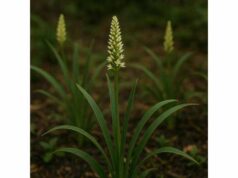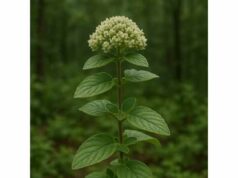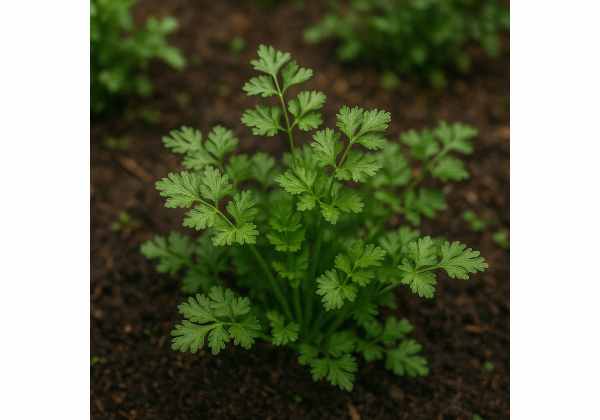
Zhoug is a vivid, spicy condiment built around fresh coriander and chili peppers, usually blended with garlic, warming spices, salt, and a little oil. It is most closely associated with Yemeni and broader Middle Eastern cooking, where it brings brightness, heat, and depth to soups, grains, eggs, vegetables, and grilled foods. Although it is often treated like a single “herb” in casual wellness writing, zhoug is really a compound food, and its potential benefits come from the chemistry of its ingredients rather than from one standardized medicinal plant.
That distinction makes the condiment more interesting, not less. Coriander contributes fragrant polyphenols and volatile oils, while Capsicum annuum adds capsaicinoids and colorful antioxidant compounds. Garlic, cumin, and cardamom often add their own supporting effects. In practical terms, zhoug may help make whole foods more satisfying, offer mild digestive and antimicrobial support, and increase the intake of protective plant compounds. Its real strength is food-based use, not high-dose therapeutic claims.
Core Points
- Zhoug can raise the antioxidant and flavor density of simple meals without requiring large portions.
- Its most realistic benefits are culinary satisfaction, digestive support, and food-based phytonutrient intake.
- A practical serving is about 5 to 15 g, roughly 1 to 3 teaspoons, depending on heat and salt level.
- People with chili sensitivity, reflux, active ulcers, or allergy to coriander or related plants should use caution.
Table of Contents
- What zhoug is and why it is not just one herb
- Zhoug key ingredients and medicinal properties
- Which benefits are most realistic
- How to use zhoug in food and daily routines
- Dosage, serving size, and frequency
- Safety, side effects, and who should avoid it
- What the research actually supports
What zhoug is and why it is not just one herb
Zhoug is best understood as a fresh green chili-coriander condiment rather than as a single medicinal herb. That may sound like a small distinction, but it changes how the entire subject should be approached. When people search for the “health benefits of zhoug,” they are often really asking about the combined effects of fresh coriander, chili peppers, garlic, spices, and oil in a concentrated but food-sized form. That is different from asking about a standardized extract or a single botanical.
A classic green zhoug usually includes fresh coriander leaves and stems, green chili peppers, garlic, cumin, cardamom, salt, and oil. Some versions add parsley, lemon juice, or coriander seed. Red versions swap in red chilies and sometimes tomatoes or paprika-like ingredients. The result is a condiment that is intense in flavor, small in serving size, and highly variable from one kitchen to the next.
That variability matters. One zhoug may be herb-forward and bright, while another may be extremely hot, salty, or oily. A homemade batch can be almost entirely fresh herbs and chilies, while a jarred version may contain more sodium, more oil, and less freshness. For that reason, it is difficult to assign zhoug a single, universal nutritional or medicinal profile.
Still, the condiment has several qualities that make it worth paying attention to. It is dense in aromatic compounds, usually low in sugar, and often used to make otherwise simple foods more appealing. A spoonful can transform beans, grilled vegetables, soup, yogurt, or eggs. That matters because one of the quietest health benefits of condiments is their ability to improve adherence to healthy eating. When vegetables, legumes, and whole grains taste better, people tend to eat them more often.
Zhoug also sits at an interesting point between herb sauce and spice paste. It has some things in common with pesto, salsa verde, and other fresh condiments, yet its chili heat and coriander base give it a very different sensory profile. If you compare its savory backbone to olive oil based Mediterranean condiments, you can see why it works so well as a bridge between flavor and function: fat helps carry aromatic compounds, herbs add polyphenols, and spices deepen the overall effect.
The practical lesson is simple. Zhoug is not a drug, not a supplement, and not one plant with a single active ingredient. It is a layered culinary preparation whose benefits depend on ingredient quality, recipe balance, and serving size. That makes it less predictable than a supplement, but also more realistic and more useful in everyday life.
Zhoug key ingredients and medicinal properties
The health profile of zhoug comes mainly from two botanicals named in the title: Coriandrum sativum and Capsicum annuum. Coriander, often used in its leafy cilantro form here, provides fragrant oils, polyphenols, and a fresh green character. Chili peppers contribute capsaicinoids, carotenoids, phenolic compounds, and the heat that defines the sauce. Around them sit supporting ingredients such as garlic, cumin, cardamom, salt, lemon juice, and oil, each adding a little more chemistry and a little more complexity.
Coriander’s best-known aromatic molecules include linalool and related terpenes. These help explain its fresh, citrusy, slightly floral profile and are part of why coriander is studied for antioxidant, antimicrobial, and digestive-support effects. The leaves and stems also contribute polyphenols and small amounts of vitamins and minerals, though in zhoug they are used more for flavor density than for bulk nutrition.
Chili peppers bring a different kind of activity. Their signature molecules are capsaicinoids, especially capsaicin and dihydrocapsaicin. These compounds create the familiar burning sensation by interacting with sensory receptors, but they also help explain why chili is so often discussed in relation to circulation, metabolism, pain signaling, appetite, and inflammation. Chili peppers also contribute pigments and antioxidant compounds that make the finished condiment more than just “hot.”
Together, coriander and chili create a combination that is both stimulating and aromatic. One brightens. The other activates. One leans green and cooling in flavor. The other leans hot and penetrating. That sensory contrast is one reason zhoug feels so vivid on the palate.
The supporting ingredients deserve mention too. Garlic is common in most versions and adds sulfur compounds that contribute both pungency and traditional antimicrobial interest. If you want a broader look at that ingredient, garlic’s medicinal profile gives helpful context. Cumin and cardamom add warming essential oils, while oil improves texture and helps volatile compounds spread more evenly across food.
From a medicinal-properties standpoint, zhoug is most plausibly associated with:
- antioxidant activity from polyphenols, carotenoids, and related compounds
- antimicrobial potential, especially in laboratory settings
- appetite and digestive stimulation through bitter, aromatic, and pungent pathways
- possible anti-inflammatory effects suggested mainly by ingredient research
- sensory enhancement that may improve meal satisfaction and dietary variety
The last point may sound less “medical,” but it matters. Many useful food-based strategies work not because they are pharmacologically dramatic, but because they make better eating easier to maintain.
A key caution is that the medicinal properties of zhoug are not the same as those of isolated coriander extract or purified capsaicin. Research on single compounds often uses doses or delivery methods far removed from a spoonful of sauce. The condiment still has value, but its strengths are gentler and more dietary in nature. That is why the most honest way to describe its medicinal profile is supportive rather than curative.
Which benefits are most realistic
The most realistic benefits of zhoug are the ones that match the way people actually use it: in modest amounts, on real food, as part of meals. This is not a case where it makes sense to promise broad treatment effects. Zhoug is better understood as a functional condiment with several credible advantages.
The first is improved diet quality through flavor. This may be the least glamorous benefit, but it is often the most practical. A spoonful of zhoug can make plain lentils, roasted vegetables, grilled fish, eggs, or yogurt far more appealing. That matters because healthy eating patterns become easier to sustain when food tastes alive. A condiment that helps someone eat more legumes and vegetables over months is doing something genuinely useful.
The second likely benefit is increased intake of plant bioactives. Coriander and chili both contain compounds with antioxidant and signaling effects. In food-sized doses, these compounds are not likely to behave like medicines, but they do contribute to the overall phytochemical richness of the diet. This is similar to the way many herb-rich sauces quietly enhance the value of meals without needing to be taken as supplements.
The third plausible benefit is digestive stimulation. Pungent and aromatic foods often increase salivation, awaken appetite, and change the way a meal feels in the stomach. Some people find that a little zhoug helps heavy foods feel less dull or greasy. Others notice improved satisfaction from smaller portions because the intensity of the condiment makes the meal feel more complete. That does not mean zhoug treats gastrointestinal disease, but it fits well with mild culinary digestive support.
A fourth likely area is antimicrobial potential, though this needs careful wording. Coriander and chili have both shown antimicrobial activity in laboratory settings, and garlic may strengthen that picture in mixed sauces. In practical life, this is more relevant to food science and ingredient behavior than to treating infection at home. Eating zhoug is not a substitute for antibiotics or medical care.
Some people also look to chili-heavy condiments for metabolic support. That interest comes mainly from capsaicin research, which suggests effects on thermogenesis, appetite, pain signaling, and metabolic regulation. But the evidence is uneven, and food use is not the same as taking a purified capsaicinoid preparation. It is fair to say that zhoug may fit well into a metabolically supportive eating pattern, not that it independently produces major changes.
Because it is often served with beans, eggs, grains, and vegetables, zhoug also works well in broader food-first strategies. In that sense, it functions a bit like cumin-rich spice blends used for digestive and metabolic support: the effect is cumulative, meal-based, and tied to the foods it helps you enjoy.
The strongest, most defensible benefits of zhoug are therefore these:
- it makes nutrient-dense foods easier to enjoy
- it contributes antioxidant and aromatic plant compounds
- it may support appetite, digestion, and meal satisfaction
- it brings ingredient-level antimicrobial and anti-inflammatory promise
That is already a meaningful list. It just needs to be kept in proportion.
How to use zhoug in food and daily routines
Zhoug works best when used deliberately and in small amounts. Because it is bold, a little can travel far. The most effective way to use it is not to bury food under it, but to let it sharpen the dish and lift its aroma.
The classic uses are easy to understand. Zhoug is excellent with eggs, grilled fish, roasted vegetables, lentils, chickpeas, soups, yogurt, rice, and flatbreads. It can be stirred into broth, spooned over grain bowls, or swirled into labneh. It is especially helpful for foods that are otherwise mild or repetitive, because it adds freshness, heat, and depth all at once.
A few practical patterns work especially well:
- As a finishing condiment
- Spoon a small amount over cooked vegetables, beans, or proteins just before serving.
- This preserves more of the fresh herb aroma than cooking it deeply into the dish.
- As a stir-in sauce
- Mix a little into yogurt, tahini, or olive oil for a milder spread or dressing.
- This helps control heat while keeping the flavor vivid.
- As a marinade booster
- Use a modest amount in marinades for chicken, fish, tofu, or vegetables.
- Because fresh herbs can darken and garlic can intensify, it is best not to treat it like a neutral oil.
- As a soup and grain enhancer
- Add it to lentil soup, rice, quinoa, or couscous after cooking.
- This is often more effective than adding large amounts during cooking.
- As a breakfast condiment
- Pair with eggs, cottage cheese, yogurt, or beans.
- It can make a simple breakfast feel much more satisfying.
Homemade zhoug usually tastes brighter than shelf-stable versions. That is because fresh coriander and fresh chilies lose some of their liveliness over time, even under refrigeration. A homemade batch also lets you control salt, heat, and oil level. For many people, that is where the health value becomes more convincing. You can build a condiment that is mostly herbs and fresh peppers rather than mostly sodium and oil.
One useful trick is to blend zhoug in a way that matches your tolerance. If you prefer gentler heat, remove some chili seeds or use milder peppers. If raw garlic bothers your stomach, reduce it or mellow the sauce by stirring it into yogurt. If you want the sauce to cling better to vegetables and grains, a little extra oil helps, though it also raises calories.
It also pairs naturally with other spice traditions. For example, the warm background notes of coriander, cumin, and cardamom echo the kinds of flavors found in cumin-based culinary blends, even though zhoug remains much fresher and greener in character.
The bigger point is that zhoug is not something you need to “take.” It is something you integrate. Its most valuable routine is simple: use a spoonful to make good food more compelling, then repeat that pattern often enough that it changes what you reach for at the table.
Dosage, serving size, and frequency
Because zhoug is a condiment rather than a standardized supplement, dosage is best discussed as serving size. That serving size depends on heat level, salt content, oil content, and the overall recipe. A mild herb-heavy zhoug may be comfortable at tablespoon scale, while a very hot batch may be potent at less than a teaspoon.
For most adults, a practical range is about 5 to 15 g per serving, which usually works out to roughly 1 to 3 teaspoons. Heat-sensitive people may prefer to start with 2 to 5 g, especially if the sauce is fresh and chili-dense. If the zhoug is diluted into yogurt or dressing, slightly larger amounts may feel comfortable.
A useful way to think about dosage is by purpose:
- For flavor enhancement
- 1 teaspoon is often enough for eggs, soup, beans, or roasted vegetables.
- This is the best starting point for most people.
- For stronger condiment use
- 2 to 3 teaspoons can work well with grain bowls, grilled meats, or yogurt-based dishes.
- This level is more realistic for people who already tolerate chili comfortably.
- For mixed sauces
- 1 tablespoon of zhoug blended into yogurt, tahini, or oil can season a larger portion of food without making the meal overwhelmingly hot.
Frequency is flexible. Using zhoug several times a week is usually more sensible than using a large amount all at once. With food-based condiments, consistency tends to matter more than intensity. Small, repeatable doses are easier on digestion and more representative of how traditional cuisines actually use these sauces.
Timing also matters a little. Zhoug tends to work best with meals rather than on an empty stomach, especially for people who are sensitive to chili heat or raw garlic. Taking a large amount before food can lead to burning, nausea, or stomach discomfort. Paired with a meal, the same sauce often feels much more balanced.
One important caveat is recipe variation. A low-oil homemade zhoug made mostly from coriander and chili is not the same as a store-bought version with added salt, more oil, preservatives, or thickening agents. If you are using packaged products regularly, check sodium levels and serving size. Condiments are easy to underestimate because they are eaten in small spoons but repeated often.
People interested in a broader condiment strategy sometimes compare zhoug with olive oil based sauces used for heart-friendly meals. That comparison is helpful because it highlights the main principle: the sauce should support the meal, not overwhelm it nutritionally.
In practice, the ideal dose is the smallest amount that clearly improves the meal without causing mouth burn, stomach upset, or unnecessary sodium intake. For most people, that sweet spot is lower than they think.
Safety, side effects, and who should avoid it
Zhoug is generally safe in culinary amounts, but that statement needs context. It is a fresh, spicy, often raw condiment. Its risks are not usually dramatic, but they are real enough to matter, especially when the sauce is hot, salty, or used in large amounts.
The most common side effects come from chili heat and raw aromatics. These include:
- burning in the mouth
- stomach irritation or nausea
- heartburn or reflux
- loose stools in sensitive people
- irritation of hemorrhoids or anal burning after eating very spicy food
People who tolerate chili well may not notice much beyond pleasant heat. Others can react strongly to even small amounts, especially if the sauce is very fresh and concentrated. Raw garlic can add another layer of digestive irritation, and acidic additions such as lemon can make the mix harsher for people with gastritis or reflux.
Allergy is another consideration. Coriander belongs to the Apiaceae family, which includes parsley, celery, fennel, and carrot. Someone with known allergy to these plants should be cautious. Chili allergy is less common, but sensitivity to peppers does occur. If a batch includes extra ingredients such as nuts or seeds, the safety picture changes further.
Certain groups should be especially careful:
- people with active reflux, gastritis, peptic ulcer symptoms, or inflammatory bowel flares
- those with severe mouth sensitivity or recent dental irritation
- anyone with known allergy to coriander, celery-family plants, chili peppers, or garlic
- people taking anticoagulants who use very large amounts of garlic-heavy preparations
- individuals with very sodium-conscious diets if using store-bought zhoug
Food safety matters too. Because many versions are made from fresh herbs, fresh peppers, garlic, and oil, zhoug should be refrigerated promptly and used within a reasonable time. It should not sit at room temperature for long periods. A fresh green sauce can spoil or lose quality faster than dry spice blends. Clean preparation, clean storage containers, and cold storage are not optional details.
Concentrated extracts are a separate matter. This article is about the condiment, not purified coriander extract or capsaicin products. The safety profile of a spoonful of sauce is not the same as that of a supplement or essential oil. People sometimes blur that line and assume food use makes concentrated forms automatically safe. It does not.
One more practical caution involves cumulative intensity. Zhoug is often served alongside other pungent foods, coffee, citrus, or alcohol. In sensitive people, that stack can be more irritating than the condiment alone.
The safest way to use zhoug is straightforward: keep portions moderate, eat it with food, store it properly, and pay attention to your own tolerance instead of copying someone else’s serving size. A condiment that energizes one person’s meal can easily become another person’s digestive trigger.
What the research actually supports
Research on zhoug itself is limited, which is exactly what you would expect for a variable traditional condiment. What the literature does support more clearly is the biology of its major ingredients, especially coriander and chili. That means the evidence base is ingredient-driven rather than sauce-driven.
For coriander, the support is strongest in the areas of phytochemistry, antioxidant properties, antimicrobial potential, and traditional digestive use. Reviews also point to possible metabolic and anti-inflammatory relevance, though much of that evidence comes from extracts, essential oils, or preclinical work rather than from ordinary food portions. In plain terms, coriander is a credible functional herb, but the strongest claims still outrun the best human evidence.
For chili peppers and capsaicin, the evidence is broader. Capsaicin is well studied for pain signaling, sensory activation, and a range of metabolic, inflammatory, and pharmacological effects. Yet here too, the route matters. Topical capsaicin, purified preparations, and research-dose interventions are not the same as culinary use. A person eating zhoug is getting a food-based dose in a mixed matrix, not a standardized clinical exposure.
That difference is important because whole foods behave differently from isolated compounds. In zhoug, chili heat is buffered by herbs, oil, and the meal it is eaten with. Coriander is consumed fresh rather than extracted. Garlic, cumin, and cardamom can contribute synergy, but they also make it harder to attribute a result to one single component.
The best-supported conclusions are modest:
- herb and spice rich foods can improve the phytochemical density of the diet
- coriander and chili both contain compounds with meaningful biological activity
- culinary doses may contribute to long-term diet quality and cardiometabolic support
- antimicrobial and antioxidant effects are especially strong in laboratory and food-science contexts
- large clinical claims for the finished condiment are not yet well established
That last point is worth keeping clear. There is not strong evidence that zhoug, as a named sauce, treats obesity, diabetes, infection, or inflammatory disease. But there is good reason to think it can belong in a health-supportive eating pattern. It adds intensity without sugar, usually in small portions, and can make beans, grains, vegetables, and yogurt-based meals much more appealing.
This is often how real food works. Its effects are not always dramatic in a trial-sized headline, but they matter through repetition. Zhoug is a useful example of a condiment whose value comes from both chemistry and behavior. Its ingredients are biologically interesting, and its flavor may help people keep returning to better meals. That is a realistic and worthwhile form of benefit, even if it is quieter than marketing language often suggests.
References
- Coriander (Coriandrum sativum) Polyphenols and Their Nutraceutical Value against Obesity and Metabolic Syndrome 2023 (Review)
- Essential Oil from Coriandrum sativum: A review on Its Phytochemistry and Biological Activity 2023 (Review)
- Capsaicin: Emerging Pharmacological and Therapeutic Insights 2024 (Review)
- The Genus Capsicum: A Review of Bioactive Properties of Its Polyphenolic and Capsaicinoid Composition 2023 (Review)
- A Scoping Review of the Clinical Evidence for the Health Benefits of Culinary Doses of Herbs and Spices for the Prevention and Treatment of Metabolic Syndrome 2023 (Scoping Review)
Disclaimer
This article is for educational purposes only and does not replace medical advice, diagnosis, or treatment. Zhoug is a condiment, not a standardized medicine, and its effects vary with ingredients, heat level, salt, and serving size. Normal food use is very different from the use of concentrated coriander extracts, essential oils, or capsaicin products. Seek medical guidance if spicy foods trigger significant reflux, abdominal pain, allergy symptoms, or other persistent reactions, or if you are considering concentrated preparations alongside prescription medicines.
If you found this article useful, please share it on Facebook, X, or any platform where thoughtful food and health writing is welcome.