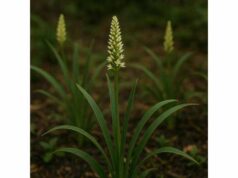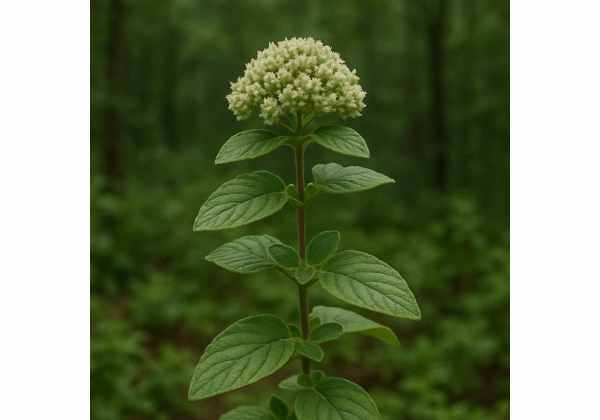
Za’atar, in its strict botanical sense, refers to Origanum syriacum, an aromatic herb in the mint family that is also known as Syrian oregano or Bible hyssop. In daily life, however, the word often refers to the familiar Middle Eastern seasoning blend made with the herb plus ingredients such as sumac and sesame. That distinction matters, because the health profile of the pure herb is not identical to the health profile of the finished blend.
At its best, za’atar offers more than flavor. The herb contains fragrant essential-oil compounds such as carvacrol, thymol, and terpinenes, along with polyphenols and other antioxidant molecules that help explain its long culinary and traditional medicinal use. People value it for digestive comfort, antimicrobial potential, and food-preserving properties, while modern research mainly supports antioxidant and antimicrobial activity, with promising but still limited evidence for broader therapeutic uses.
The most useful way to approach za’atar is as a functional culinary herb first and a medicinal plant second. It can enrich meals, support a Mediterranean-style pattern of eating, and offer gentle traditional benefits when used with realistic expectations.
Quick Overview
- Za’atar provides flavorful antioxidant compounds and can help make meals more satisfying without relying on heavy sauces.
- The herb shows credible antimicrobial and digestive-support potential, especially in traditional and food-based use.
- A practical food range is about 2 to 5 g daily, roughly 1 to 2 teaspoons of dried herb or blend.
- People with allergy to oregano-family herbs, sesame allergy, or sensitivity to concentrated essential oils should use extra caution.
Table of Contents
- What za’atar is and what counts as real za’atar
- Za’atar key ingredients and medicinal properties
- Za’atar benefits that make the most sense
- How to use za’atar in food and home remedies
- Dosage, preparation, and timing
- Safety, side effects, and who should avoid it
- What research shows and where the gaps remain
What za’atar is and what counts as real za’atar
Za’atar can be confusing because the word points to both a plant and a prepared seasoning. Botanically, this article is about Origanum syriacum, a perennial aromatic herb in the Lamiaceae family. It grows across parts of the eastern Mediterranean and western Asia and is valued for its warm, pungent, slightly bitter, and deeply savory character. In markets and kitchens, though, “za’atar” often means the seasoning blend built around the herb rather than the herb alone.
That blend can vary from one household or producer to another, but it usually includes dried za’atar herb with sumac, sesame, and sometimes salt or other herbs. This matters for anyone interested in health effects. A spoonful of pure Origanum syriacum delivers a different balance of essential oils and polyphenols than a spoonful of mixed za’atar, which also brings the acidity of sumac, the fats and minerals of sesame, and sometimes added sodium.
The plant itself is closely related to other oregano-like herbs, but it should not be treated as identical to them. Readers who compare it with common oregano and its uses will notice overlap in aroma and chemistry, yet Syrian oregano has its own culinary identity and traditional role. It is often greener, broader, and more herbaceous in flavor than the sharper, pizza-associated oregano many people know from European and American cooking.
Traditionally, za’atar has been eaten fresh, dried, infused, or mixed with oil. It is used on flatbreads, in dips, with vegetables, and as a breakfast staple in parts of the Levant. It has also been used in folk practice for digestive complaints, colds, and general strengthening. Modern interest in the herb now extends beyond flavor into food preservation, antioxidant capacity, and essential-oil applications.
Another useful distinction is between the whole herb and its essential oil. The whole dried plant is a food. The essential oil is a concentrated extract with a much stronger pharmacological profile and a much greater chance of irritation. Most traditional and culinary use revolves around the herb itself, not the oil.
Understanding that simple hierarchy helps avoid common mistakes. Za’atar is first a cultural food herb, then a functional aromatic plant, and only in limited contexts a concentrated botanical extract. That perspective keeps the article grounded in how people actually use it and in what the research can reasonably support.
Za’atar key ingredients and medicinal properties
The appeal of Origanum syriacum starts with its chemistry. Like many aromatic herbs in the mint family, it carries a mix of volatile oils and non-volatile polyphenols that shape both its flavor and its biological activity. The exact profile changes with climate, altitude, harvest stage, drying, and extraction method, which is one reason two samples of za’atar can smell and taste noticeably different.
Among the best-known active compounds are carvacrol and thymol, two phenolic monoterpenes often linked with antimicrobial action. These compounds contribute much of the herb’s warm, penetrating aroma and help explain why oregano-type herbs have long been explored for food preservation and microbial control. Depending on the chemotype, za’atar may also contain notable amounts of gamma-terpinene, p-cymene, alpha-pinene, borneol, and other aromatic molecules that influence scent, flavor, and activity.
The herb also contains flavonoids, phenolic acids, and other antioxidant constituents. While the essential oil gets much of the attention, the whole plant matters too. Dried leaves and flowering tops provide polyphenols that support the idea of za’atar as a food with functional value rather than just a seasoning. That broader matrix is important because whole-herb use often delivers gentler, steadier effects than concentrated oils.
Its medicinal properties are best understood in four broad categories:
- antioxidant potential from phenolic compounds and related plant chemicals
- antimicrobial and antifungal activity associated especially with carvacrol and thymol
- digestive support through bitter-aromatic stimulation and traditional culinary use
- anti-inflammatory potential suggested by laboratory and preclinical research
There is strong family resemblance here to other thyme-like herbs. Anyone who has looked at thyme’s aromatic compounds and actions will recognize a similar pattern: pungent essential oils, culinary versatility, and a research profile that is stronger in antimicrobial and antioxidant models than in large human trials.
Still, chemistry is not destiny. A herb may contain impressive compounds and yet produce only modest effects when used in realistic human amounts. That is why it is better to think of za’atar’s medicinal properties as plausible and useful rather than dramatic. The plant’s profile supports food-based health value, gentle traditional remedies, and specialized applications in extract form, but it does not justify treating the herb as a replacement for antibiotics, prescription digestive care, or chronic disease treatment.
One more practical point deserves emphasis: the finished za’atar blend is chemically broader than the herb alone. Sumac adds tannins and organic acids. Sesame contributes lipids, lignans, and minerals. This means the blend can offer a different nutritional and sensory experience than pure Origanum syriacum. When discussing “key ingredients,” it is always worth asking whether the subject is the plant or the familiar mixed seasoning on the table.
Za’atar benefits that make the most sense
The most believable benefits of za’atar are the ones that match both its chemistry and its traditional role as a regularly eaten herb. In other words, its strongest case is not as a miracle cure but as a flavorful botanical that may support health in steady, practical ways.
The first benefit is its antioxidant contribution. Aromatic herbs often deliver a high concentration of plant compounds relative to their weight, and za’atar is no exception. Even though people eat it in small amounts, repeated use in a balanced diet can help raise the overall intake of polyphenols and other protective compounds. This is part of why herb-rich traditional diets often punch above their weight nutritionally.
The second likely benefit is support for digestive comfort. Za’atar has long been used with bread, olive oil, legumes, and vegetables, and that pairing is not accidental. Aromatic bitter herbs can stimulate saliva, digestive secretions, and appetite. Many people find that za’atar-rich meals feel warming and settling rather than heavy. That does not mean it treats ulcers or irritable bowel syndrome, but it does fit well with mild, traditional digestive use.
A third plausible benefit lies in microbial control. Laboratory research consistently supports antimicrobial and antifungal activity from Origanum syriacum extracts and essential oil. In practical terms, this is probably most relevant in food preservation, oral-care research, and topical product development rather than in self-treating infections at home. It is helpful evidence, but it should not be stretched into the claim that eating za’atar cures bacterial illness.
Za’atar may also support better diet quality indirectly. Strong herbs make vegetables, legumes, yogurt, and whole grains more appealing. That is a real health benefit, even if it is not usually marketed as one. A sprinkle of za’atar can turn simple food into something memorable, which makes healthy eating easier to sustain. In that sense, it behaves like many other robust Mediterranean herbs, including Greek oregano in everyday cooking.
Benefits that deserve more caution include claims about blood sugar control, cancer prevention, neuroprotection, or major anti-inflammatory effects in humans. There is interesting early research in some of these areas, but the evidence is still mostly preclinical, meaning it comes from test systems, cell work, or animal models rather than robust human trials.
A balanced summary would look like this:
- strongest practical benefits: flavor, antioxidant contribution, culinary satisfaction, gentle digestive support
- well-supported in the lab: antimicrobial and antifungal activity
- promising but not established for self-treatment: anti-inflammatory, metabolic, neuroprotective, and anticancer applications
That middle position is the most useful one. Za’atar deserves respect as a health-supportive herb, but it works best when understood as part of a broader dietary pattern rather than as a stand-alone remedy expected to do too much.
How to use za’atar in food and home remedies
Za’atar is easiest to use well when you treat it as a daily herb rather than a rare “wellness ingredient.” Its flavor is bold but flexible, and that makes it one of the more practical herbs for regular health-supportive cooking. The classic route is to mix it with olive oil and spread it on flatbread, but that is only the beginning.
In savory cooking, za’atar works especially well with:
- olive oil and bread
- yogurt dips and labneh
- roasted vegetables
- chickpeas, lentils, and white beans
- eggs and soft cheeses
- grilled chicken or fish
- sliced tomatoes, cucumbers, and onions
When using a commercial za’atar blend, remember that the flavor depends heavily on the supporting ingredients. Sumac gives brightness and acidity, while sesame adds nuttiness and body. For readers interested in the tangy supporting spice, sumac’s culinary and antioxidant role helps explain why the classic blend tastes so balanced.
Pure dried Origanum syriacum can also be brewed as a mild herbal infusion, though it is sharper and more assertive than the soothing floral teas many people prefer. A tea made from the herb alone is usually taken for its warming aromatic quality rather than for elegance of flavor. It can also be blended with milder herbs, but the purpose should stay modest: comfort, aroma, and tradition rather than expectation of a powerful medicinal effect.
Fresh za’atar leaves are another overlooked option. They can be chopped into salads, folded into soft cheese, or added late to cooked dishes so their volatile oils stay vivid. Dried za’atar is more concentrated and generally better for seasoning mixtures, while the fresh herb offers a greener, livelier edge.
Home remedies using the essential oil require more caution. The oil is much stronger than the dried herb and should not be swallowed casually. Its best-known non-culinary uses are in highly diluted topical or aromatic contexts, usually in research or formulated products rather than improvised home use. For most people, the safest and most valuable route remains food.
Storage affects usefulness too. Keep dried za’atar in a sealed container away from light, heat, and moisture. When the herb smells flat or dusty, much of its aromatic value is already fading. Good za’atar should smell warm, pungent, and alive.
In practice, the best way to benefit from za’atar is simple: use it often, use it on real food, and let it enhance an already healthy eating pattern instead of trying to force it into a medicinal role it cannot reliably carry on its own.
Dosage, preparation, and timing
Za’atar does not have a standardized medicinal dose in the way a drug or a tightly studied supplement does. That is especially true for the whole herb, which is mainly used as food. The most practical way to discuss dosage is to separate culinary use from extract use.
For ordinary food use, a reasonable daily range for healthy adults is about 2 to 5 g of dried herb or blend, which is roughly 1 to 2 teaspoons depending on texture and composition. Some people use less and some use more, especially when za’atar is part of a shared meal, but this range fits comfortably with everyday seasoning.
A few useful patterns are:
- For meals
- 1 teaspoon over eggs, vegetables, yogurt, or hummus
- 1 to 2 teaspoons in olive oil as a dip or spread
- 1 teaspoon stirred into marinades or dressings
- For a simple infusion
- about 1 to 2 g dried herb in hot water
- steep for 5 to 10 minutes
- use occasionally rather than as a high-dose daily tonic
- For concentrated preparations
- no standard self-care dose is established
- essential-oil use is not equivalent to food use
- concentrated internal use should not be improvised
Timing is flexible. Za’atar fits especially well earlier in the day when eaten with bread, dairy, eggs, or legumes, but there is nothing inherently stimulating or sedating about normal food use. Many people enjoy it at breakfast or lunch because it pairs well with savory, olive oil-based meals. If taken as tea, it is often best after a meal rather than on a completely empty stomach, especially for those sensitive to bitter or pungent herbs.
The finished blend deserves separate consideration because it often contains sesame and sometimes salt. That means the practical dose of blended za’atar is also a dose of those ingredients. Anyone watching sodium intake or trying to manage calorie density should remember that olive oil plus sesame can add up quickly, even when the herb itself is light. Readers exploring the blend’s seed component may also find sesame’s nutrient profile and uses helpful for context.
Duration is mostly a matter of dietary habit. Using za’atar several times a week as part of a Mediterranean-style pattern makes more sense than taking large amounts for a short burst. With culinary herbs, consistency usually matters more than intensity.
The simplest rule is this: use normal food amounts first, notice how your body responds, and avoid treating concentrated extracts as though they were merely a stronger version of the same meal seasoning. They are not.
Safety, side effects, and who should avoid it
For most healthy adults, culinary amounts of za’atar are considered low risk. It has a long history of regular dietary use, and the whole herb is generally much gentler than its essential oil. Still, “food herb” does not mean “risk-free in every form.”
The most common issue is sensitivity. People who react to plants in the mint family may notice mouth irritation, digestive discomfort, or allergy-like symptoms. If the product is a za’atar blend rather than pure Origanum syriacum, sesame becomes another important concern because sesame allergy can be serious. Some commercial blends also include more salt than expected, which matters for people actively limiting sodium.
Possible side effects in susceptible people include:
- mouth or throat irritation from strong seasoning
- mild heartburn or stomach upset
- rash or irritation from topical essential-oil exposure
- allergy symptoms related to oregano-family herbs or sesame
- headache or nausea if concentrated essential oil is used improperly
Pregnant and breastfeeding individuals do not usually need to avoid normal food use, but concentrated extracts and essential oils deserve more caution because they are far more potent and less studied in these settings. The same principle applies to children: food use is one thing, essential-oil use is another.
People who should be especially careful include:
- anyone with known allergy to oregano, thyme, marjoram, or sesame
- people with severe reflux who notice pungent herbs worsen symptoms
- those preparing for surgery and using multiple herbal extracts
- individuals taking highly concentrated herb or essential-oil products alongside prescription medicines
- people tempted to self-treat infection with essential oil instead of seeking care
A practical safety point that often gets missed is that za’atar blend quality varies widely. A fresh, reputable blend is different from an old, dusty mixture with poor storage history. Rancid sesame, stale herb, and excess salt can undermine both flavor and tolerance. Good storage helps: keep the blend sealed, cool, and dry, and replace it when the aroma fades.
The strongest caution belongs to the essential oil. It is not a casual wellness ingredient for swallowing, and it should not be used full strength on skin or mucous membranes. Concentrated oregano-type oils are potent and can irritate tissues quickly.
In short, food use of za’atar is usually straightforward, but medicinal use becomes less simple as concentration rises. The safest approach is to enjoy the herb generously in meals, stay conservative with extracts, and treat the essential oil as a specialized product rather than a kitchen shortcut.
What research shows and where the gaps remain
Research on Origanum syriacum is substantial enough to be interesting but not strong enough to justify sweeping clinical claims. Most of the literature falls into a few categories: chemical profiling, antioxidant and antimicrobial testing, food science, extract studies, and preclinical pharmacology. Human trials remain limited.
What the evidence supports most clearly is composition. Za’atar is rich in volatile oils and phenolic compounds, and that chemistry helps explain its traditional appeal. There is also solid laboratory evidence that extracts and essential oils can inhibit various microbes under controlled conditions. This is especially relevant to food preservation, quality control, and product development. It also helps explain why oregano-type herbs attract so much interest in dentistry, cosmetics, packaging, and natural preservation systems.
There is also meaningful support for antioxidant activity and some anti-inflammatory potential. These findings are promising, but they are not the same as proof that eating za’atar directly prevents major chronic disease. Lab activity can be impressive while real-world human effects remain modest, especially when culinary doses are small and the whole diet matters far more than one herb.
Preclinical research has also explored anticancer, neuroprotective, metabolic, and digestive applications. These areas are scientifically interesting, but they should be interpreted carefully. Cell studies and animal models can identify mechanisms and generate leads, yet they rarely settle the question readers care about most: what happens in normal people using realistic amounts?
That is where the gaps remain. Human data are sparse, standardized dosing is weak, and preparations differ too much from one study to another. Researchers may use whole herb, aqueous extract, ethanolic extract, essential oil, or isolated compounds. Those are not interchangeable. A promising paper on an extract cannot automatically be translated into a claim about the breakfast blend on a piece of bread.
The most responsible conclusion is a layered one:
- za’atar is a culturally important, nutritionally useful herb with credible functional properties
- antimicrobial and antioxidant actions are well supported in laboratory settings
- broader medicinal uses remain promising but insufficiently proven in humans
- the whole herb is best viewed as a health-supportive food rather than a stand-alone treatment
That may sound cautious, but it is actually good news. Many of the most valuable herbs earn their place not by acting like drugs, but by making healthy eating more flavorful, more consistent, and more enjoyable over time. Za’atar fits that description beautifully. Its research base justifies continued interest, but its everyday value is already clear on the plate.
References
- Origanum syriacum L. (Za’atar), from Raw to Go: A Review 2021 (Review)
- Origanum syriacum Phytochemistry and Pharmacological Properties: A Comprehensive Review 2022 (Comprehensive Review)
- Phytochemical Profile, GC-MS Profiling and In Vitro Evaluation of Some Biological Applications of the Extracts of Origanum syriacum L. and Cousinia libanotica D.C. 2024
- Antibacterial and Antifungal Activities of Cimbopogon winterianus and Origanum syriacum Extracts and Essential Oils against Uropathogenic Bacteria and Foodborne Fungal Isolates 2024
- Rapid, cost-effective and organic solvent-free production of biologically active essential oil from Mediterranean wild Origanum syriacum 2019
Disclaimer
This article is for educational purposes only and is not medical advice. Za’atar used in food is generally different from concentrated extracts or essential oils in strength, effect, and risk. It should not be used as a substitute for medical care, especially for infection, persistent digestive symptoms, allergy concerns, or chronic inflammatory conditions. Seek professional guidance before using concentrated za’atar preparations during pregnancy, while breastfeeding, with known plant or sesame allergy, or alongside prescription medicines.
If this article was useful, please share it on Facebook, X, or another platform that helps more readers find it.