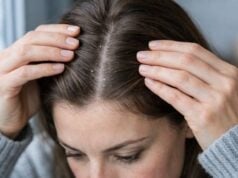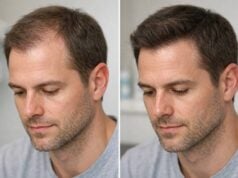
Folate does not usually get the same attention as iron, biotin, or vitamin D in hair conversations, yet it plays a fundamental role in how hair follicles function. This B vitamin helps the body make DNA, support cell division, and build new red blood cells. That matters because hair follicles are among the body’s most active structures. They rely on a steady supply of nutrients to keep matrix cells dividing and new hair fibers forming.
Still, folate is often misunderstood. Many people assume that low folate is a common cause of thinning hair or that a folic acid supplement is a simple fix for shedding. In practice, the picture is more nuanced. Folate deficiency can contribute to diffuse hair shedding, but it is not the most common nutritional cause, and extra supplementation does not reliably improve hair if levels are already adequate.
The useful question is not whether folate matters. It does. The better question is when low folate is likely enough to affect hair, how to spot the bigger deficiency pattern around it, and who should be more alert to risk.
Quick Facts
- Folate helps support DNA synthesis and cell turnover, which are essential for normal hair follicle activity.
- Low folate can contribute to diffuse shedding, especially when it occurs alongside anemia, poor intake, or malabsorption.
- Most people do better by improving folate-rich meals first rather than taking high-dose supplements without testing.
- Adults generally need about 400 mcg DFE daily, with higher needs during pregnancy.
- Folic acid supplements can mask vitamin B12 deficiency, so unexplained hair loss should not be self-treated blindly.
Table of Contents
- What folate does for hair
- Best food sources and intake targets
- Deficiency signs that matter
- Who is most at risk
- When supplements help and when they do not
- Testing and next steps
What folate does for hair
Folate, also called vitamin B9, is essential for one of the most basic jobs in the body: making and repairing genetic material. It also helps cells divide and mature properly. That may sound abstract until you think about how a hair follicle works. Hair is produced by rapidly dividing cells in the bulb of the follicle, especially during anagen, the active growth phase. Those cells need a dependable supply of nutrients that support DNA synthesis, amino acid metabolism, and healthy red blood cell production. Folate helps on all three fronts.
Hair follicles are metabolically busy. They do not just sit in the scalp waiting to grow. They cycle through active growth, transition, rest, and shedding. If you want the full framework, the hair growth cycle explains why disruptions in cell turnover or nutrient delivery can show up as thinner regrowth or increased shedding. Folate matters because it supports the kind of rapid cellular turnover that normal hair production depends on.
Its role is not limited to the follicle itself. Folate also helps produce healthy red blood cells, which carry oxygen to tissues, including the scalp. When folate runs low enough to contribute to megaloblastic anemia, the effect is broader than hair. The body is then dealing with impaired blood cell production, fatigue, and reduced oxygen-carrying capacity. In that setting, hair can become collateral damage. Shedding may increase not because folate is a magic hair vitamin, but because the follicle is responding to a systemic deficiency state.
That distinction is important. Folate supports normal hair biology, but it is not a proven hair-growth booster in people who already have adequate status. This is where online advice often goes off course. A nutrient can be essential without being performance-enhancing. Water is essential too, yet drinking beyond your needs does not force faster growth. Folate works in much the same way. If you are deficient, correcting the problem can help restore a healthier environment for hair. If you are not deficient, more is not necessarily better.
Another common source of confusion is the difference between folate and folic acid. Folate is the naturally occurring form found in foods. Folic acid is the synthetic form used in fortified foods and many supplements. Both can help meet needs, but they are not identical in how they are delivered in the diet. That matters more for nutrition planning than for day-to-day hair care, yet it helps explain why whole-food intake and supplement labels can look different.
The practical takeaway is simple: folate is foundational, not glamorous. It helps build the conditions hair follicles need to function normally. It is most relevant when intake is low, demands are higher, or deficiency has begun to affect blood formation and cell turnover.
Best food sources and intake targets
For most people, the smartest way to support folate status is through ordinary food, not a specialty hair supplement. Folate is widely available in vegetables, legumes, fruit, and fortified grain products. That makes true deficiency less common than many people assume, especially in countries with folic acid fortification. The challenge is not that folate-rich foods are rare. It is that modern eating patterns can be narrow, highly processed, or inconsistent enough to leave intake lower than expected.
Reliable food sources include lentils, black beans, chickpeas, edamame, spinach, romaine, asparagus, broccoli, avocado, oranges, and fortified breakfast cereals. Liver is also high in folate, though it is not a routine choice for many people. A useful pattern is to think in meal combinations rather than isolated foods. A lentil bowl with greens, a bean-based soup, a grain bowl with spinach and avocado, or fortified cereal with fruit can all make a meaningful contribution.
Adults generally need 400 micrograms of dietary folate equivalents, or DFE, per day. Pregnancy increases the target to 600 mcg DFE, and lactation raises it to 500 mcg DFE. Those higher needs matter because rapid tissue growth and blood-cell production increase folate demand. For hair, this means that periods of physiological change can make borderline intake more relevant, even if hair is not the main reason someone starts paying attention.
A few practical points help people use these numbers correctly:
- DFE is not the same as the number printed for natural folate alone. It accounts for the higher bioavailability of folic acid from fortified foods and supplements.
- Food folate and synthetic folic acid can both help meet needs, but the upper intake limit applies to folic acid from supplements and fortified foods, not naturally occurring folate in food.
- The tolerable upper limit for adults is 1,000 mcg a day of folic acid from supplements or fortified foods.
That upper limit matters because more is not always harmless. High folic acid intake can mask vitamin B12 deficiency by correcting the anemia while allowing neurologic damage to progress unnoticed. In hair care terms, that means self-prescribing large doses because of shedding can blur the real problem instead of solving it.
One helpful reality check is that people who eat a varied diet often get meaningful folate without trying very hard. The weak spot tends to appear in restrictive patterns: skipped meals, extreme calorie cutting, heavy alcohol use, or diets built mostly around refined snacks and low-nutrient convenience foods. If your overall eating pattern is thin, folate may not be the only missing piece. Protein, iron, zinc, and B12 may also need attention. For readers trying to build more nutrient-dense mornings, these hair-friendly high-protein breakfasts pair well with folate-rich foods such as eggs, beans, greens, and fortified grains.
The goal is not to chase one “hair vitamin.” It is to build a steady nutritional base. Folate fits best as part of that broader approach.
Deficiency signs that matter
When folate is low enough to affect hair, it rarely whispers only through the scalp. Most people with clinically meaningful folate deficiency have a wider pattern of symptoms. That is why it helps to think of folate-related hair loss as part of a general deficiency picture rather than a stand-alone cosmetic issue.
The classic medical consequence of folate deficiency is megaloblastic anemia. In plain language, the body struggles to make healthy, normally maturing red blood cells. This can lead to fatigue, weakness, reduced exercise tolerance, shortness of breath, lightheadedness, pallor, headaches, and a general sense of low energy. Some people also develop mouth soreness, tongue changes, poor appetite, gastrointestinal symptoms, irritability, or trouble concentrating. Hair shedding, when it appears, tends to be diffuse rather than patchy. You might notice more strands in the shower, a fuller brush, or a ponytail that gradually feels smaller.
That pattern matters because it helps separate deficiency-driven shedding from other common causes of hair loss. Folate deficiency does not usually create sharply defined bald spots. It is more likely to show up as broad thinning or increased shedding across the scalp. Even then, it may not be the only driver. Folate deficiency often overlaps with other nutritional or medical issues, including low B12, iron problems, malabsorption, chronic illness, or recent physiological stress.
It is also worth knowing what folate deficiency does not reliably look like. It does not cause a unique hair texture change that lets you diagnose it by sight. It does not guarantee scalp itching or burning. And it does not mean every episode of shedding needs a folate supplement. In many hair clinics, folate is checked as part of a bigger workup, not because it is the top suspect every time, but because unexplained thinning can reflect several nutritional gaps that cluster together.
A useful comparison is vitamin B12. Folate and B12 problems can overlap, but they are not interchangeable. B12 deficiency may bring numbness, tingling, balance issues, or memory changes in addition to anemia and shedding. That is one reason high-dose folic acid without testing can be a mistake. If the real issue is B12, you do not want to mask one signal while missing the more serious one. Readers sorting through that overlap may find B12 testing for shedding a helpful companion topic.
The practical clues that make folate deficiency more plausible are these:
- diffuse shedding rather than patchy loss,
- fatigue or anemia symptoms,
- poor dietary intake or recent restriction,
- pregnancy or increased physiologic demand,
- digestive disease or malabsorption,
- medication use that interferes with folate.
If hair shedding appears without any of those clues, folate is still possible, but it moves lower on the list. Hair loss is common; folate deficiency as the main cause is much less common. That does not make it unimportant. It just means the context around the shedding is what gives folate its diagnostic weight.
Who is most at risk
Folate deficiency is not evenly distributed. Some groups are far more likely to run into low levels than others, and the reasons usually fall into four buckets: low intake, poor absorption, higher demand, or medication interference.
The most straightforward risk group is people who eat too little folate over time. That sounds obvious, but the pattern is often less about avoiding vegetables and more about a broader mismatch between needs and intake. People on very low-calorie diets, those going through appetite loss, those drinking heavily, and those relying on low-variety convenience foods can all drift into lower folate status. The risk rises when shedding follows months of under-eating rather than one bad week.
Absorption problems are another major category. Folate is absorbed in the small intestine, so conditions that damage or bypass part of the gut can matter. That includes celiac disease, inflammatory bowel disease, and some forms of small-bowel disease. It also includes weight-loss surgery. If someone develops thinning hair after digestive symptoms, major dietary changes, or gastrointestinal surgery, folate may be only one piece of the puzzle. The broader pattern often includes iron, B12, protein, and trace-mineral issues as well. Two especially relevant contexts are celiac-related hair loss clues and post-bariatric hair shedding, both of which can involve overlapping deficiencies.
Higher physiologic demand creates another risk group. Pregnancy is the clearest example. Folate needs rise because the body is supporting fetal development and expanded blood formation. Lactation also increases needs, though not as dramatically. People with conditions linked to increased cell turnover or chronic hemolysis may also have higher folate requirements.
Then there are medications. Folate metabolism can be disrupted by drugs such as methotrexate, trimethoprim, sulfasalazine, and some antiseizure medications. In these settings, low folate is not simply a diet issue. It may reflect how the medication changes folate use, absorption, or recycling. A person can be eating reasonably well and still need closer monitoring.
One group that is often misunderstood is people following plant-forward diets. A well-planned vegetarian or vegan diet is not automatically low in folate. In fact, legumes, leafy greens, citrus, and many fortified grains can make folate intake quite strong. A restrictive diet built around refined foods and low total energy is the bigger concern, regardless of whether it is labeled vegan, keto, or “clean.”
A final nuance is that risk rises when several small factors stack together. Mildly low intake, heavier menstrual losses, recent illness, medication use, and digestive symptoms may each be manageable alone. Combined, they can push someone into a deficiency state. That is why the smartest approach is not to ask, “Am I in the classic risk group?” It is to ask whether your intake, absorption, demand, and medications have all been stable enough to protect you.
When supplements help and when they do not
Folate supplements help most when they are correcting a real problem. That sounds simple, yet it is where many hair-loss decisions go wrong. Because folic acid is inexpensive and easy to find, it can look like a harmless first move. But the evidence for hair benefit is much stronger in deficiency correction than in routine supplementation for otherwise unexplained thinning.
If testing shows low folate, or if a clinician strongly suspects deficiency because of diet, anemia, pregnancy-related needs, malabsorption, or folate-antagonist medications, supplementation can be appropriate. In those cases, the goal is to restore normal physiology. Hair may improve as part of that recovery, though it usually does so gradually and only after the larger deficiency pattern begins to normalize. Since hair cycles slowly, regrowth from corrected deficiency is not immediate. Shedding may ease first, with visible density improvement lagging behind by weeks to months.
Where supplements do not reliably help is the far more common scenario of taking them “just in case.” Current hair-loss research does not support the idea that extra folate consistently boosts growth in people whose folate levels are already adequate. That is why folate should not be treated as a universal beauty nutrient or a substitute for diagnosis. Pattern hair loss, autoimmune alopecia, postpartum shedding, thyroid-related shedding, and stress-triggered telogen effluvium each have different mechanisms. A folic acid tablet does not flatten those differences.
There are also practical downsides to blind supplementation. The most important one is the risk of masking vitamin B12 deficiency. High folic acid intake can improve the blood-count picture while allowing B12-related nerve damage to continue. That is not a theoretical detail. It is one reason clinicians often consider folate and B12 together rather than in isolation. It is also why “more B vitamins” is not automatically a safer answer.
Another issue is dose creep. Many hair supplements combine folic acid with biotin, zinc, selenium, vitamin A, and other ingredients, sometimes in amounts that are unnecessary or poorly matched to the person taking them. When people stack a multivitamin, a hair supplement, and separate folic acid, intake can rise quickly without much thought. For readers concerned about the broader supplement market, these red flags in hair-growth supplements are worth knowing.
A reasonable framework looks like this:
- Improve diet first if intake is clearly weak.
- Test when symptoms, risk factors, or persistent shedding make deficiency plausible.
- Supplement when deficiency is confirmed or strongly suspected by a clinician.
- Reassess after correction instead of staying on high doses indefinitely.
The best use of folate supplements is targeted, temporary, and tied to a real indication. That does not make them unhelpful. It makes them more useful when they are used with precision rather than hope alone.
Testing and next steps
If you are wondering whether folate could be affecting your hair, the right next step depends on the story your body is telling. Mild, temporary shedding after stress, illness, childbirth, or seasonal shifts does not always require an extensive vitamin workup. But persistent diffuse shedding, a widening part, a drop in hair volume, or visible thinning paired with fatigue, poor intake, digestive symptoms, or anemia clues deserves a more structured look.
This is where testing becomes useful. Folate is usually not assessed in isolation. Clinicians often think in patterns because hair loss caused by nutrition rarely travels alone. A workup may include a complete blood count, iron studies or ferritin, vitamin B12, thyroid testing, and sometimes vitamin D or zinc depending on the history. If the shedding is severe, prolonged, or accompanied by scalp symptoms, the evaluation may expand further. A good overview of that broader approach appears in common blood tests for hair loss.
A clinical visit is especially helpful if any of these are true:
- you have diffuse shedding for more than two to three months,
- you feel unusually tired or short of breath,
- you have digestive disease, recent surgery, or major dietary restriction,
- you are pregnant or recently postpartum,
- you take medications that interfere with folate,
- you have numbness, tingling, or neurologic symptoms that raise concern for B12 deficiency,
- your hair loss is patchy, painful, inflamed, or associated with scalp lesions.
It also helps to set expectations about recovery. Correcting folate deficiency, if present, does not switch hair growth back on overnight. The follicle needs time to move through its cycle. People often look for early visible improvement in a few weeks, but meaningful cosmetic change usually takes longer. First the underlying deficiency has to improve. Then the follicle has to respond. Then new growth has to accumulate enough length and density to notice.
A final point is worth emphasizing: not every low-normal result deserves treatment, and not every supplement-worthy case produces dramatic regrowth. Hair responds to the whole internal environment. Folate may be a contributing factor, one of several missing pieces, or only a minor clue. The value of testing is that it helps put folate in the right place on that map.
When the diagnosis is clear, the path is clearer too. If folate is low, correct it. If it is normal, keep looking. The goal is not to prove that one vitamin is the hero. The goal is to find the real reason your hair is under stress and address it with enough precision that the follicles have a fair chance to recover.
References
- Folate – Health Professional Fact Sheet 2022 (Guidance)
- Folic Acid Deficiency – StatPearls – NCBI Bookshelf 2025 (Clinical Review)
- Micronutrients and Androgenetic Alopecia: A Systematic Review 2024 (Systematic Review)
- Evaluation of the Safety and Effectiveness of Nutritional Supplements for Treating Hair Loss: A Systematic Review 2023 (Systematic Review)
- The Role of Vitamins and Minerals in Hair Loss: A Review 2018 (Review)
Disclaimer
This article is for educational purposes only and is not medical advice, diagnosis, or treatment. Hair shedding and thinning can be caused by genetics, hormones, illness, medications, stress, autoimmune conditions, and multiple nutrient deficiencies. Folate deficiency is only one possible factor, and self-treating with folic acid can delay the recognition of vitamin B12 deficiency or other medical causes. If you have persistent shedding, fatigue, anemia symptoms, digestive disease, or sudden changes in your hair, seek evaluation from a qualified clinician.
If this article helped you, please share it on Facebook, X, or your preferred platform so more readers can make informed decisions about hair health and nutrition.