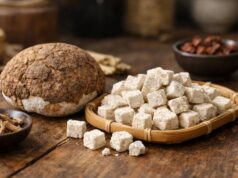
Fraxinella, better known to botanists as Dictamnus albus, is one of those herbs that sits at the border between fascination and caution. It is admired as an ornamental perennial with fragrant flowers and the unusual ability to release volatile oils that can briefly ignite in very hot, still air, which is why it is often called gas plant. It also has a long history in European herbal tradition, where the root, root bark, and aerial parts were used for digestive complaints, menstrual discomfort, minor skin issues, and other household remedies. Yet modern readers should approach it with care. Fraxinella contains coumarins, furanocoumarins, quinoline alkaloids, limonoid-related compounds, and aromatic oils that help explain both its medicinal interest and its risks. The same chemistry that makes it pharmacologically interesting can also make it irritating, phototoxic, and poorly suited to casual self-treatment. This guide looks at the herb in a realistic way: what it is, what it contains, what benefits are plausible, how it has been used, whether any dose can be considered responsible today, and why safety deserves more attention than hype.
Key Facts
- Fraxinella has a long traditional reputation as a bitter aromatic herb for digestion, cramping, and occasional topical use, but modern human evidence is limited.
- Its furanocoumarins, quinoline alkaloids, and volatile oils help explain both its biological activity and its risk profile.
- Older Western herbals sometimes listed about 4 to 8 g powdered root, but that historical range is obsolete and not a safe modern self-care recommendation.
- Fresh plant contact followed by sunlight can cause phototoxic burns, blistering, and lingering skin discoloration.
- Pregnant or breastfeeding people, children, and anyone with reactive skin or frequent sun exposure should avoid medicinal use.
Table of Contents
- What is fraxinella
- Key compounds in fraxinella
- Possible benefits and realistic uses
- How fraxinella is used
- Is there a safe dose
- Side effects and who should avoid it
- What the evidence actually shows
What is fraxinella
Fraxinella, or Dictamnus albus, is a perennial herb in the Rutaceae family, the same broad family that includes citrus and rue. It grows upright, usually between 60 and 100 centimeters tall, with ash-like leaves, fragrant pink to pale lilac flowers, and conspicuous seed capsules. In gardens it is valued for its beauty, longevity, and strong scent. In traditional herbal writing it appears under names such as dittany, white dittany, gas plant, and fraxinella.
One reason the herb draws so much attention is its aromatic oil. On hot, windless days, fresh plants can release enough volatile vapor around the flowers to create the famous “burning bush” effect, in which a flame briefly flashes around the plant without destroying it. That dramatic feature is not a health benefit, but it tells you something important about the plant’s chemistry: fraxinella is rich in active, volatile constituents and is not an inert garden flower.
Historically, European herbal traditions used the root and root bark most often. Old records describe the plant for digestive sluggishness, cramping, menstrual complaints, worms, fevers, and occasional skin applications. That wide historical range sounds impressive, but it needs context. Many traditional herbs accumulated long lists of uses before anyone separated weak folk reputation from repeatable clinical value. Fraxinella is a good example of that pattern.
Another point that matters today is species confusion. “Dictamnus” in older texts does not always point neatly to one modern herbal product, and some modern discussions blur Dictamnus albus with Asian Dictamnus species, especially Dictamnus dasycarpus, whose root bark is used in East Asian medicine as Cortex Dictamni. They are related, and some chemistry overlaps, but they are not interchangeable. Benefits, doses, and safety observations should not be transferred too casually from one species or medical system to another.
So what is fraxinella in practical terms? It is a historically important but now lightly used European herb with interesting phytochemistry, a strong traditional reputation, and a more serious safety profile than many readers expect. It is not a kitchen herb, not a casual tonic, and not a plant that should be approached simply because it sounds old-fashioned or natural. In modern use, understanding the difference between botanical interest and safe self-care is essential.
Key compounds in fraxinella
The medicinal reputation of fraxinella comes from a chemically diverse profile. Studies of Dictamnus species and direct work on Dictamnus albus show that the plant contains coumarins, furanocoumarins, quinoline and furoquinoline alkaloids, limonoid-related constituents, flavonoids, and volatile oils. This mixture helps explain why the herb has been explored for antioxidant, antimicrobial, enzyme-inhibitory, and anti-inflammatory effects in laboratory settings.
The compounds that matter most for safety are the furanocoumarins. These include photosensitizing molecules such as 5-methoxypsoralen and 8-methoxypsoralen. When plant juice, sap, or extract contacts the skin and ultraviolet light follows, these compounds can trigger phototoxic reactions. That is one reason fraxinella can cause redness, burning, blistering, and later hyperpigmentation. If you want a useful comparison point, this is the same general kind of caution associated with rue and other phototoxic Rutaceae herbs, though each plant has its own chemistry and risk level.
Another important group is the quinoline and furoquinoline alkaloids. Dictamnine is the best-known example and is often treated as a signature compound of the genus. Related alkaloids such as gamma-fagarine and robustine have also been reported. These molecules are interesting to pharmacologists because quinoline-type alkaloids can affect enzymes, microbes, inflammatory signaling, and cellular stress pathways in test systems. Their presence helps explain why fraxinella has attracted research attention far beyond its modern herbal use.
Coumarins beyond the furanocoumarins also appear to contribute to the plant’s biological profile. Some laboratory studies suggest that coumarin-rich fractions from Dictamnus albus may inhibit monoamine oxidase or show antioxidant and cell-protective behavior under experimental conditions. That does not make fraxinella an evidence-based mood herb, but it does show that the plant is more chemically complex than its ornamental appearance suggests.
The essential oil fraction adds another layer. Older analyses of Dictamnus albus essential oil identified aromatic compounds such as dictagymnin, feniculin, methyl chavicol, and trans-anethole. These molecules help shape the plant’s fragrance and may contribute to some of its traditional digestive and aromatic uses. They also reinforce the point that fresh plant material is active and potentially irritating.
So the chemistry of fraxinella cuts both ways. It supports the old idea that the plant is biologically potent, but it also explains why it can be harsh, unpredictable, and unsafe when treated like a simple household tea herb. For this plant especially, “active compounds” does not mean “gently helpful.” It means you are dealing with a herb whose promising chemistry and cautionary chemistry are tightly connected.
Possible benefits and realistic uses
Fraxinella is often credited with a long list of benefits, but the realistic picture is narrower. Traditional use and laboratory findings suggest several plausible effects, yet strong human evidence is still missing. The best way to understand its benefits is to separate historical reputation from modern proof.
The most plausible traditional role is as a bitter aromatic digestive herb. Fraxinella root was used in older European practice for poor appetite, digestive heaviness, cramping, and occasional intestinal discomfort. That makes sense because bitter and aromatic plants can stimulate saliva, gastric secretion, and digestive reflexes. Fraxinella’s volatile oils and bitter alkaloids likely contribute to that pattern. Still, it is not the first herb most practitioners would choose today, because the same chemistry that makes it stimulating also makes it more hazardous than gentler bitters such as gentian for digestive support.
A second possible benefit is antispasmodic or cramp-relieving action. Historical use in digestive and menstrual complaints hints at this, and some compounds from Dictamnus species have shown smooth-muscle or enzyme effects in experimental settings. That may partly explain why old herbals mentioned abdominal discomfort, colicky pain, and female reproductive complaints. But here again, there is a gap between plausibility and proof. Human clinical trials confirming real-world benefit are lacking.
A third area of interest is antimicrobial and anti-inflammatory activity. Certain alkaloids and coumarins from the genus have shown effects against microbes or inflammatory targets in vitro. That helps explain why the herb sometimes appeared in older skin preparations, washes, or mixed formulas. Yet it would be a mistake to turn that into a broad claim that fraxinella is a reliable treatment for infections, eczema, or inflammatory disease. Lab activity does not automatically translate into safe or effective home use.
Some researchers have also explored antioxidant and cell-protective effects from Dictamnus albus extracts. These findings are interesting, especially when they involve identified phenolic or coumarin fractions. But they remain preclinical. A reader looking for a dependable health outcome should treat them as early research, not as a reason to self-medicate.
So what does fraxinella realistically help with? The most honest answer is modest, mostly historical support for digestive stimulation, cramping, and occasional traditional topical use, along with laboratory evidence that some of its compounds are pharmacologically active. What it does not have is a modern evidence base strong enough to make it a routine herb for digestion, skin problems, mood, immunity, or pain.
That distinction matters. Fraxinella is interesting because it may do several things in theory, but the evidence is not strong enough to recommend it over safer herbs with clearer dosing and fewer adverse effects. It is a plant with credible traditional logic, not a plant with settled clinical reliability.
How fraxinella is used
Traditional use of fraxinella centered on the root, root bark, and sometimes the aerial parts. Older preparations included powdered root, decoctions, wine-based extracts, and mixed herbal formulas. In some settings the herb was taken internally for digestive or menstrual complaints. In others it was applied externally in diluted washes or as part of a compound preparation. Modern use is much more cautious, and for good reason.
If people encounter fraxinella today, it is usually in one of three contexts. The first is ornamental gardening. The second is historical or ethnobotanical interest. The third is specialized herbal practice, where it is handled far more carefully than a common tea herb. This change in status reflects a modern understanding of phototoxicity, variable chemistry, and the lack of well-established dose standards.
Topical use deserves special caution. Fresh plant contact is the most likely route for obvious harm, because the sap and surface oils can sensitize skin to sunlight. A person may handle the plant, spend time outside, and only later notice streaks of redness, burning, or blistering. That delayed pattern is typical of phototoxic plants and one reason fraxinella is poorly suited to home skin remedies. If the goal is gentle skin support, a better-known option such as calendula for mild topical care is usually the more sensible choice.
Internal use is even more complicated. Traditional formulas often relied on dried root or root bark, but modern herbalists do not treat that as a green light for routine self-treatment. Drying changes some aspects of the plant, but it does not erase the problems of variable potency, limited clinical evidence, and possible irritation.
A careful modern approach would look like this:
- Do not improvise with fresh fraxinella from the garden.
- Do not use it as an everyday tea or tonic.
- Do not turn volatile fresh material into homemade oils or salves for sun-exposed skin.
- Treat historical preparations as historical information, not current best practice.
- Prefer safer substitutes unless there is a strong reason and expert supervision.
One more practical point matters: the herb’s name causes confusion. Some commercial or educational material may discuss “dictamnus” in ways that mix European fraxinella with Asian root-bark preparations from related species. That makes instructions especially unreliable unless the species and plant part are clearly identified.
In modern life, fraxinella is best handled as a botanically interesting, potentially medicinal, but clearly higher-risk plant. Its historical uses are worth understanding, yet they do not automatically convert into safe household practice. With fraxinella, how it is used matters less than whether it should be used at all.
Is there a safe dose
This is the question many readers want answered directly, and the direct answer is uncomfortable but important: there is no validated modern self-care dose for Dictamnus albus. That means no evidence-based oral range can be offered with real confidence for routine home use.
Historical herbal texts did sometimes list fraxinella dosing. In Western herbals, powdered root around 4 to 8 g appears in older literature, and decoctions of the root or root bark were also used in small measured amounts. But those historical numbers should not be mistaken for a modern recommendation. They come from a period before current standards of toxicology, standardization, sunlight-related risk awareness, and controlled clinical testing.
Several factors make modern dosing difficult. First, plant chemistry varies by species, part used, harvest timing, and processing. Second, the compounds that interest researchers are also the compounds that raise safety concerns. Third, modern evidence does not tell us what dose reliably helps with digestion, cramping, or any other complaint in humans. Without that information, a dosage number can look precise while still being clinically weak.
If someone is tempted to use historical dosing anyway, several realities should slow them down:
- Older texts were not based on modern risk assessment.
- Fresh plant exposure and dried root exposure are not the same.
- Fraxinella can irritate skin and possibly mucous membranes.
- Related Dictamnus species used in other medical systems are not automatically interchangeable with Dictamnus albus.
- Pregnancy-related historical uses make reproductive safety especially uncertain.
That is why the safest modern position is not “use a smaller dose.” It is “do not self-dose unless you are working with a qualified practitioner who knows the species, source, plant part, and purpose.” For most readers, that effectively means avoiding medicinal oral use.
Timing and duration matter too. Even if a supervised practitioner were to use a conservative dose, it would make more sense as short-term, targeted use rather than daily long-course supplementation. Fraxinella is not a good candidate for wellness stacking, routine detox programs, or experimental tea use.
For people looking for the kind of benefit fraxinella was historically asked to provide, safer alternatives usually exist. A reader who wants mild digestive comfort after meals is usually better served by chamomile for digestion and calm than by a plant with uncertain modern dosing.
So the dose section ends in a cautious place. Yes, historical ranges exist. No, they are not a safe shortcut for current practice. In modern herbal decision-making, fraxinella is one of those herbs where “no practical self-care dose” is the most responsible answer.
Side effects and who should avoid it
Fraxinella’s side effects deserve more emphasis than its benefits, because this is the part most likely to affect real-world safety. The single best-known risk is phototoxic dermatitis. Contact with the fresh plant, sap, or strong extract followed by sun exposure can produce burning, redness, swelling, blistering, and later dark discoloration that may linger for weeks. The reaction is not always immediate, which can make the cause easy to miss.
Skin risk is the first concern, but not the only one. Internal use may cause irritation, nausea, abdominal discomfort, or other nonspecific reactions, especially with concentrated preparations. Because the plant contains active coumarins, alkaloids, and volatile compounds, it should not be treated like a mild culinary botanical.
Who should avoid fraxinella medicinal use altogether?
- Pregnant or breastfeeding people.
- Children and adolescents.
- Anyone with a history of photodermatitis or strong sun sensitivity.
- People who work outdoors or have frequent intense sun exposure.
- Anyone with very reactive skin, eczema-prone skin, or a past history of blistering plant reactions.
Drug-interaction data are limited, but caution is still justified. The biggest practical concern is additive photosensitivity. Combining plant exposure with medicines or products that already increase sensitivity to light is a bad idea. That includes some antibiotics, certain diuretics, retinoids, psoralen-based therapies, and other sun-sensitizing agents. There is also a common-sense reason to avoid layering fraxinella with strong exfoliating acids or irritant topicals on exposed skin.
Another safety point is substitution. Fraxinella is not an herb to swap casually into formulas just because an old text mentions it. Better-studied herbs can often serve the same general purpose with much less risk. For superficial skin care, for example, witch hazel for astringent topical support makes more practical sense than experimenting with a phototoxic plant.
Garden handling also matters. Gloves are sensible when pruning or moving the plant, especially in sunny weather. Wash hands and forearms after contact. Avoid rubbing the eyes. Do not let children use the flowers or seed pods as play material, and do not assume dried decorative parts are harmless.
There is also a psychological safety issue with fraxinella: it looks elegant and old-world, so people often assume it is gentler than it is. In truth, this is a plant where appearance misleads. Beauty, fragrance, and traditional prestige do not reduce phototoxicity.
The short version is simple. Fraxinella is not among the herbs where the worst likely outcome is mild stomach upset. It can injure skin, complicate sun exposure, and create risk without offering a modern clinical payoff strong enough to justify casual use. That is why many modern herbal discussions place it firmly in the caution category.
What the evidence actually shows
The evidence for fraxinella is a mix of strong botanical interest, solid chemical identification, longstanding traditional use, and weak modern clinical confirmation. That is not unusual for older herbs, but it matters more here because the plant’s risks are better established than its benefits.
What the evidence supports well is chemistry. Modern reviews and compound-focused studies show that Dictamnus albus and related Dictamnus species contain furanocoumarins, quinoline and furoquinoline alkaloids, flavonoids, and essential-oil constituents with measurable biological activity. That gives good scientific support to the idea that fraxinella is pharmacologically active and not just folklore.
What the evidence supports moderately is traditional context. Ethnopharmacological work shows that “Dictamnus” has a deep place in European materia medica, especially for root-based preparations aimed at digestion, cramping, menstruation, and assorted household complaints. This tells us the plant mattered historically and was used coherently across long periods. It does not, by itself, prove clinical benefit.
What the evidence supports clearly on the safety side is phototoxicity. Case reports and broader reviews of phototoxic plants show that Dictamnus albus can cause serious skin reactions after contact plus sunlight. This is one of the firmest practical conclusions in the literature and one of the main reasons modern herbal self-use has faded.
What remains weak is human therapeutic evidence. There are no widely accepted modern clinical trials showing that Dictamnus albus safely and effectively improves digestive disorders, menstrual pain, skin disease, infection, mood, or inflammatory conditions in ordinary use. Preclinical findings may justify further research, but they do not justify confident consumer recommendations.
There is also an evidence problem created by plant confusion. Some promising pharmacology in the wider Dictamnus genus comes from Asian medicinal species or root-bark preparations that are not the same as European fraxinella in garden or folk-herb contexts. When websites ignore that difference, they inflate the case for Dictamnus albus.
So what should a careful reader conclude? Fraxinella is real medicine in the historical sense, real chemistry in the pharmacological sense, and real risk in the toxicological sense. But it is not well-supported medicine in the modern clinical sense. That makes it a fascinating herb to study and a relatively poor herb to self-prescribe.
In practical terms, the evidence does not say “never think about fraxinella.” It says “understand why it mattered, respect why it is risky, and do not confuse laboratory promise or ancient reputation with present-day proof.” That is the most useful, honest, and safety-forward reading of the plant.
References
- New Insights Concerning Phytophotodermatitis Induced by Phototoxic Plants 2024 (Review)
- Furoquinoline Alkaloids: Insights into Chemistry, Occurrence, and Biological Properties 2023 (Review)
- Antibacterial and Antifungal Alkaloids from Asian Angiosperms: Distribution, Mechanisms of Action, Structure-Activity, and Clinical Potentials 2022 (Review)
- Medicinal uses, phytochemistry and pharmacology of the genus Dictamnus (Rutaceae) 2015 (Review)
- Phototoxicity of Dictamnus alba 1978
Disclaimer
This article is for educational purposes only and is not a substitute for medical advice, diagnosis, or treatment. Fraxinella is a potentially phototoxic and irritating plant, and older historical uses do not make it safe for unsupervised modern use. Do not self-treat with Dictamnus albus during pregnancy, breastfeeding, childhood, or when using other photosensitizing medicines or products.
If you found this guide useful, please share it on Facebook, X, or another preferred platform so others can find accurate, safety-first herbal information.